
Jagdbeute mit Rohrdommel und weiteren Vögeln — History & Facts
The sweep of feathers catches the eye first: a tangle of wings and plumage, frozen in the aftermath of the hunt. In Jagdbeute mit Rohrdommel und weiteren Vögeln, Abraham Mignon arranges his quarry with a theatrical flair, the birds’ bodies tumbling over one another in a carefully staged cascade. Light glances off the delicate patterns of the plumage, picking out the subtle curve of a beak and the sharp glint of talons.
The composition draws the viewer in, inviting a slow inspection of texture and form—the downy softness of the bittern’s breast, the rigid fan of tail feathers, the metallic sheen of a vessel below. This is not a mere inventory of game, but a meditation on the fleeting boundary between life and stillness, abundance and loss. Painted sometime between 1640 and 1679, this work belongs to a world where the still life—especially the hunting trophy—was both a celebration and a warning. In the Dutch and German-speaking lands, such paintings adorned the homes of the prosperous, signaling wealth, taste, and the mastery of nature.
The genre flourished in a time of growing urban affluence, when artists like Mignon found patrons eager for reminders of rural sport and the pleasures of the table. Yet, history has kept few traces of this particular canvas beyond its survival in the collection of the Bayerische Staatsgemäldesammlungen. Its silent drama urges us to look again, to see not just the trophies of the hunt, but the artistry that animates them.
More Artworks by Abraham Mignon

Still Life with Flowers and a Watch
Abraham Mignon
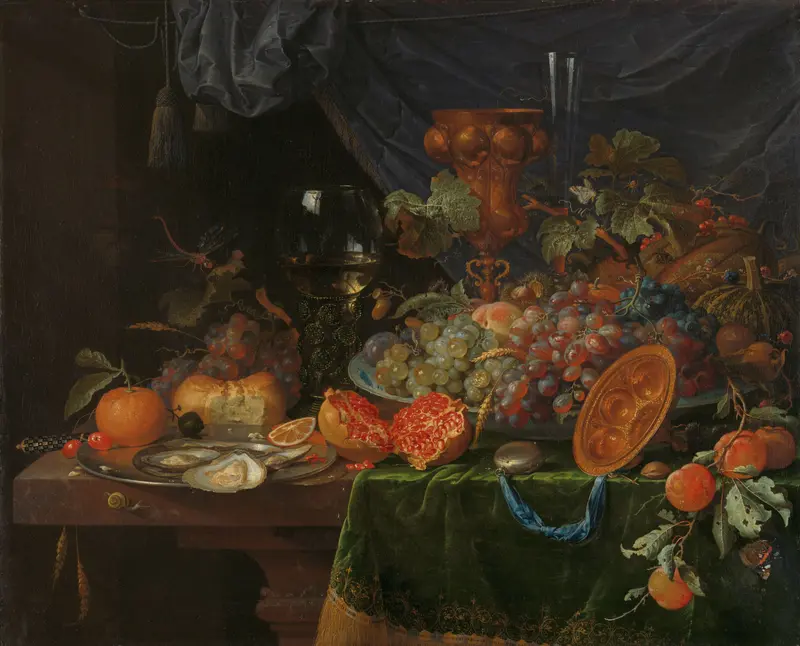
Still Life with Fruit and Oysters
Abraham Mignon
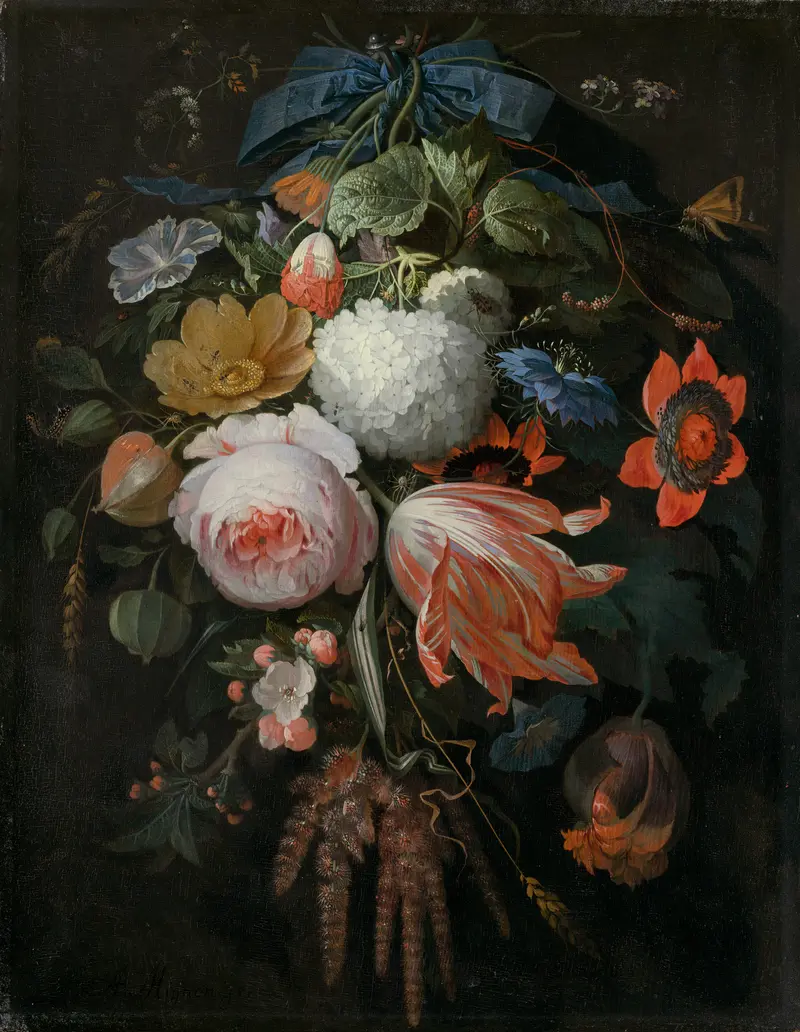
A Hanging Bouquet of Flowers
Abraham Mignon
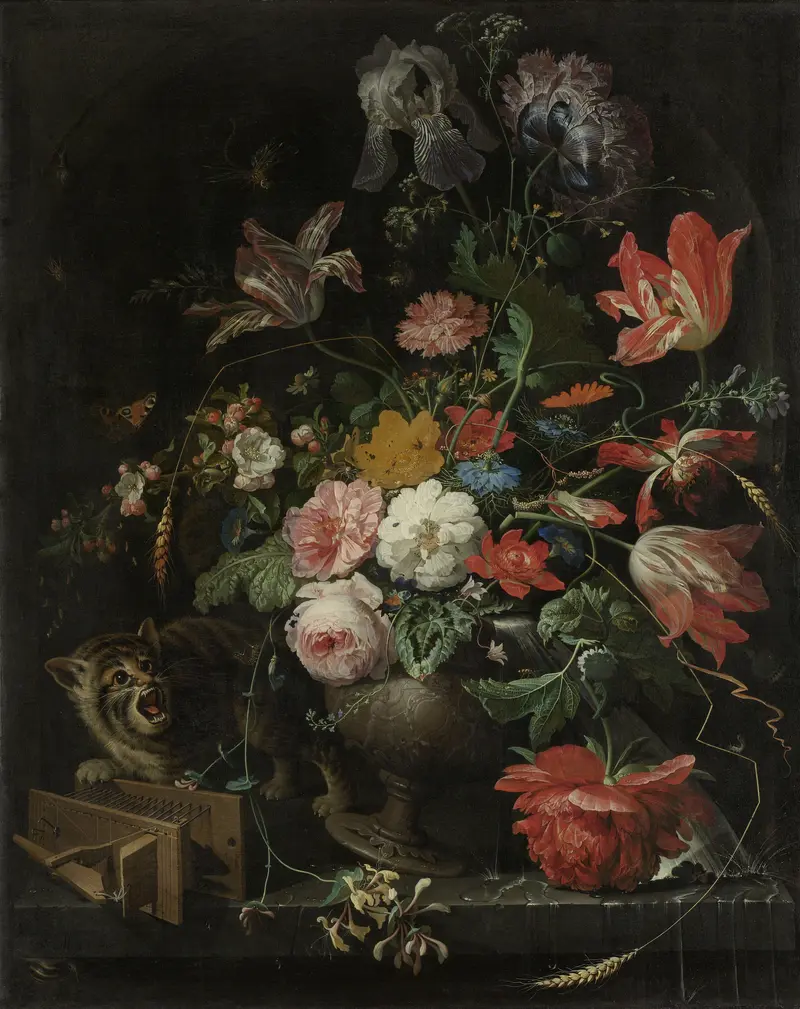
Bouquet with cat and mousetrap
Abraham Mignon
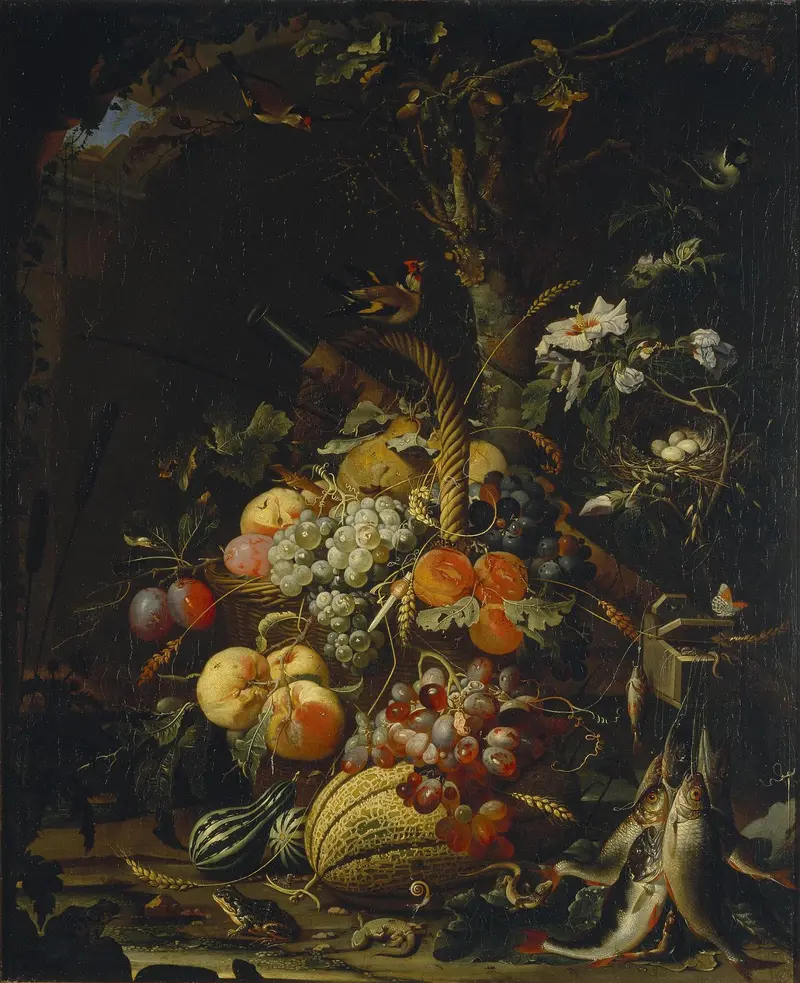
Forest floor still life with fruit, fish and a bird's nest
Abraham Mignon
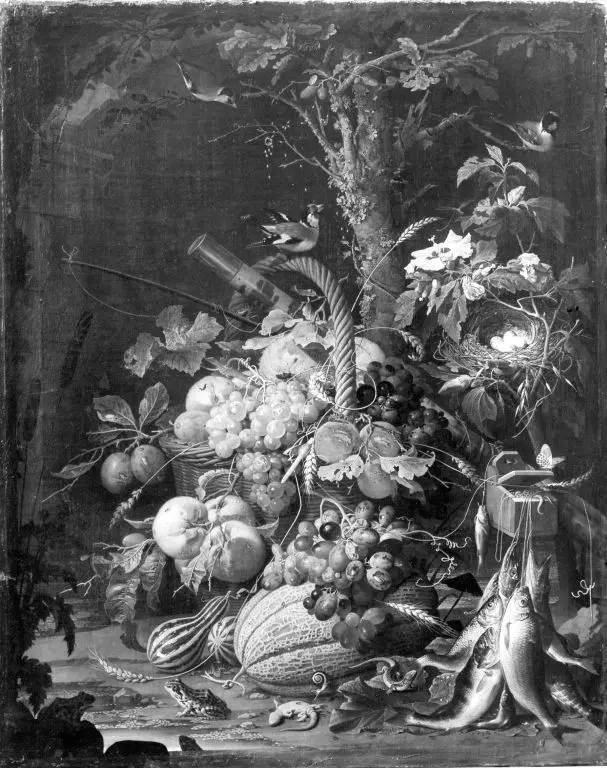
Still life with fruit, fish and a bird's nest
Abraham Mignon
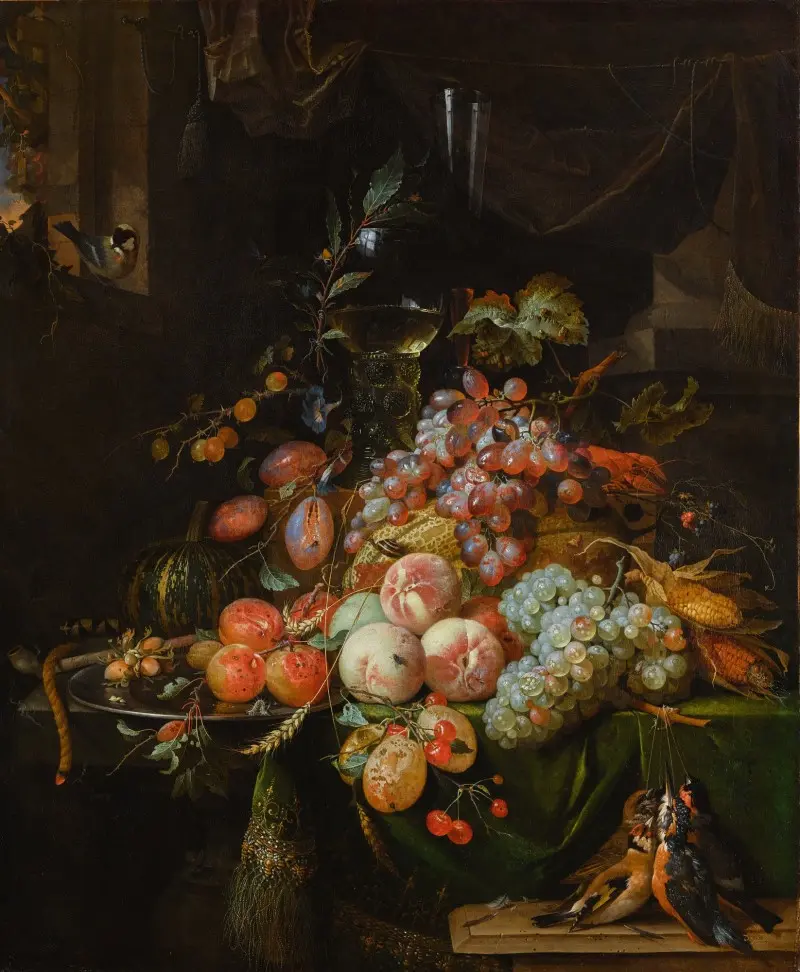
Still Life with Plums, Peaches, Apricots, Grapes and a Melon
Abraham Mignon
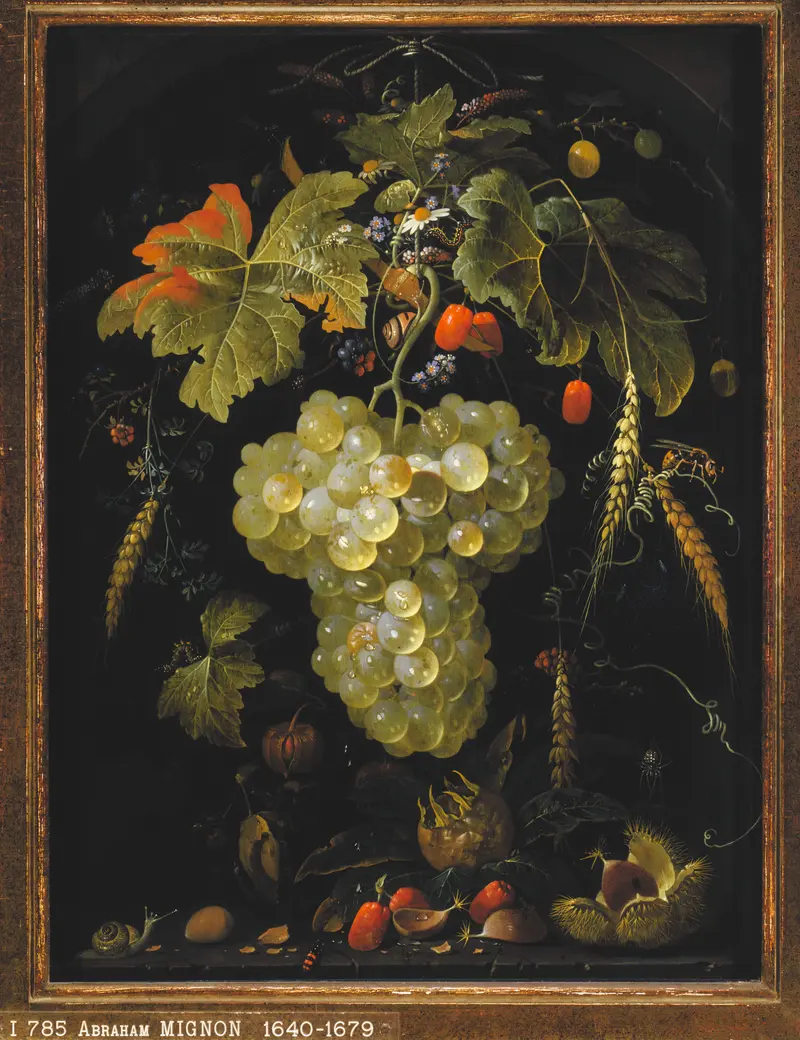
Festoon of fruit suspended from a rope, in a niche
Abraham Mignon
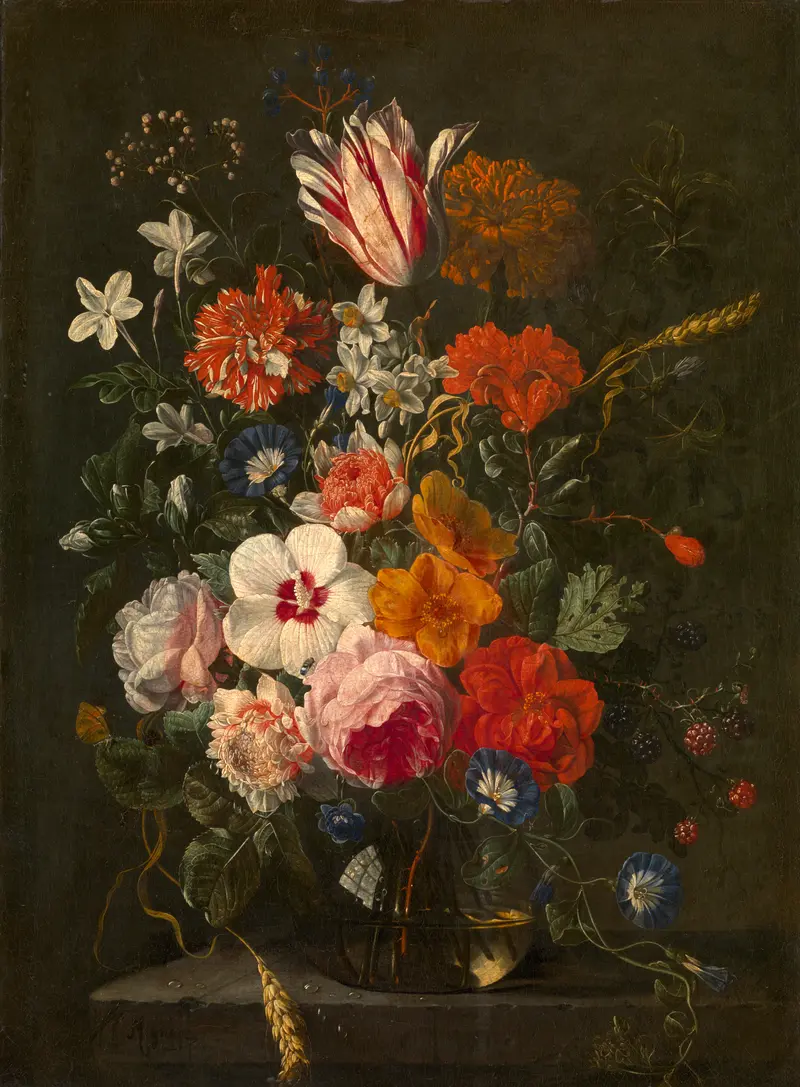
Flowers and a branch of berries in a glass vase on a stone ledge
Abraham Mignon
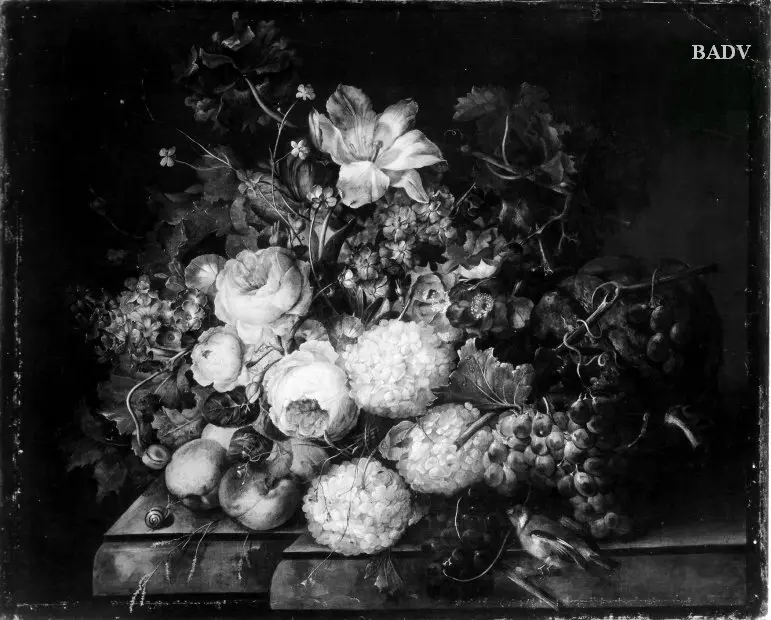
Flowers and fruit on a plinth
Abraham Mignon





