
Jardin à Montmartre — History & Facts
Where does light end, and longing begin? In the delicate interplay of colors, Jardin à Montmartre captures a moment where time seems to pause, inviting the viewer to reflect on the ephemeral nature of joy and connection. Look to the center of the canvas, where dappled sunlight filters through a canopy of green leaves, casting playful shadows across the faces of picnicking figures. The vibrant palette of greens, yellows, and soft blues creates an atmosphere of warmth and intimacy, drawing our gaze towards the gentle interaction between the subjects. Notice how the figures are arranged in a loose diagonal, leading the eye seamlessly from one to another, encapsulating a fleeting moment of shared laughter and conversation. As you explore further, subtle contrasts emerge.
The joy of the afternoon is tinged with an underlying sense of yearning; the figures appear both engaged and distant, suggesting unspoken stories and desires. The lush garden setting symbolizes not only beauty and life but also the fleeting nature of such moments, where happiness mingles with the bittersweet awareness of transience. Here, the color harmonies evoke a sense of nostalgia, whispering about the passage of time and cherished memories. Painted between 1895 and 1900, Renoir was immersed in the vibrant art scene of Paris, reflecting the Impressionist movement's emphasis on capturing contemporary life.
In this period, he sought to celebrate beauty in the everyday, while also grappling with growing commercial pressures and personal health challenges. With Jardin à Montmartre, he crafted a visual poem that transcends its moment, resonating with an enduring sense of humanity and longing.
More Artworks by Pierre-Auguste Renoir
Browse all →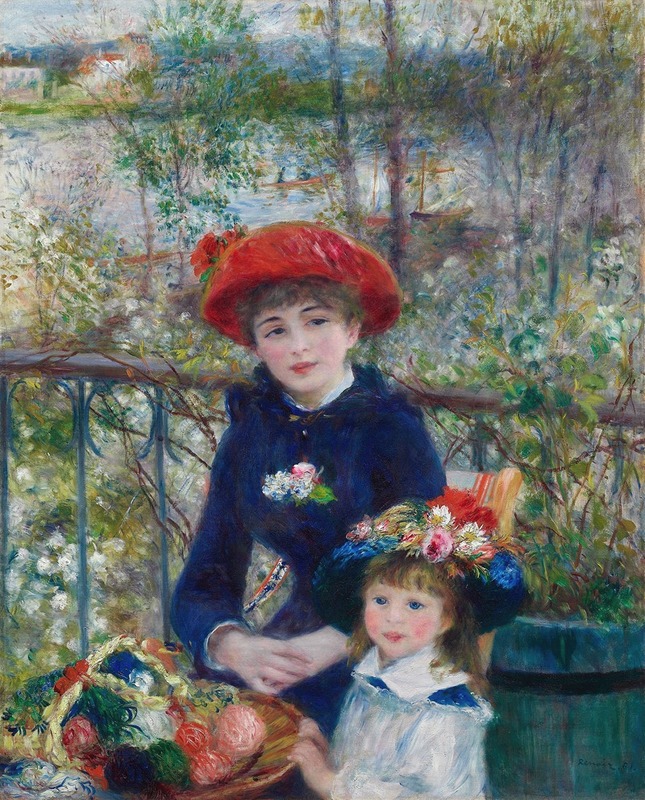
Two Sisters (On the Terrace)
Pierre-Auguste Renoir
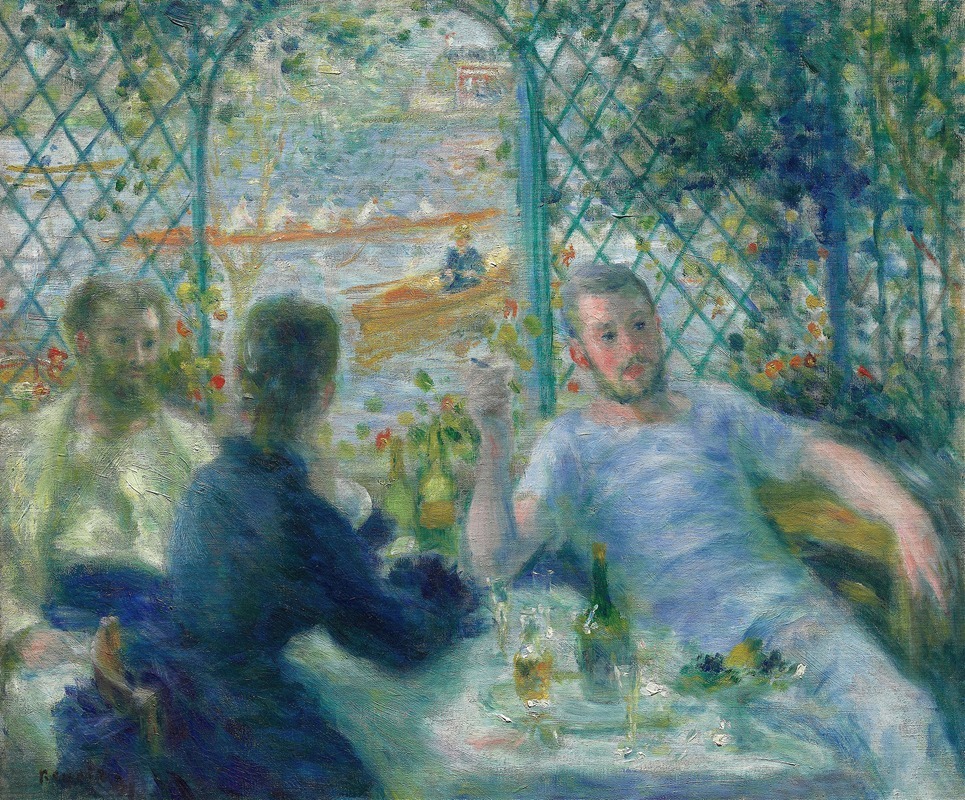
Lunch at the Restaurant Fournaise (The Rowers' Lunch)
Pierre-Auguste Renoir
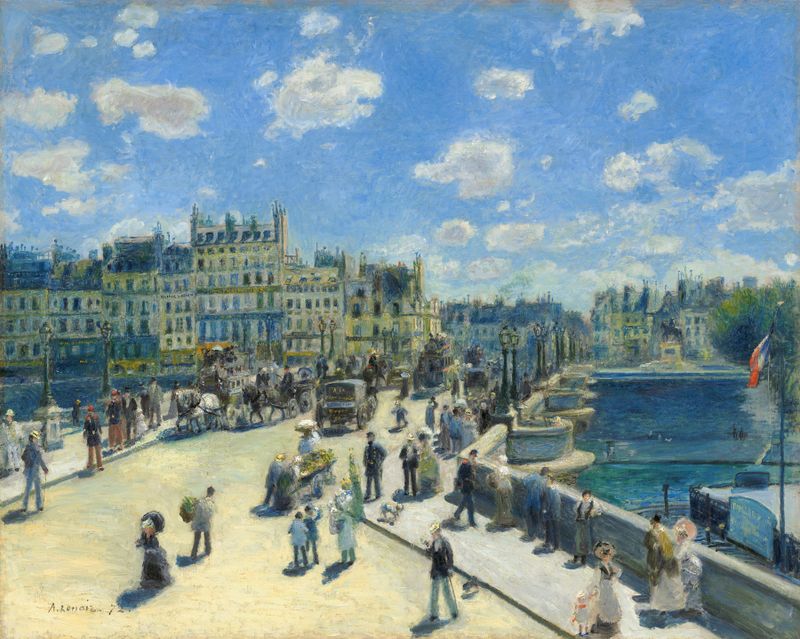
Pont Neuf, Paris
Pierre-Auguste Renoir
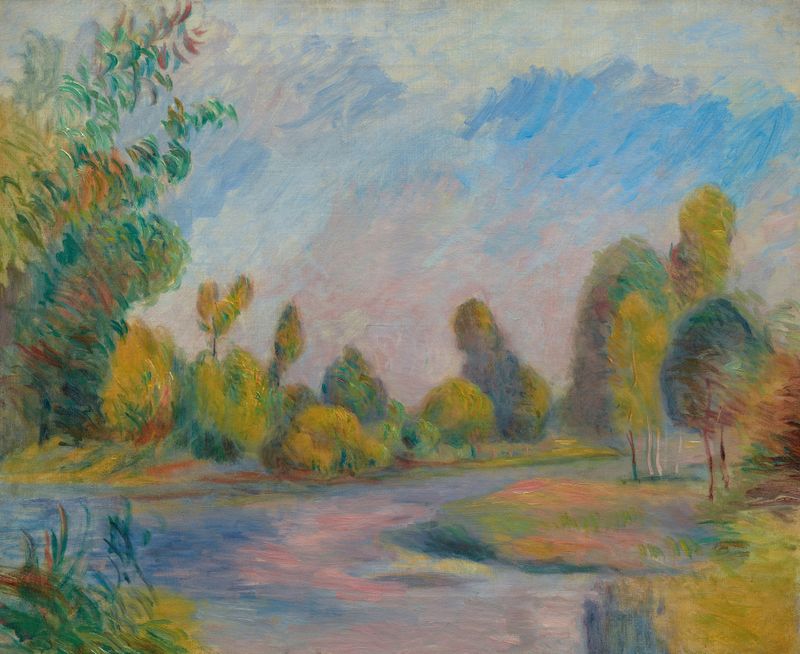
Au bord de la rivière
Pierre-Auguste Renoir

Near the Lake
Pierre-Auguste Renoir
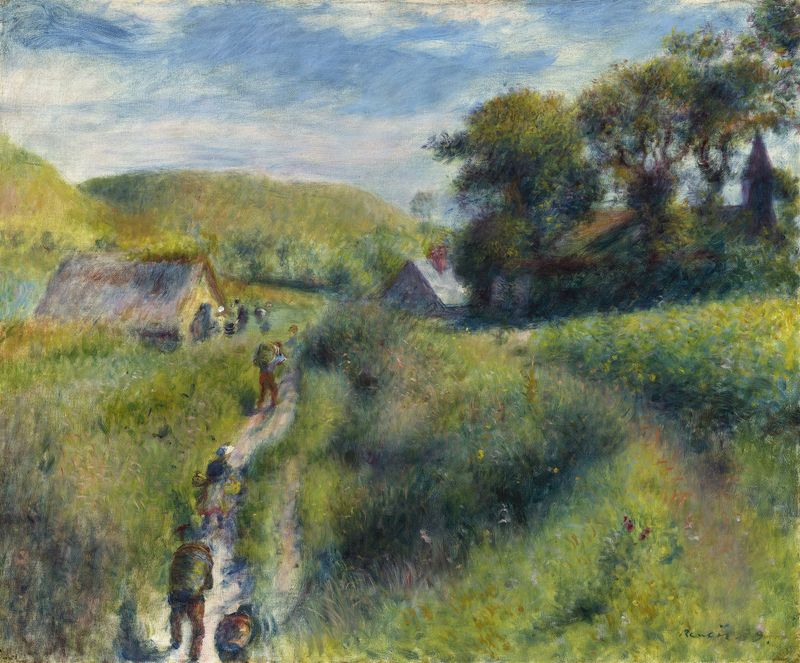
The Mussel Harvest
Pierre-Auguste Renoir

The Seine at Chatou
Pierre-Auguste Renoir
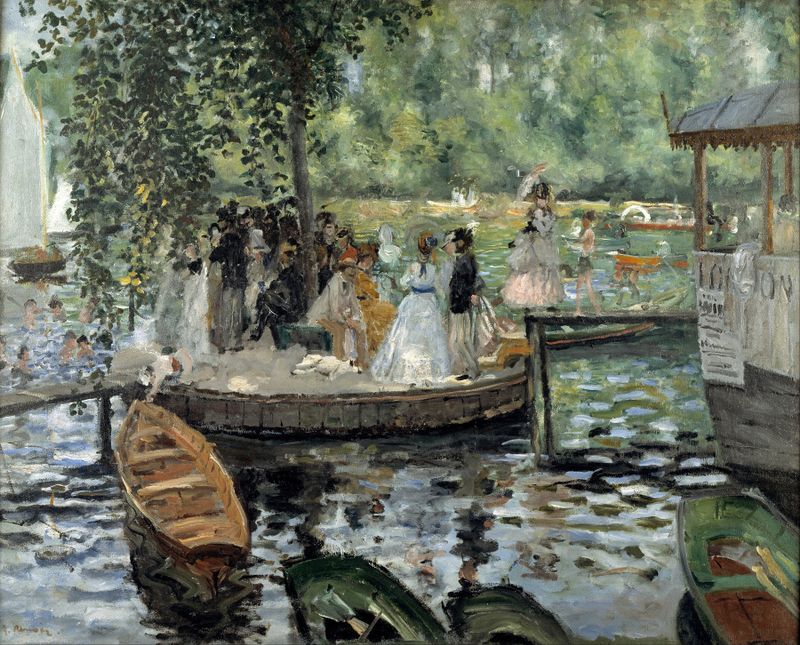
La Grenouillère
Pierre-Auguste Renoir
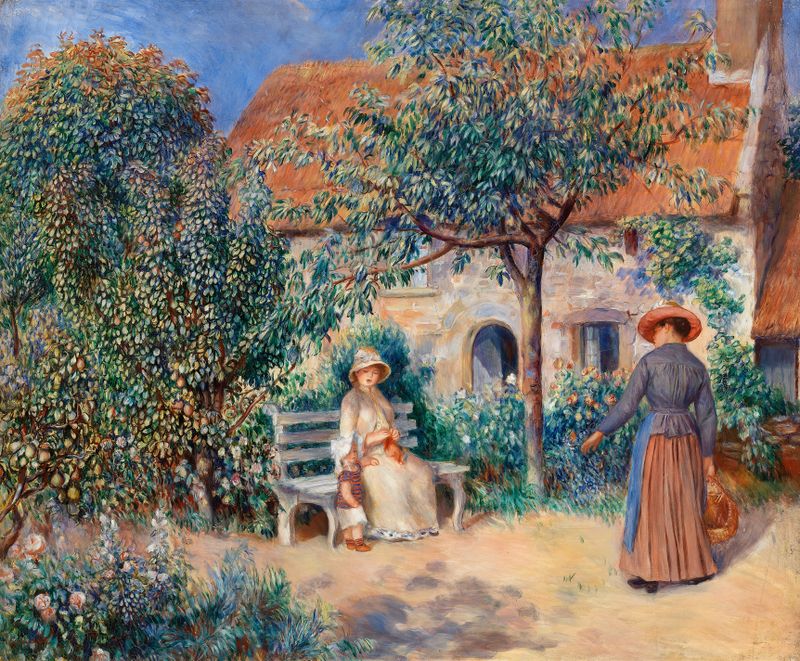
In Brittany (En Bretagne)
Pierre-Auguste Renoir
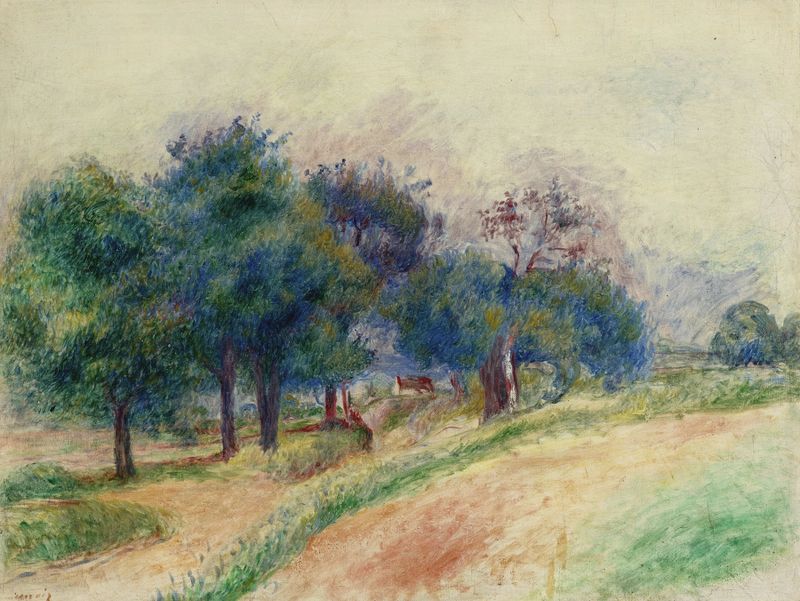
Paysage d’Essoyes
Pierre-Auguste Renoir





