
Jeune homme au bleuet — History & Facts
In Jeune homme au bleuet, we see a young man with a thoughtful expression, holding a vibrant blue cornflower. The background is a soft blend of greens and yellows, which contrasts beautifully with the blue of the flower. The figure is dressed in a simple, dark outfit that allows the flower to stand out.
Van Gogh's brushstrokes are visible, adding texture and depth to the painting. This painting is created using oil on canvas, a medium that allows for rich colors and dynamic brushwork. The dimensions are approximately 60 x 73 cm, making it a relatively medium-sized portrait. The young man's face is rendered with careful attention to detail, showcasing Van Gogh's unique style.
The use of color and light creates a sense of immediacy and intimacy. Vincent van Gogh painted Jeune homme au bleuet during a time when he was exploring portraiture and the emotional depth of his subjects. This work reflects his interest in capturing the essence of a person through color and form. An interesting fact about this piece is that it features a cornflower, which symbolizes hope and delicacy, reflecting Van Gogh's own struggles with mental health.
The painting is part of the collection at the Van Gogh Museum in Amsterdam.
More Artworks by Vincent van Gogh

Starry Night
Vincent van Gogh

Van Gogh's Chair
Vincent van Gogh

The Night Café
Vincent van Gogh
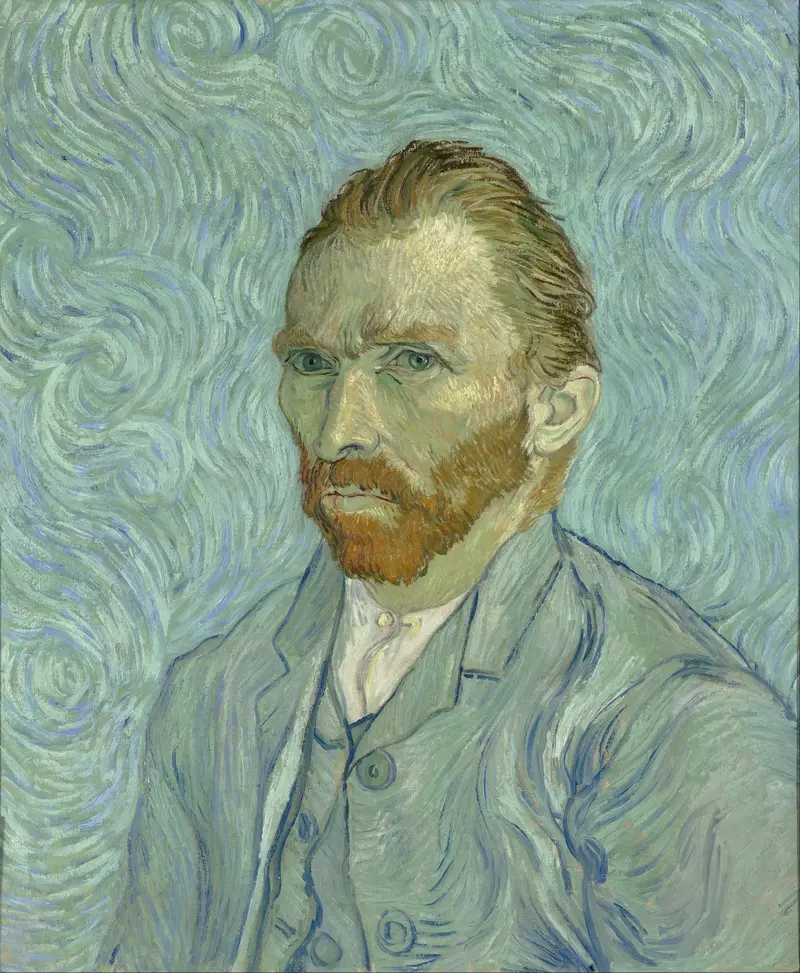
Self-Portrait (1889)
Vincent van Gogh

Café Terrace at Night
Vincent van Gogh

Almond Blossom
Vincent van Gogh

Flowering Garden
Vincent van Gogh

A Wheatfield, with Cypresses
Vincent van Gogh

Orchard in Blossom (Plum Trees)
Vincent van Gogh

Snowy Landscape with Arles in the Background
Vincent van Gogh





