
Joab doodt Amasa — History & Facts
The weight of grief shrouds the aftermath of betrayal, as the echoes of a tragic tale linger in the air. In this solemn space, the viewer is drawn into a moment suspended in time, where loss and lament intertwine with the stark reality of human frailty. Look to the center of the composition, where the lifeless body of Amasa lies, draped in a somber palette of muted earth tones. The figure, rendered with meticulous detail, draws the gaze, inviting a visceral reaction.
Notice how the light falls gently upon Amasa’s still form, illuminating the tension between life and death while casting deep shadows that whisper of despair. Surrounding him, figures display varying reactions, their expressions and postures revealing the profound emotional turmoil that accompanies such a tragedy. Delve into the contrasts within the artwork: the gentle luminescence of Amasa’s body juxtaposed with the darkened figures of his mourners, suggesting a chasm between the living and the dead. The positioning of the figures highlights the isolation of grief, each beset by their own turmoil yet connected through shared loss.
In the background, muted colors blend and blur, representing the haunting memories that linger long after the final breath, while the intense focus on Amasa captures the rawness of betrayal and sorrow. In 1538, Holbein painted this moment of anguish amidst a rapidly changing Europe, where political intrigue and personal betrayals shaped the lives of many. Residing in England, he found himself entwined with the Tudor court, reflecting the complexities of power and loyalty through his art. This work, a stark reminder of the emotional depth found in the human experience, echoes the artist's acute awareness of the political and emotional landscapes surrounding him.
More Artworks by Hans Holbein (II)
Browse all →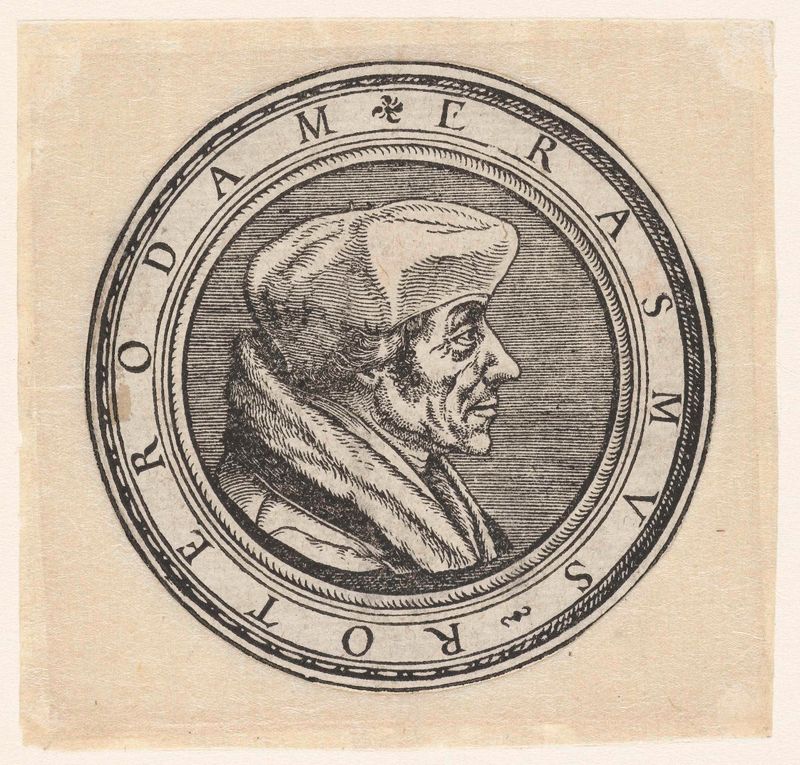
Portret van Erasmus
Hans Holbein (II)
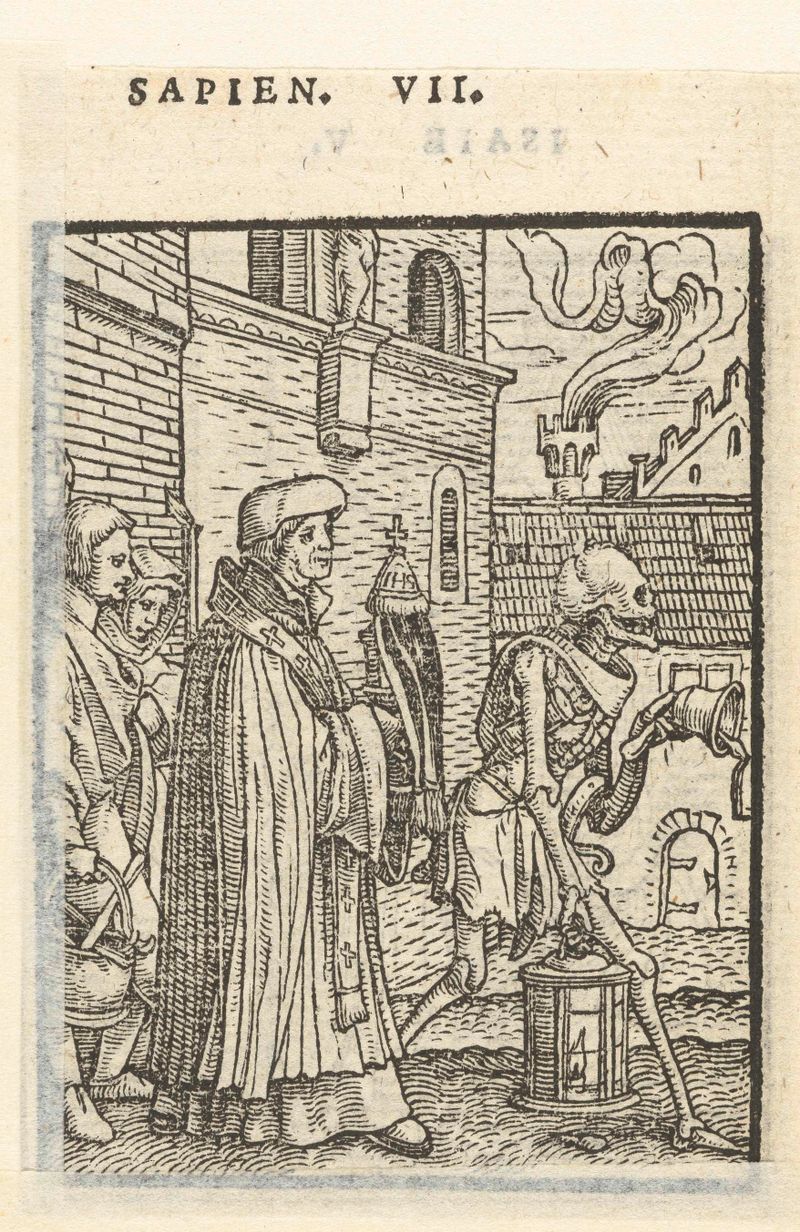
Priester en de Dood
Hans Holbein (II)
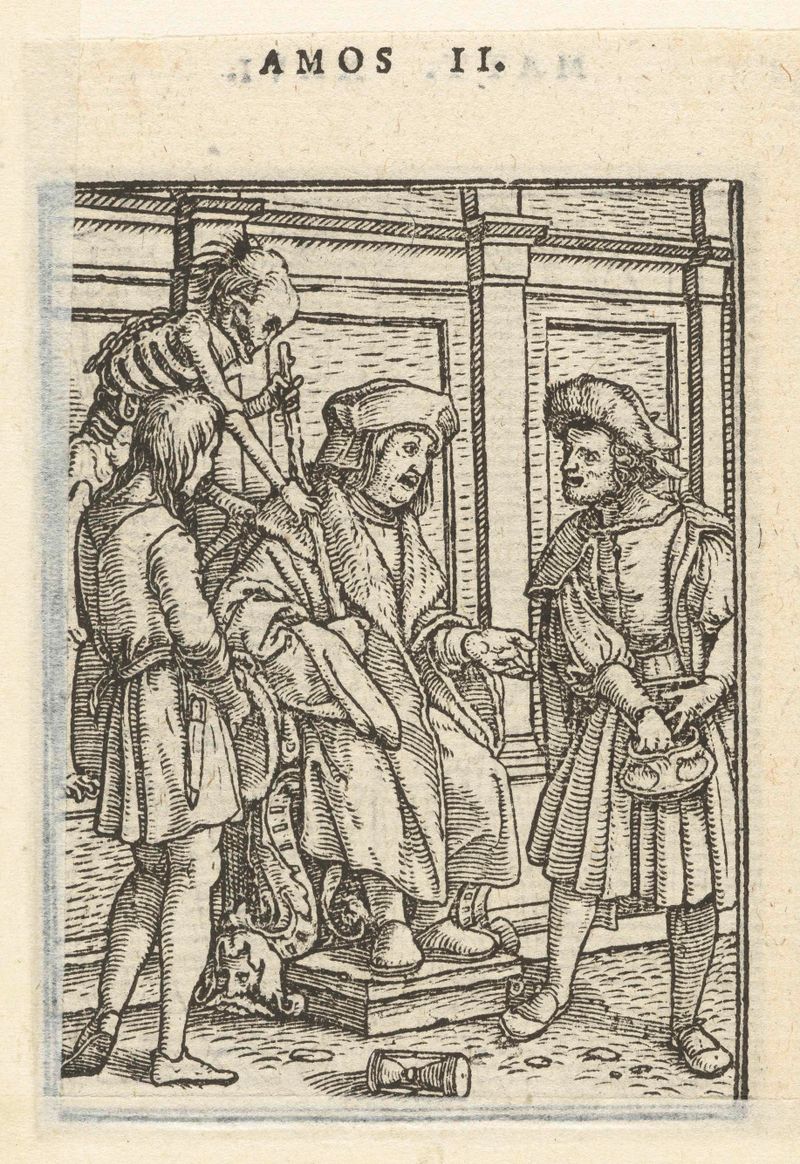
Rechter en de Dood
Hans Holbein (II)
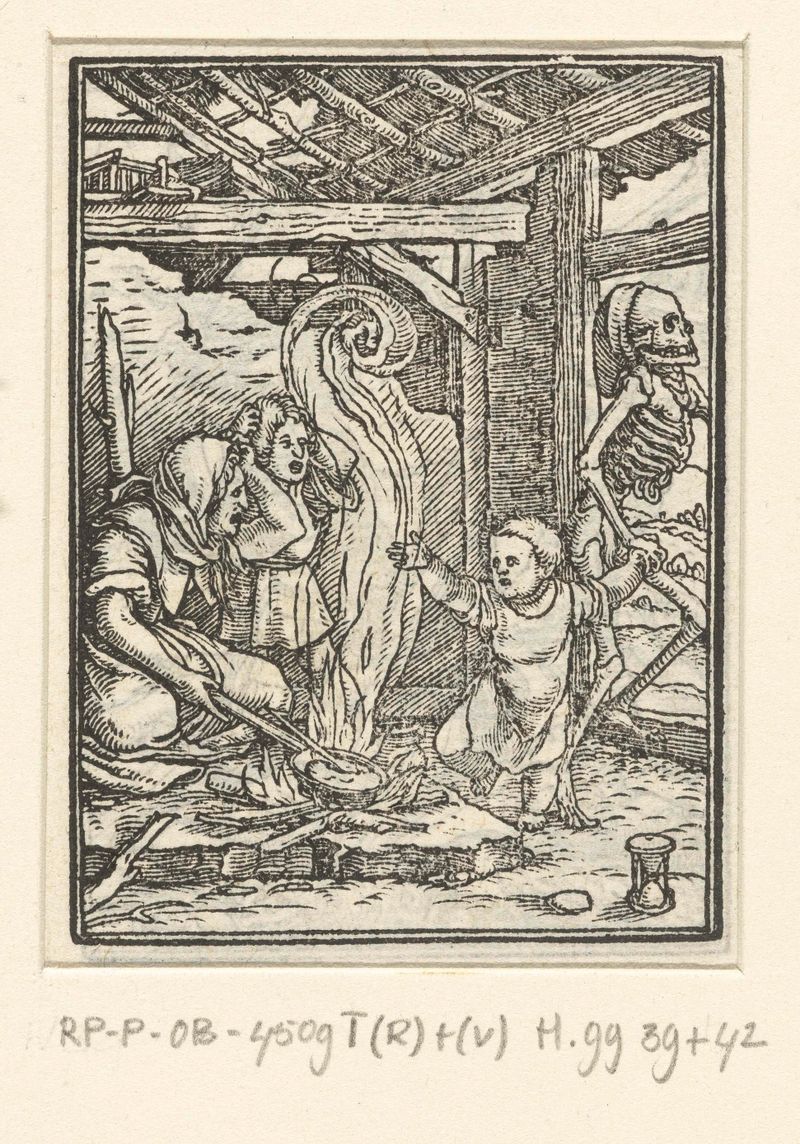
Kind en de Dood
Hans Holbein (II)
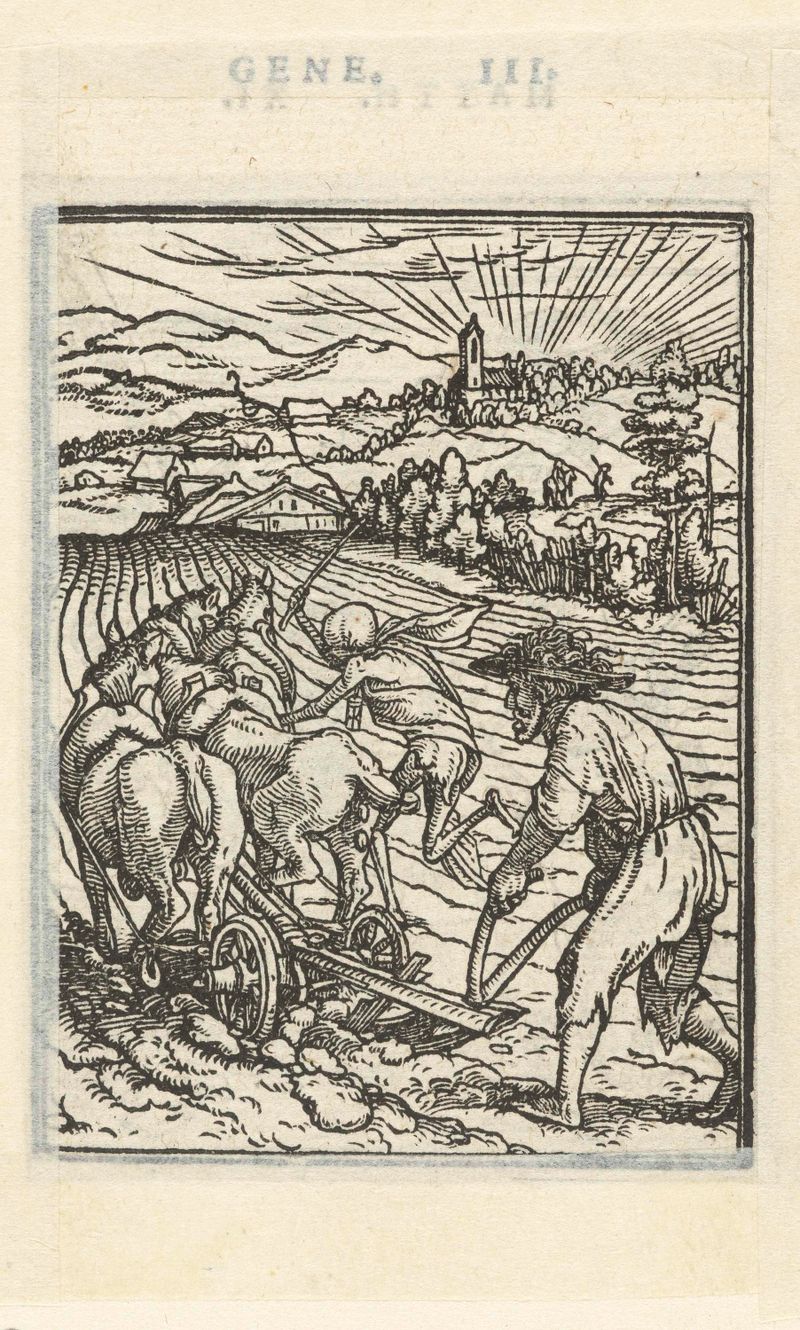
Boer en de Dood
Hans Holbein (II)
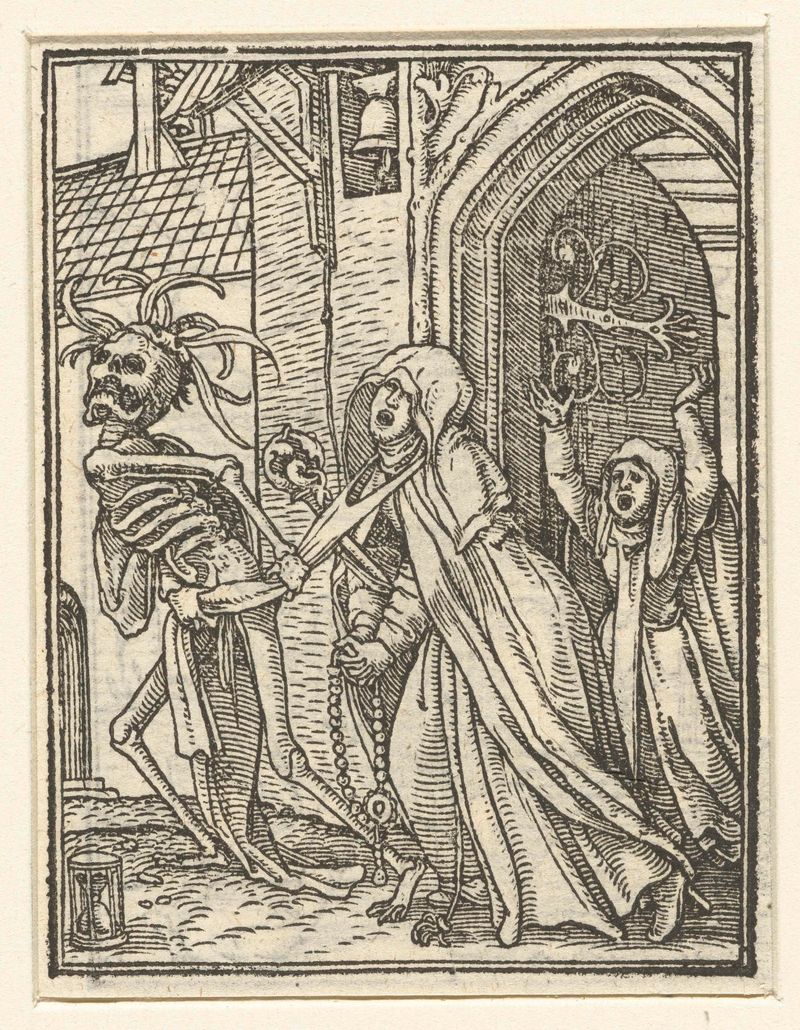
Abdis en de Dood
Hans Holbein (II)
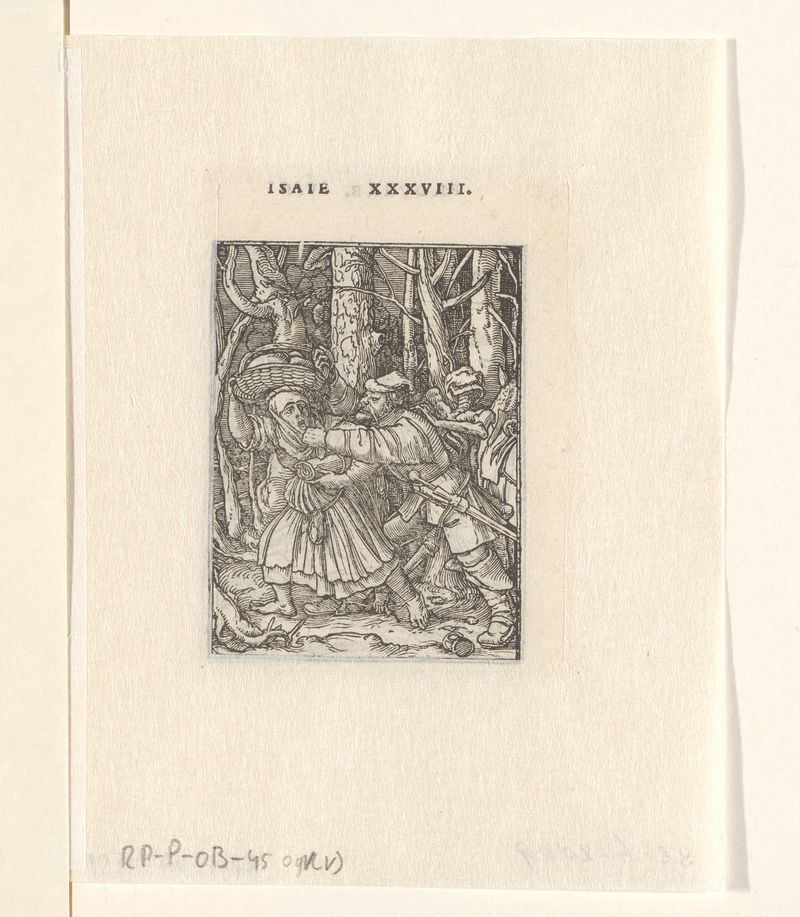
Dief en de Dood
Hans Holbein (II)
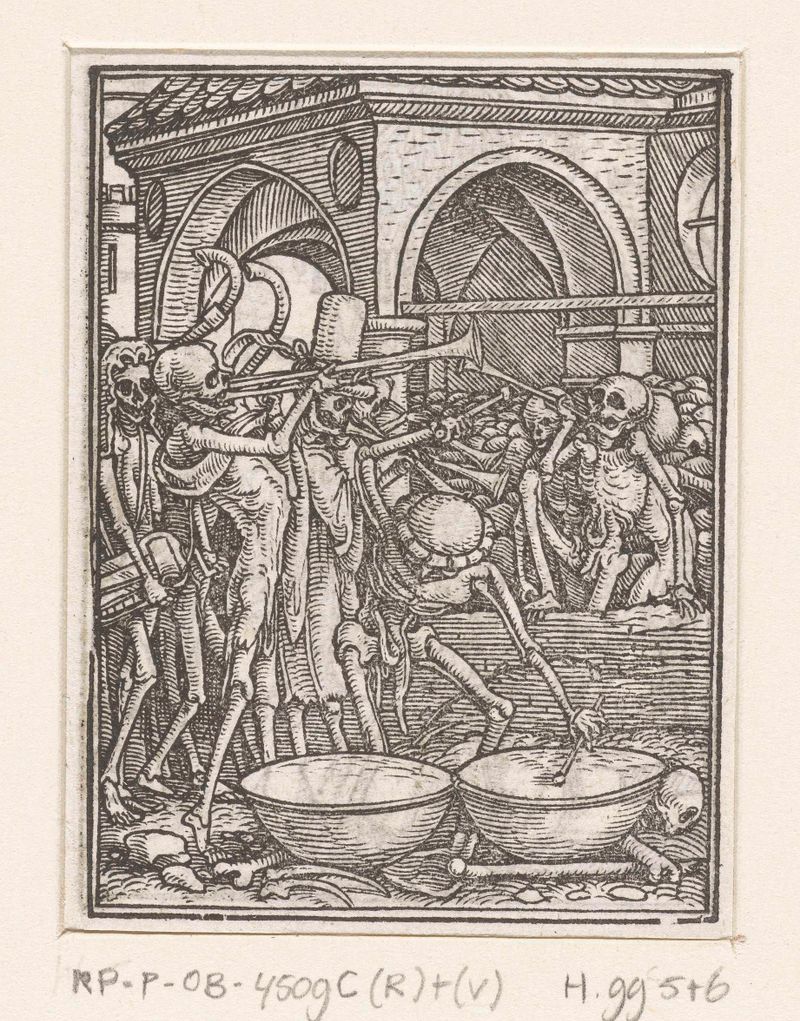
Skeletons Making Music from Dance of the Dead
Hans Holbein (II)
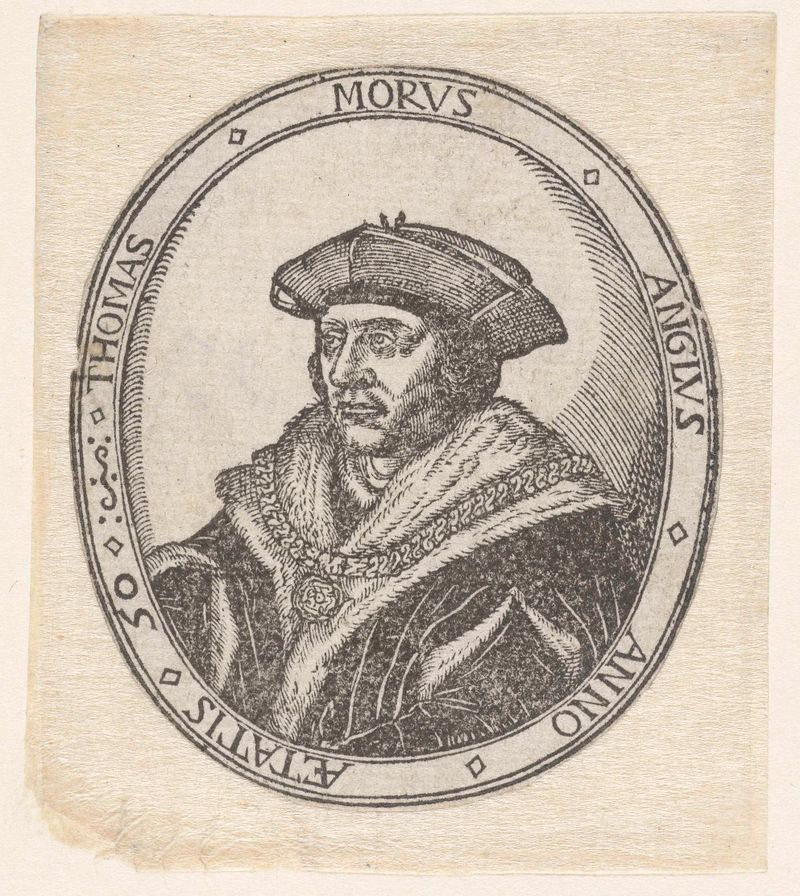
Portret van Thomas More
Hans Holbein (II)
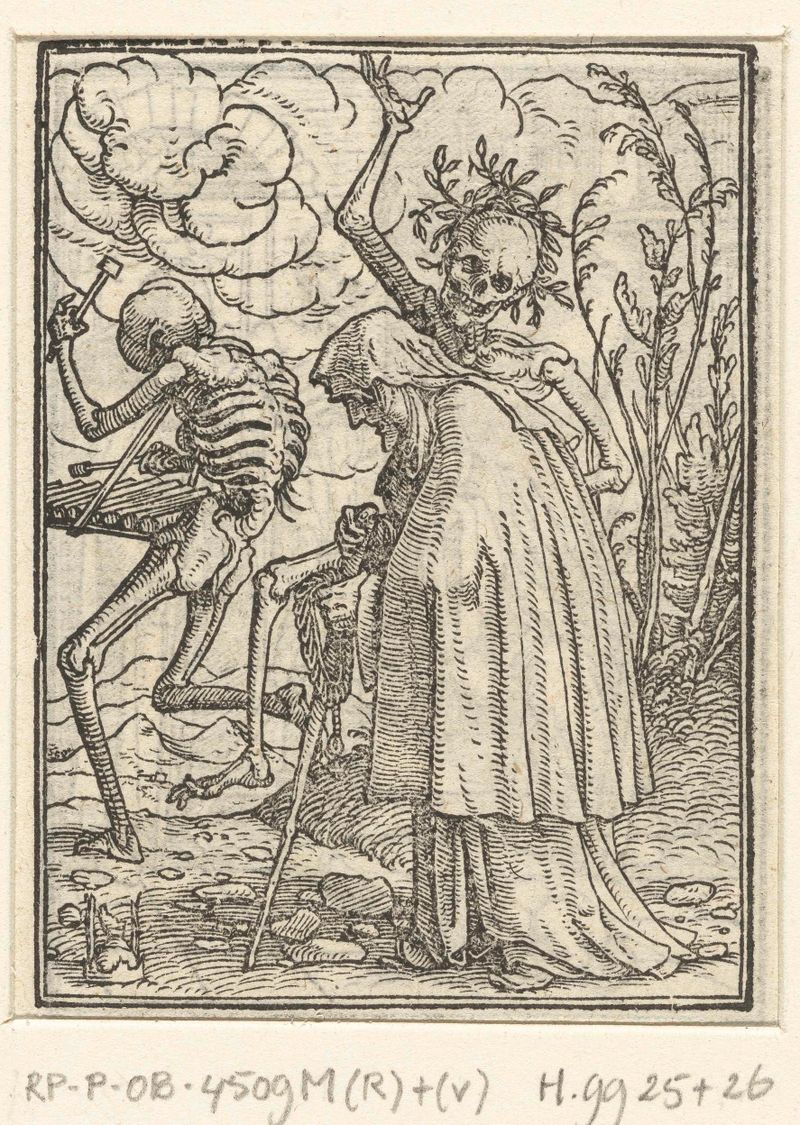
Oude vrouw en de Dood
Hans Holbein (II)
More Historical Art
Browse all →
The Night Watch Militia Company of District II under the Command of Captain Frans Banninck Cocq
Rembrandt van Rijn

Lincoln Memorial
Henry Bacon

The Third of May 1808
Francisco de Goya

Isaac and Rebecca, Known as ‘The Jewish Bride’
Rembrandt van Rijn

The Charge of the Mamelukes (1814)
Francisco de Goya

De vier ruiters van de apocalyps
Albrecht Dürer