
Joan of Arc at the Coronation of Charles VII — History & Facts
When Jean Auguste Dominique Ingres unveiled Joan of Arc at the Coronation of Charles VII in 1854, it was celebrated as the painter’s final great foray into history painting—a genre he had long dominated in France. The work was commissioned by the French state for the Musée du Luxembourg, reflecting the Second Empire’s fascination with national heroes and the rehabilitation of Joan’s image. Ingres, then in his seventies, poured decades of technical mastery into the canvas, producing a vision of Joan that stood apart from the sentimental or mystical depictions popular in his day. The painting captures the charged moment on July 17, 1429, when Joan of Arc, armored and resolute, stands in Reims Cathedral as Charles VII is crowned King of France.
Ingres places Joan at the altar, her gaze lifted heavenward, sword in hand, as if seeking divine confirmation of her mission fulfilled. The golden light bathes her armor and the white standard she holds, signifying purity and victory. Around her, clergy and courtiers recede into shadow, emphasizing Joan’s isolation and spiritual focus.
Unlike Eugène Lenepveu’s later, more theatrical renditions, Ingres’s Joan is stoic and dignified, her sanctity expressed through calm composure rather than ecstasy. After its debut, Joan of Arc at the Coronation of Charles VII remained in French public collections, moving from the Musée du Luxembourg to the Louvre, and now resides in the Musée d'Orsay. The painting marked a late-career statement from Ingres, who was better known for his portraits and mythological scenes but here reaffirmed his ability to animate national history. The work’s meticulous detail and idealized forms reflect Ingres’s lifelong devotion to line and clarity, hallmarks of the Neoclassical movement.
Today, it stands as both a tribute to France’s medieval heroine and a testament to Ingres’s enduring influence on 19th-century historical painting.
More Artworks by Jean Auguste Dominique Ingres
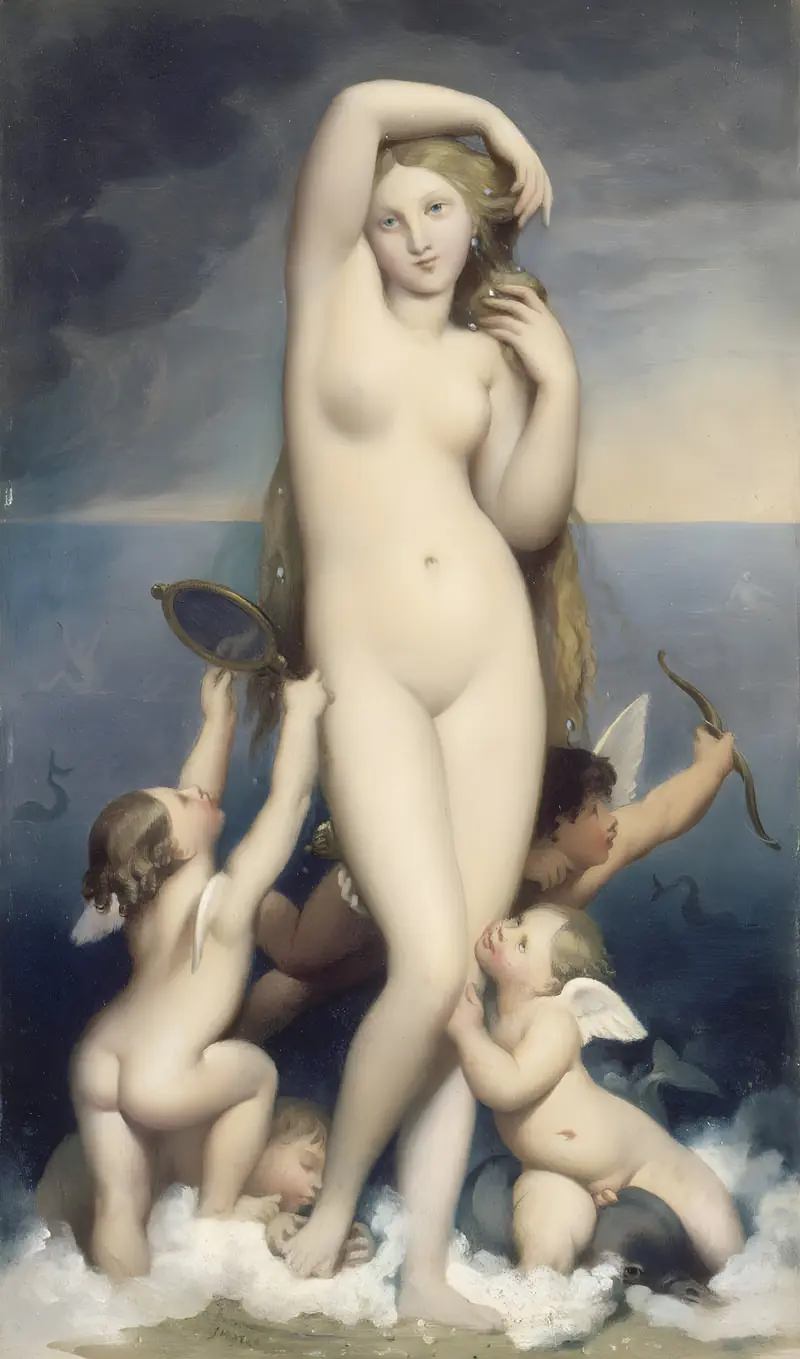
Vénus anadyomène
Jean Auguste Dominique Ingres
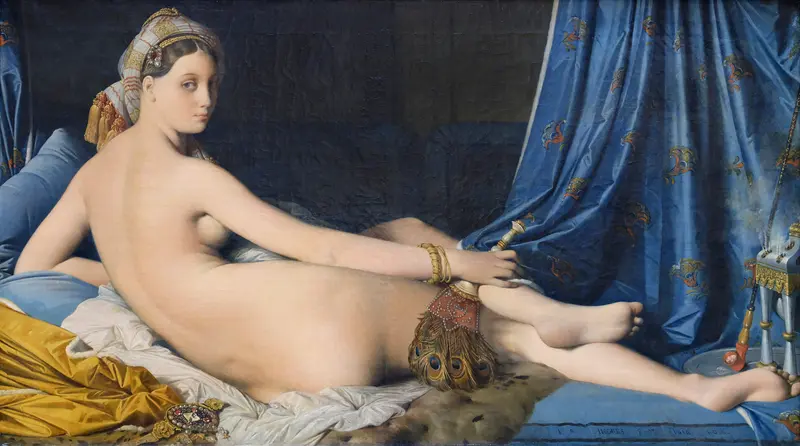
Grande Odalisque
Jean Auguste Dominique Ingres
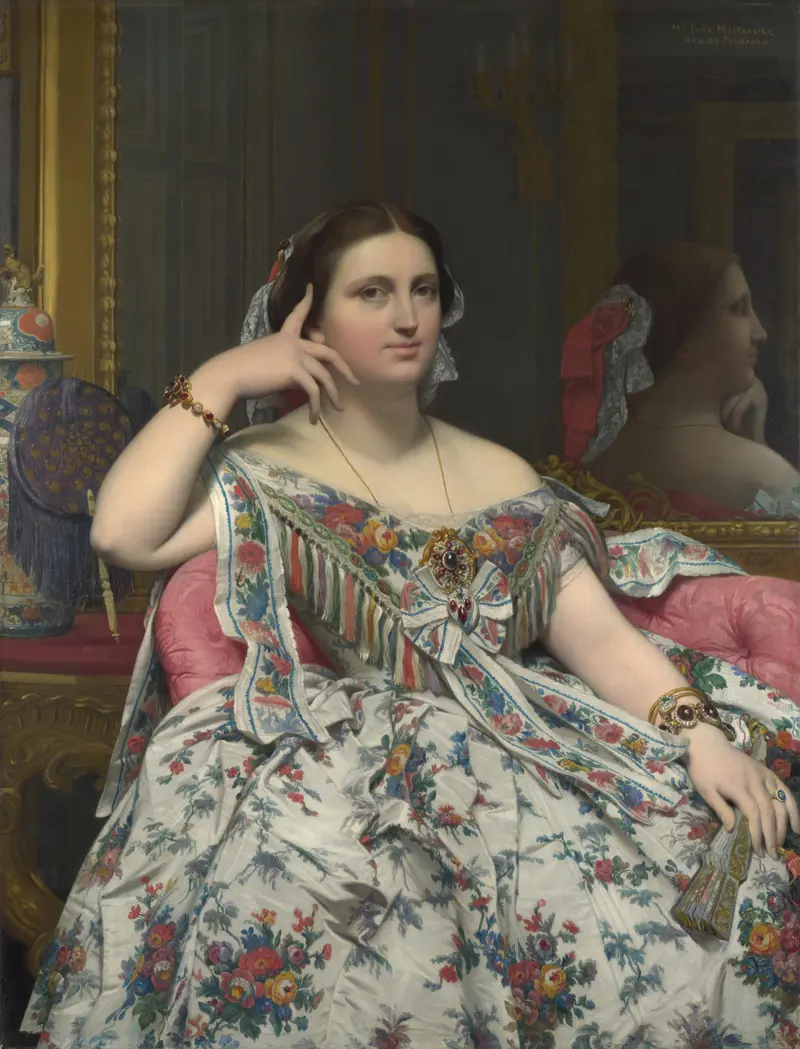
Madame Moitessier (seated)
Jean Auguste Dominique Ingres
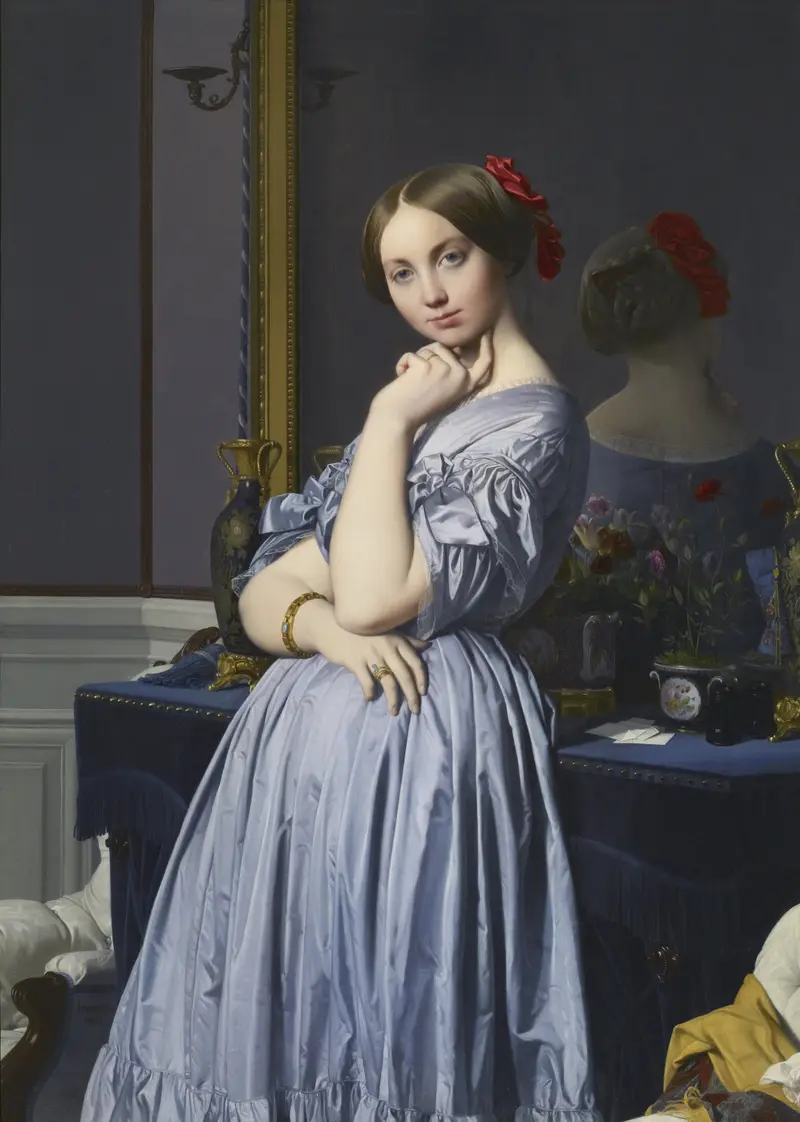
Portrait of Comtesse d’Haussonville
Jean Auguste Dominique Ingres
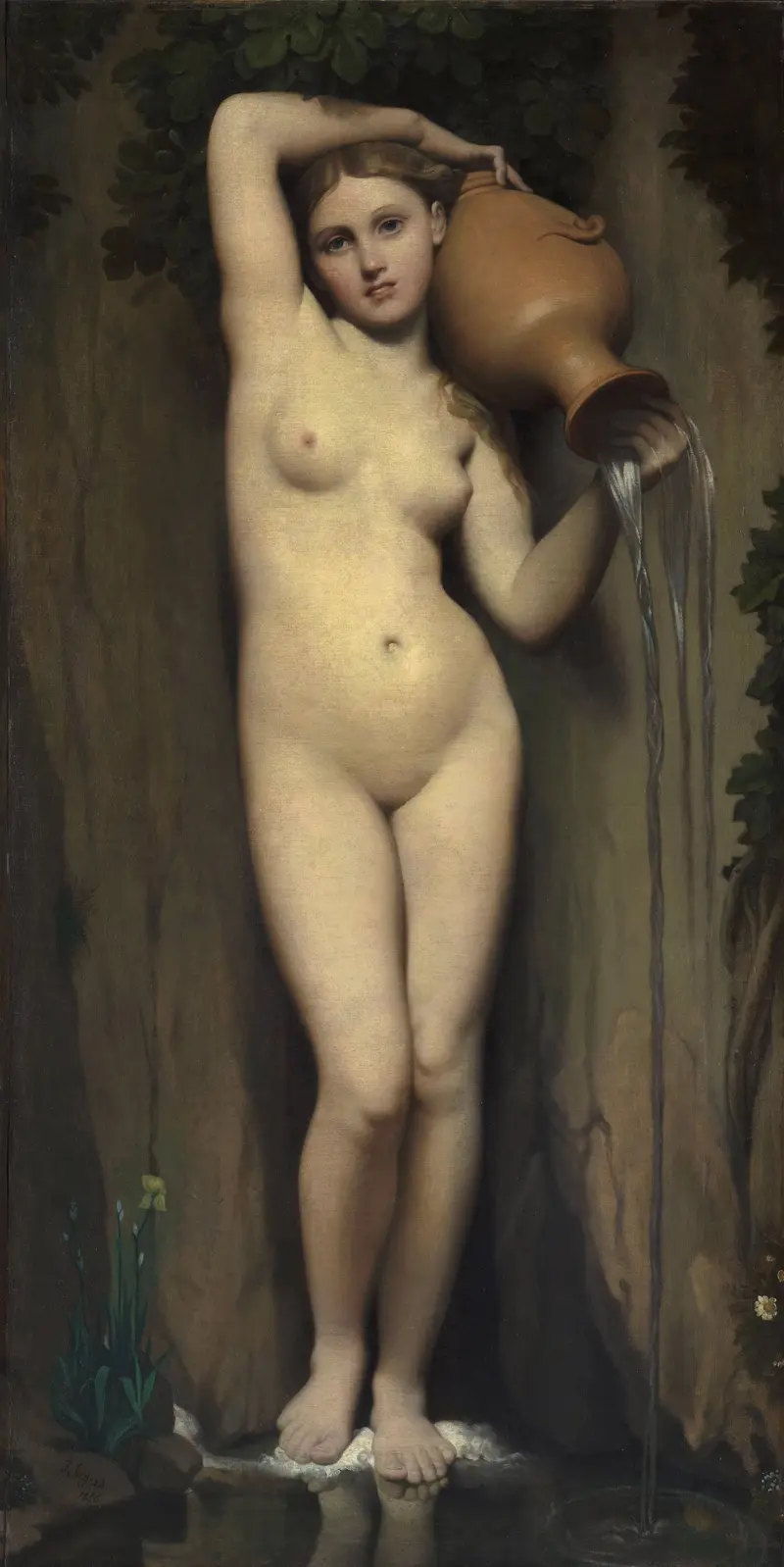
The Source
Jean Auguste Dominique Ingres
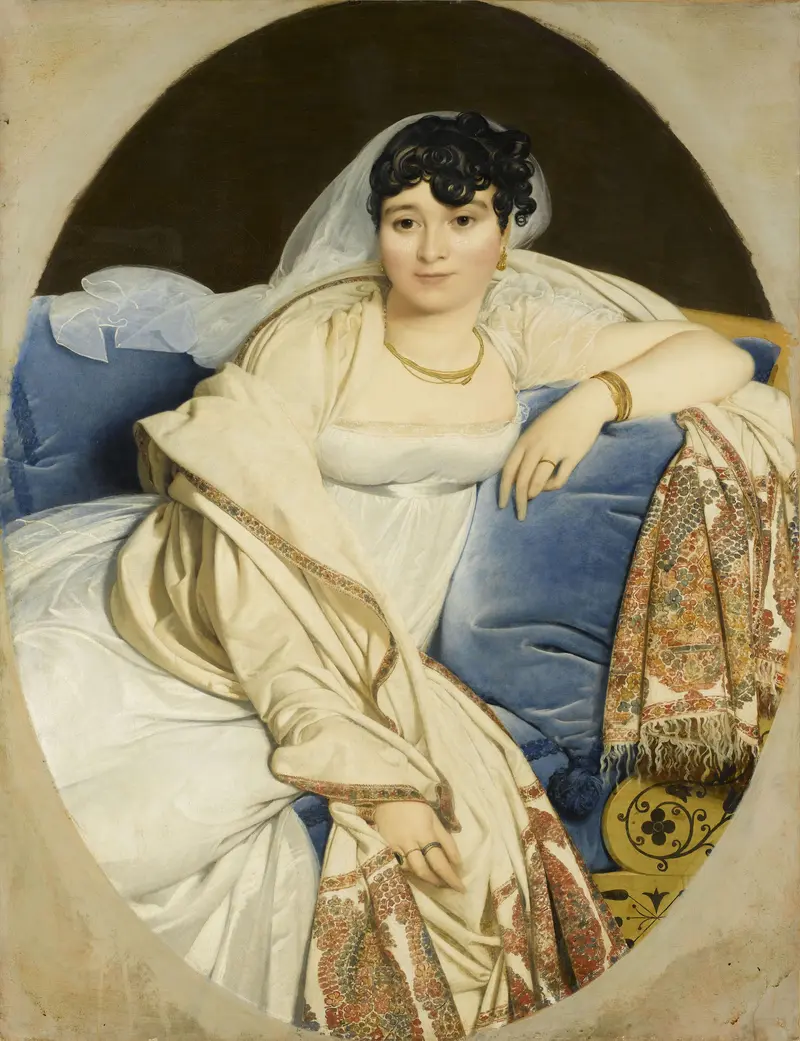
Madame Rivière
Jean Auguste Dominique Ingres

Madame Jean-Auguste-Dominique Ingres, née Madeleine Chapelle
Jean Auguste Dominique Ingres

Portrait of a Lady
Jean Auguste Dominique Ingres
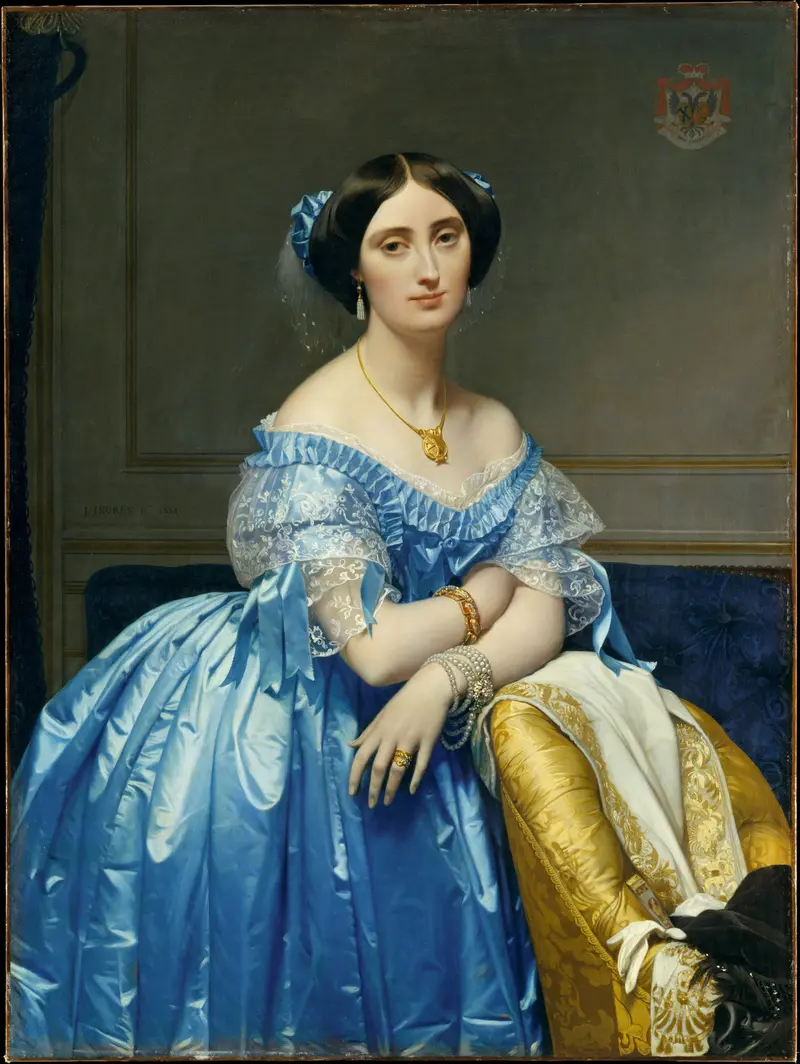
Joséphine-Éléonore-Marie-Pauline de Galard de Brassac de Béarn (1825–1860), Princesse de Broglie
Jean Auguste Dominique Ingres
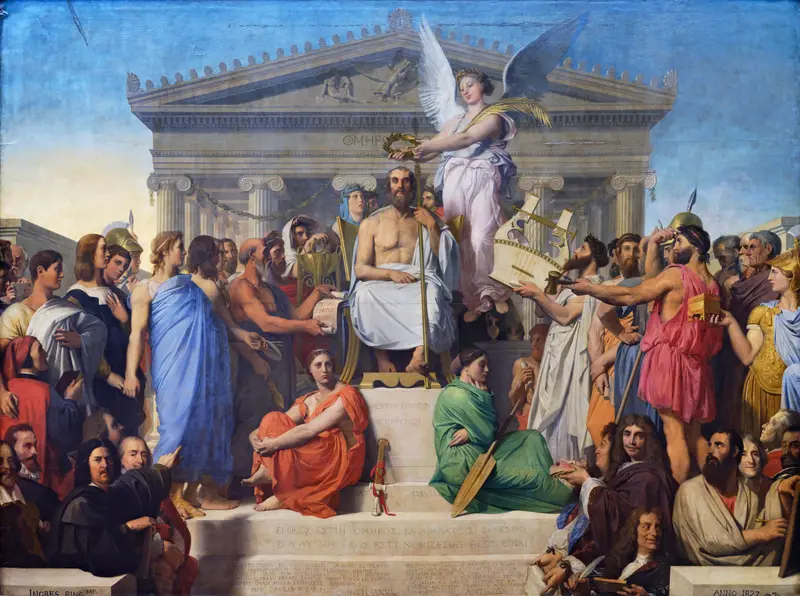
The Apotheosis of Homer
Jean Auguste Dominique Ingres





