
Joseph's Tunic — History & Facts
In the year 1630, Diego Velázquez painted Joseph's Tunic while in Rome, a city that profoundly shaped his vision and technique. This work stands as one of only a handful of large biblical canvases he produced outside Spain, and it was likely commissioned for the Spanish ambassador to the Holy See. Its creation marks a turning point: Velázquez was absorbing the lessons of Italian masters, especially Caravaggio, and experimenting with dramatic light and emotional intensity.
The painting’s subject—a moment of familial betrayal—resonated with the political intrigues and uncertainties of Velázquez’s own world. At the heart of Joseph's Tunic is the wrenching episode from the Book of Genesis: Joseph’s brothers, driven by jealousy, present their father Jacob with Joseph’s bloodied coat, leading him to believe his beloved son has been killed. Velázquez captures the instant when Jacob, devastated, clutches the tunic, his grief illuminated by a shaft of light that isolates him from the group. The brothers’ varied expressions—some feigning sorrow, others unable to meet their father’s gaze—reveal the complexity of guilt and deception.
The stark contrast of light and shadow, reminiscent of Caravaggio’s The Supper at Emmaus, heightens the emotional charge and draws the viewer’s eye directly to Jacob’s anguish and the symbolic garment. The precise early history of Joseph's Tunic is uncertain, but it is generally accepted that the painting was brought back to Spain after Velázquez’s Italian sojourn. Over the centuries, it has been admired for its psychological depth and technical skill, and today it is housed in the Museo del Prado, where it stands as a testament to Velázquez’s engagement with Italian art and biblical narrative. The painting represents a rare excursion into Old Testament subject matter for Velázquez, who would become best known for his portraits and scenes of the Spanish court.
Its survival and continued prominence reflect both the enduring power of its story and its pivotal place in the artist’s development.
More Artworks by Diego Velázquez

Las Meninas
Diego Velázquez
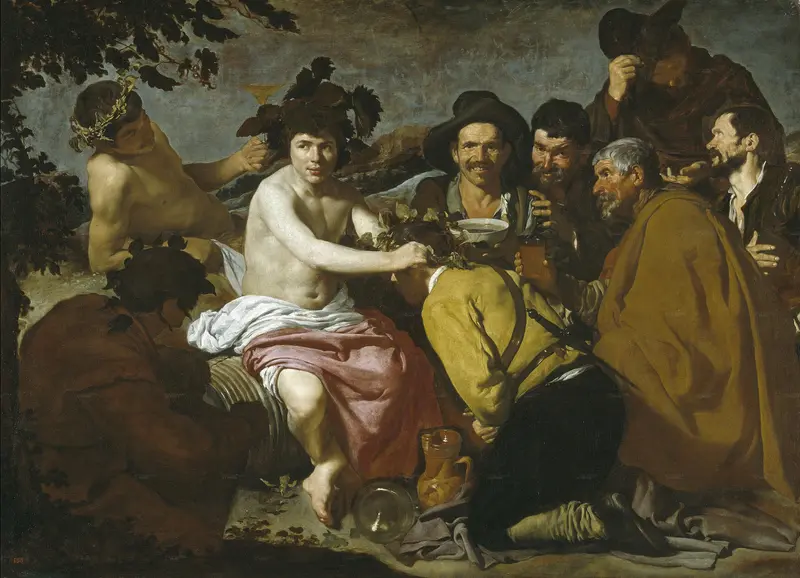
The Triumph of Bacchus
Diego Velázquez
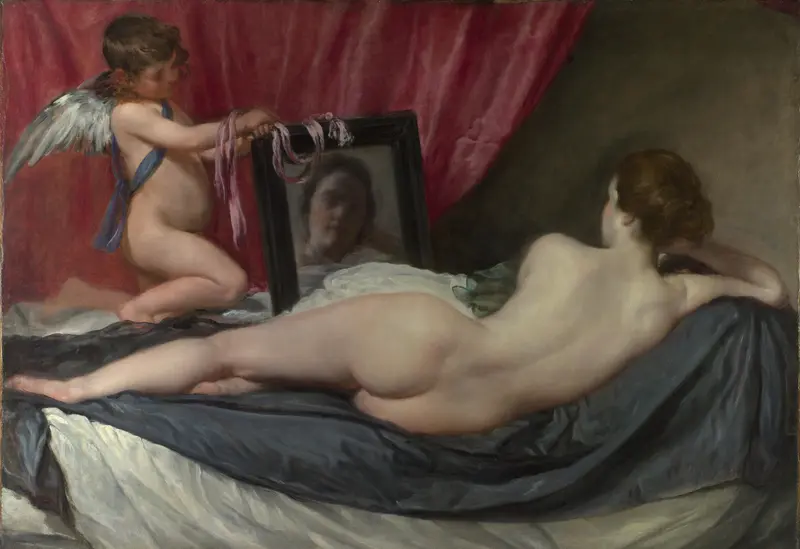
Rokeby Venus
Diego Velázquez
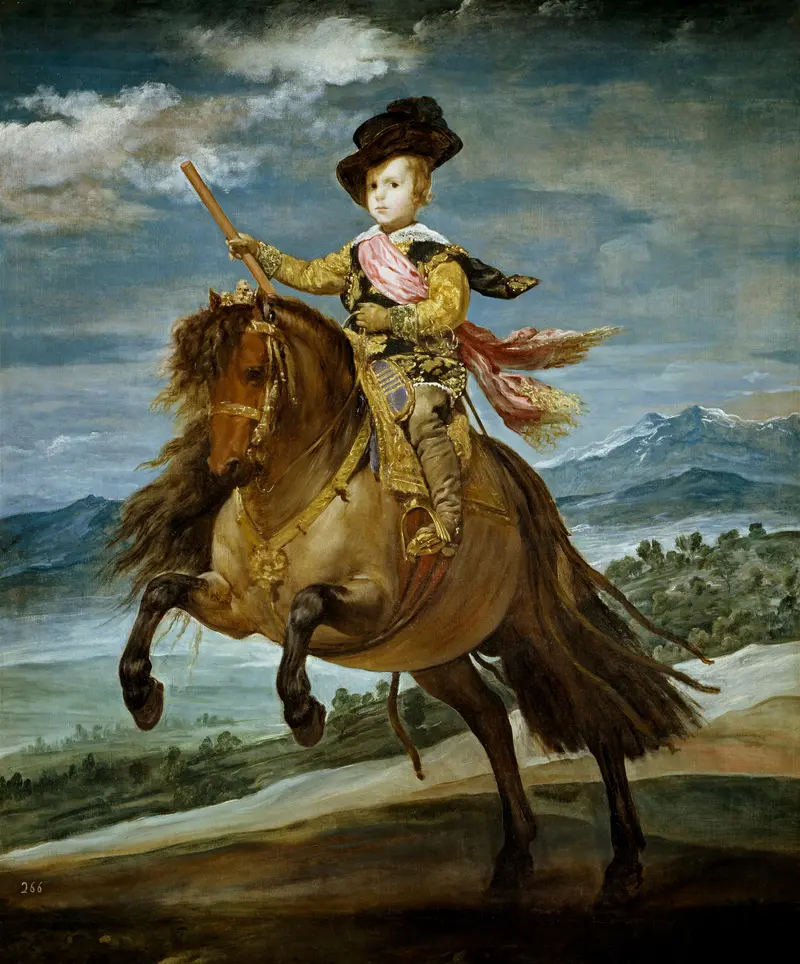
Equestrian Portrait of Prince Balthasar Charles
Diego Velázquez
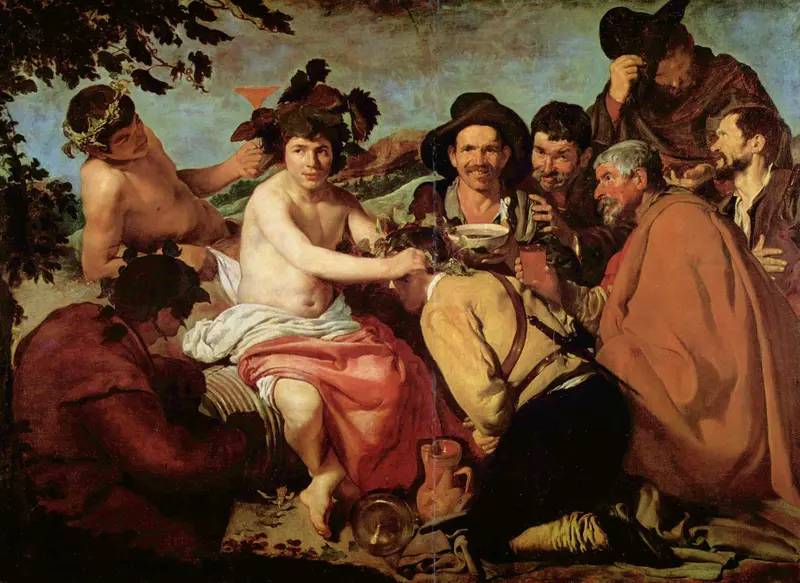
Bacchus
Diego Velázquez
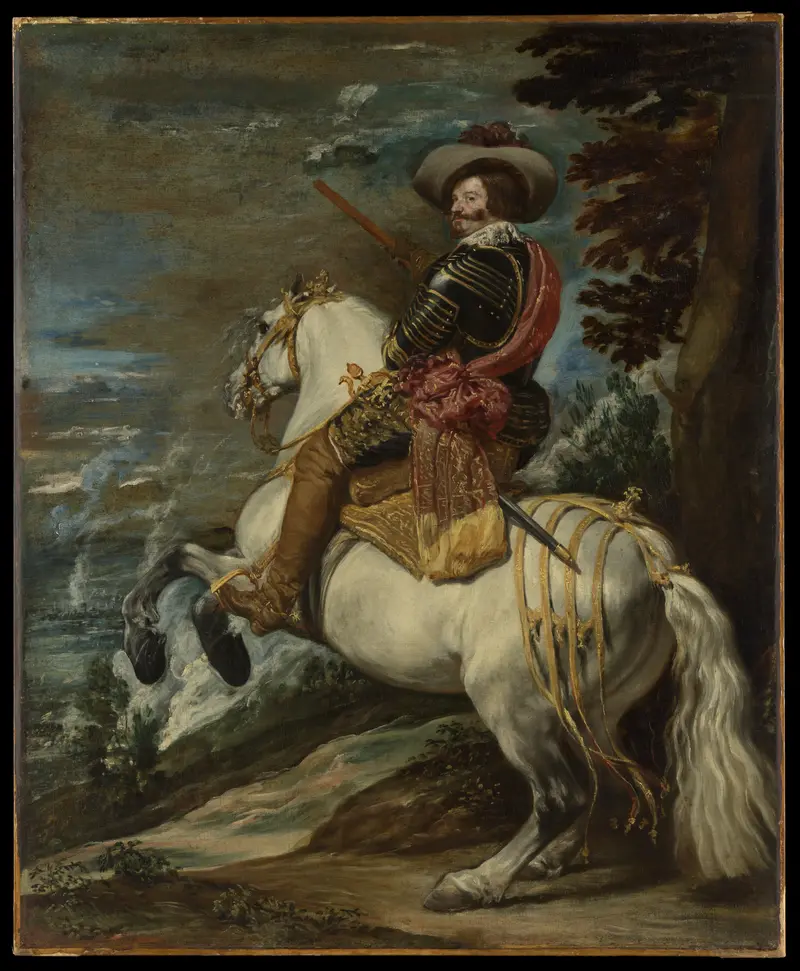
Don Gaspar de Guzmán (1587–1645), Count-Duke of Olivares
Diego Velázquez
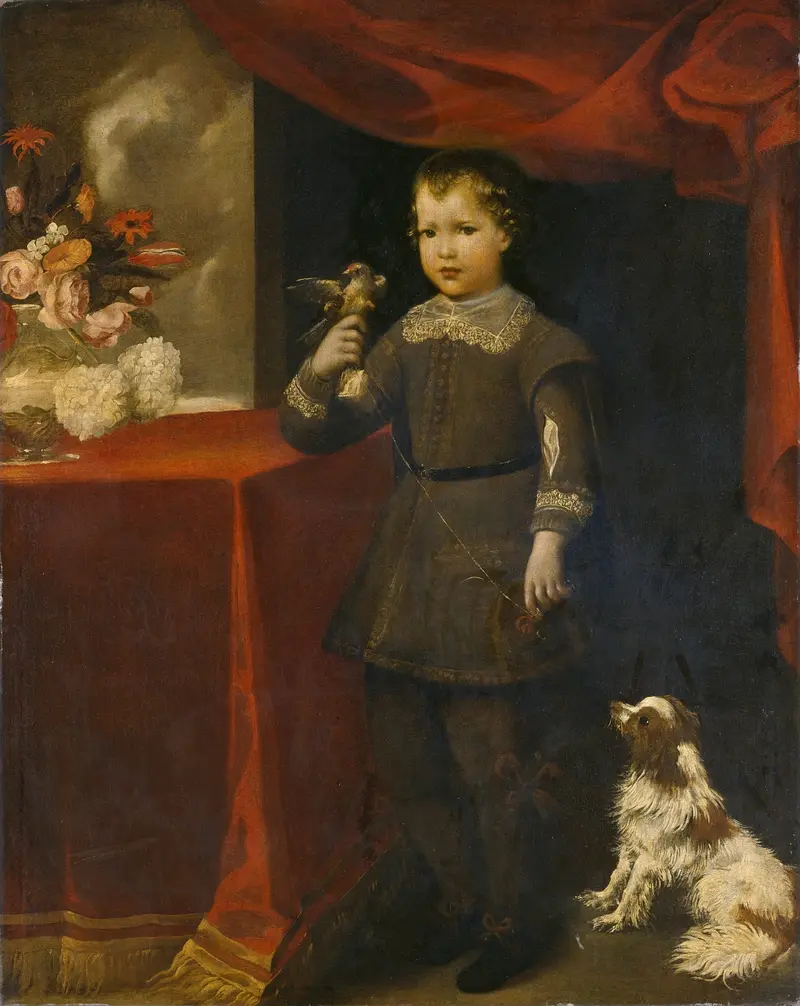
El príncipe Baltasar Carlos de Austria
Diego Velázquez
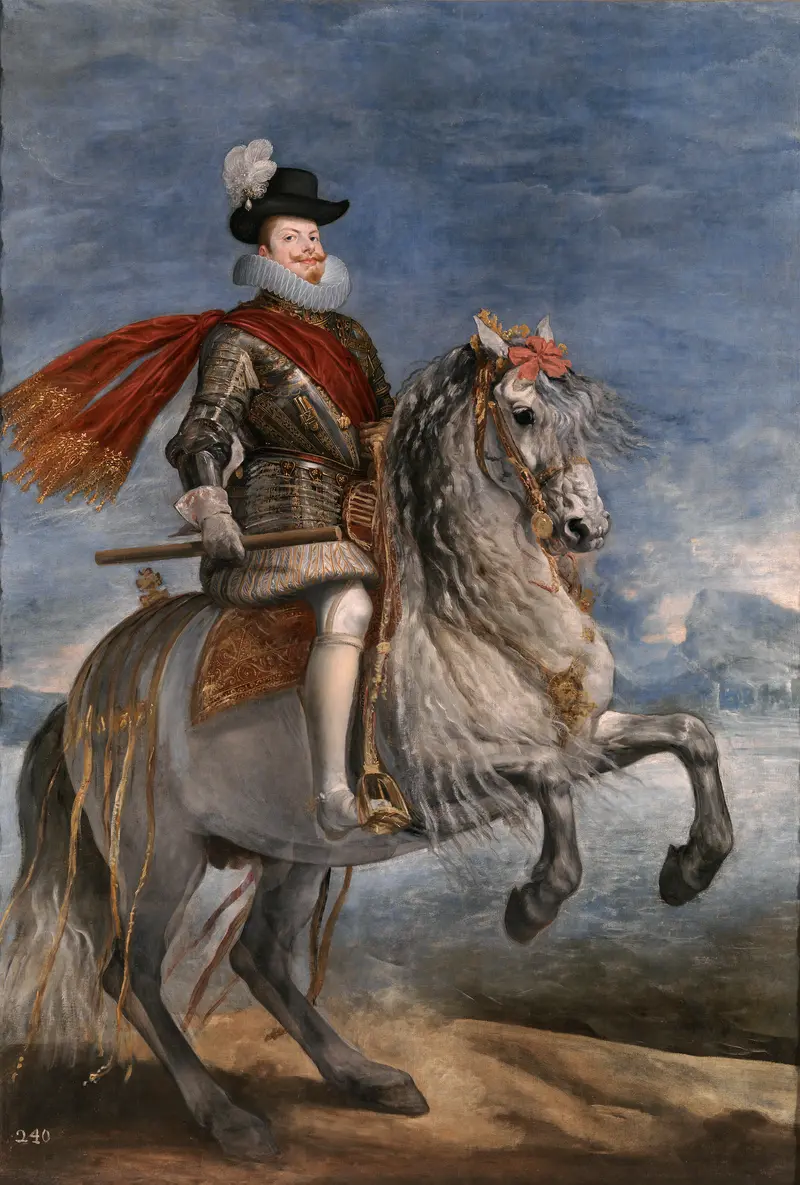
Equestrian Portrait of Philip III
Diego Velázquez
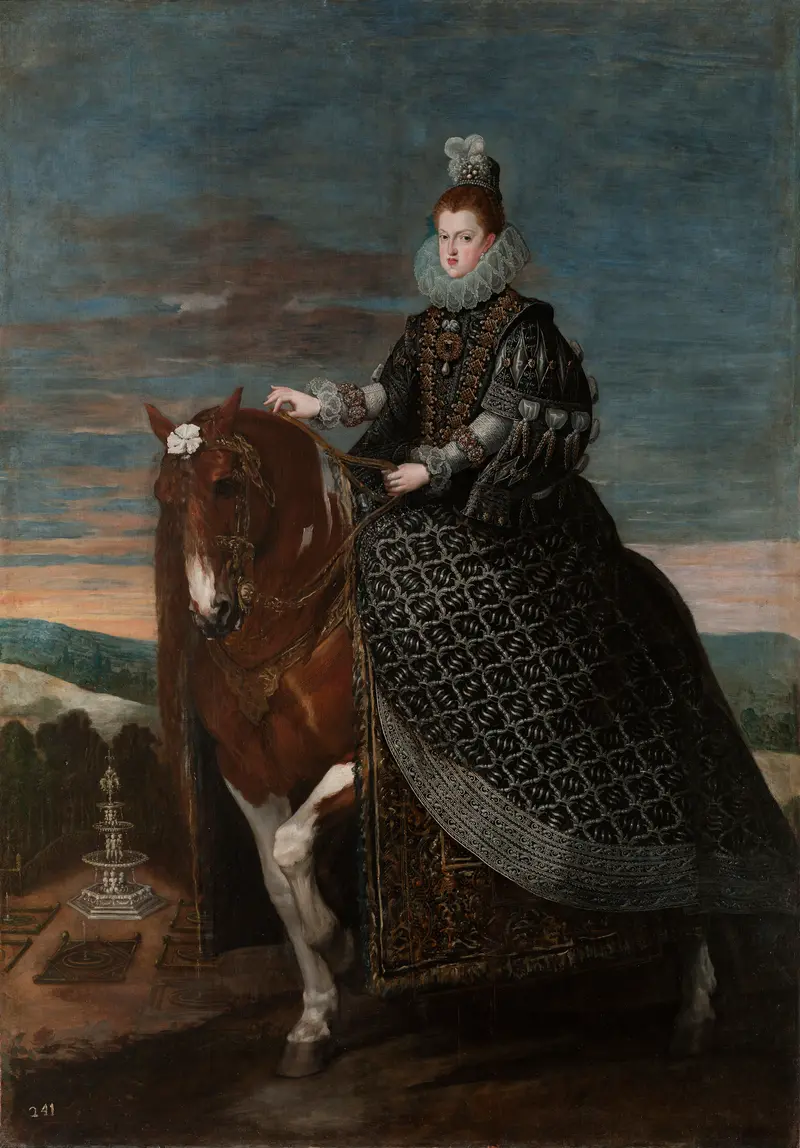
Equestrian Portrait of Margarita of Austria
Diego Velázquez
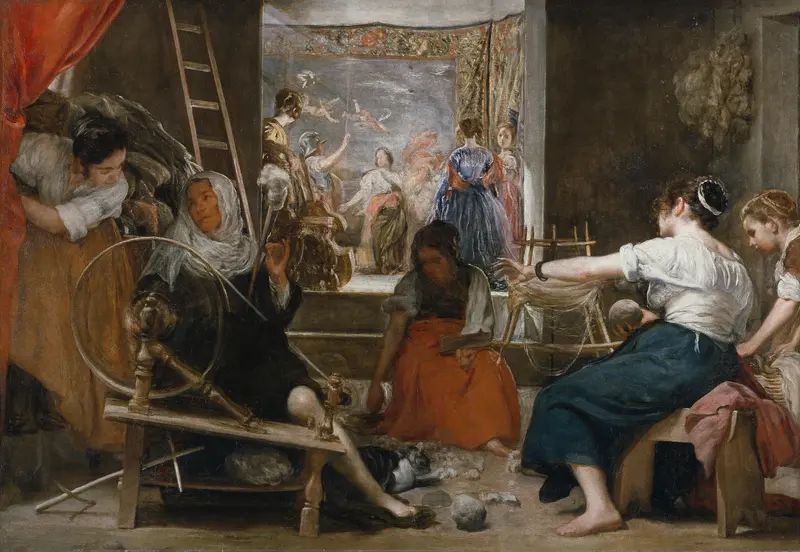
Las Hilanderas
Diego Velázquez





