
Jozua als legeraanvoerder van Israëlieten met lichamen van de verslagen koningen — History & Facts
This thought resonates as we confront the stark juxtaposition of triumph and tragedy in the realm of art. A moment captured in time reveals the profound melancholy lurking beneath the surface of victory. Look to the center of the composition, where Jozua stands bold and resolute, his armor glinting under a dim light that seems to echo the weight of his burden. The lifeless bodies of defeated kings lie at his feet, their forms rendered with meticulous detail that invites both awe and discomfort.
Notice how the muted color palette enhances the somber atmosphere, with ochres and deep browns evoking a sense of decay amidst the remnants of glory. Delve deeper into the scene, where the artist subtly intertwines themes of conquest and loss. The expressions of the defeated kings, frozen in an eternal struggle, invoke a grief that contrasts sharply with Jozua's martial poise. This tension speaks to the cost of victory, suggesting that every triumph is shadowed by the sacrifices made.
The scattered weaponry around them serves as a reminder of the chaotic violence that accompanies battle, further intensifying the emotional gravity of the moment. In 1538, Holbein was at a pivotal point in his career in England, entrenched in the court of King Henry VIII. This period was marked by political turbulence and shifting allegiances, themes that resonate with the subject of conquest depicted here. The artist’s meticulous attention to detail reflects both his mastery of technique and his engagement with the complexities of human experience during an era rife with turmoil and transformation.
More Artworks by Hans Holbein (II)
Browse all →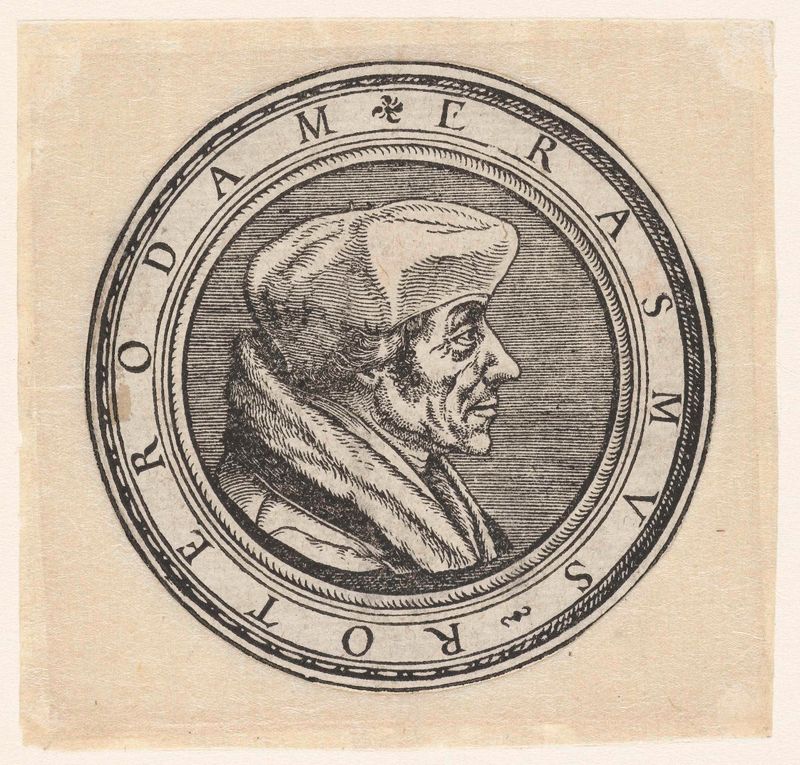
Portret van Erasmus
Hans Holbein (II)
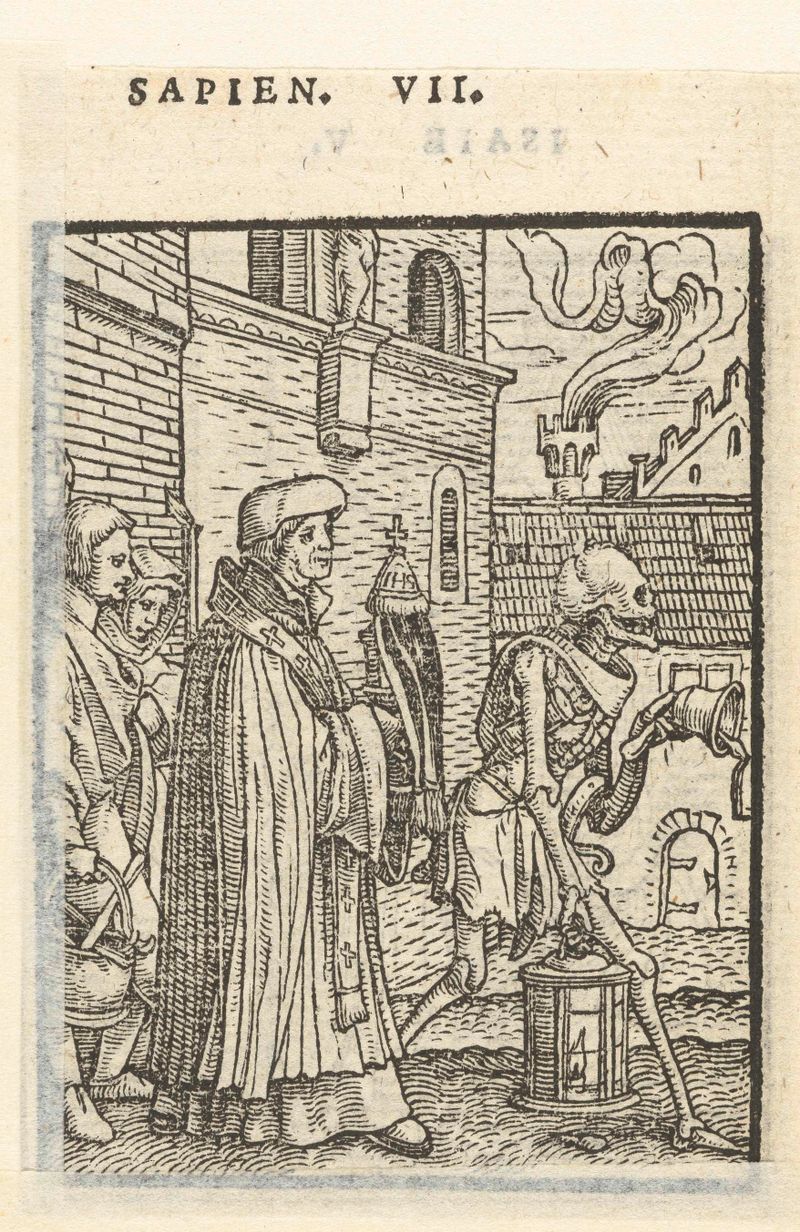
Priester en de Dood
Hans Holbein (II)
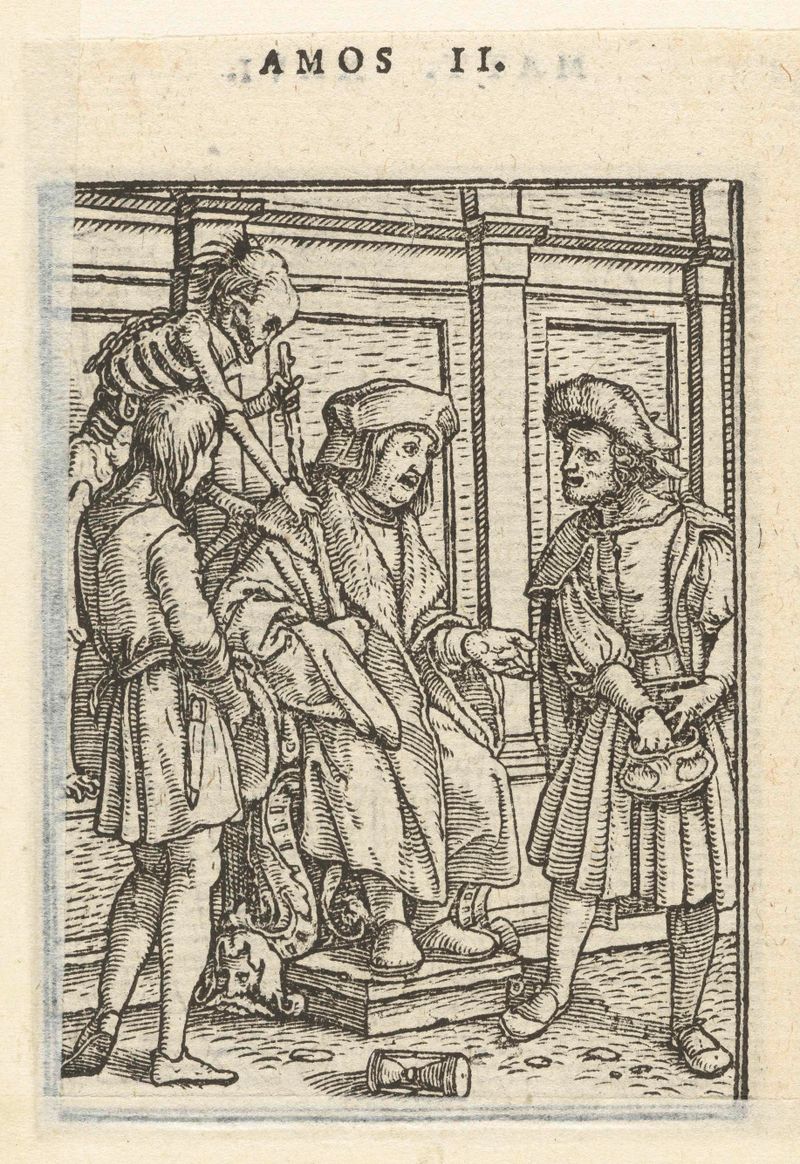
Rechter en de Dood
Hans Holbein (II)
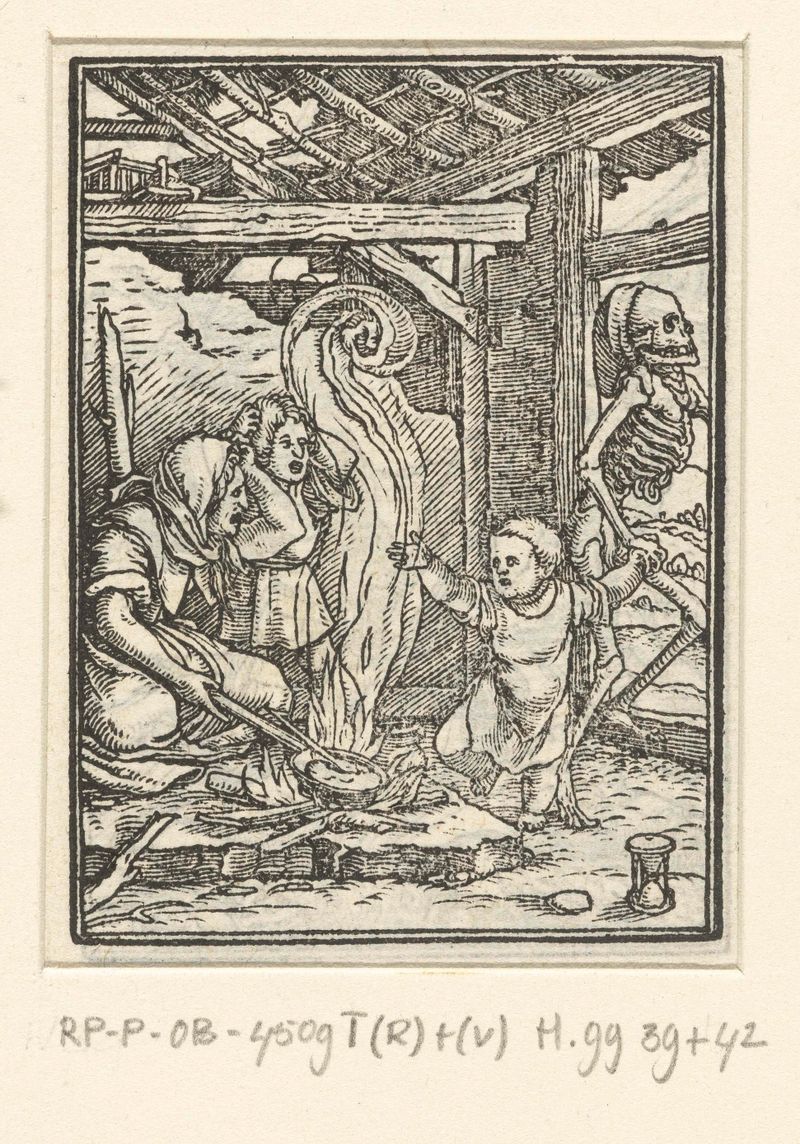
Kind en de Dood
Hans Holbein (II)
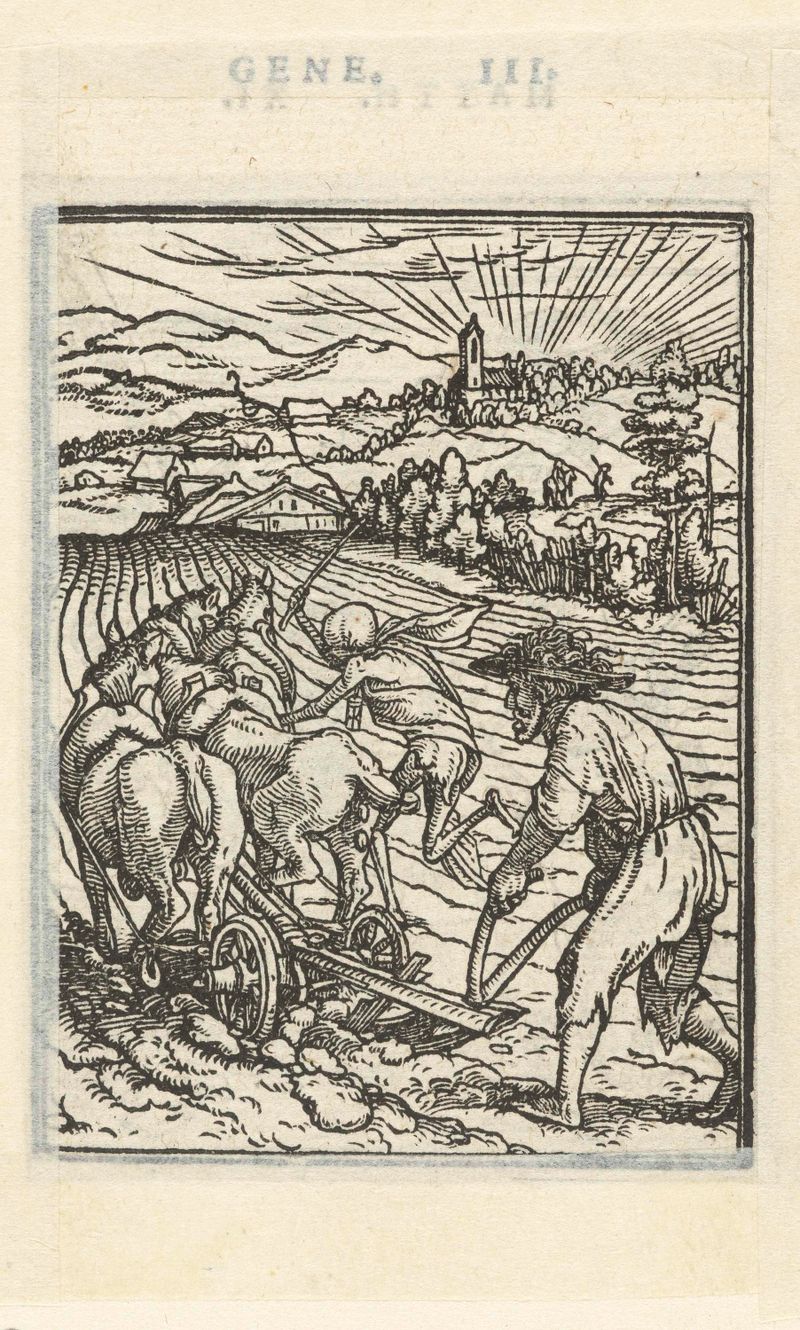
Boer en de Dood
Hans Holbein (II)
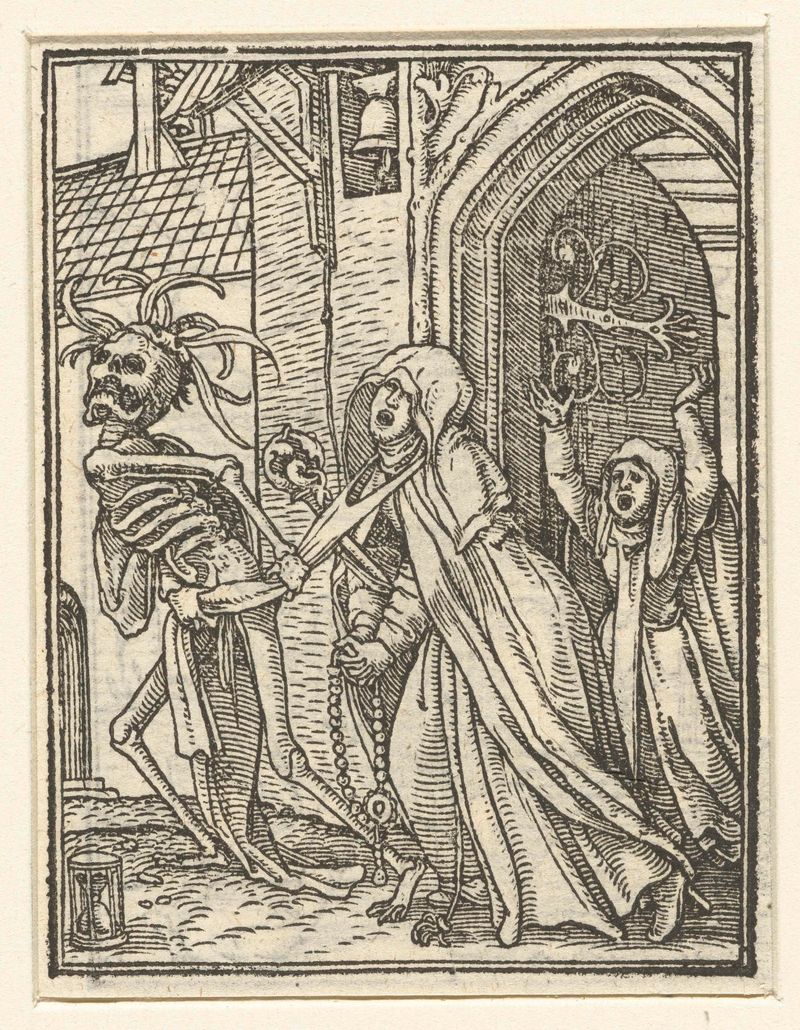
Abdis en de Dood
Hans Holbein (II)
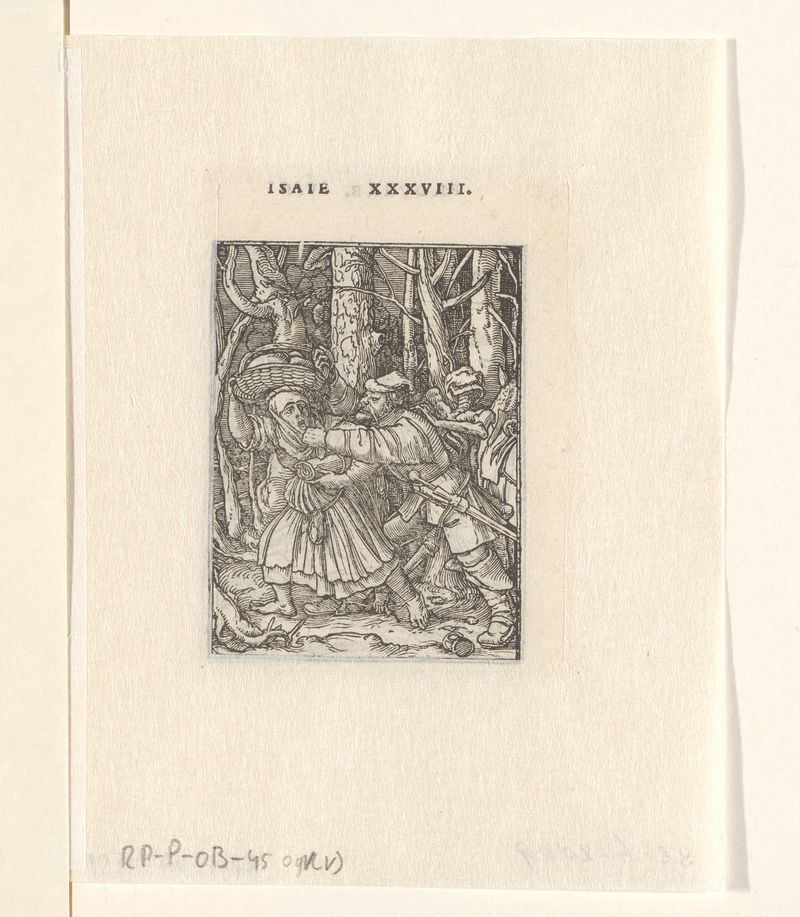
Dief en de Dood
Hans Holbein (II)
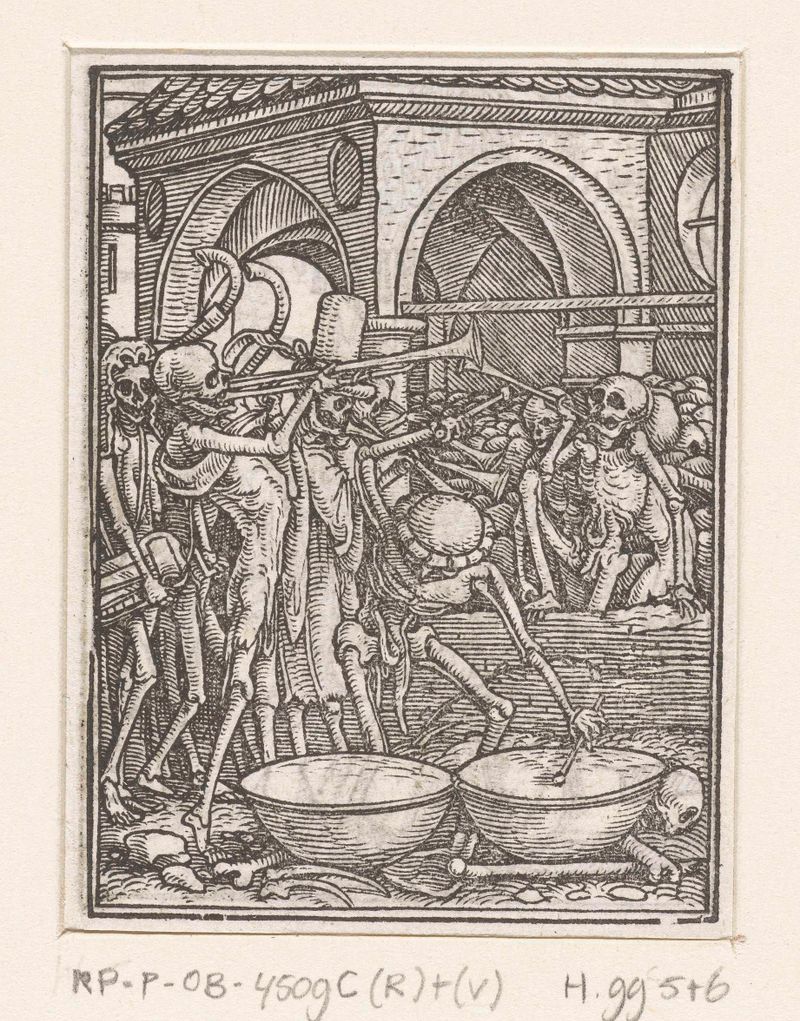
Skeletons Making Music from Dance of the Dead
Hans Holbein (II)
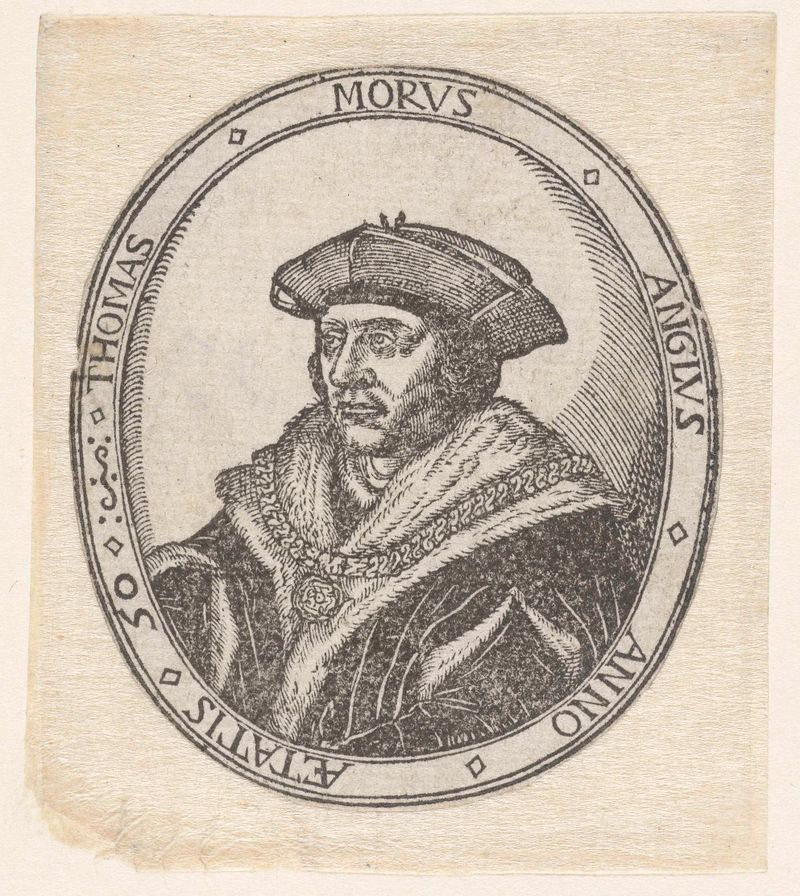
Portret van Thomas More
Hans Holbein (II)
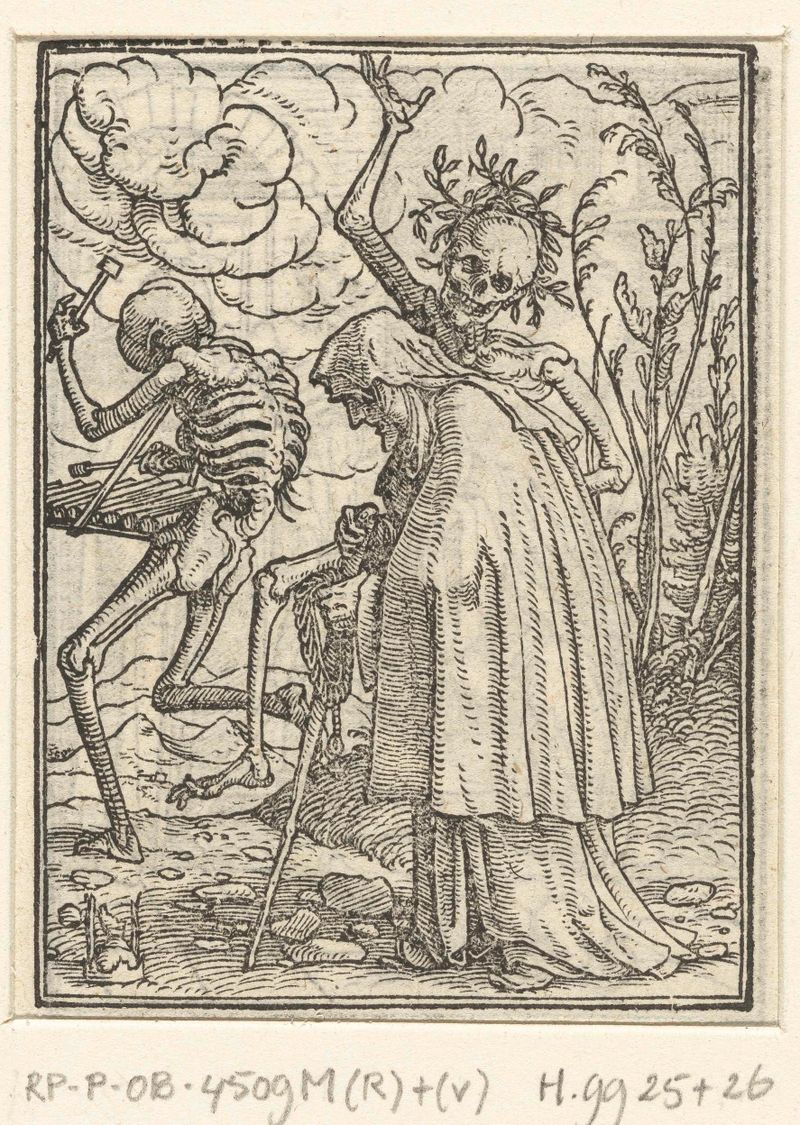
Oude vrouw en de Dood
Hans Holbein (II)
More Historical Art
Browse all →
The Night Watch Militia Company of District II under the Command of Captain Frans Banninck Cocq
Rembrandt van Rijn

Lincoln Memorial
Henry Bacon

The Third of May 1808
Francisco de Goya

Isaac and Rebecca, Known as ‘The Jewish Bride’
Rembrandt van Rijn

The Charge of the Mamelukes (1814)
Francisco de Goya

De vier ruiters van de apocalyps
Albrecht Dürer