
Judit en haar dienstmaagd gaan op weg naar Holofernes — History & Facts
Could beauty survive in a century of chaos? In Hans Holbein’s Judit en haar dienstmaagd gaan op weg naar Holofernes, the tension between grace and impending violence captures a moment that straddles both history and myth. The painting serves as a reminder of the fragility of life and the potent force of feminine agency amid turmoil, a reflection that speaks to the heart of its era. Look to the left, where Judith, poised and elegant, leads her servant with the certainty of purpose. The rich textures of their garments draw your eye, revealing a palette of deep reds and muted earth tones that contrast sharply with the ominous darkness in the background.
Notice how the light gently caresses Judith’s face, illuminating her determination while casting shadows that hint at the danger lurking ahead. The delicate balance of composition invites the viewer to feel the weight of the moment, as they both embark on a harrowing journey. Within this intimate frame lies a profound commentary on strength and vulnerability. The juxtaposition of Judith’s serene expression against the tension in her servant’s gaze evokes an emotional dichotomy—one woman emboldened by her mission, the other caught in the turbulence of fate.
The lavish detail of their attire mirrors the complexities of their roles in society; Judith embodies the duality of beauty as both weapon and shield. This tension serves as a microcosm of a world on the brink of upheaval, where the act of rebellion emerges in the quietest of moments. Holbein painted this work in 1538, during a time of significant change in Europe, with the Protestant Reformation challenging established norms and igniting societal upheaval. Living in Basel, he was deeply engaged with the artistic currents of the period, blending realism with moral narrative.
This painting is a testament to the artist's ability to capture not just the external struggles of his time, but the internal conflicts faced by individuals navigating a world fraught with uncertainty.
More Artworks by Hans Holbein (II)
Browse all →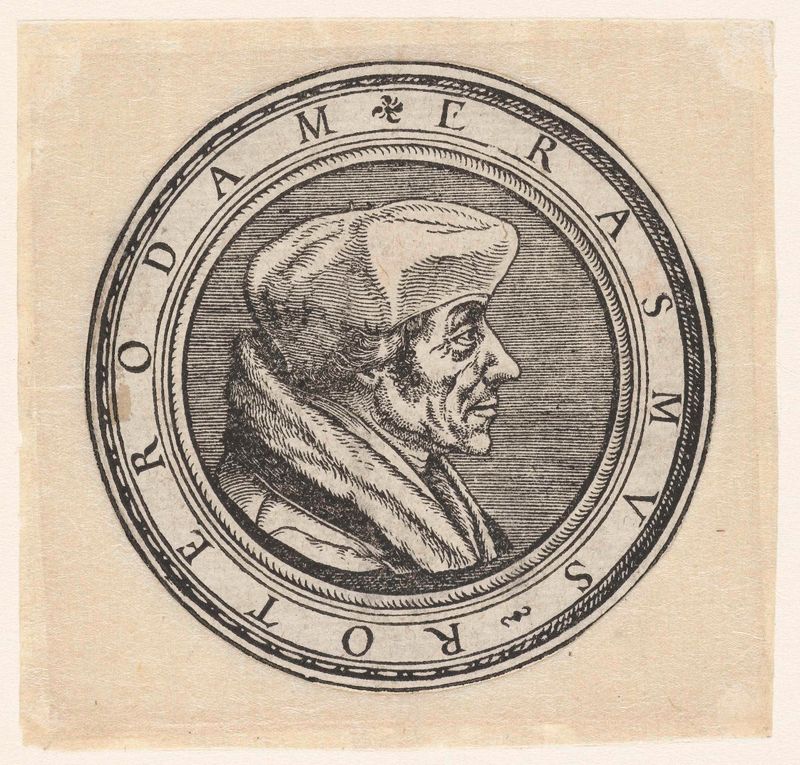
Portret van Erasmus
Hans Holbein (II)
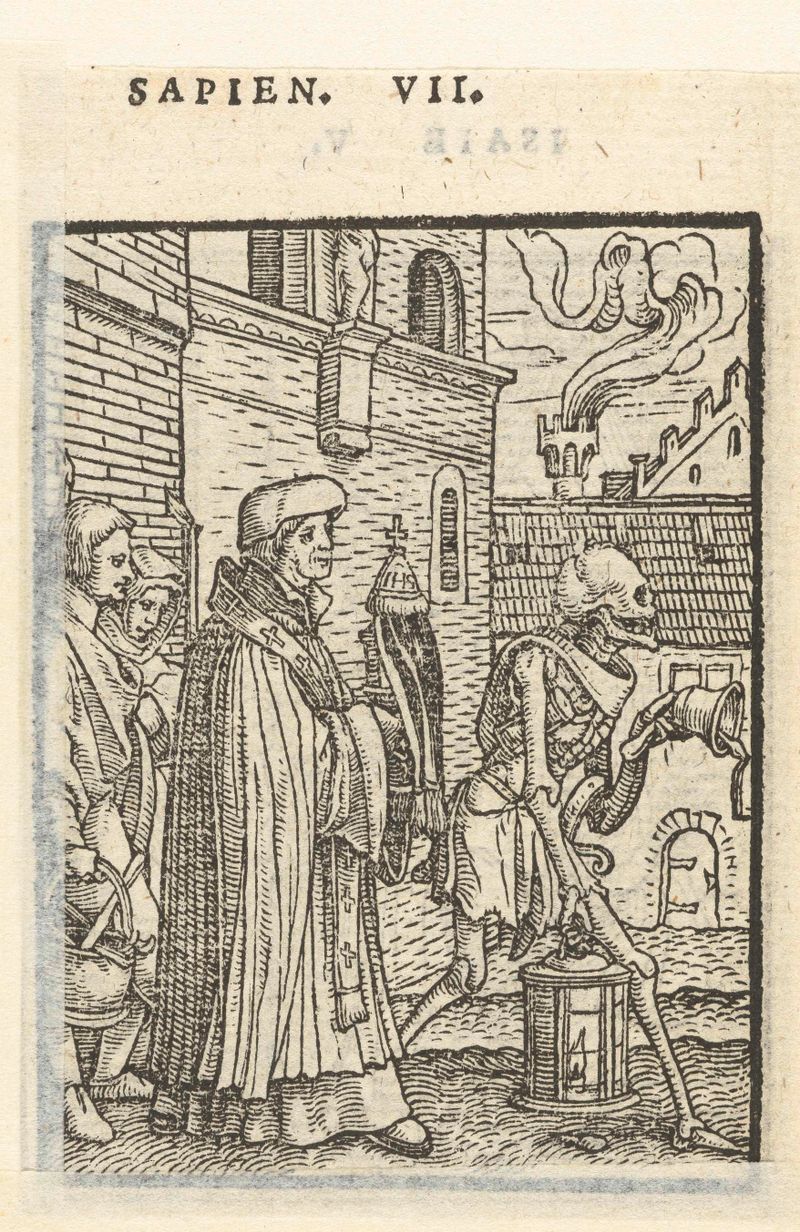
Priester en de Dood
Hans Holbein (II)
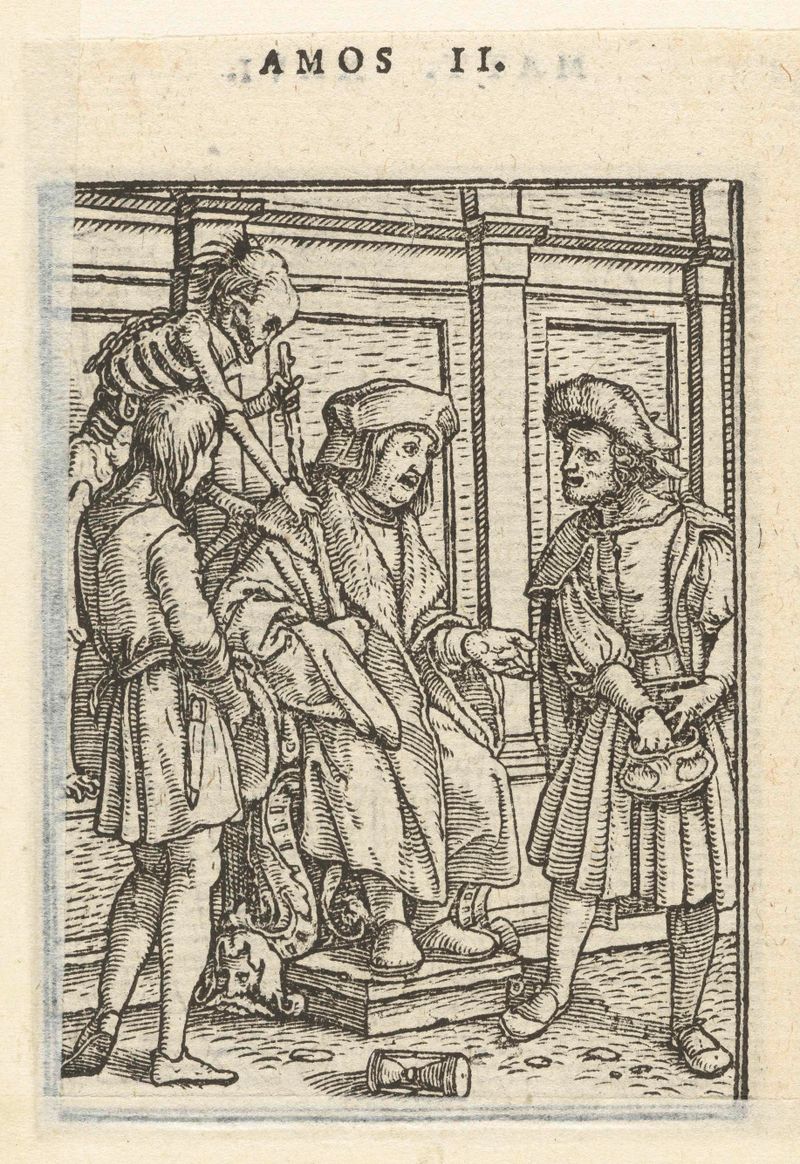
Rechter en de Dood
Hans Holbein (II)
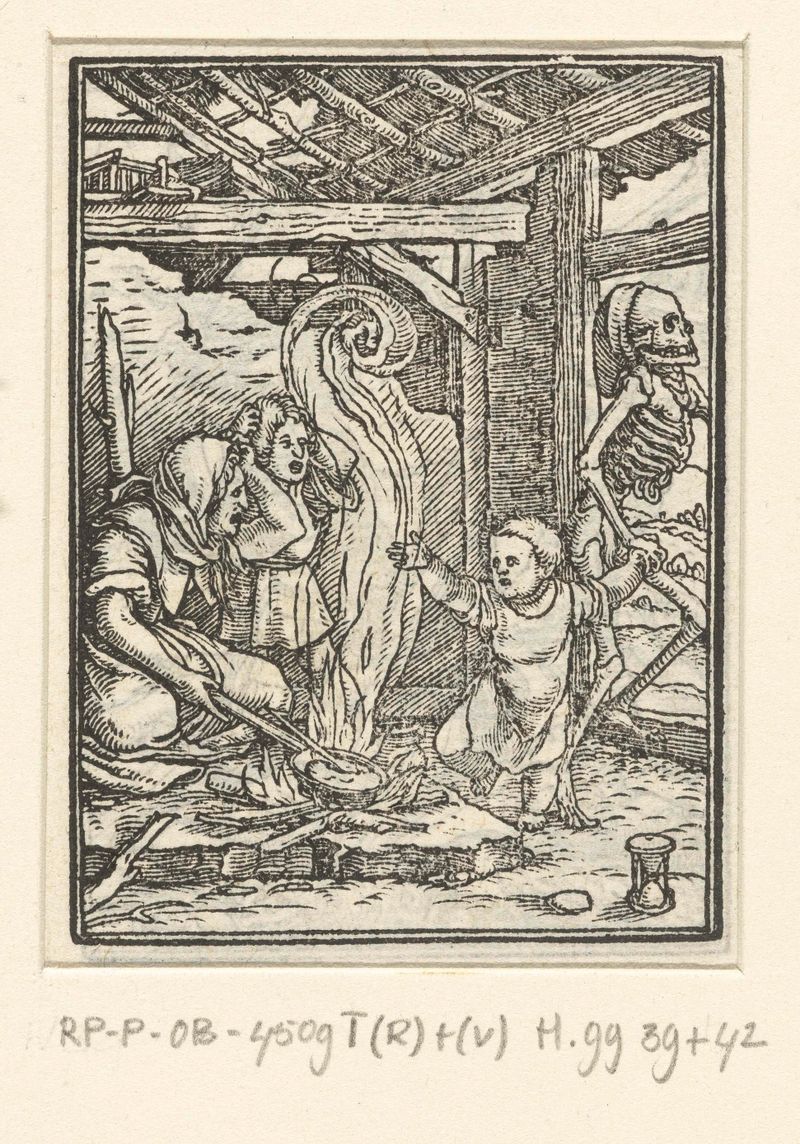
Kind en de Dood
Hans Holbein (II)
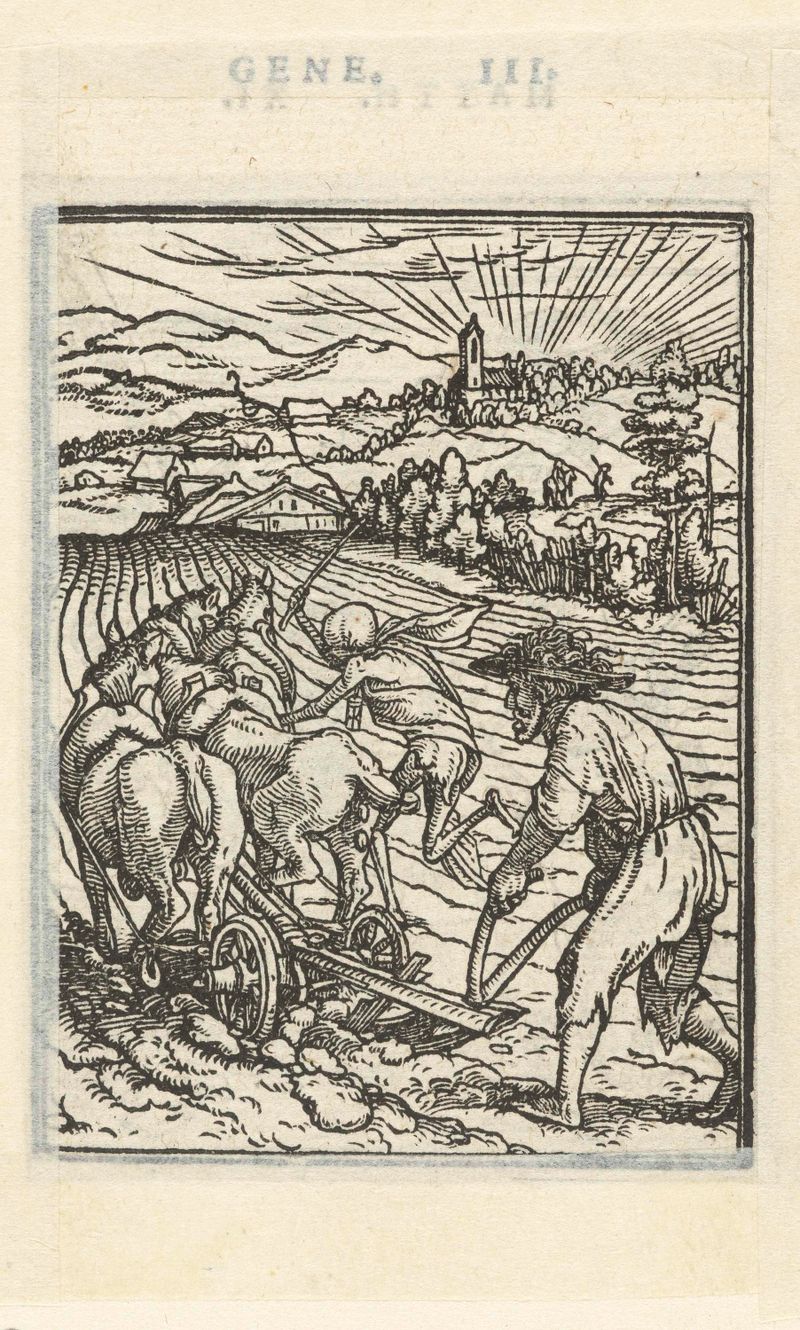
Boer en de Dood
Hans Holbein (II)
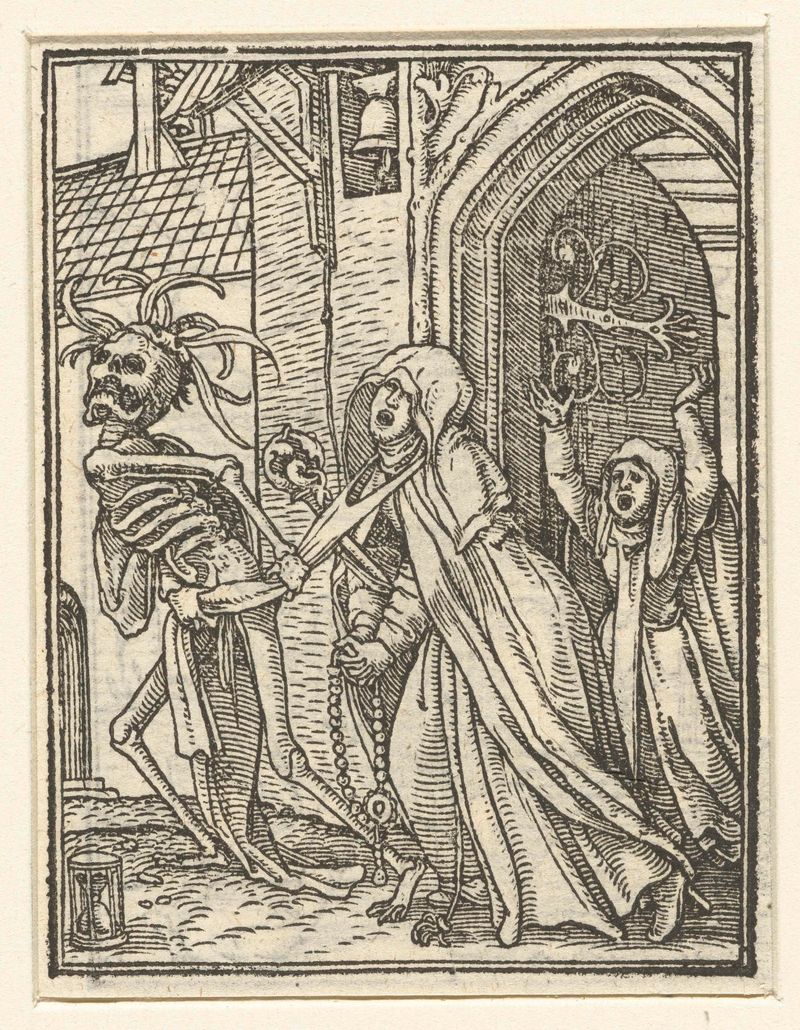
Abdis en de Dood
Hans Holbein (II)
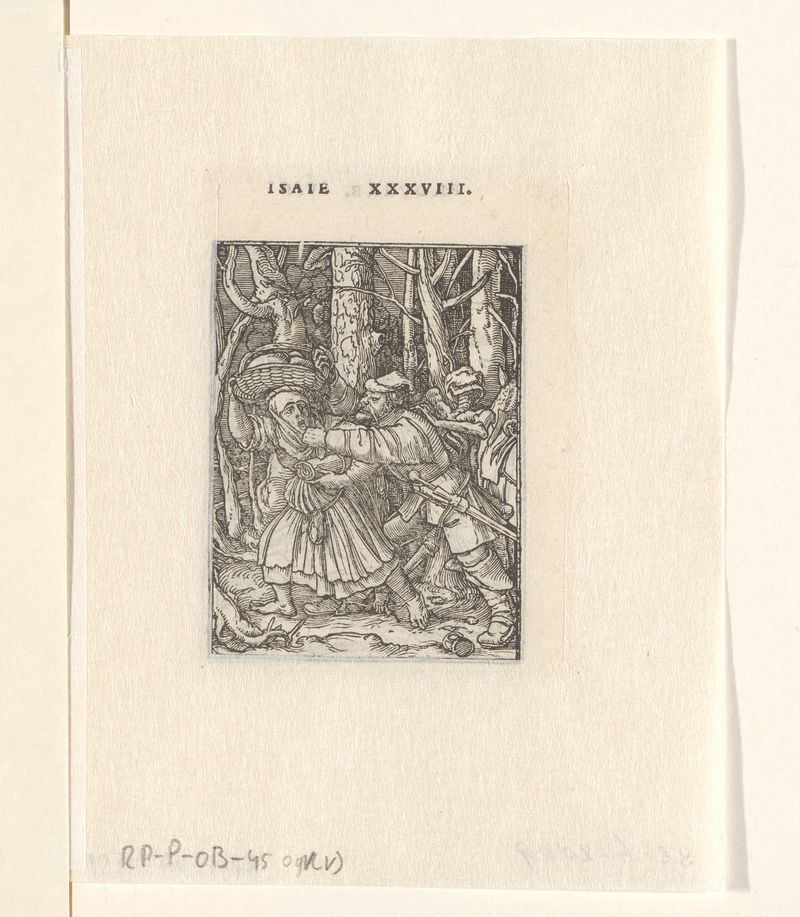
Dief en de Dood
Hans Holbein (II)
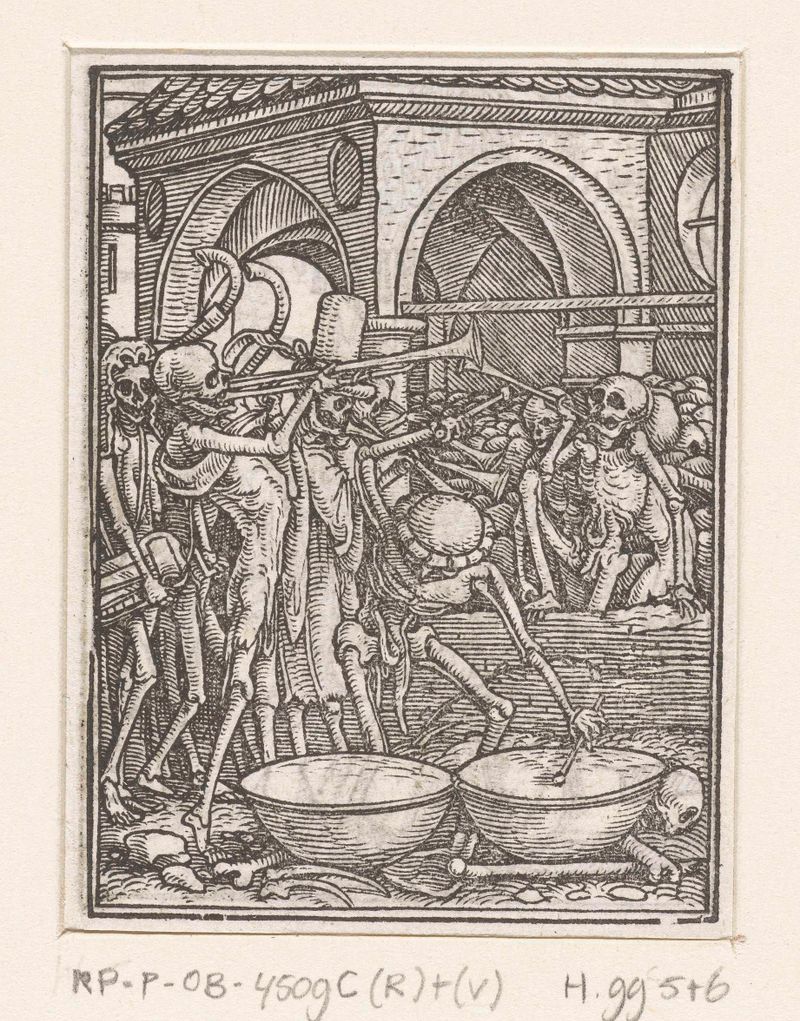
Skeletons Making Music from Dance of the Dead
Hans Holbein (II)
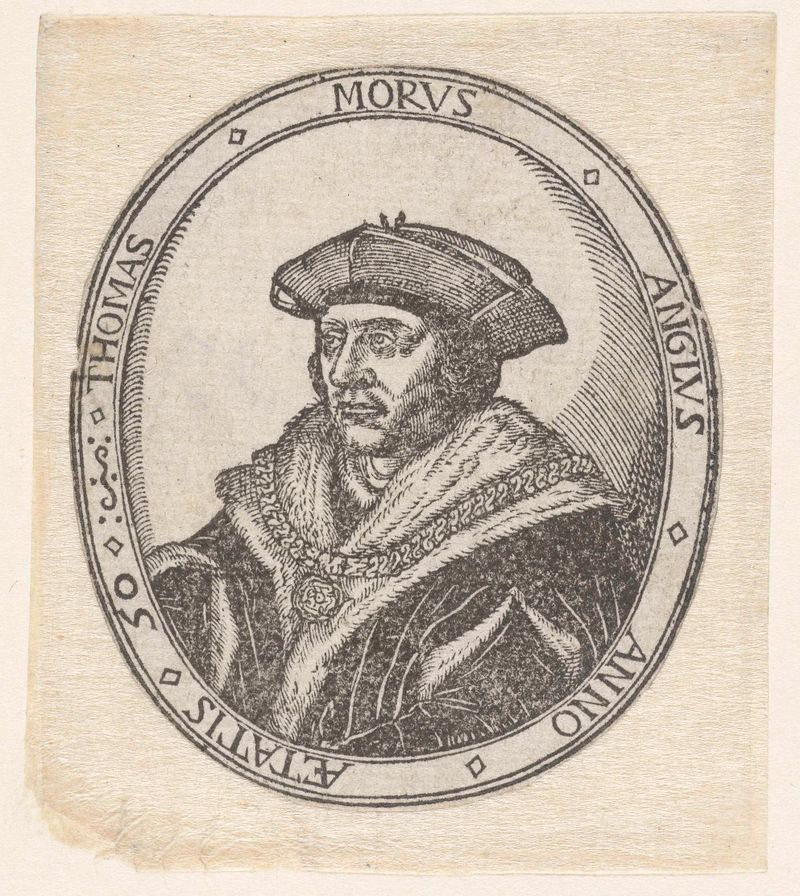
Portret van Thomas More
Hans Holbein (II)
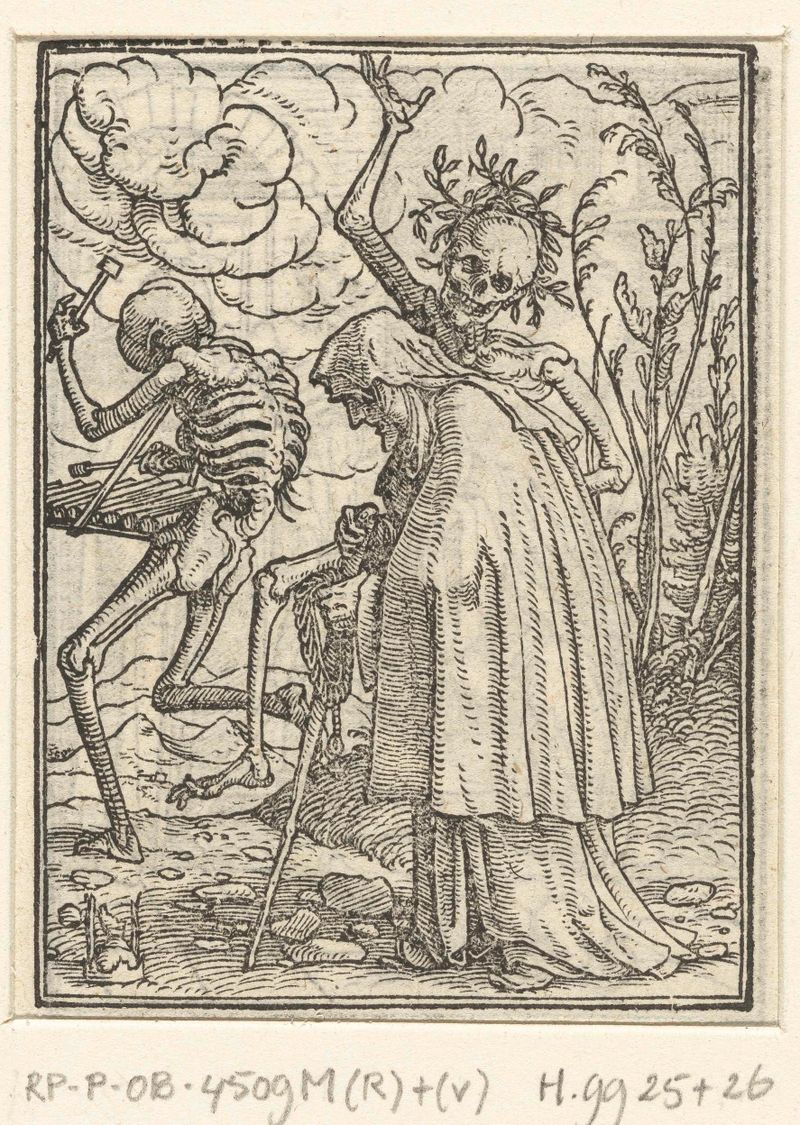
Oude vrouw en de Dood
Hans Holbein (II)
More Historical Art
Browse all →
The Night Watch Militia Company of District II under the Command of Captain Frans Banninck Cocq
Rembrandt van Rijn

Lincoln Memorial
Henry Bacon

The Third of May 1808
Francisco de Goya

Isaac and Rebecca, Known as ‘The Jewish Bride’
Rembrandt van Rijn

The Charge of the Mamelukes (1814)
Francisco de Goya

De vier ruiters van de apocalyps
Albrecht Dürer