
Judith Displays the Head of Holofernes — History & Facts
Few biblical tales have inspired as many artists as the story of Judith, but Abraham Bloemaert’s interpretation stands out for its theatrical intensity and psychological charge. This painting captures the aftermath of an act that, according to the Book of Judith, saved the city of Bethulia from destruction. While the exact date and circumstances of its creation remain uncertain, the work’s dramatic focus and sensuous detail suggest it was painted during the height of the Dutch Golden Age, when themes of virtue and heroism resonated powerfully with Protestant audiences. At the center, Judith stands triumphant, holding aloft the severed head of Holofernes, the Assyrian general she has just slain.
Bloemaert chooses the moment of revelation: Judith, her face illuminated by a raking light, displays her trophy to a stunned onlooker—perhaps her maidservant. The rich fabrics, the gleaming sword, and the tense, almost theatrical gesture of Judith’s arm all heighten the sense of spectacle and moral victory. Unlike Caravaggio’s Judith Beheading Holofernes, which lingers on the act itself, Bloemaert’s version dwells on the aftermath, emphasizing Judith’s composure and the gravity of her deed. The precise origins of Judith Displays the Head of Holofernes are uncertain, and no early records of its commission or ownership have survived.
Like many works by Bloemaert, it reflects the artist’s versatility and his engagement with both religious and classical subjects, a hallmark of Utrecht’s artistic milieu in the early seventeenth century. Over the centuries, the painting has been admired for its dynamic composition and its fusion of Northern detail with the dramatic lighting of the Caravaggisti. Today, it remains a testament to Bloemaert’s ability to blend narrative clarity with visual drama, though its journey from the artist’s studio to the present day is still partly shrouded in mystery.
More Artworks by Abraham Bloemaert

Adam and Eve
Abraham Bloemaert
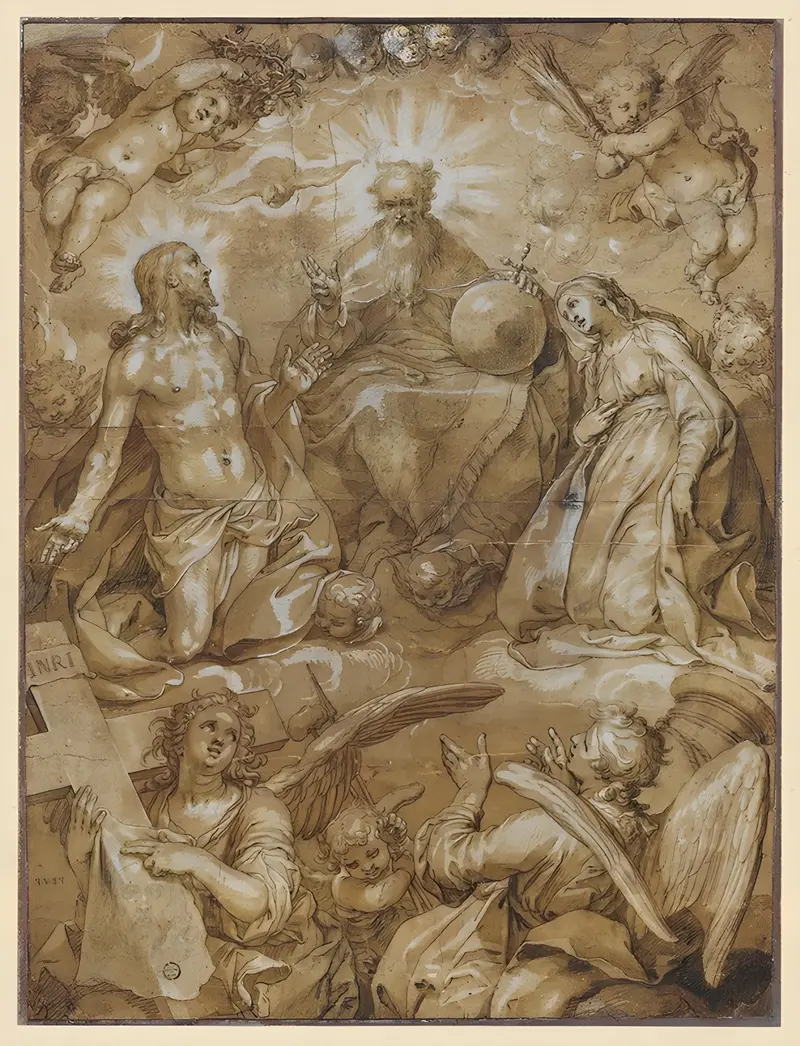
Intercession of Christ and Mary before God the Father
Abraham Bloemaert
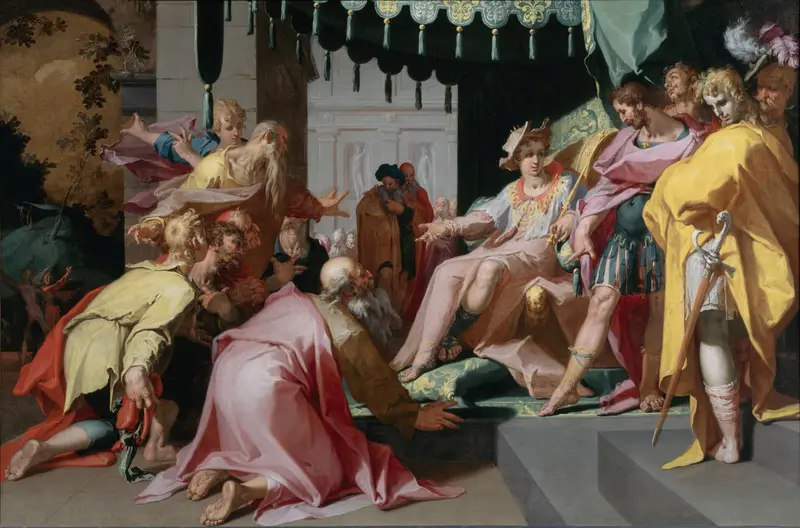
Joseph and his Brothers
Abraham Bloemaert
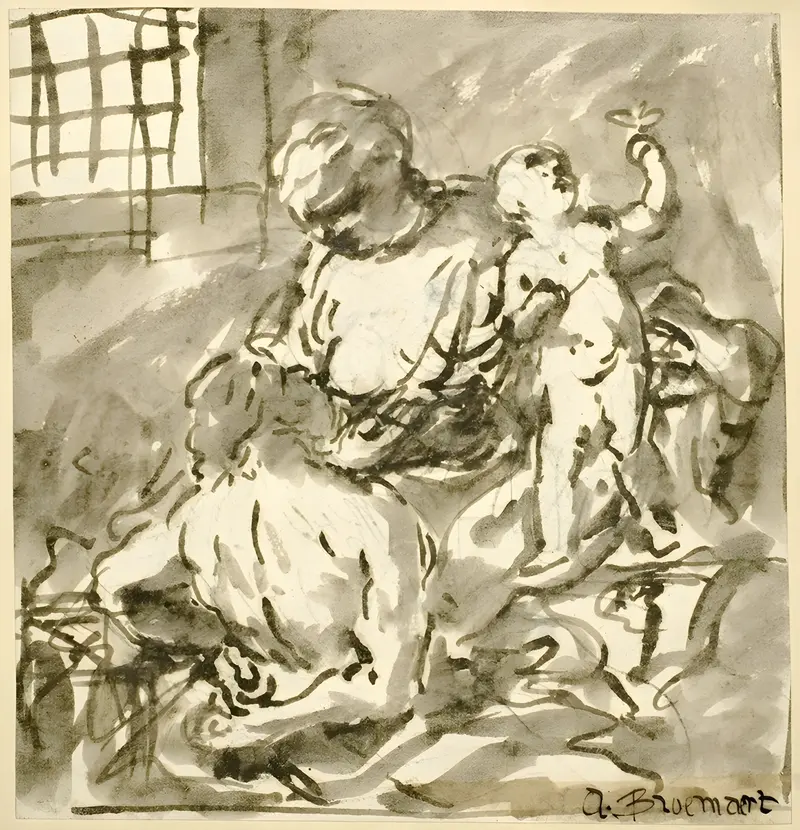
Caritas Romana
Abraham Bloemaert
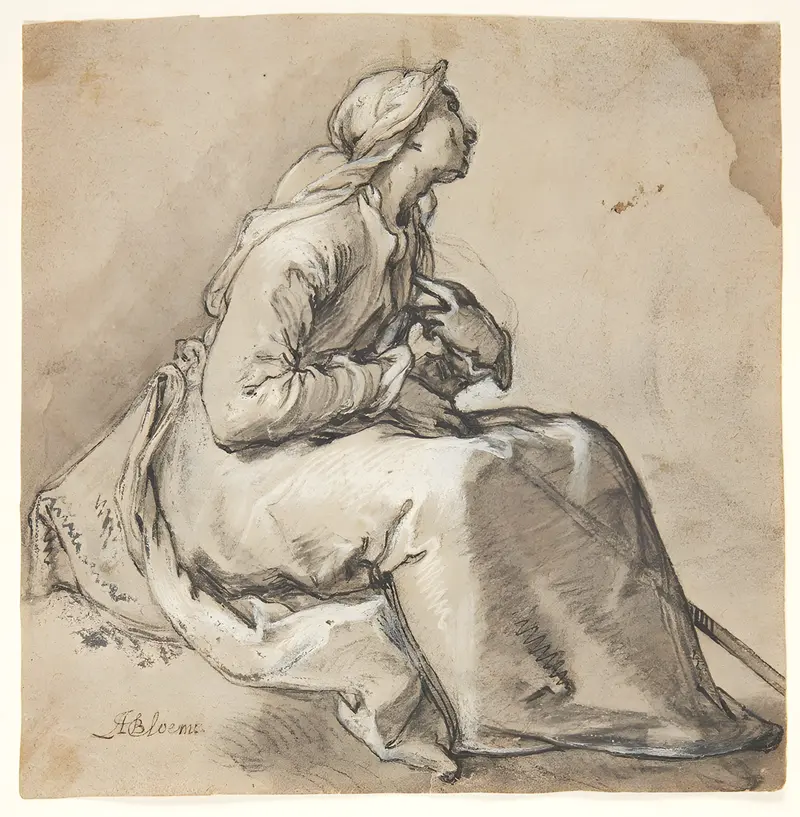
A seated woman facing right
Abraham Bloemaert
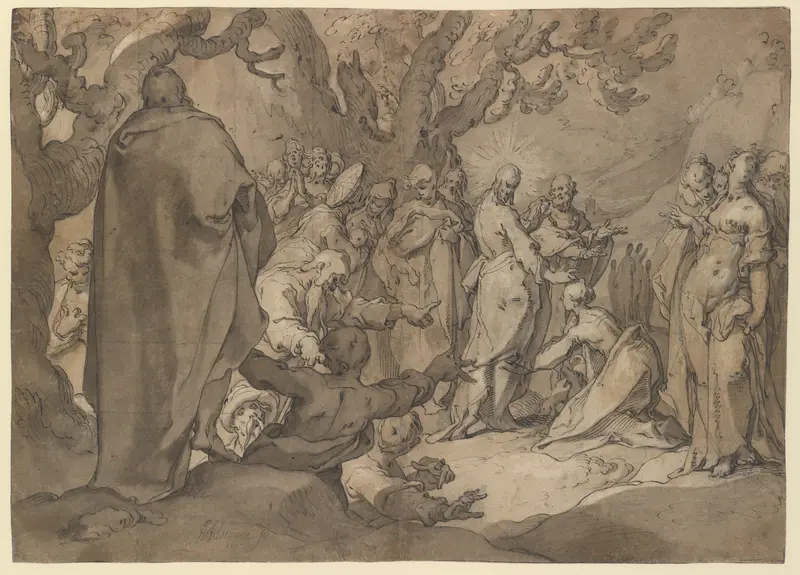
Christ and the Canaanite Women
Abraham Bloemaert
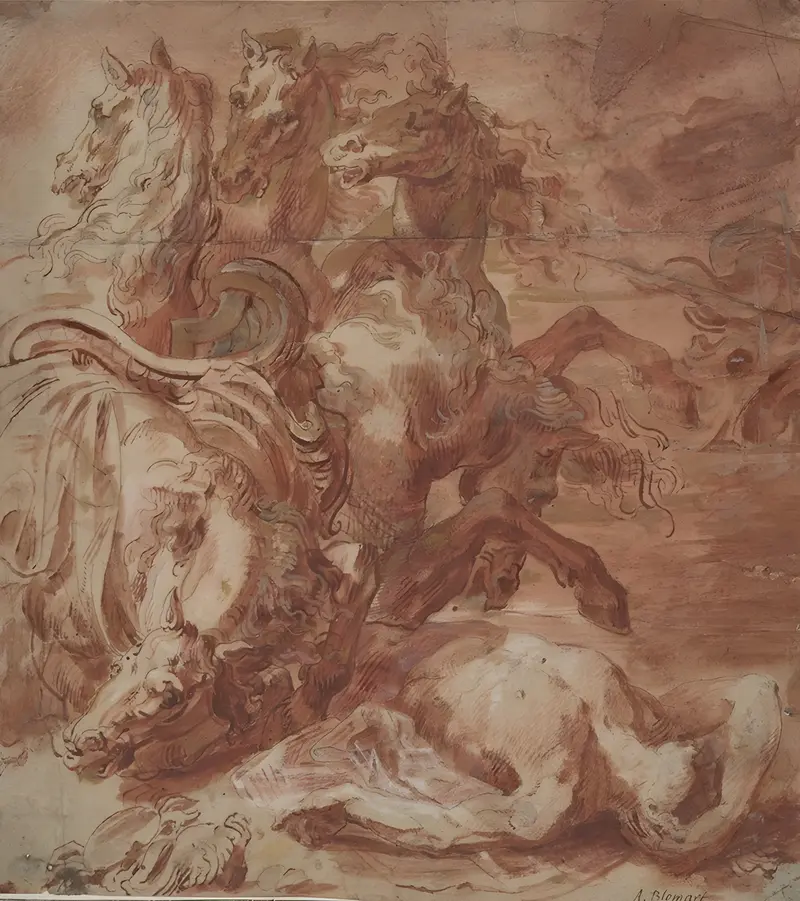
Hippolytus
Abraham Bloemaert
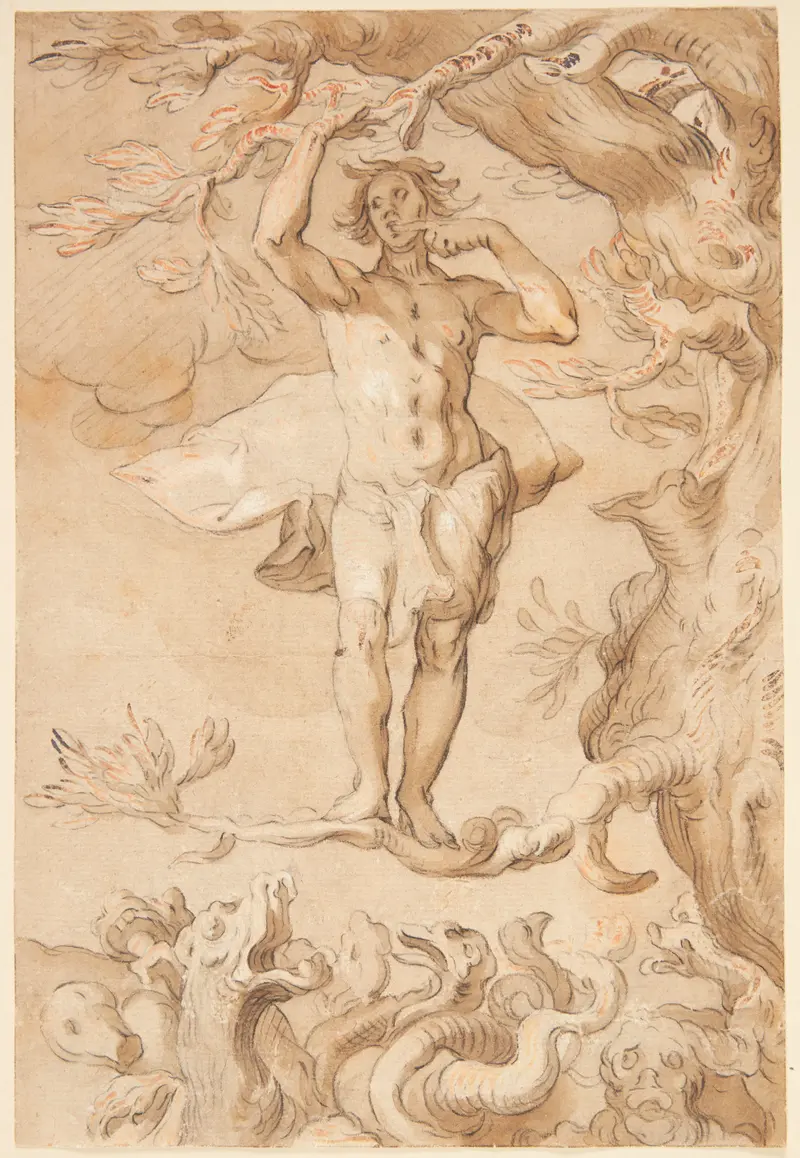
Den menneskelige glædes skrøbelighed En mand, der jages af en drage, klynger sig til en gren, mens han slikker honning af sin finger
Abraham Bloemaert

Moses Striking the Rock
Abraham Bloemaert
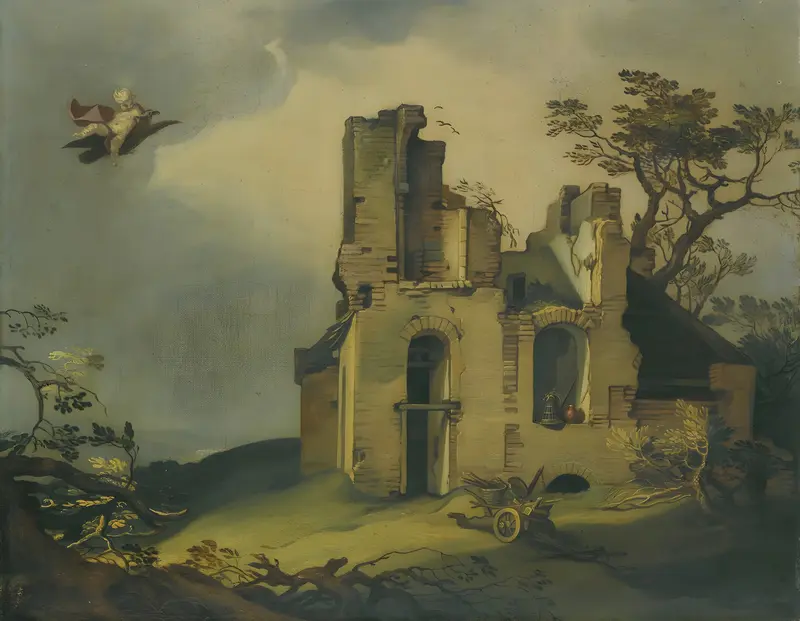
A Landscape With Ruins, With The Rape Of Ganymede
Abraham Bloemaert





