
Judith shows Holofernes's head to the people (Judith 19) — History & Facts
The eye is seized first by a single, chilling gesture: a woman stands on the steps, arm outstretched, holding aloft a severed head. The crowd below, caught in a swirl of torchlight and shadow, recoils and reaches, their faces twisted by shock, awe, and curiosity. The painter, Abraham Bloemaert, chooses not the act of violence itself, but the moment of revelation—Judith’s triumph made public, the horror and hope mingling in the torchlit air.
The torches themselves are more than props; their flames rake across the scene, picking out faces and gestures, pulling the viewer’s gaze from Judith’s calm poise to the chaos below. Color and light conspire to heighten the drama, with the warm glow of fire battling the cool stone and the pale, almost ghostly figure of Judith. Painted in 1593, this work belongs to a world where biblical heroines were charged with political and moral weight, especially in the Dutch Republic’s charged atmosphere. Scenes from the story of Judith and Holofernes were favored for their blend of piety and defiance, often commissioned for private devotion or civic pride.
Bloemaert brings a theatrical energy to the subject, his figures swirling in a composition that owes as much to late Renaissance dynamism as to the emerging drama of the Baroque. History has kept few traces of this particular painting’s journey, but its survival invites us to linger over the faces in the crowd, to read their reactions, and to imagine the world that first saw Judith’s victory illuminated by fire.
More Artworks by Abraham Bloemaert

Adam and Eve
Abraham Bloemaert
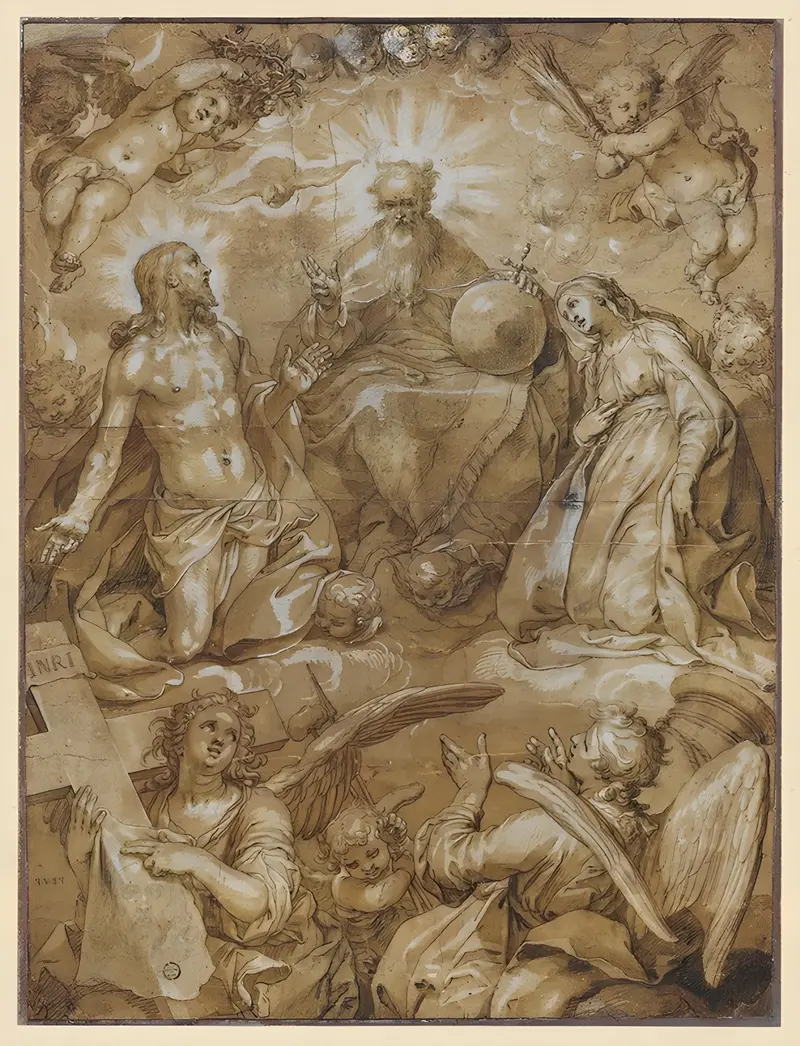
Intercession of Christ and Mary before God the Father
Abraham Bloemaert
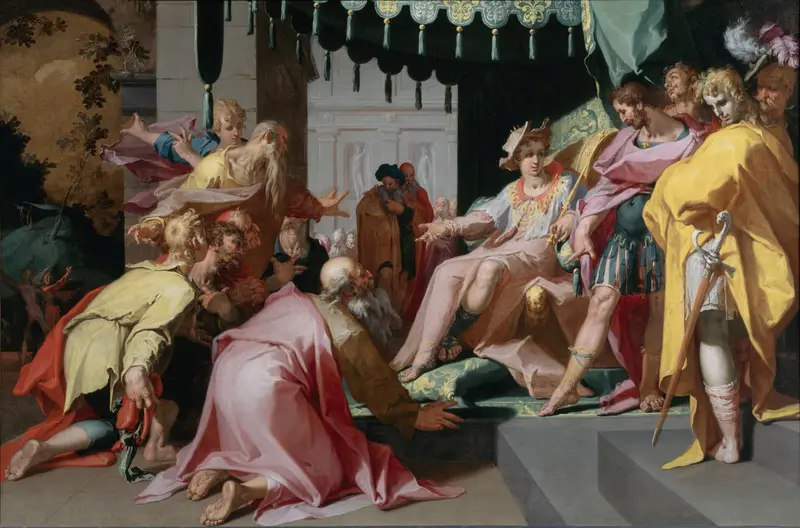
Joseph and his Brothers
Abraham Bloemaert
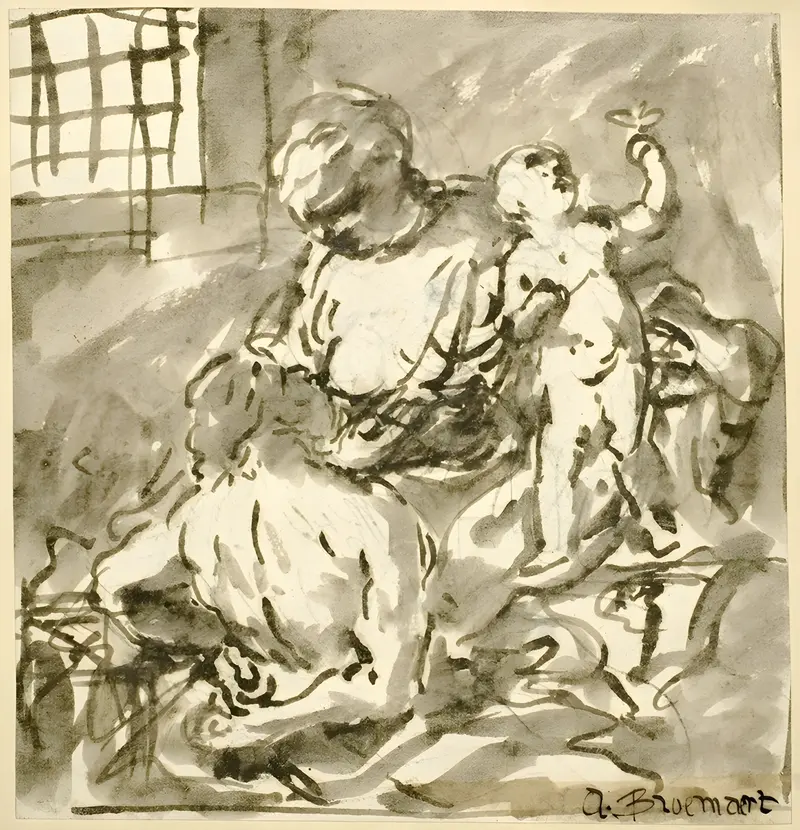
Caritas Romana
Abraham Bloemaert
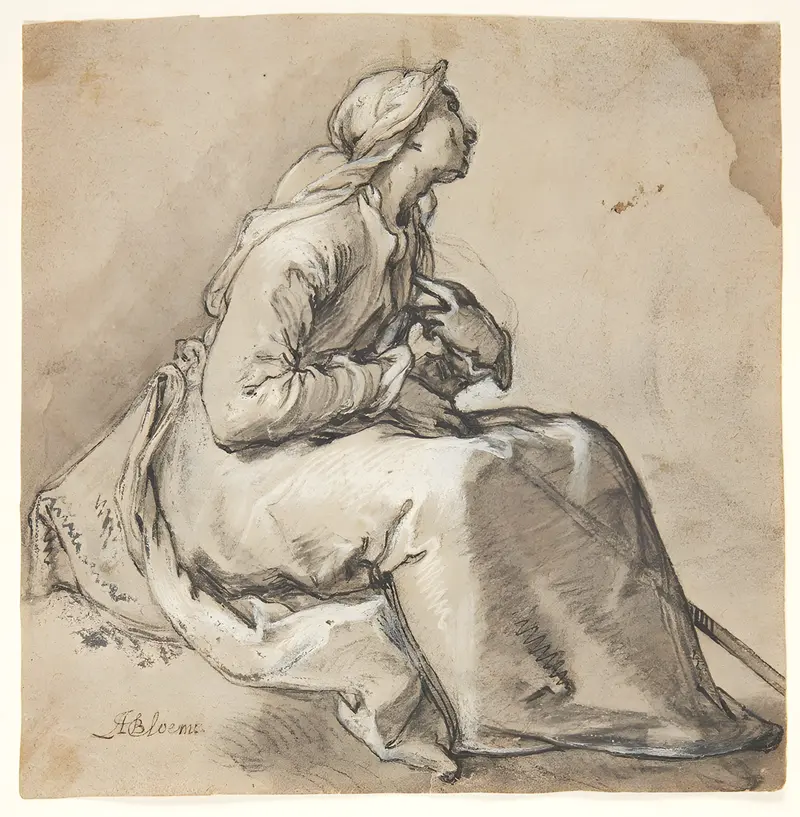
A seated woman facing right
Abraham Bloemaert
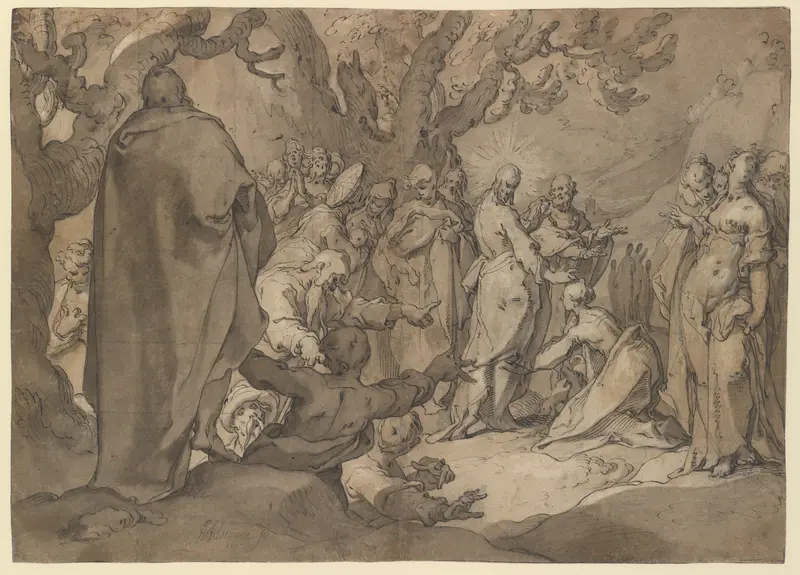
Christ and the Canaanite Women
Abraham Bloemaert
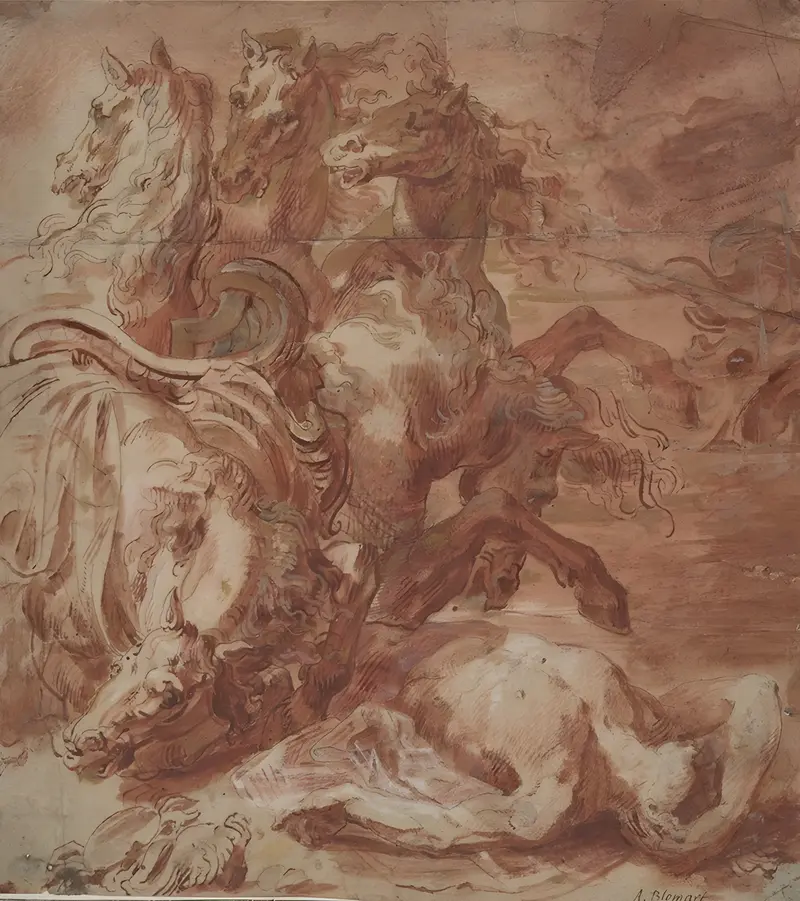
Hippolytus
Abraham Bloemaert
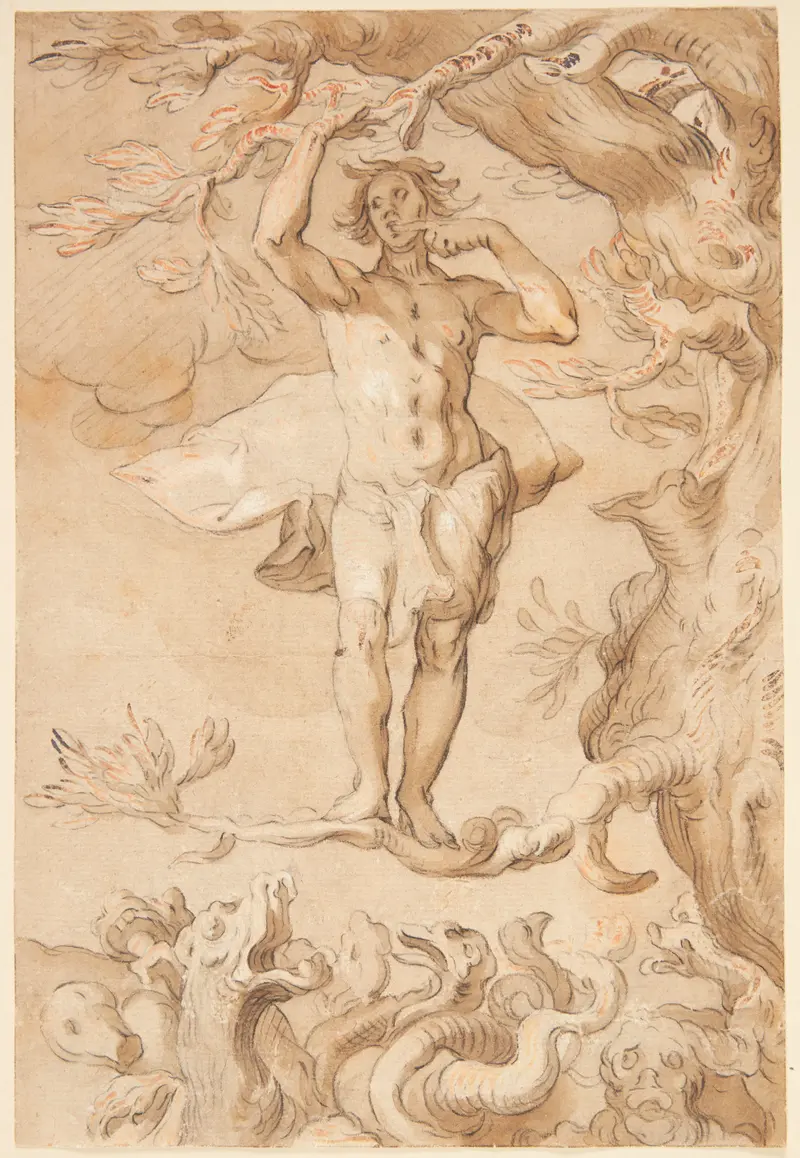
Den menneskelige glædes skrøbelighed En mand, der jages af en drage, klynger sig til en gren, mens han slikker honning af sin finger
Abraham Bloemaert

Moses Striking the Rock
Abraham Bloemaert
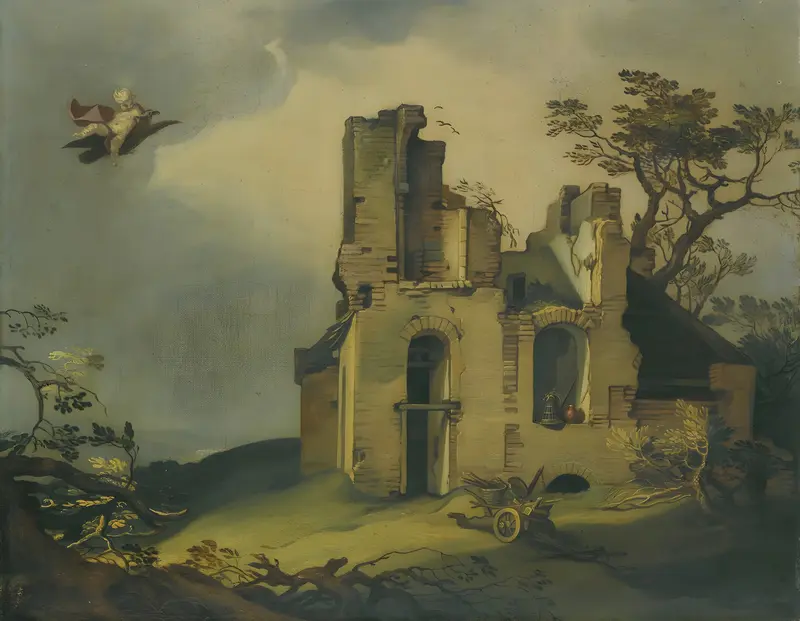
A Landscape With Ruins, With The Rape Of Ganymede
Abraham Bloemaert





