
Jupiter and Thetis — History & Facts
When Jean Auguste Dominique Ingres unveiled Jupiter and Thetis at the 1811 Salon in Paris, the painting caused a stir for its audacious scale and the radical elongation of Thetis’s form. Commissioned as part of his final submission to the French Academy in Rome, this work was Ingres’s bid to secure his reputation among the neoclassical elite. The painting’s sheer size—over 10 feet tall—was itself a statement, signaling the young artist’s ambition to rival the great history painters of his day.
Critics were divided: some were captivated by its icy grandeur, while others found its distortions unsettling, igniting a debate that would follow Ingres throughout his career. The canvas captures a tense, mythic negotiation: Thetis, a sea nymph and mother of Achilles, pleads with Jupiter to spare her son from doom in the Trojan War. Ingres freezes the drama at the moment Thetis, draped in shimmering blues and greens, kneels and clasps Jupiter’s knee—a gesture of supplication rooted in ancient Greek tradition. Jupiter, enthroned and colossal, is swathed in golden light, his immovable body contrasting with the sinuous, almost serpentine Thetis.
The eagle at Jupiter’s feet and the thunderbolt in his hand underscore his divine authority. Unlike Rubens’s more dynamic and sensual interpretations of Olympian scenes, Ingres’s composition is cool, hieratic, and hierarchically ordered, emphasizing the unbridgeable gulf between mortal and god. After its debut, Jupiter and Thetis remained in France, eventually entering the collection of the Musée Granet in Aix-en-Provence, where it hangs today. The painting marked a turning point for Ingres, cementing his reputation as a daring innovator within the Neoclassical movement, even as it sparked controversy for its departures from anatomical convention.
Over time, critics came to see in its stylization the seeds of modernism, and the work is now recognized as a landmark in the evolution of nineteenth-century art. Its journey from a contested Salon entry to a revered museum piece mirrors Ingres’s own path from outsider to pillar of French painting.
More Artworks by Jean Auguste Dominique Ingres
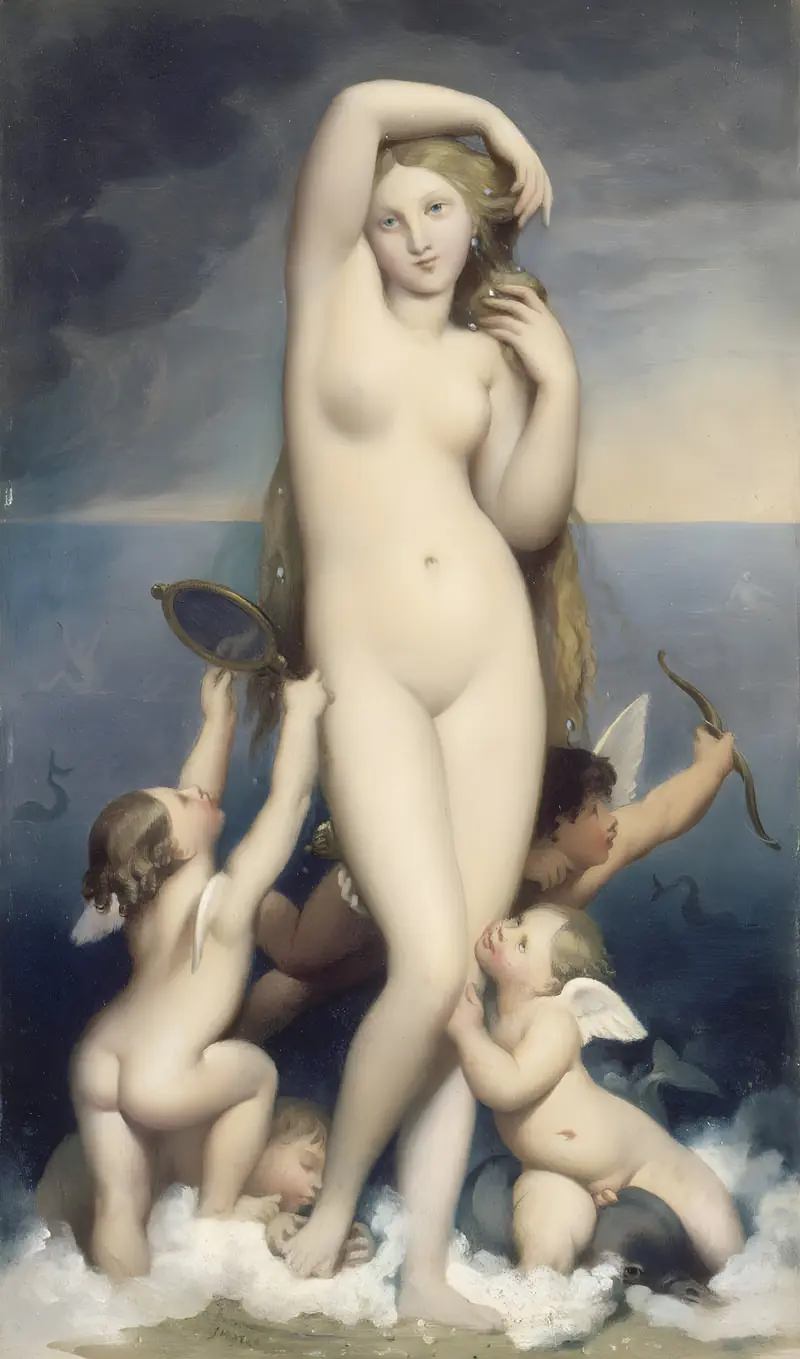
Vénus anadyomène
Jean Auguste Dominique Ingres
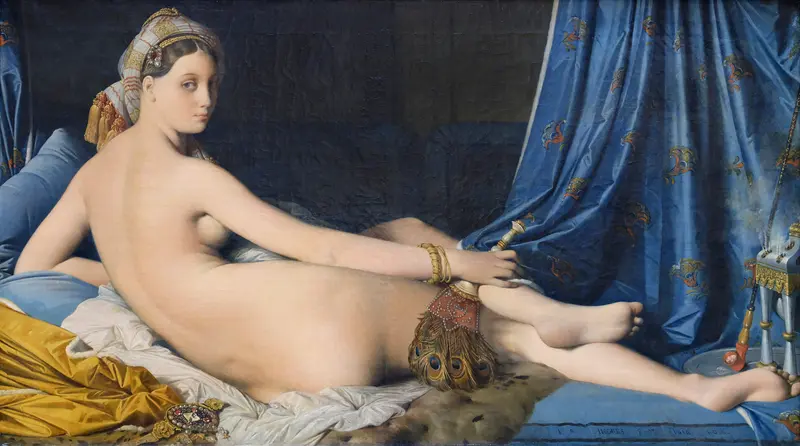
Grande Odalisque
Jean Auguste Dominique Ingres
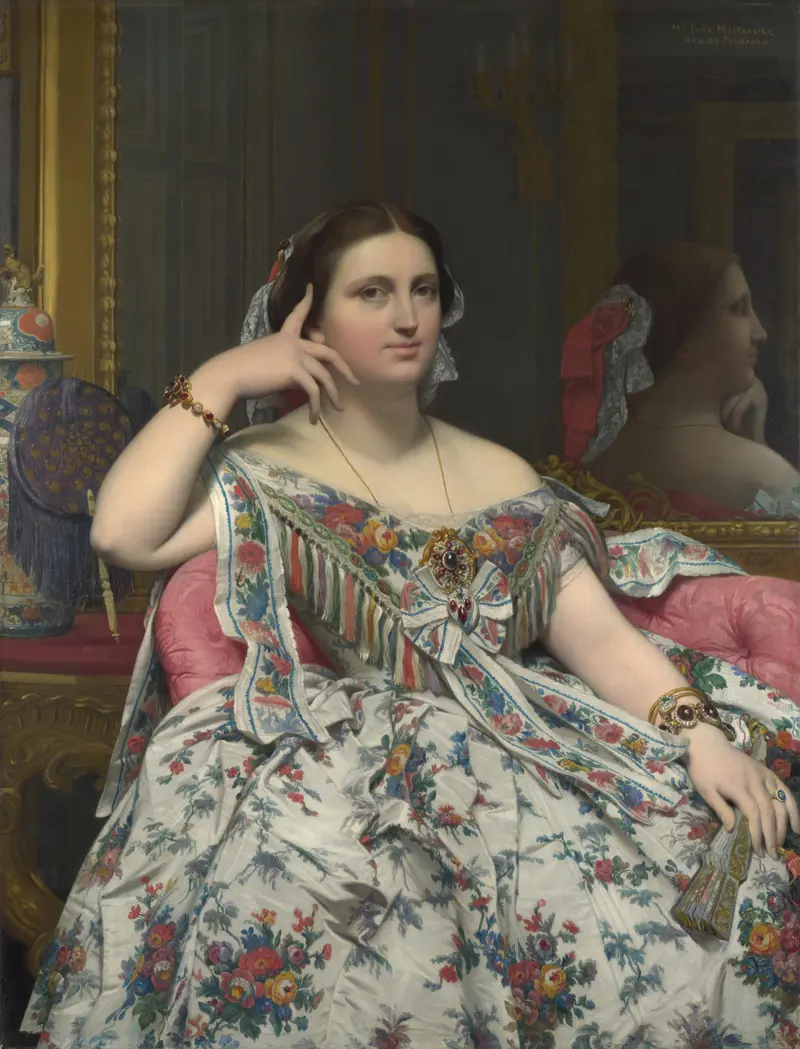
Madame Moitessier (seated)
Jean Auguste Dominique Ingres
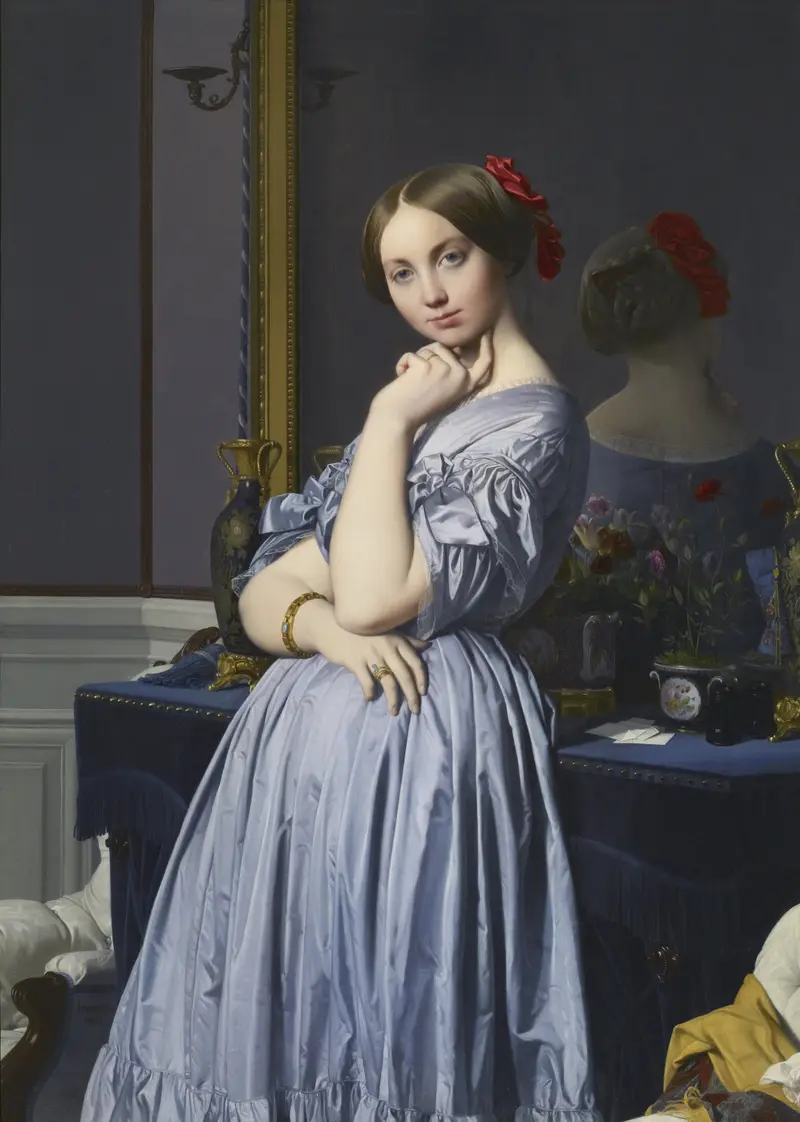
Portrait of Comtesse d’Haussonville
Jean Auguste Dominique Ingres
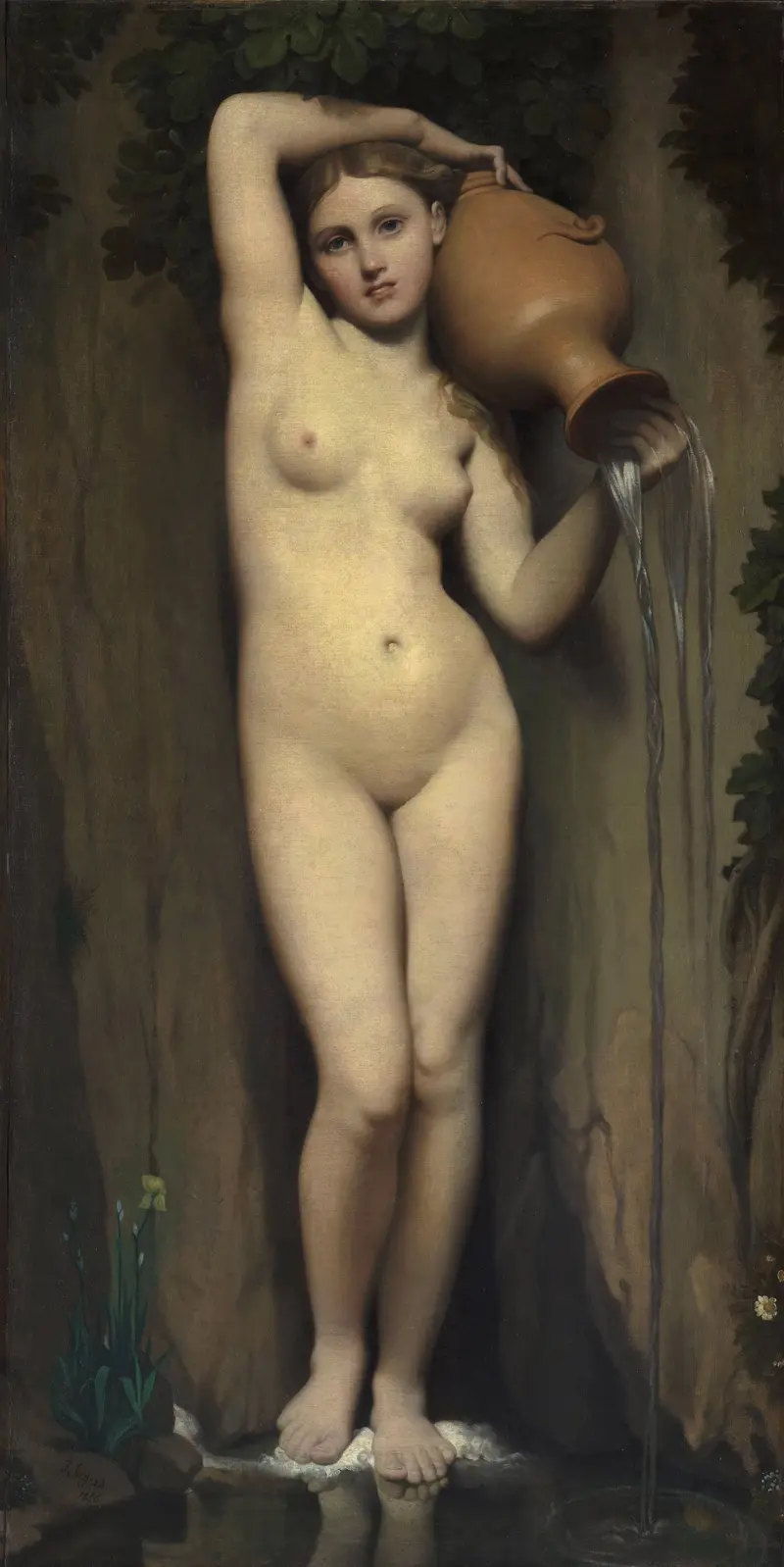
The Source
Jean Auguste Dominique Ingres
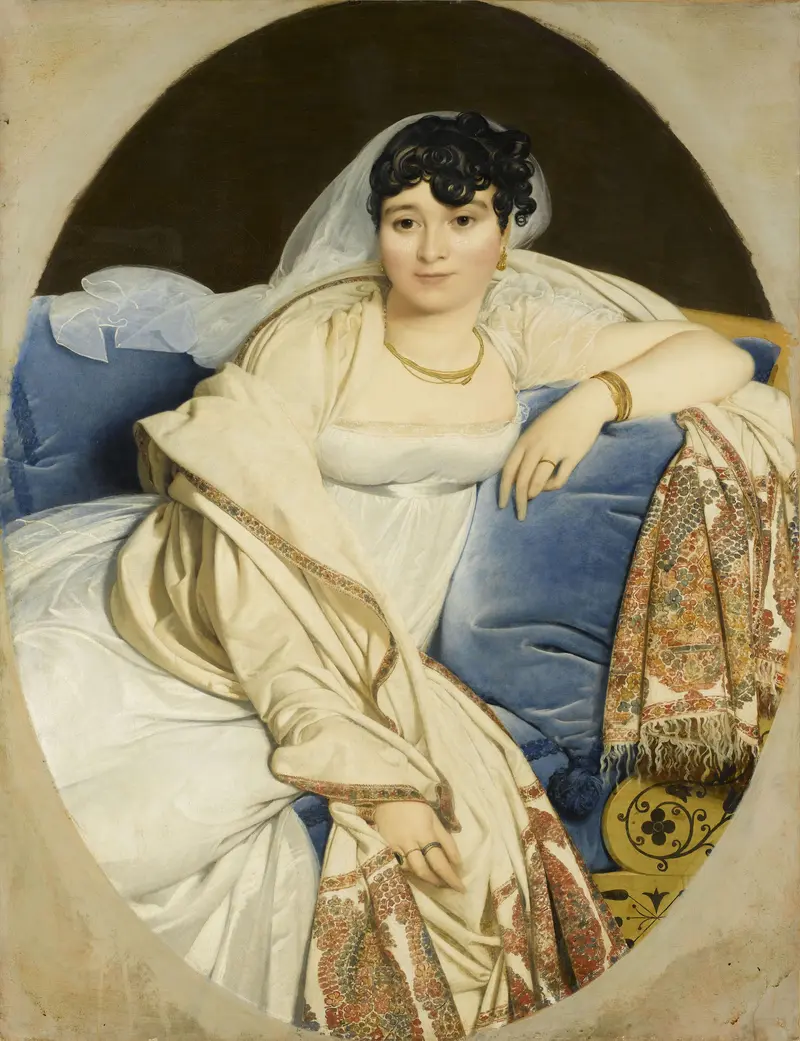
Madame Rivière
Jean Auguste Dominique Ingres

Madame Jean-Auguste-Dominique Ingres, née Madeleine Chapelle
Jean Auguste Dominique Ingres

Portrait of a Lady
Jean Auguste Dominique Ingres
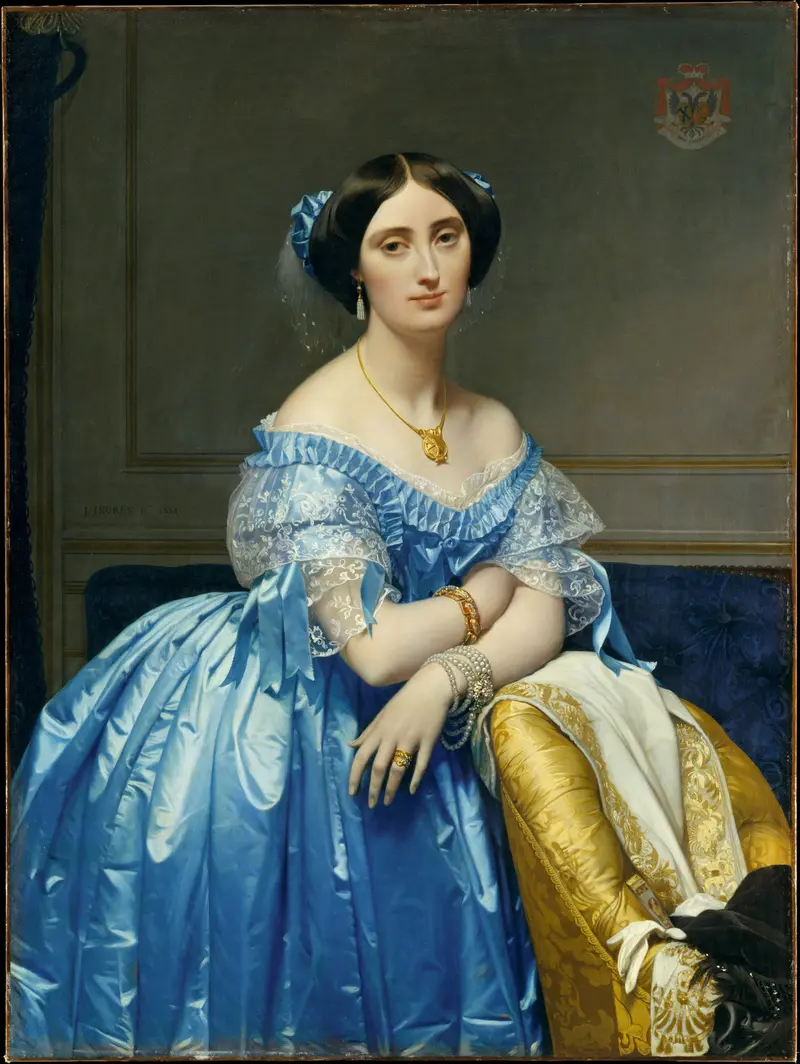
Joséphine-Éléonore-Marie-Pauline de Galard de Brassac de Béarn (1825–1860), Princesse de Broglie
Jean Auguste Dominique Ingres
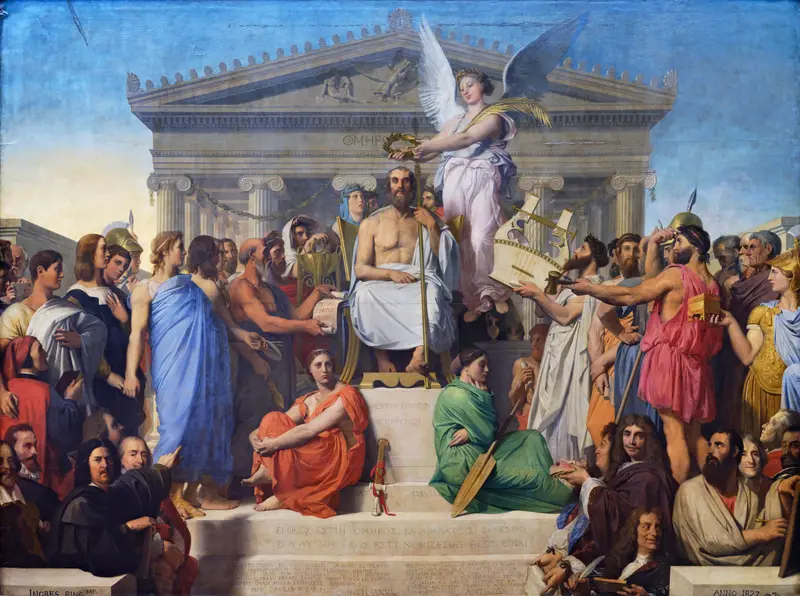
The Apotheosis of Homer
Jean Auguste Dominique Ingres





