Kerkinterieur — History & Facts
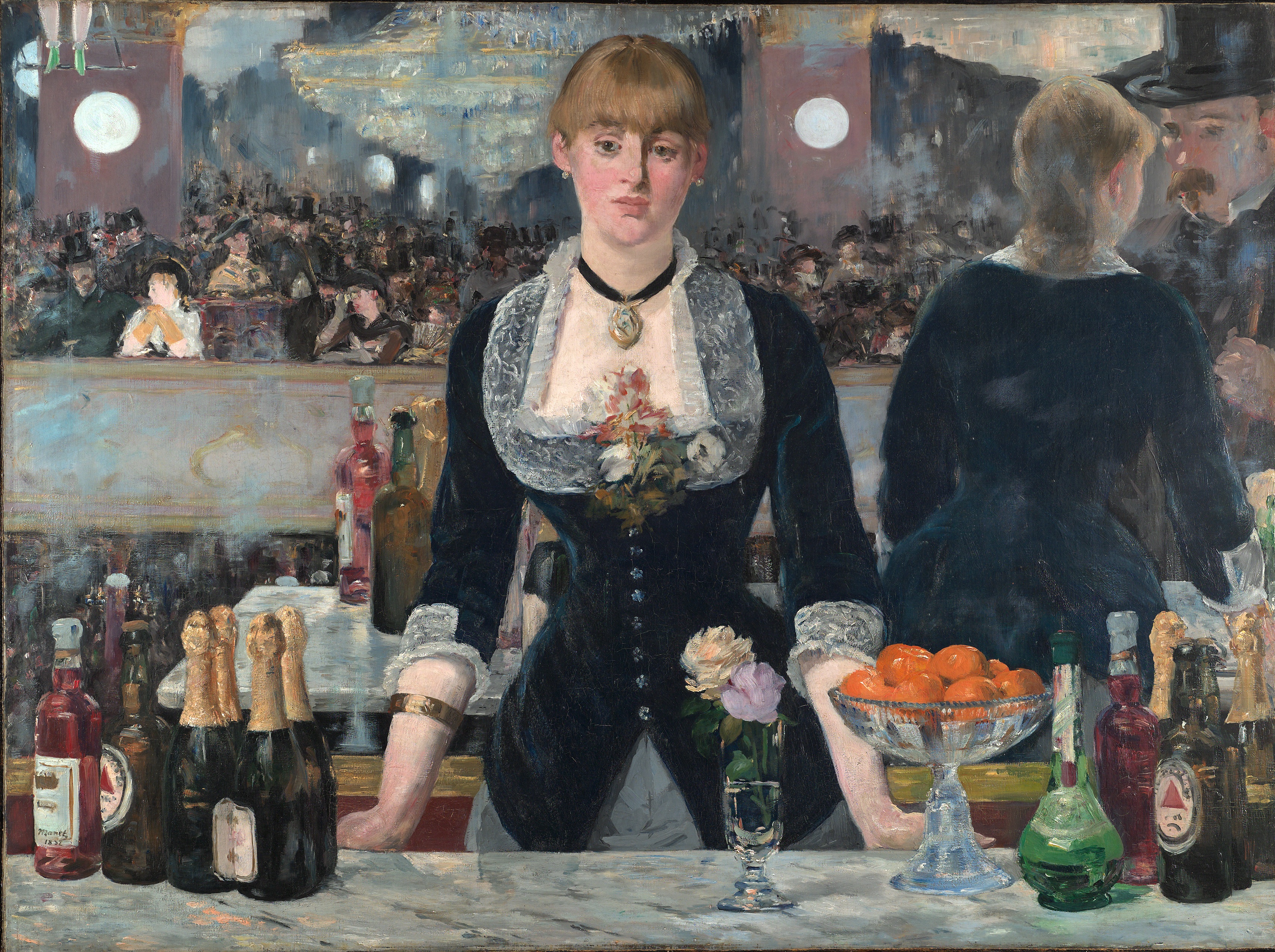
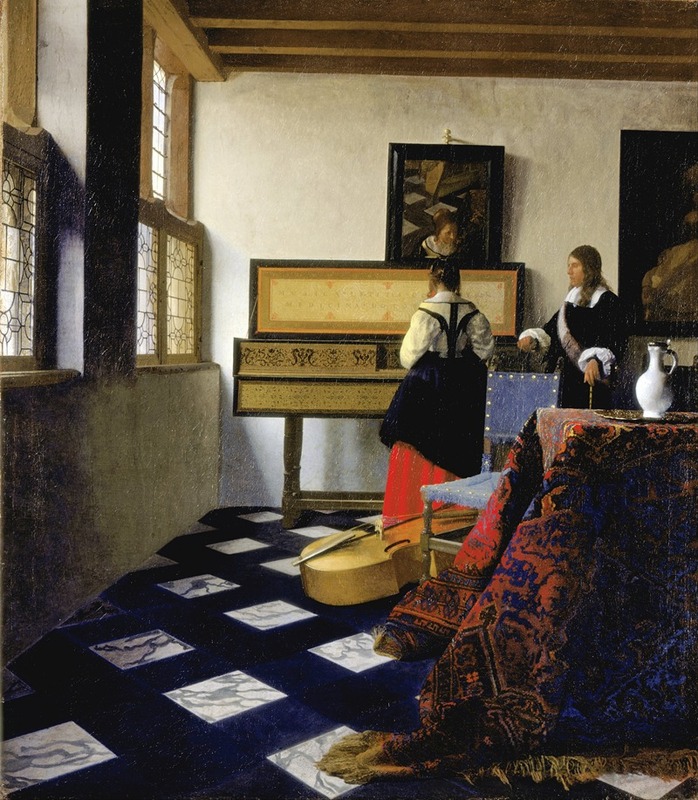
What if beauty was never meant to be finished? In Kerkinterieur, the stillness of a church interior echoes with the whispers of centuries, inviting contemplation of the sacred and the ordinary. Look to the right at the soft glow filtering through the stained glass windows, casting vivid hues upon the stone floor. The cool blues and warm reds dance together, drawing the eye deeper into the sanctuary. Notice how the artist masterfully captures the interplay of shadows and light, creating a palpable sense of serenity that envelops the viewer.
Each brushstroke is deliberate, revealing intricate details in the woodwork and furnishings that anchor the viewer in both time and space. The tension between restraint and exuberance is palpable in the juxtaposition of the structured architecture and the organic play of light. The silent congregation of figures, seemingly frozen in devotion, embodies the paradox of faith—between the transcendent and the earthly. Each figure, while part of a collective scene, seems to carry its own unspoken narrative, hinting at the personal struggles and triumphs that shape one's spiritual journey.
This interplay invites viewers to reflect on their relationship with both the divine and the community. Etienne Bosch painted Kerkinterieur during a period of profound change in the art world, from 1873 to 1931. Navigating a tumultuous social landscape, he found himself bridging traditional representational techniques with emerging modernist ideas. This work encapsulates a moment when the past was in dialogue with the future, as artists like Bosch sought to redefine beauty and spirituality in an age poised on the brink of revolution.
More Artworks by Etienne Bosch
Browse all →
Gezicht op de achterkant van de Notre Dame in Parijs Notre Dame
Etienne Bosch
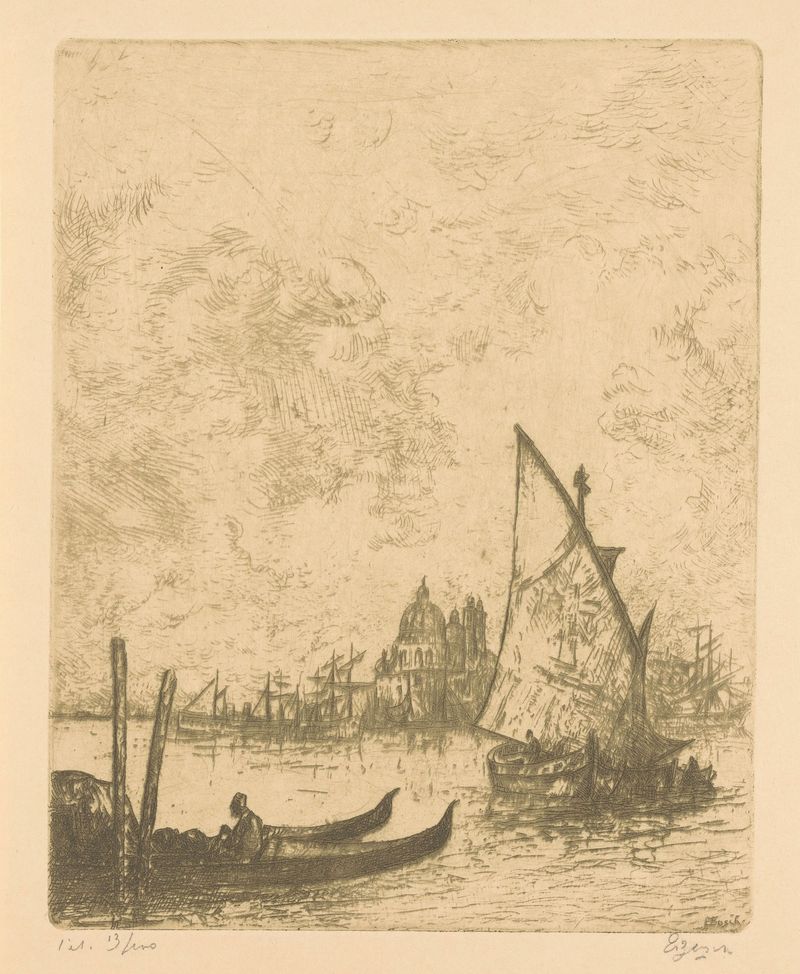
Venetië
Etienne Bosch

Amsterdamse poort te Haarlem
Etienne Bosch

Le Palatin Rome
Etienne Bosch

Landschap bij Rome
Etienne Bosch
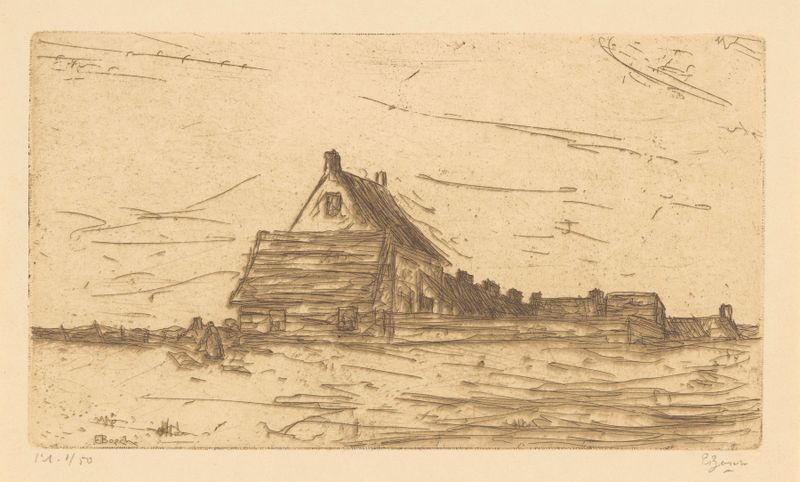
Boerenwoning
Etienne Bosch

Scheveningen
Etienne Bosch
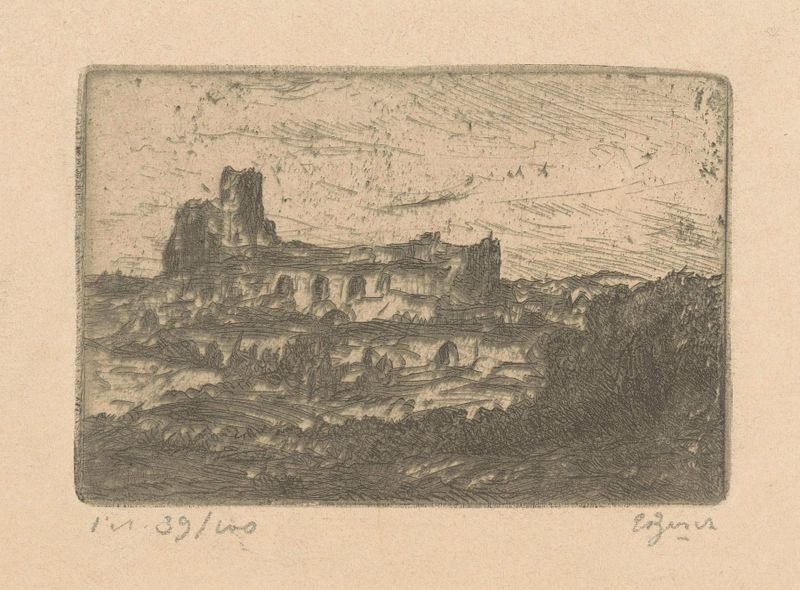
Ruïne Rome
Etienne Bosch
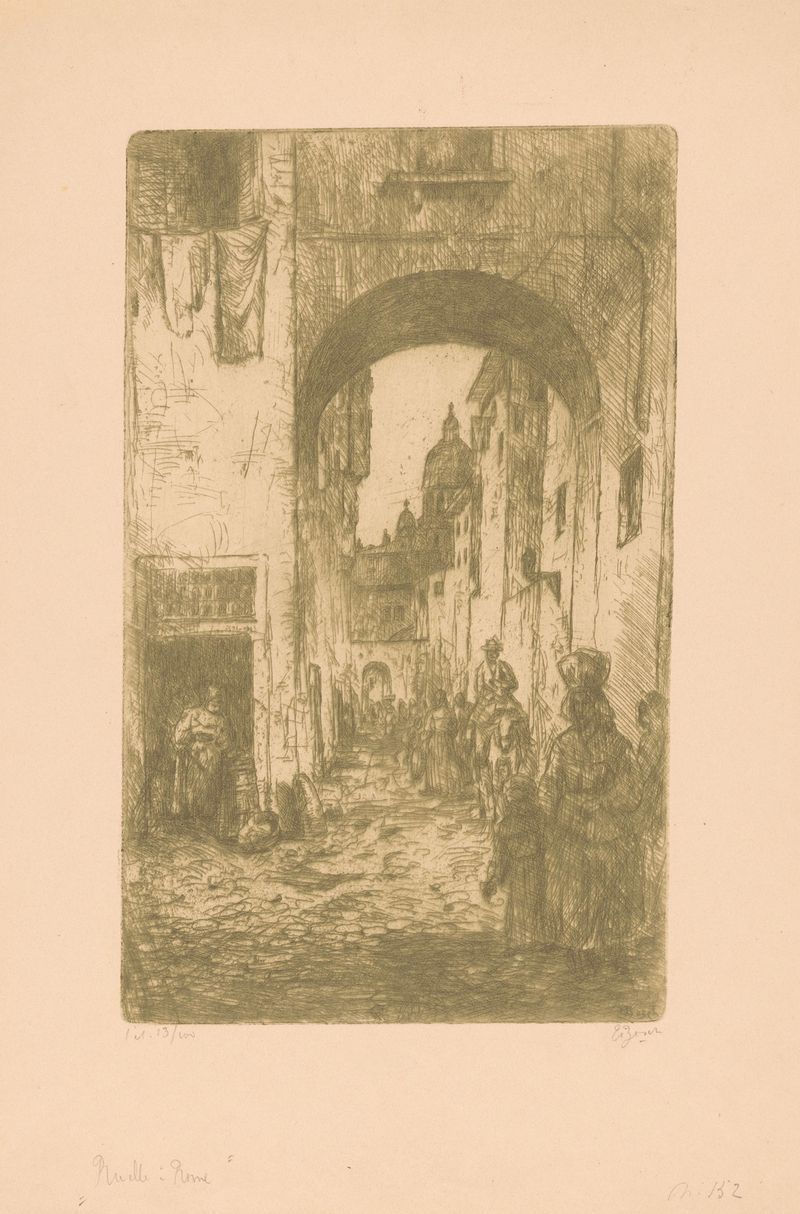
Ruelle, Rome
Etienne Bosch
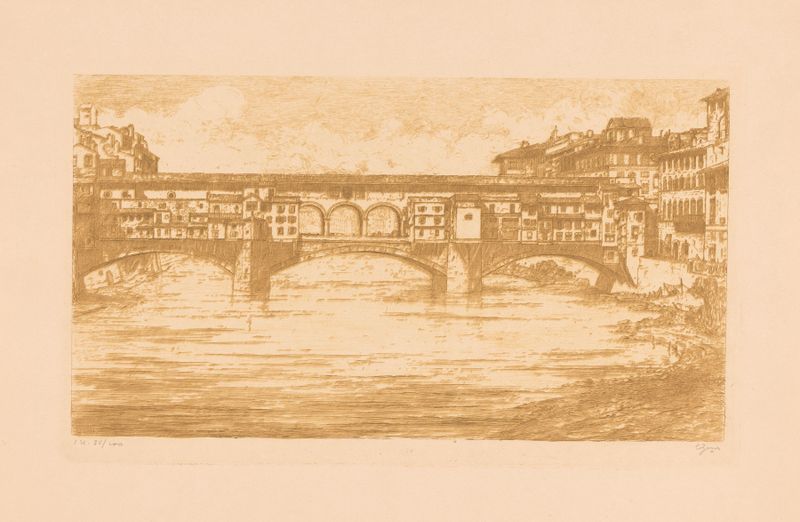
Ponte Vecchio in Florence
Etienne Bosch