
Killing of Wapowski during the coronation of Henryk Walezy by Jan Matejko — History & Facts
On May 21, 1574, the coronation of Henryk Walezy—soon to be Henry III of France—was stained by sudden violence: the astronomer and royal secretary Marcin Wapowski was fatally struck down amid the celebrations in Wawel Cathedral. Jan Matejko’s Killing of Wapowski during the coronation of Henryk Walezy captures this rare moment when Polish history collided with personal tragedy, a scene that fascinated the young artist as he began his lifelong project of painting Poland’s past. Painted in 1861, this work stands among the earliest examples of Matejko’s engagement with historical narrative, years before his more famous canvases would bring him national fame. Matejko sets the viewer in the swirling confusion of the coronation, choosing the instant when Wapowski, caught in the crossfire of a feud between noble families, collapses to the cathedral floor.
The eye is drawn to the fallen figure, his white robes stained, as bystanders recoil in shock or surge forward in alarm. The golden light filtering from the high windows illuminates the crown and sceptre, symbols of royal authority, now powerless to halt the chaos. Faces register disbelief and horror, while the ornate interior underscores the contrast between ceremonial order and erupting disorder.
Unlike the more restrained approach of Jean-Auguste-Dominique Ingres in his coronation scenes, Matejko’s canvas is crowded, urgent, and emotionally charged, inviting the viewer to witness both the grandeur and the fragility of history. The exact medium of this early Matejko work is not firmly established, though it is presumed to be oil on canvas, as was typical for his historical scenes. Killing of Wapowski during the coronation of Henryk Walezy was painted before Matejko’s rise to prominence and remains less well known than his later masterpieces such as The Battle of Grunwald. The painting’s present location is not widely documented, and it has not enjoyed the same exhibition history as his grander works, but it stands as a testament to Matejko’s early commitment to visualizing Poland’s turbulent past.
Today, it is valued by scholars as a formative step in the artist’s journey toward becoming the chronicler of Polish history.
More Artworks by Jan Matejko
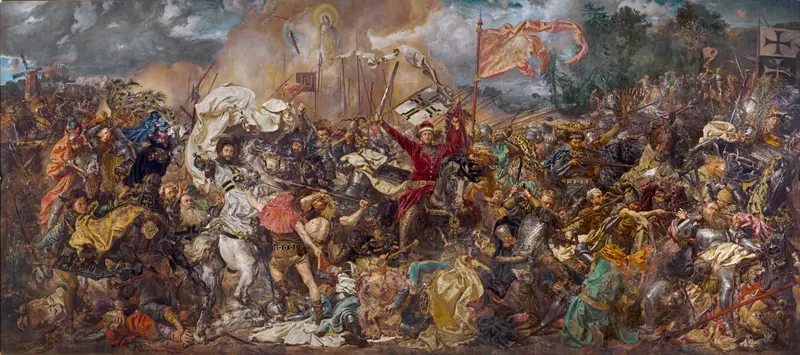
Battle of Grunwald
Jan Matejko

Stańczyk
Jan Matejko

Battle of Raclawice
Jan Matejko
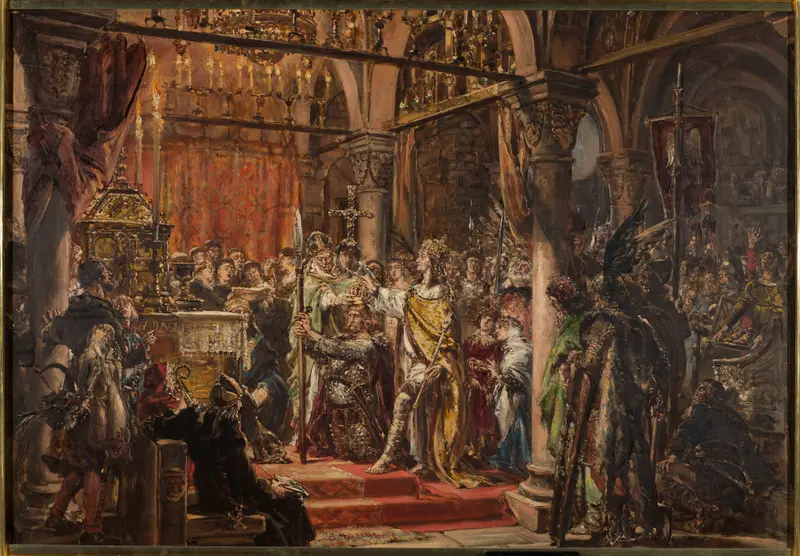
Coronation of the First King, 1001 AD, from the series “History of Civilization in Poland”
Jan Matejko
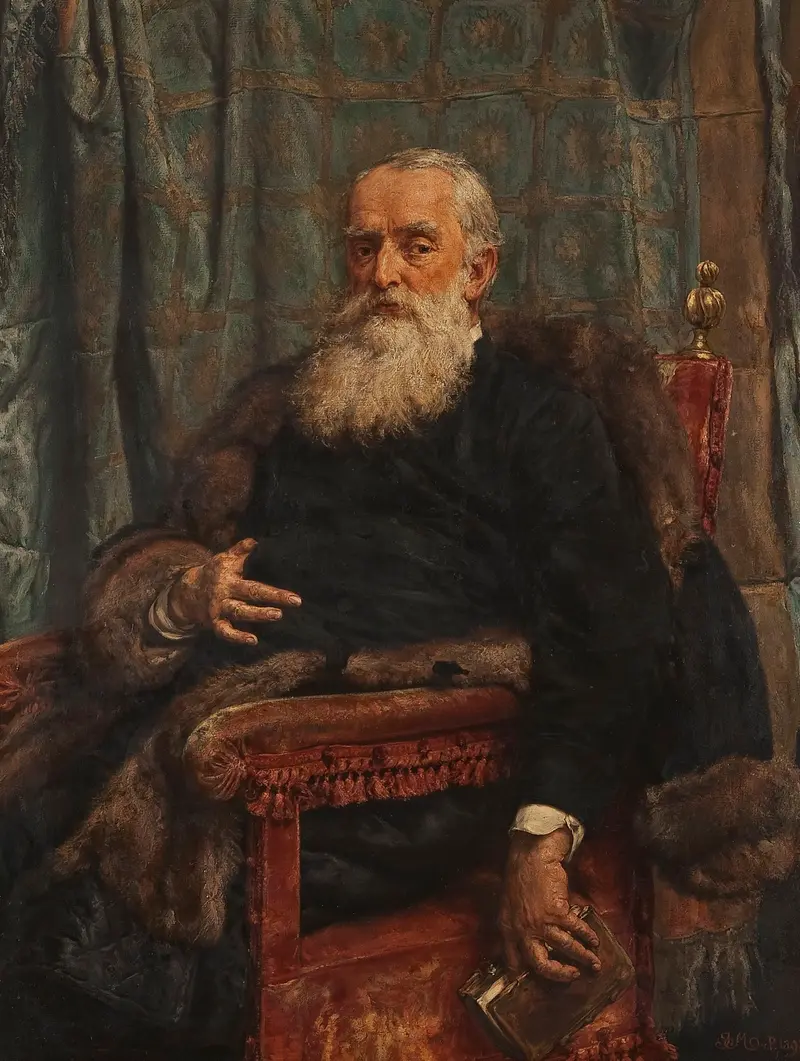
Portrait of Henryk Krajewski
Jan Matejko
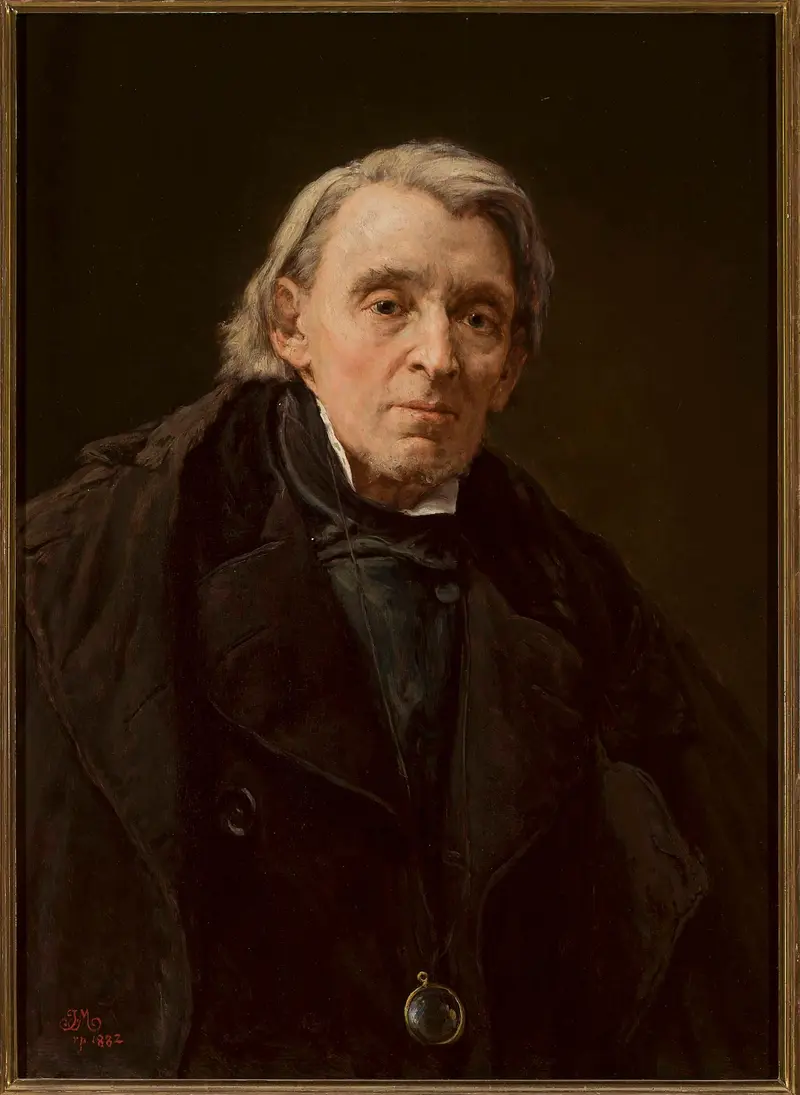
Portrait of Karol Podlewski
Jan Matejko
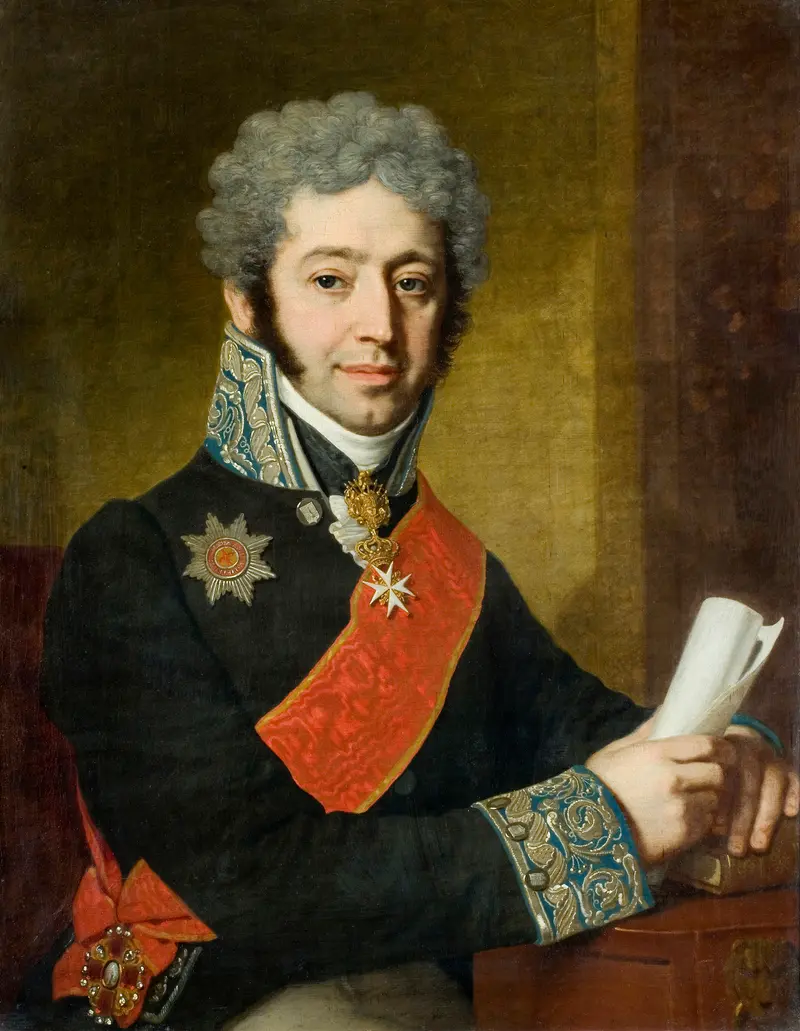
Portrait of Potocki and Poninski
Jan Matejko
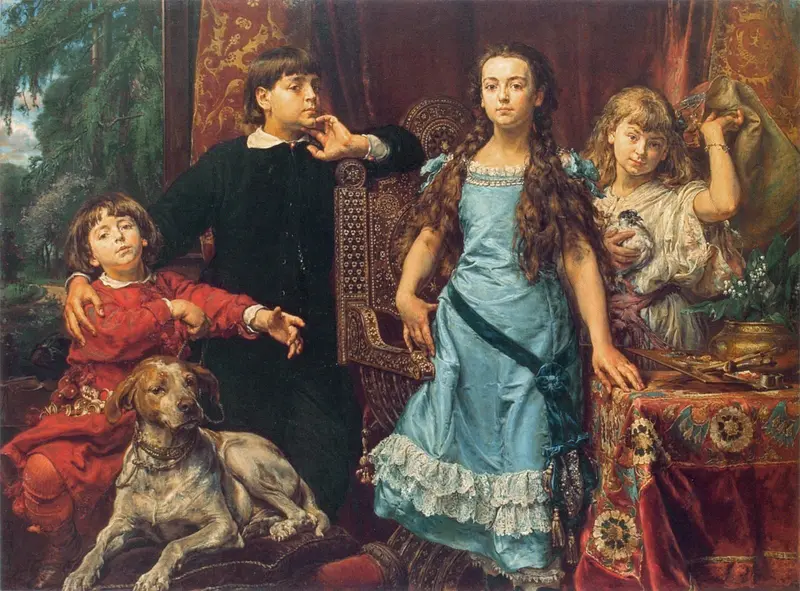
Portrait of the artist's four children
Jan Matejko
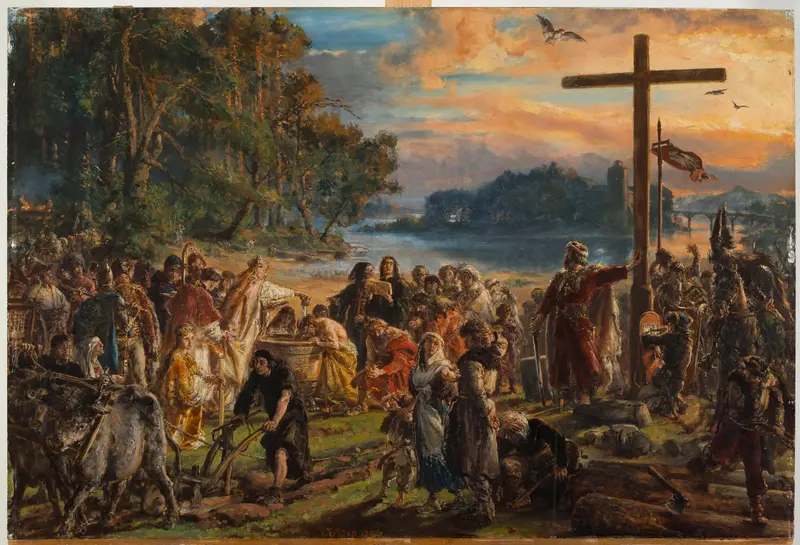
Introduction of Christianity in Poland
Jan Matejko
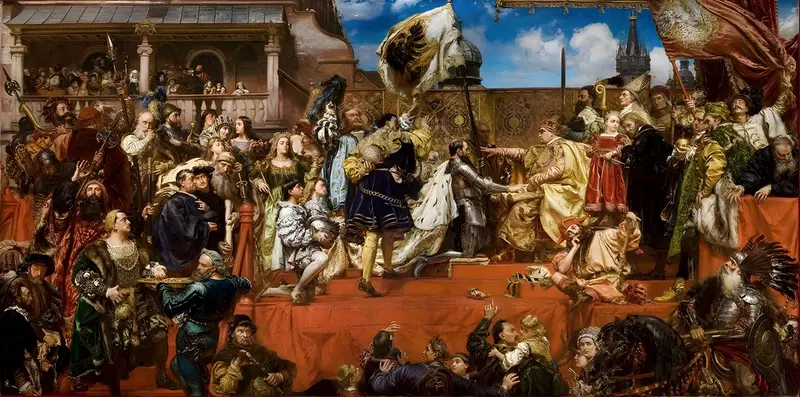
Prussian Homage
Jan Matejko





