
Kraal — History & Facts
The muted hues of an ancient landscape echo with whispers of longing, beckoning the viewer to delve deeper into its narrative. A sense of place unfolds, rich with history, where every brushstroke carries the weight of unspoken stories. Look to the center where a krall emerges, its simple structure composed of worn earth and weathered wood. The muted browns and greens dominate the palette, conjuring an atmosphere that feels both grounded and ethereal.
Notice how the contrasts between light and shadow play across the scene, inviting contemplation. Each corner of the artwork is imbued with texture, suggesting a life shaped by the hands that built and inhabited this space. Yet, there is an emotional tension that weaves through the simple setting. The absence of figures evokes feelings of solitude and yearning, hinting at the inhabitants who once thrived here; their echoes linger long after they have departed.
The krall stands as a silent witness, a testament to the life cycles of joy and loss, evoking a longing that transcends time. It prompts questions about belonging and the fleeting nature of existence, leaving a powerful impression on the viewer’s heart and mind. This piece, believed to have been created between 600 and 1000, reflects the unknown artist's desire to capture the essence of community and isolation amidst a period marked by significant cultural transitions. Emerging in a world where oral traditions and spirituality defined existence, this artwork stands as an artifact of a past that continues to resonate within us today.
More Artworks by Unknown Artist
Browse all →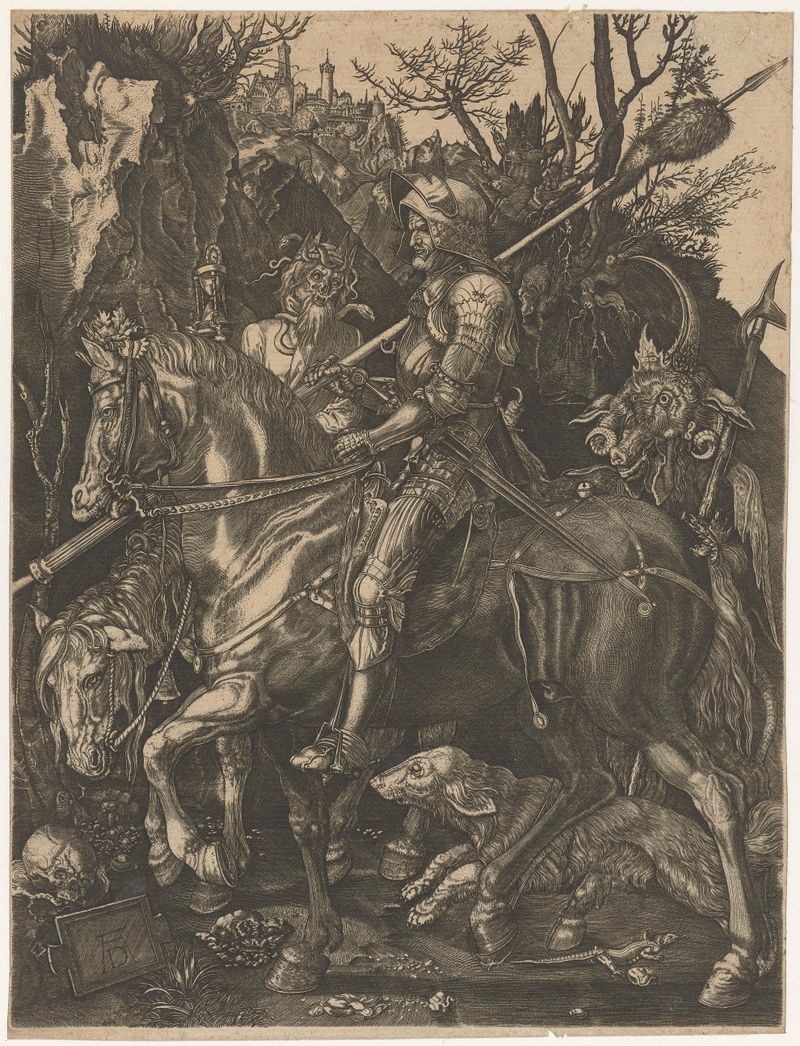
Ridder, Dood en Duivel
Unknown Artist
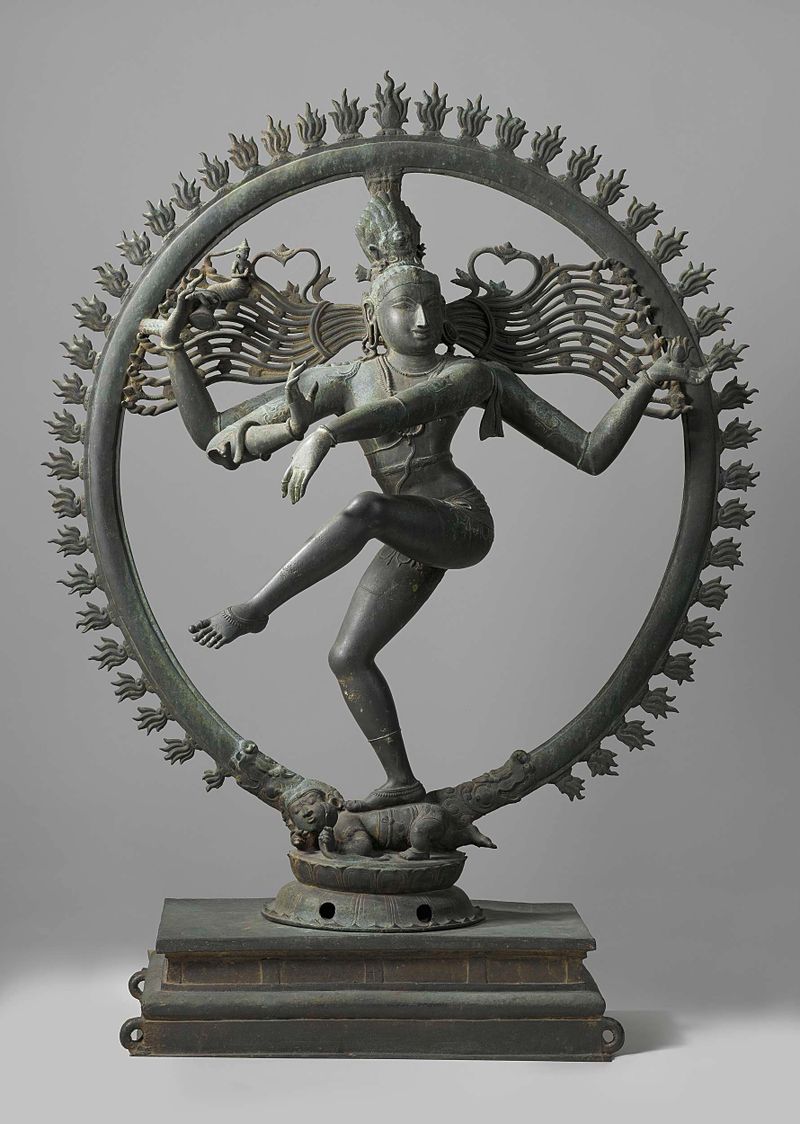
Shiva Nataraja
Unknown Artist
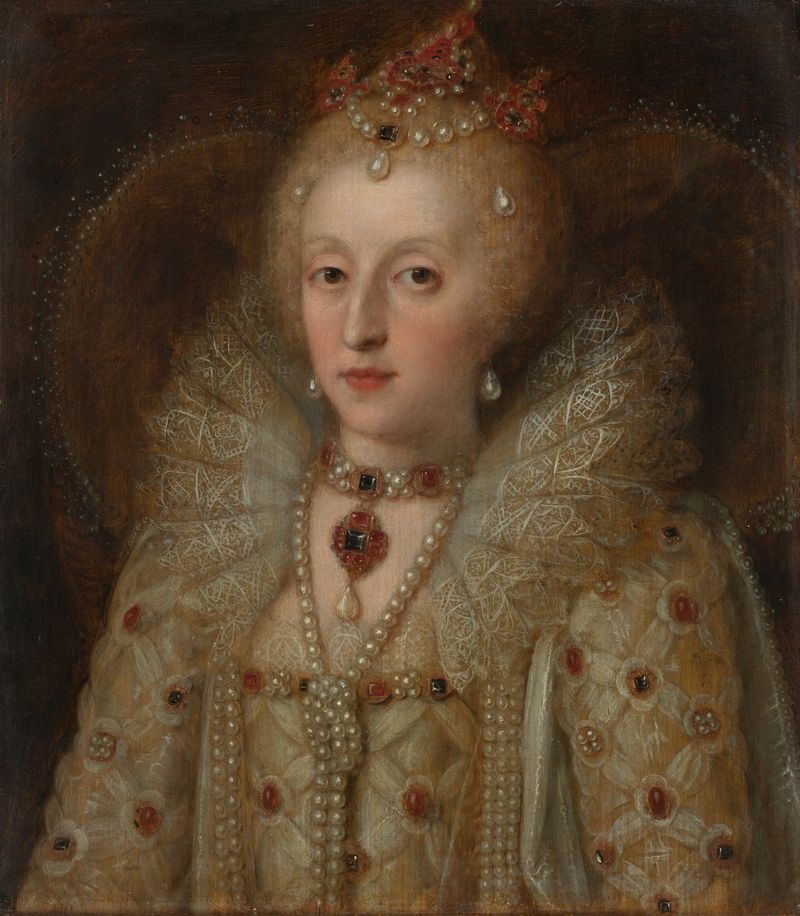
Portrait of Elizabeth I, Queen of England
Unknown Artist
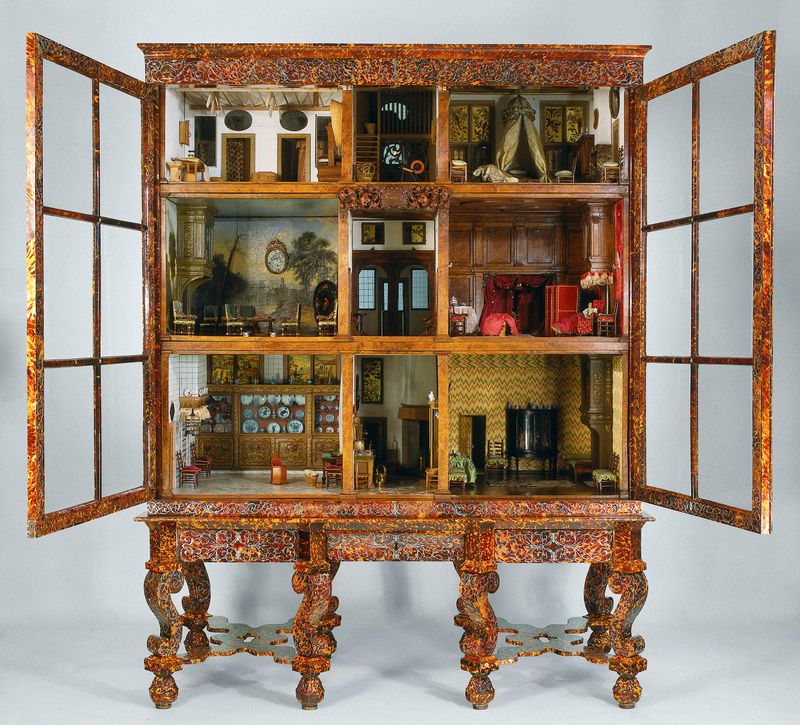
Dolls’ house of Petronella Oortman
Unknown Artist
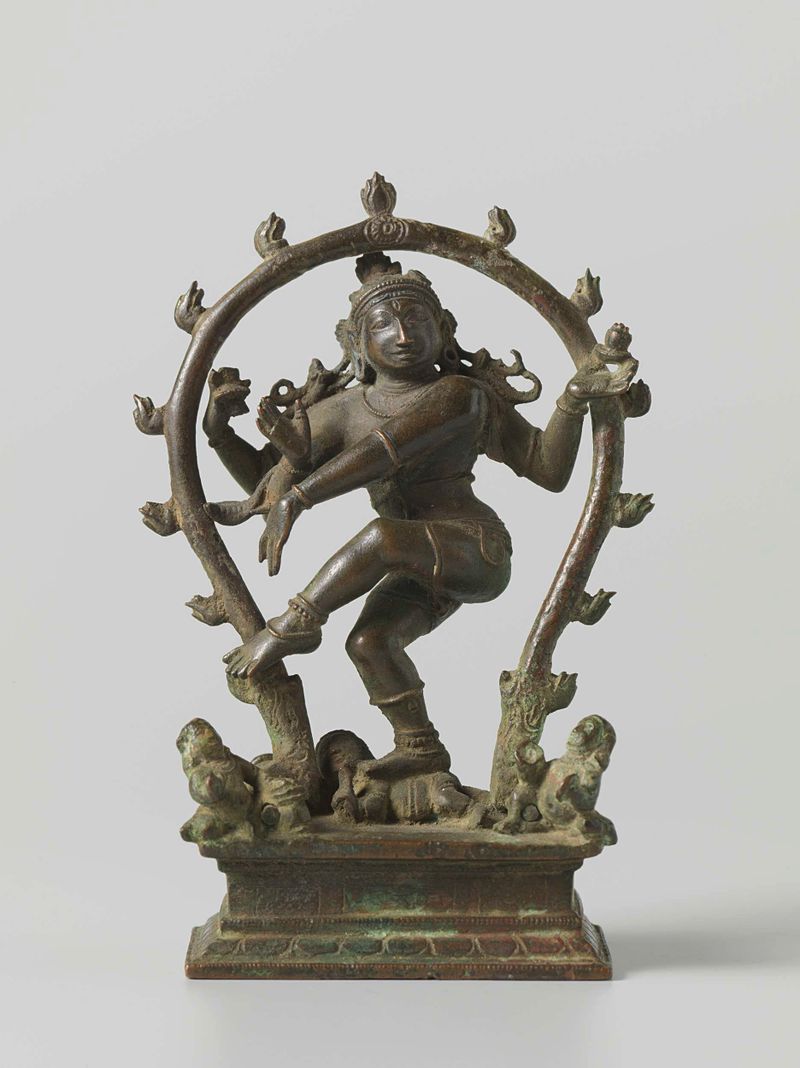
Shiva Nataraja
Unknown Artist

The Tale of Genji
Unknown Artist

The Tale of Genji
Unknown Artist

Cong
Unknown Artist
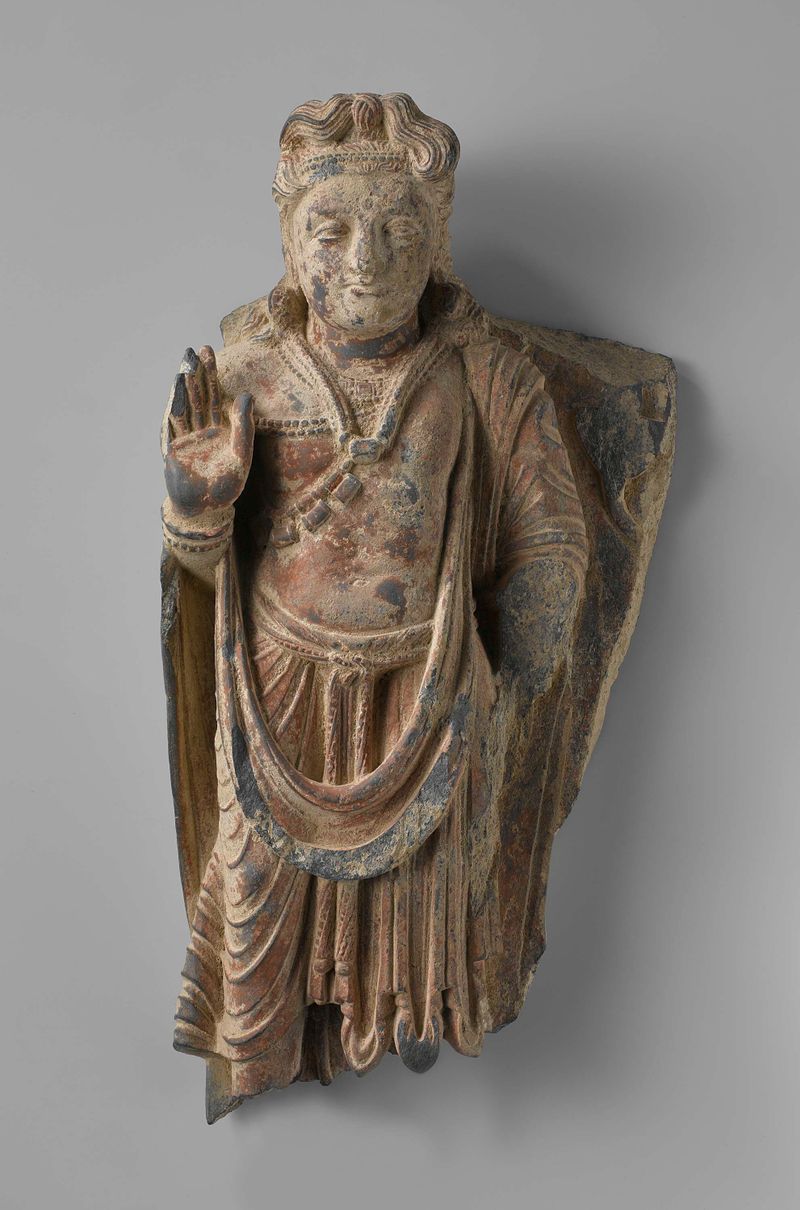
The bodhisattva Maitreya
Unknown Artist

Teabowl with a 'hare's fur' glaze
Unknown Artist





