
Kreuzgang des Augustinerklosters in Landau II — History & Facts
In the stillness of an Augustinian monastery, a profound sense of rebirth lingers, as if time itself is suspended, allowing the spirit of the past to breathe once more. The architecture speaks of resilience, each stone a testament to history, waiting patiently to whisper its stories. Look to the foreground, where the intricate arches of the cloister invite your gaze. Notice how the sunlight filters through the delicate latticework, casting intricate shadows that dance on the cool stone below.
The muted palette of earthy browns and soft grays creates a tranquil atmosphere, while the careful brushstrokes draw you into the depths of the scene, inviting contemplation and reflection. In this quiet space, emotional tensions arise from the juxtaposition of light and shadow, symbolizing the passage of time and the cycle of rebirth. The cloistered setting evokes a sense of sanctuary, yet there’s an underlying urgency in the light's embrace, suggesting an awakening or rediscovery. Each detail, from the weathered stones to the gentle folds of the drapery, speaks to the fragility and resilience of life itself. Created in 1912, this work emerged during a time of personal transition for Slevogt, reflecting his deepening engagement with the Impressionist movement.
Living in Germany, he was influenced by the cultural shifts of the early 20th century, where art began to explore themes of introspection and the fleeting nature of existence. This painting captures a moment of stillness at the cusp of change, echoing the broader currents in art and society at that time.
More Artworks by Max Slevogt
Browse all →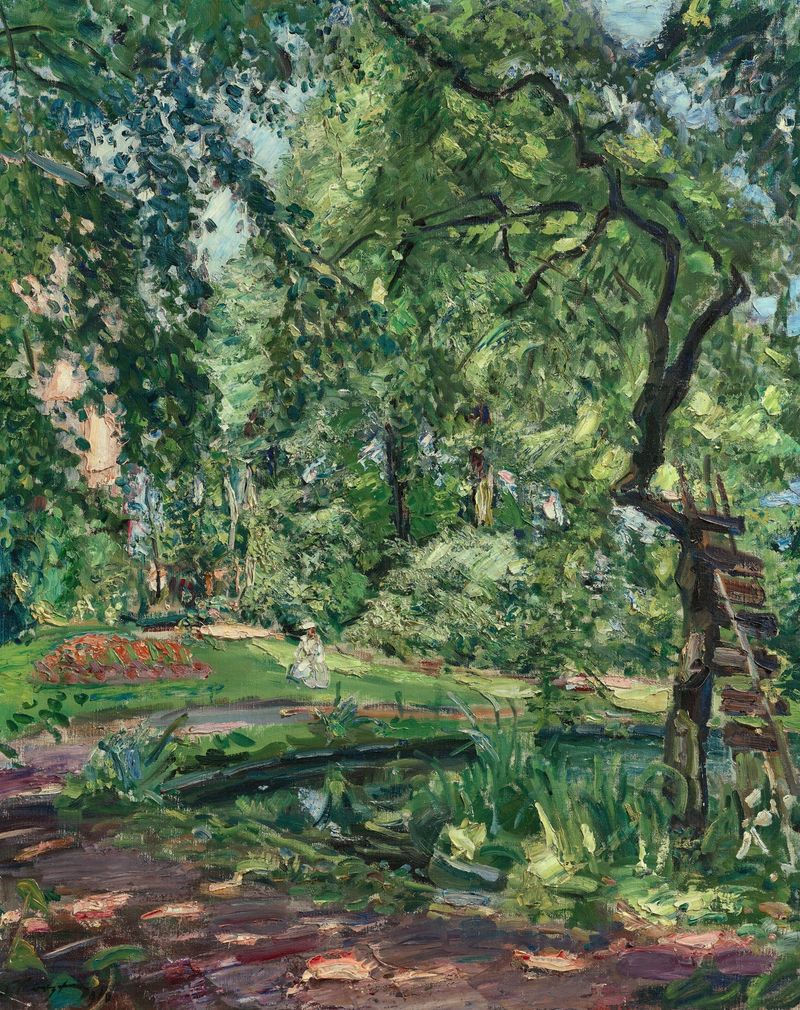
Garten in Godramstein mit verwachsenem Baum und Weiher
Max Slevogt
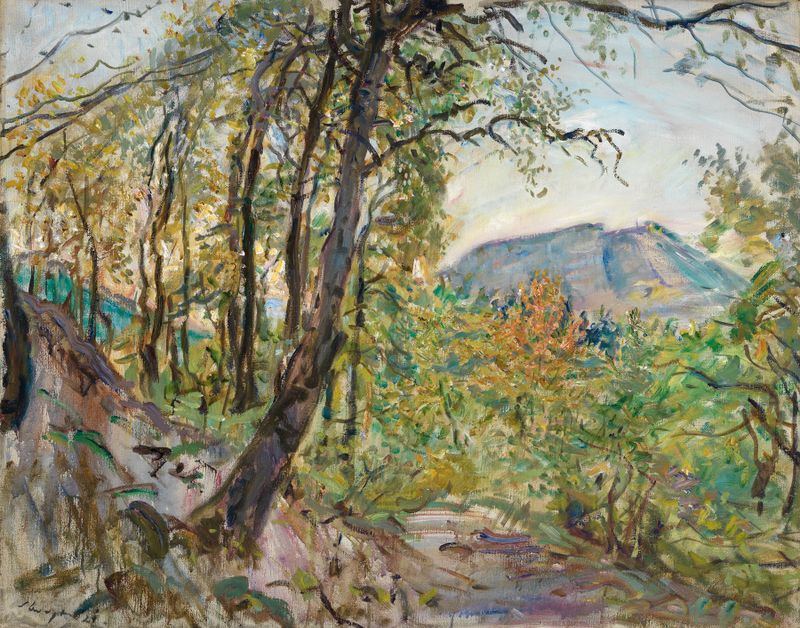
Pfälzische Landschaft
Max Slevogt
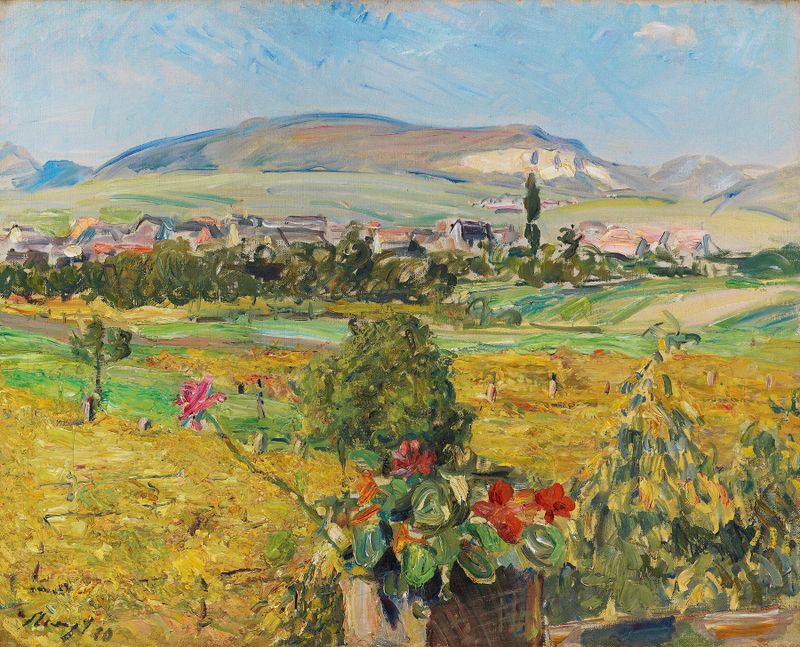
Pfälzer Landschaft
Max Slevogt

Kinder am Weiher (Garten in Godramstein)
Max Slevogt
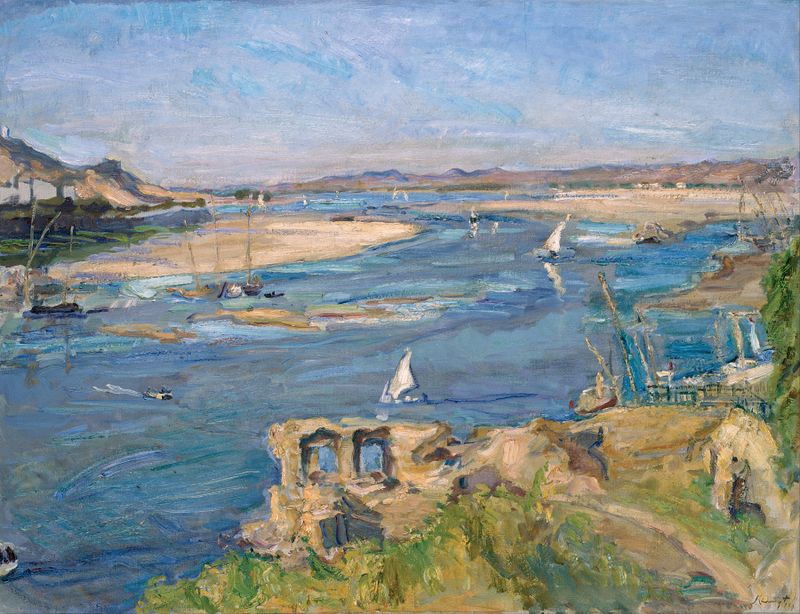
The Nile near Aswan
Max Slevogt
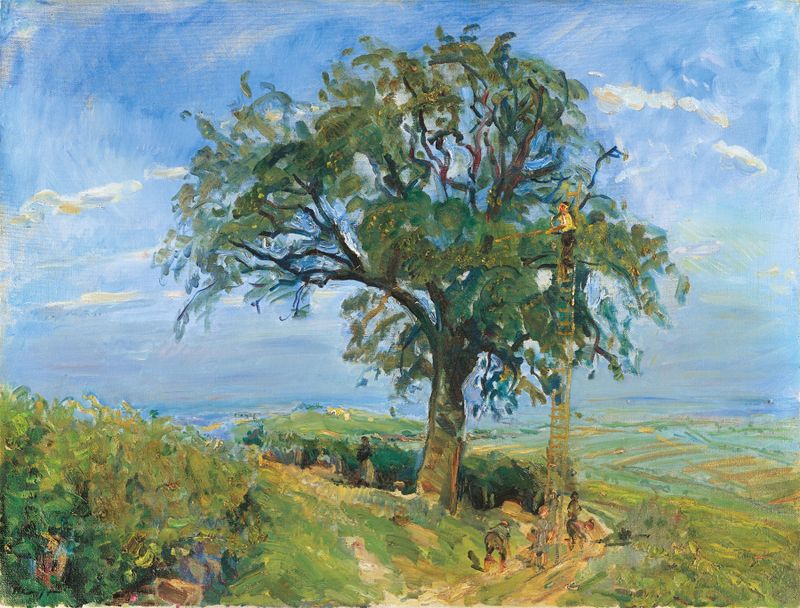
Fruit harvest in the Palatinate (The pear tree)
Max Slevogt
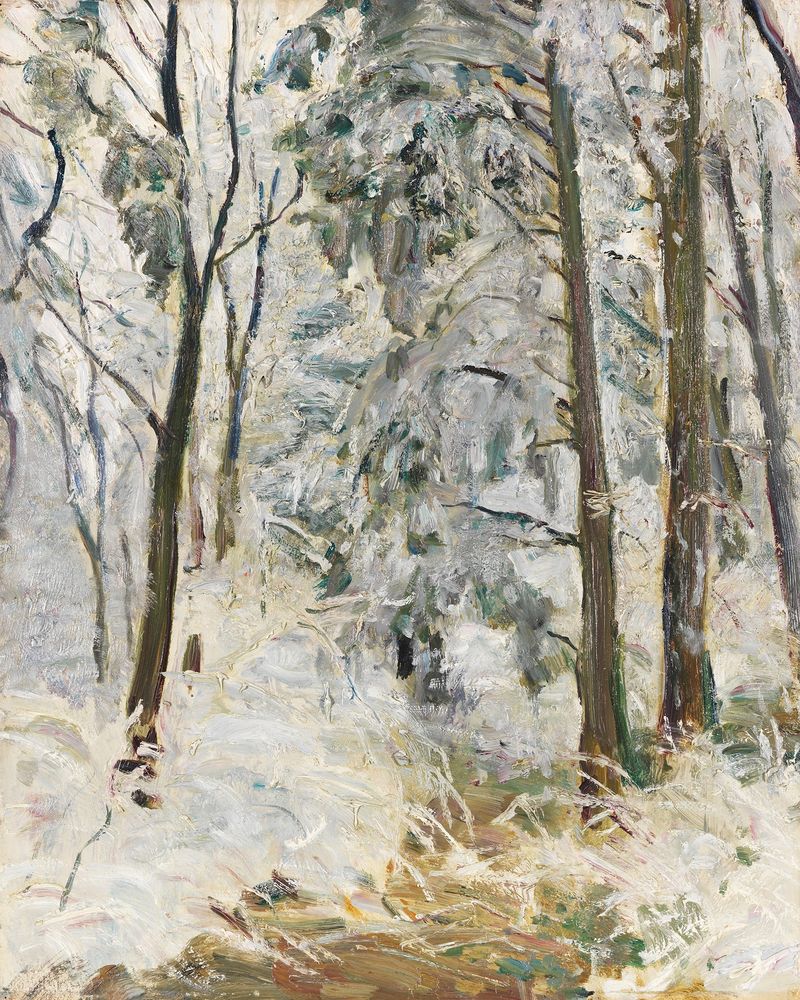
Verschneiter Waldweg
Max Slevogt
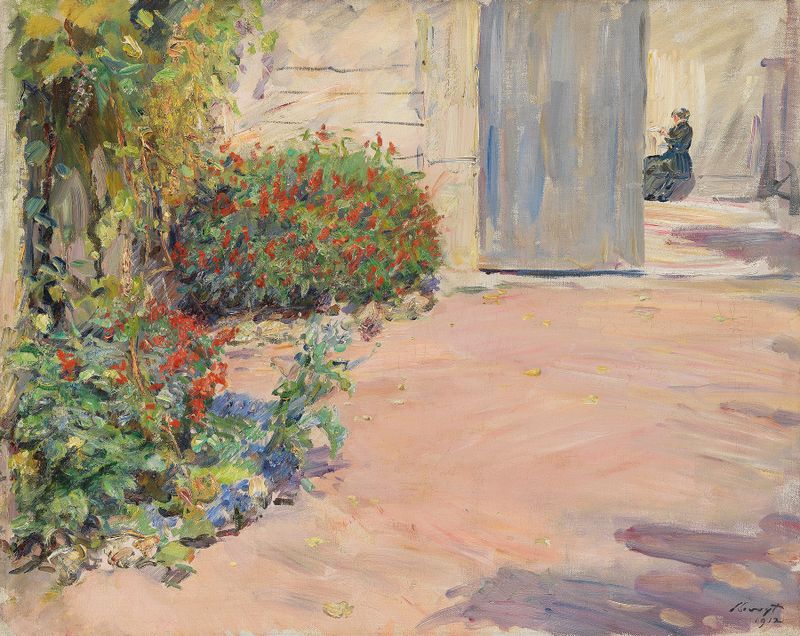
Gartenweg zum Sommerhaus (Godramstein)
Max Slevogt

Grape harvest at Neukastel
Max Slevogt
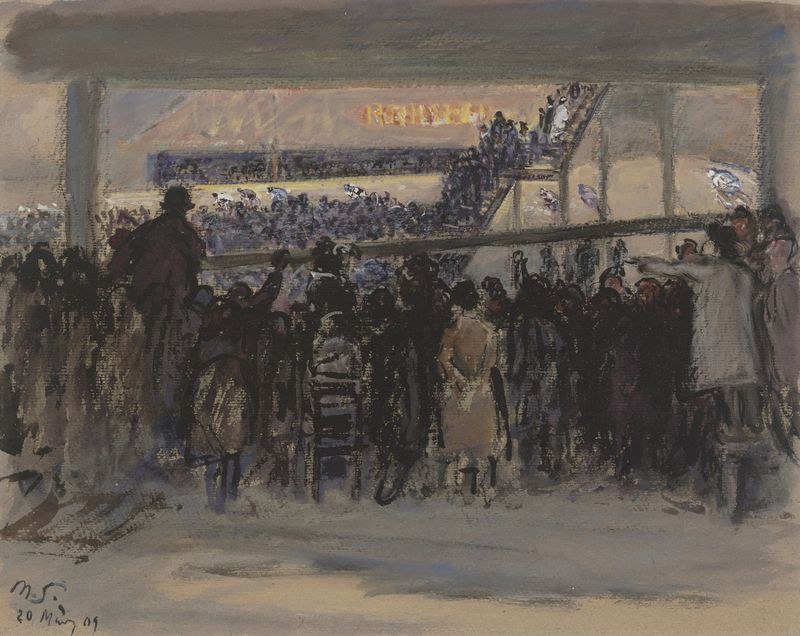
Berliner Sechstagerennen
Max Slevogt
More Architecture Art
Browse all →
The statue of Liberty
Frédéric Auguste Bartholdi

View of Houses in Delft, Known as ‘The Little Street’
Johannes Vermeer

View of Houses in Delft, Known as ‘The Little Street’
Johannes Vermeer

The Cathedral in Rouen. The portal, Grey Weather
Claude Monet

The yellow house
Vincent van Gogh

The Church in Auvers-sur-Oise, View from the Chevet
Vincent van Gogh