
Księżyc nad wsią — History & Facts
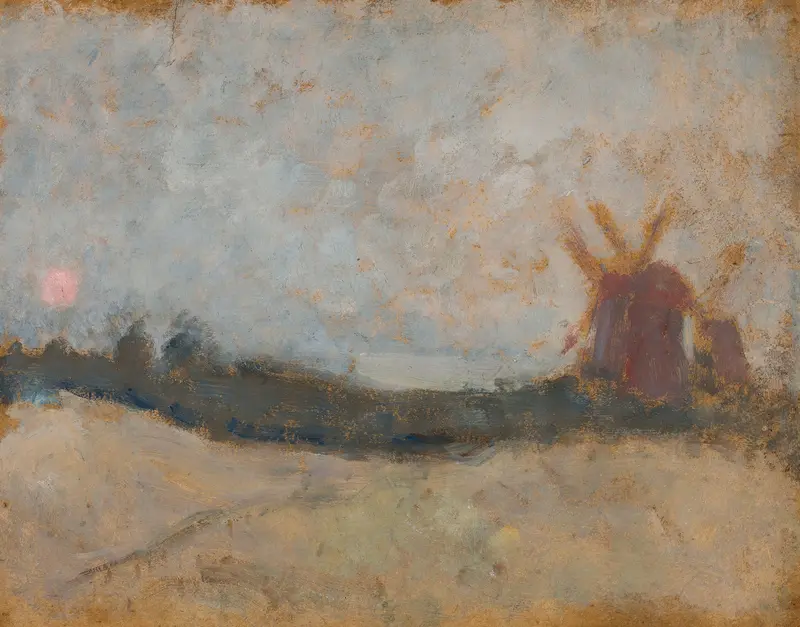
Look to the center of the canvas, where the gentle, silvery glow of the moon bathes the fields in a soft luminescence. Notice how the artist employs a muted palette of blues and soft yellows, creating a dreamlike quality that invites contemplation. The simple, rustic houses, outlined against the night sky, evoke a sense of peaceful isolation, while the wisps of clouds curling around the moon add an ethereal touch, suggesting both comfort and the unknown. Yet beneath this serene surface lies an undercurrent of tension.
The stark contrast between the tranquility of the village and the vastness of the night sky raises questions about solitude and connection. The moon, a timeless observer, seems to hold secrets of those beneath its gaze, inviting the viewer to ponder the stories hidden within the shadows. Each brushstroke speaks to a deeper narrative of longing, encapsulated in the stillness of a moment that is almost too perfect. In 1906, as Tadeusz Makowski painted this work, he was navigating the complexities of his artistic identity in Paris while drawing inspiration from his Polish roots.
The world was on the cusp of modernity, and the artist was influenced by both the burgeoning avant-garde movements and the rich traditions of his homeland. This piece reflects his desire to fuse the simplicity of rural life with the poetic sensibilities of the era, creating a harmonious dialogue between history and modernity.
More Artworks by Tadeusz Makowski

Pejzaż wiosenny
Tadeusz Makowski
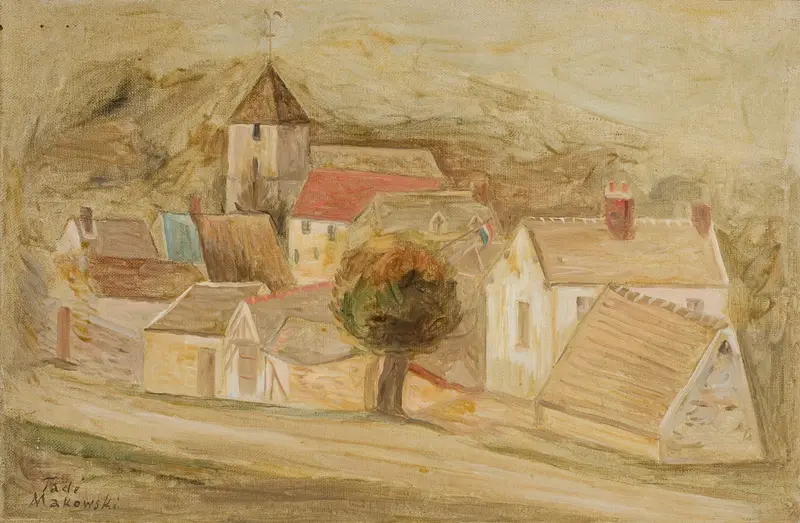
Miasteczko
Tadeusz Makowski
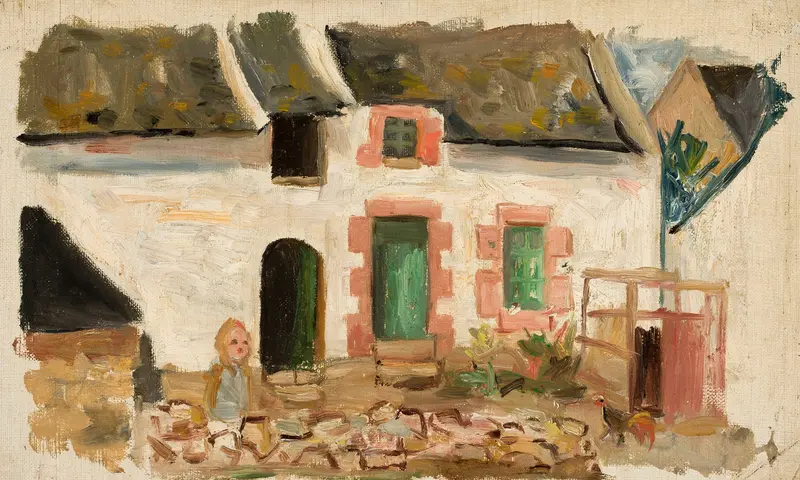
Dziecko przed domem
Tadeusz Makowski
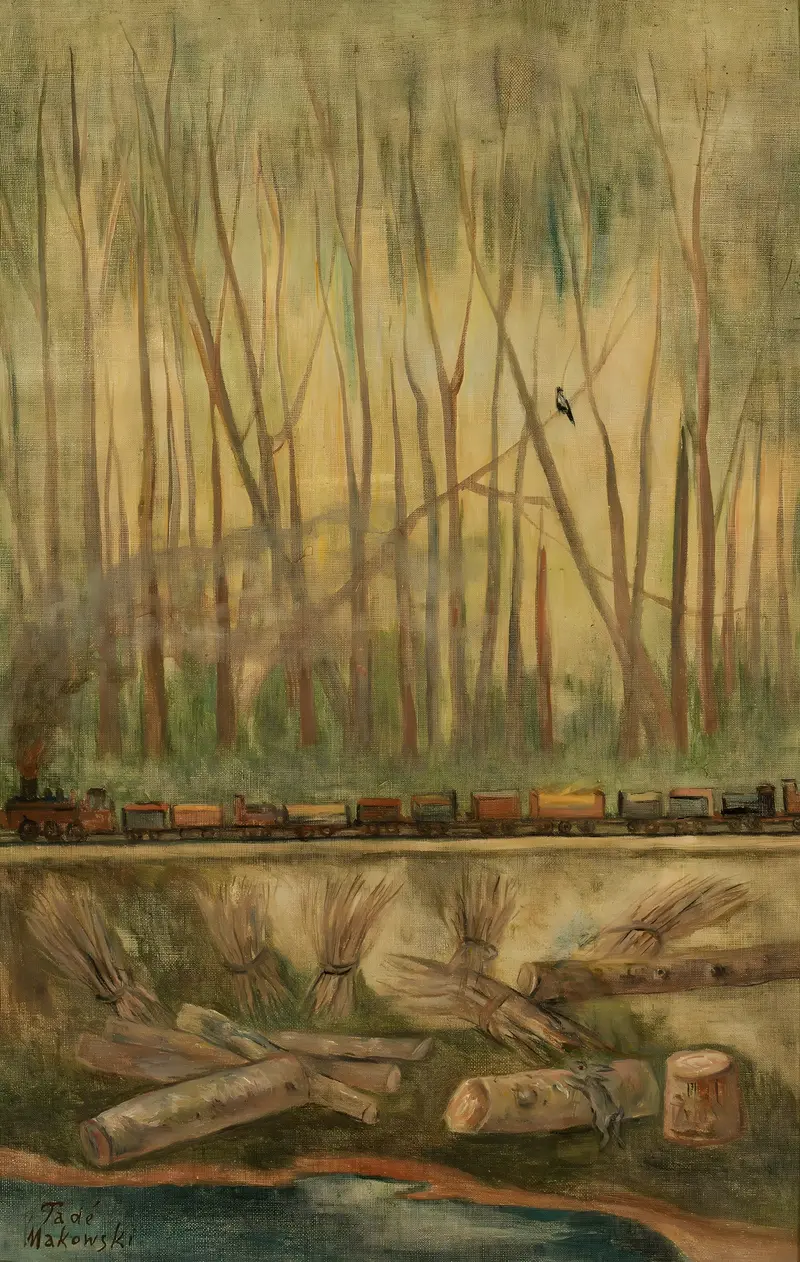
Pociąg
Tadeusz Makowski
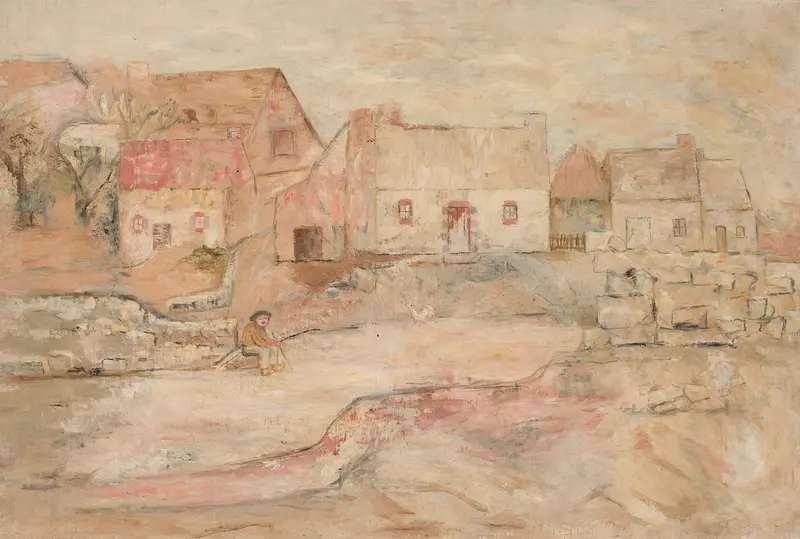
Pejzaż bretoński z siedzącym człowiekiem
Tadeusz Makowski
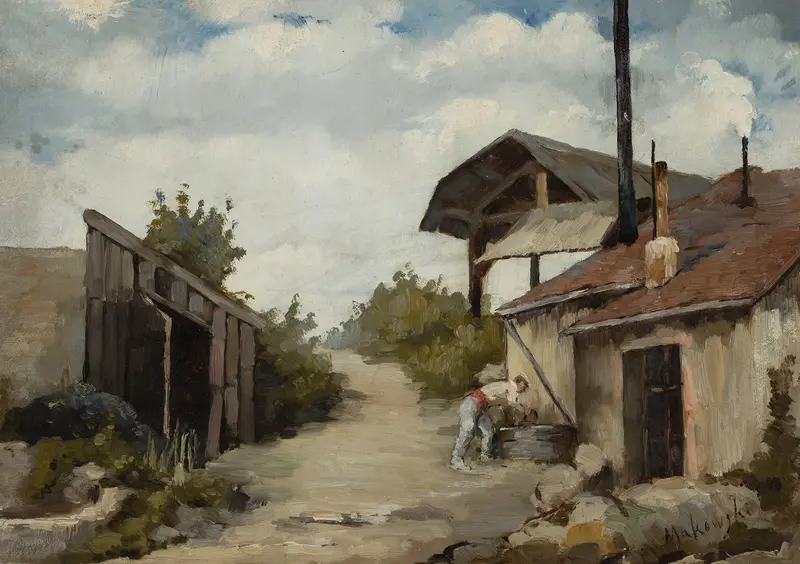
Landscape – Farmstead
Tadeusz Makowski
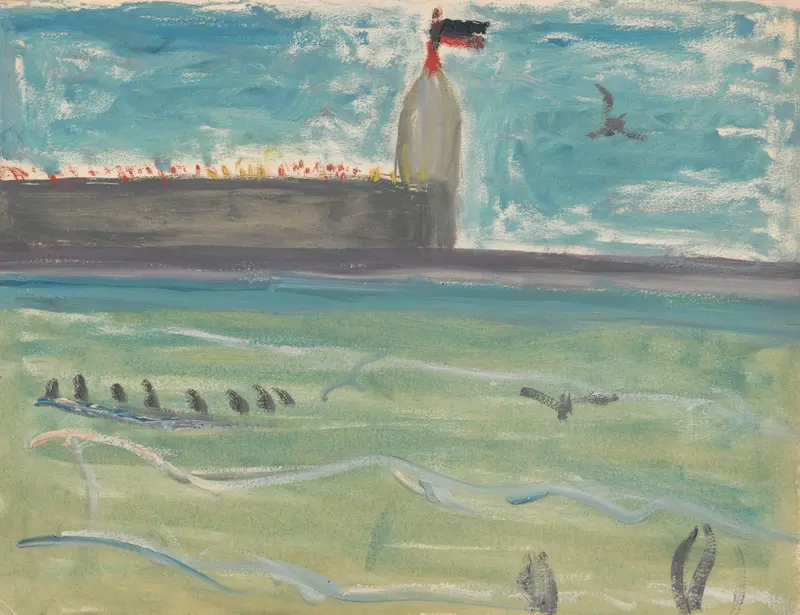
Latarnia morska w Tréport
Tadeusz Makowski
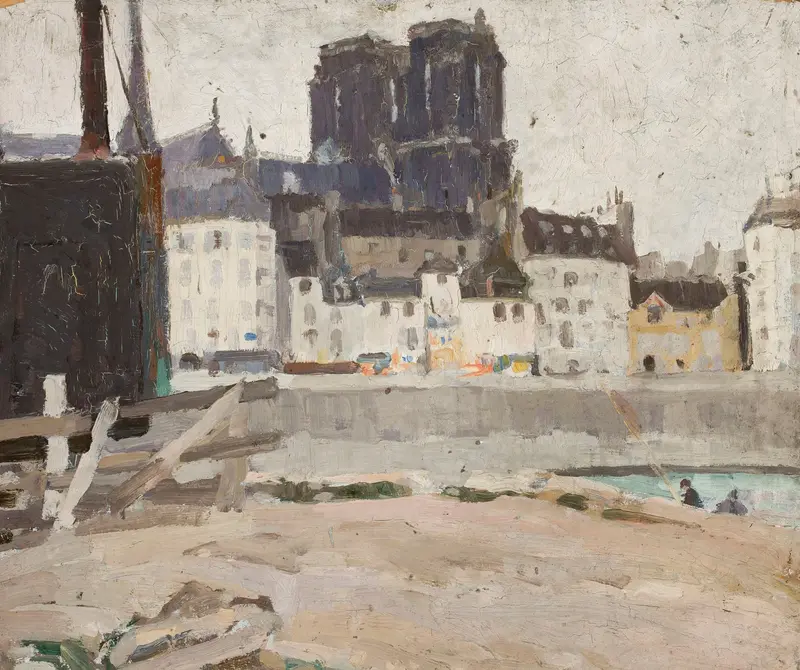
Landscape with Notre-Dame Cathedral
Tadeusz Makowski
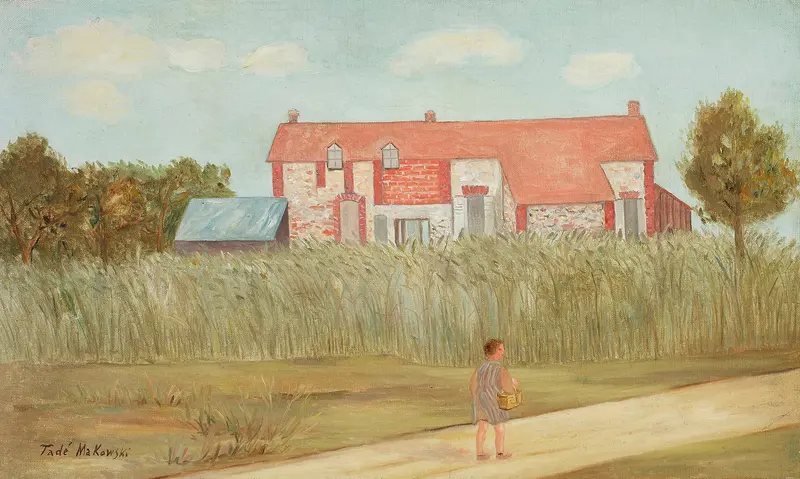
Lato w Normandii
Tadeusz Makowski
Pejzaż z wiatrakami
Tadeusz Makowski
More Landscape Art

Starry Night
Vincent van Gogh

View of Delft
Johannes Vermeer

Water Lilies
Claude Monet

The Grand Canal, Venice, looking north-west from the Ca' Corner to the Ca' Contarini degli Scrigni, with the campanile of Santa Maria della Carità
Canaletto

Windsor Castle
Canaletto

The Grand Canal looking North-East from the Palazzo Dolfin-Manin to the Rialto Bridge
Canaletto