
Kustgebergte — History & Facts
A restless energy seems to pulse beneath the surface of Kustgebergte, drawing the viewer into the thick, textured brushwork that defines both the land and the water. The coastline rises abruptly, its ochres and rusts bleeding into one another, while the sky presses down in a haze of muted blue and grey. The eye is pulled along the jagged ridge, then down to the shimmering water, where a small, shadowy boat floats—almost lost amid the painter’s vivid, tactile strokes.
Each patch of color feels chosen for its weight and warmth, suggesting the heat of sun on stone, the coolness of water, and the slow movement of clouds overhead. Painted between 1870 and 1880, this work by Adolphe Joseph Thomas Monticelli belongs to a moment when artists were breaking away from academic precision, embracing instead the immediacy of sensation and the drama of paint itself. Monticelli’s technique—thick, impasto layers and a palette that seems to vibrate—anticipates the later innovations of the Impressionists, yet remains rooted in his own, idiosyncratic vision. Such coastal scenes were often painted for a rising class of urban collectors, eager for glimpses of wild, unspoiled nature.
Today, Kustgebergte resides in the Rijksmuseum collection, a testament to a restless, searching period in nineteenth-century art. Let your gaze linger on the surface; the story here is written in the paint.
More Artworks by Adolphe Monticelli

Portrait of a Lady
Adolphe Monticelli
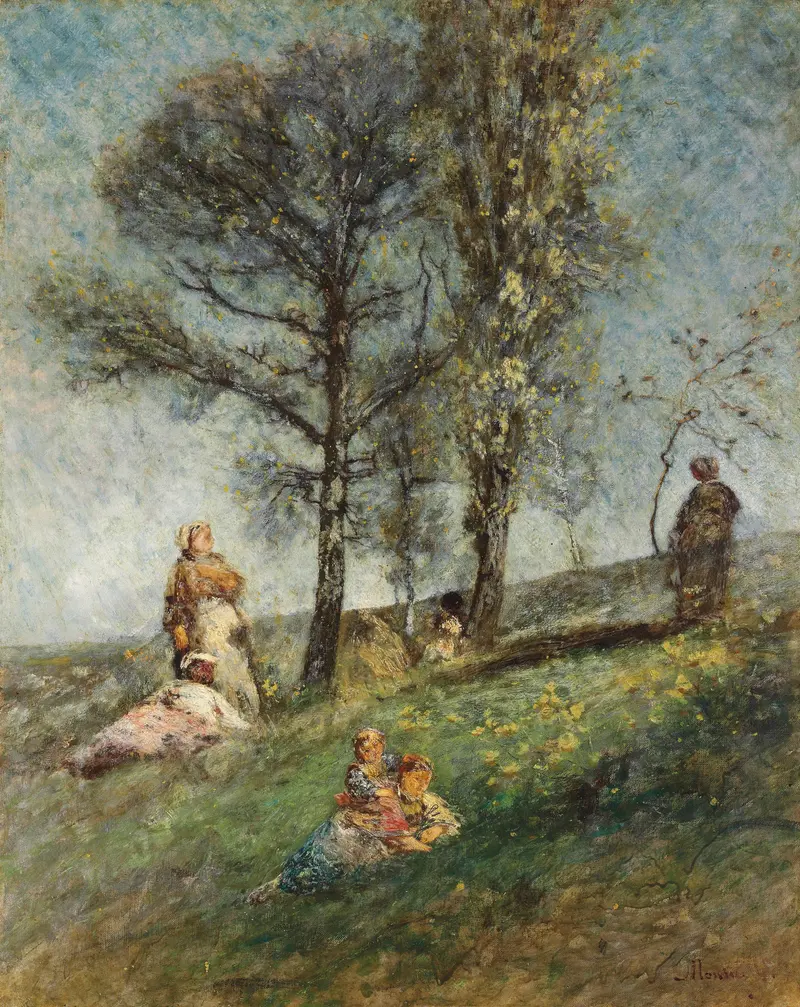
A Young Family Under Trees On A Hill
Adolphe Monticelli

Fête d'Après-Midi
Adolphe Monticelli
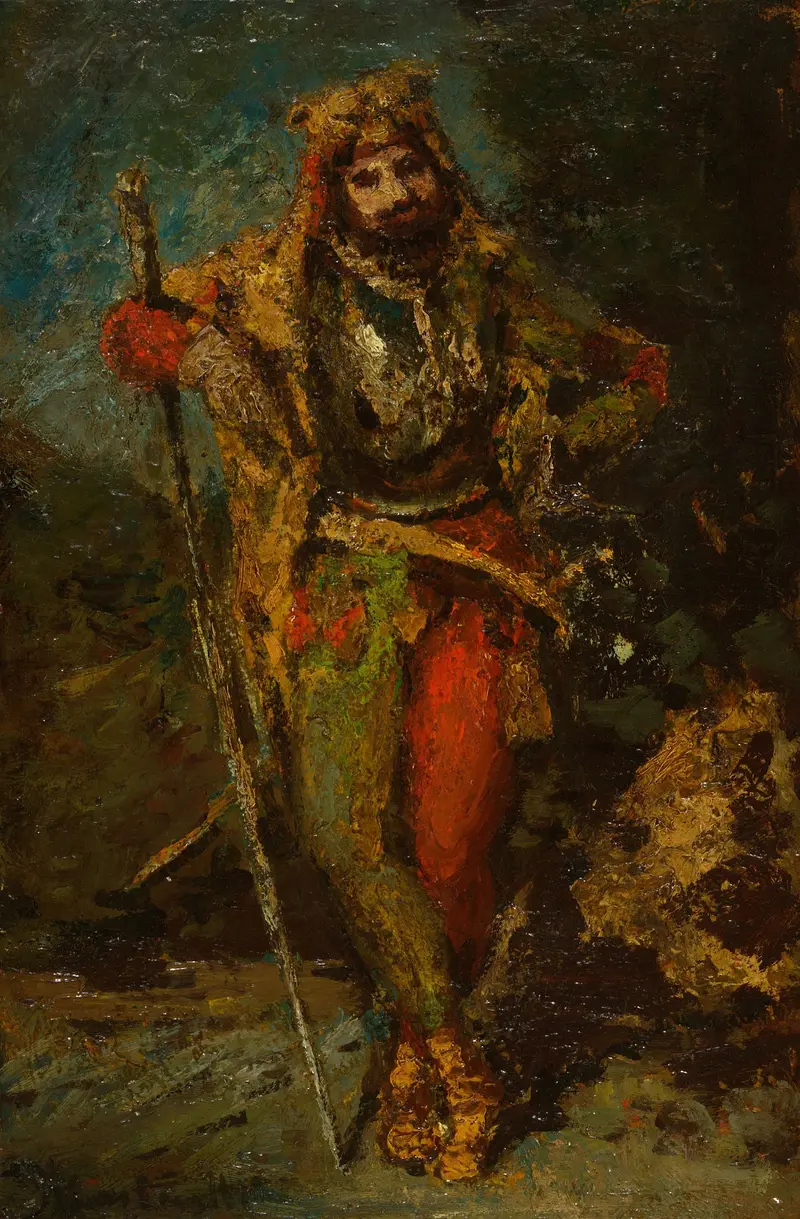
Mephisto from the Opera Faust
Adolphe Monticelli
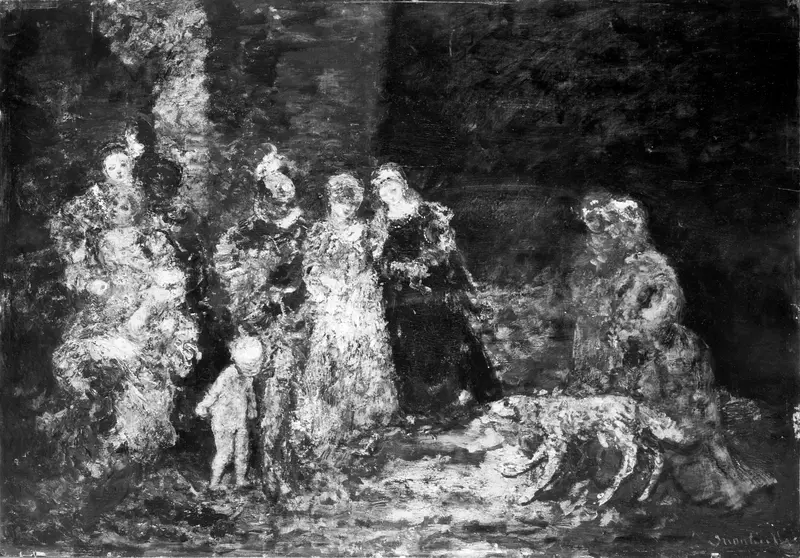
The Fairies
Adolphe Monticelli
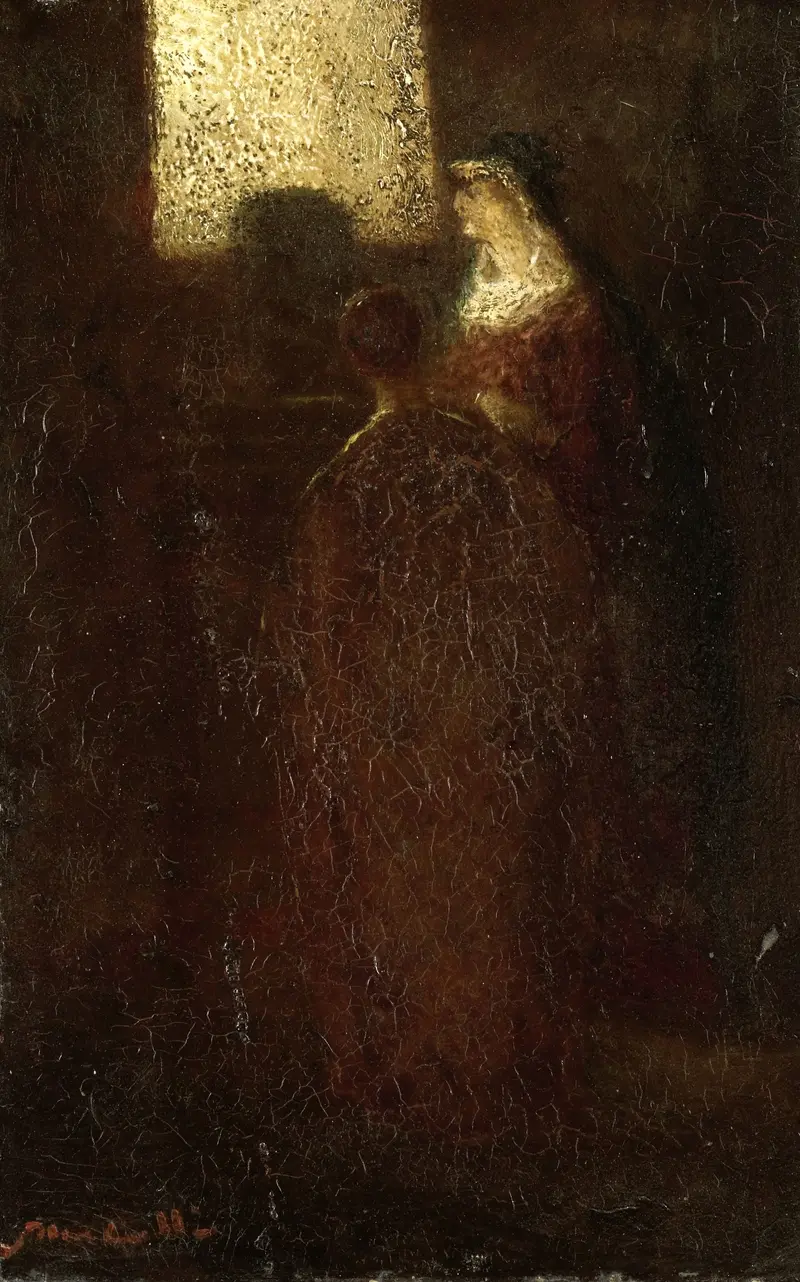
Aan het altaar
Adolphe Monticelli
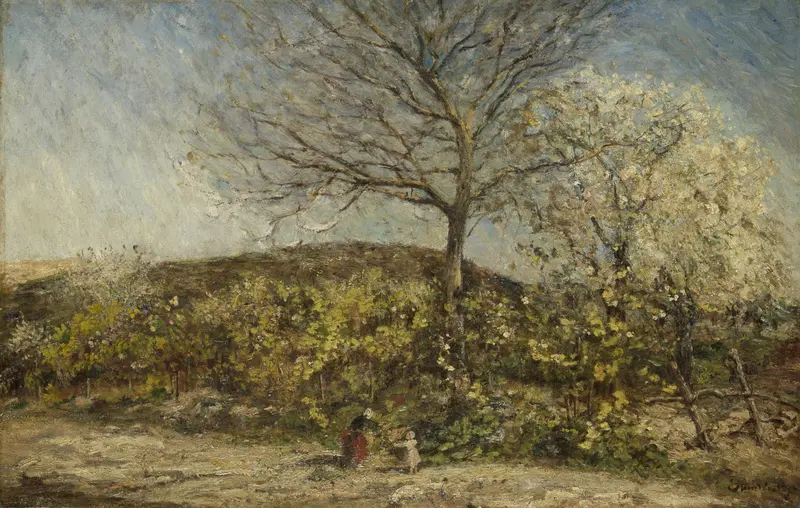
Landschap met bloeiende boomgaard
Adolphe Monticelli
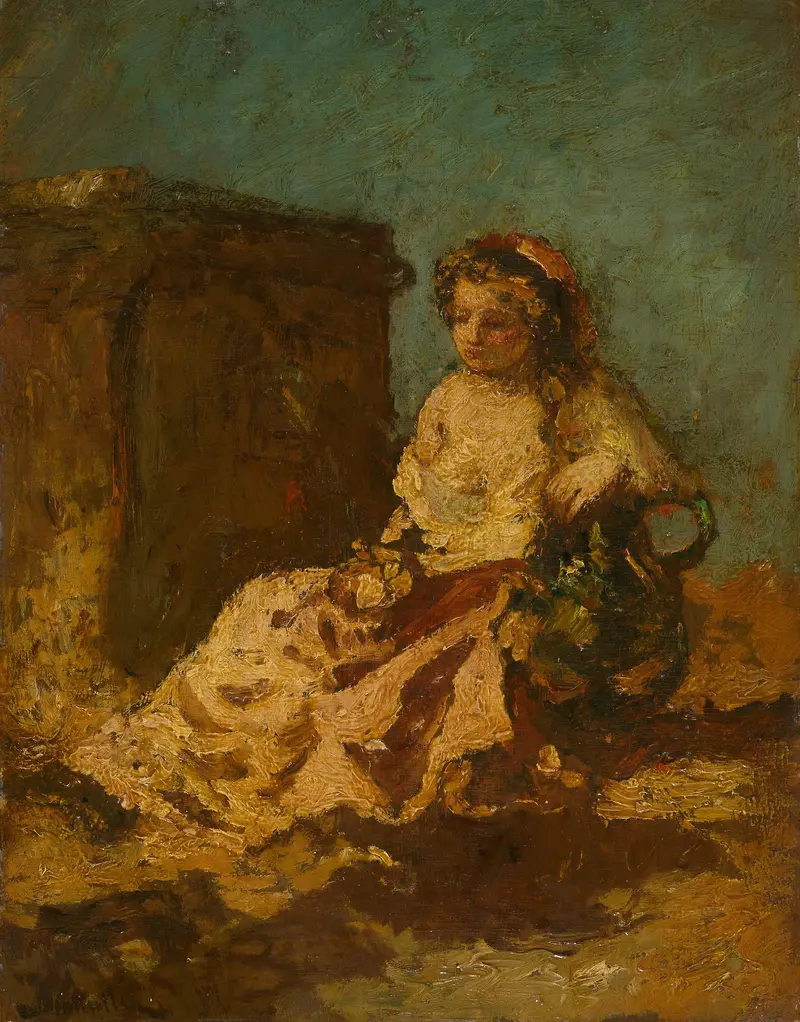
Meditation (Seated Woman)
Adolphe Monticelli
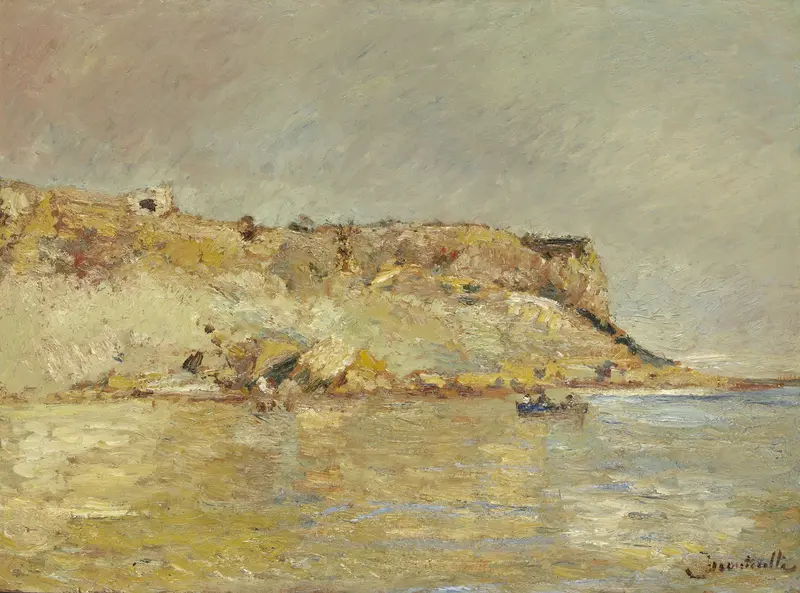
Coastal Mountains
Adolphe Monticelli
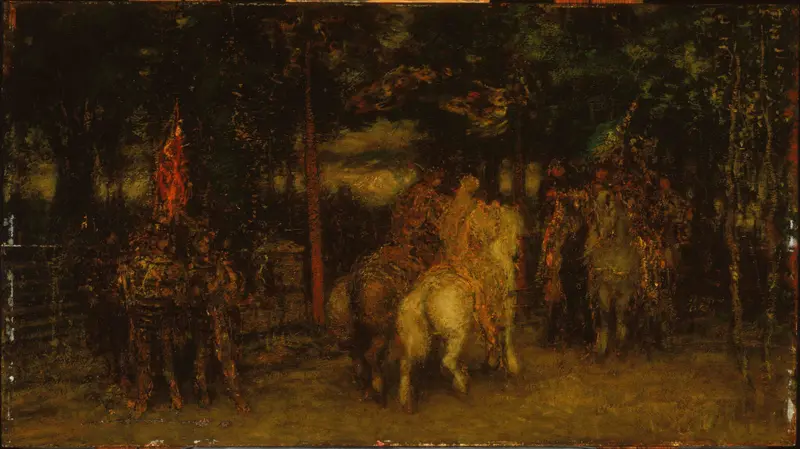
Landscape with Figures
Adolphe Monticelli





