
L'Assommoir — History & Facts
What draws the eye first is not the bold yellow of the playbill, but the charged hush between the two figures at the café table. The woman’s posture, leaning back with a hand braced on the wicker basket, suggests both fatigue and wariness, while her companion leans in, intent and almost conspiratorial. Their glasses—half-full, the bottle nearly empty—speak to a long evening, and the world-worn faces behind the bar only deepen the sense of a Paris where hope and hardship meet over cheap drink.
The palette, all ochres and greys, hints at the smoky, electric atmosphere of turn-of-the-century nightlife, but also the weight of Zola’s world: ordinary people, moments before their fortunes turn. This poster belongs to a moment when art spilled out of galleries and salons onto the streets of Paris. Created in 1900 to announce a stage adaptation of Émile Zola’s L’Assommoir at the Théâtre de la Porte-Saint-Martin, it is both advertisement and social document. Such affiches, mass-produced by printers like Charle Verneau, were the lifeblood of modern urban culture—designed to catch the crowd’s attention, but also to summon the gritty realism of Zola’s naturalist vision.
Little is recorded of this specific print’s journey, but its survival in a museum collection today lets us glimpse how the everyday dramas of the city were once headline news, writ large in ink and color for all to see.
More Artworks by Théophile Alexandre Steinlen

Village et charrette
Théophile Alexandre Steinlen
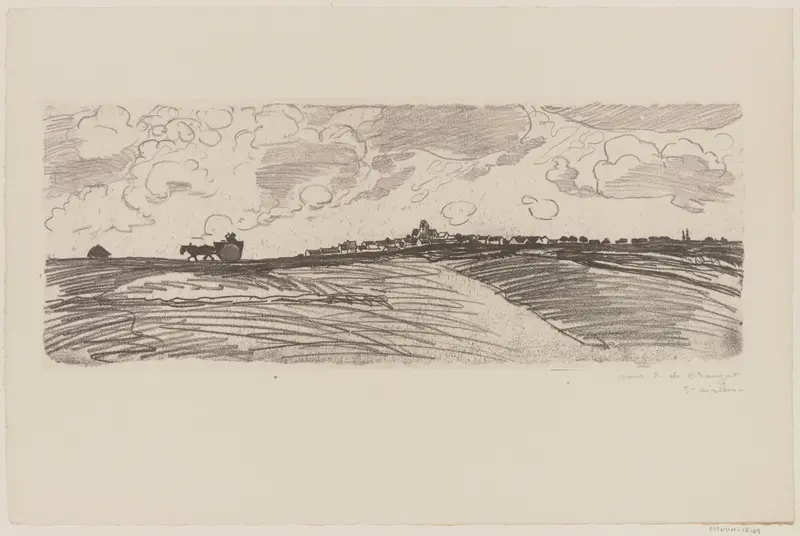
Village et charrette
Théophile Alexandre Steinlen
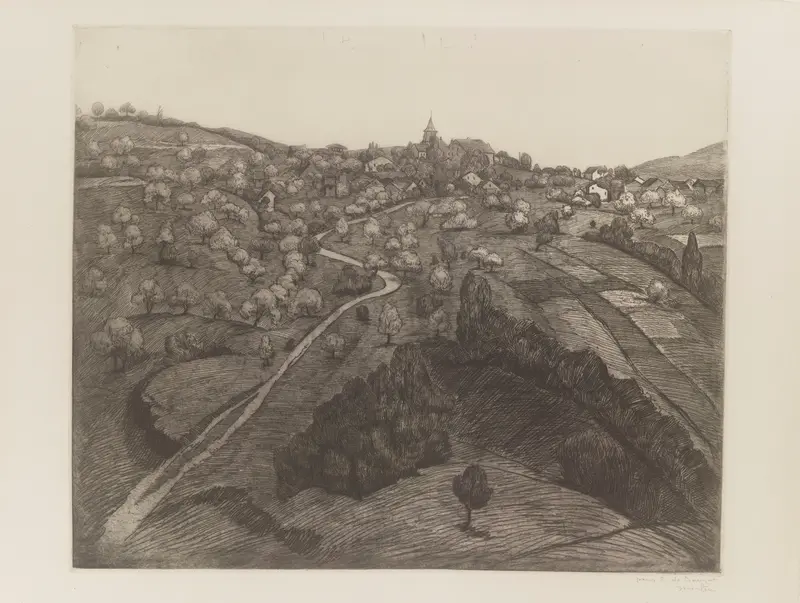
Vue de Belmont, près de Lausanne
Théophile Alexandre Steinlen
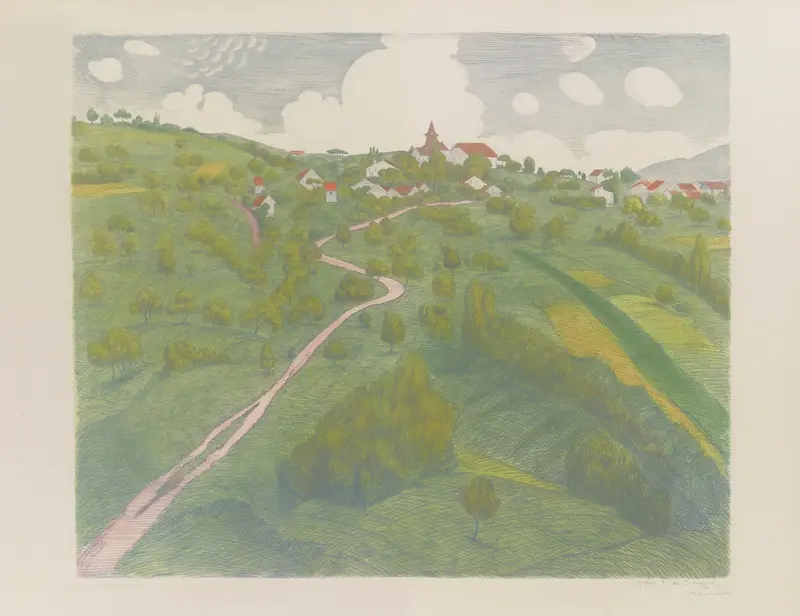
Vue de Belmont, près de Lausanne
Théophile Alexandre Steinlen
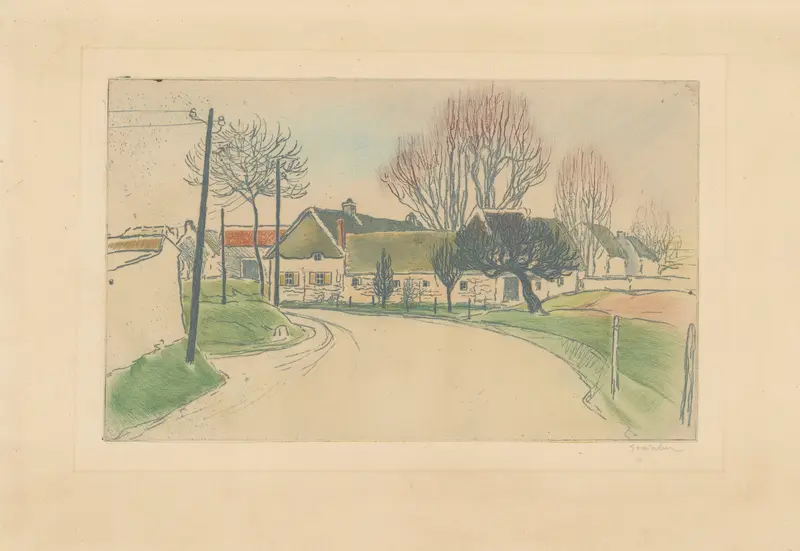
La maison à l’entrée du village
Théophile Alexandre Steinlen
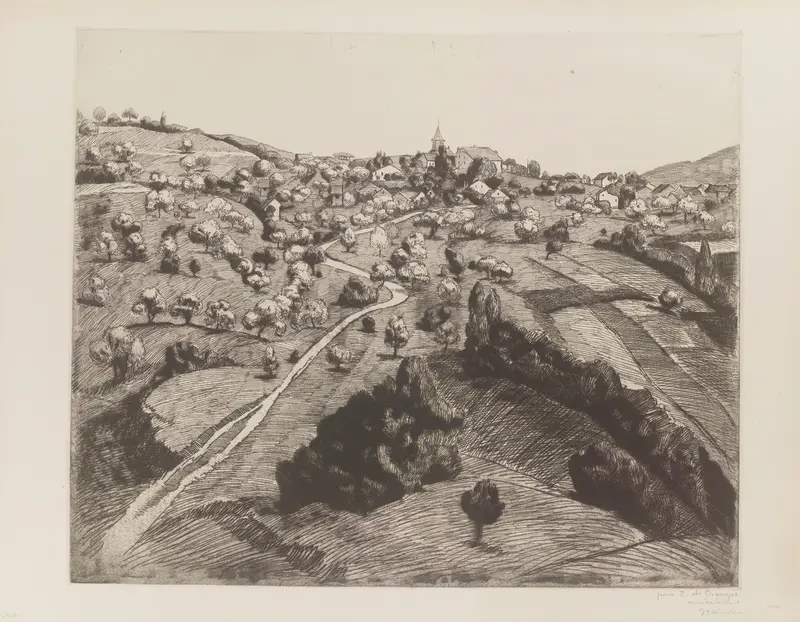
Vue de Belmont, près de Lausanne
Théophile Alexandre Steinlen
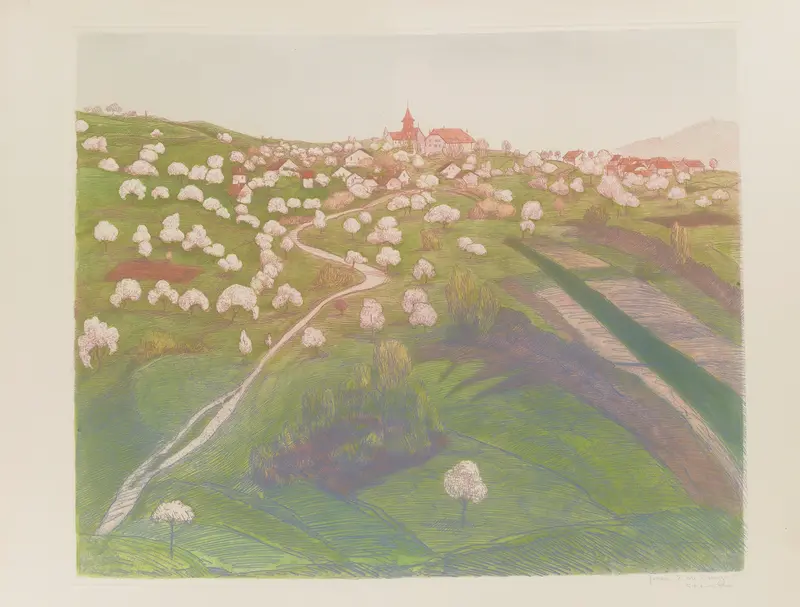
Vue de Belmont, près de Lausanne, n° 2
Théophile Alexandre Steinlen
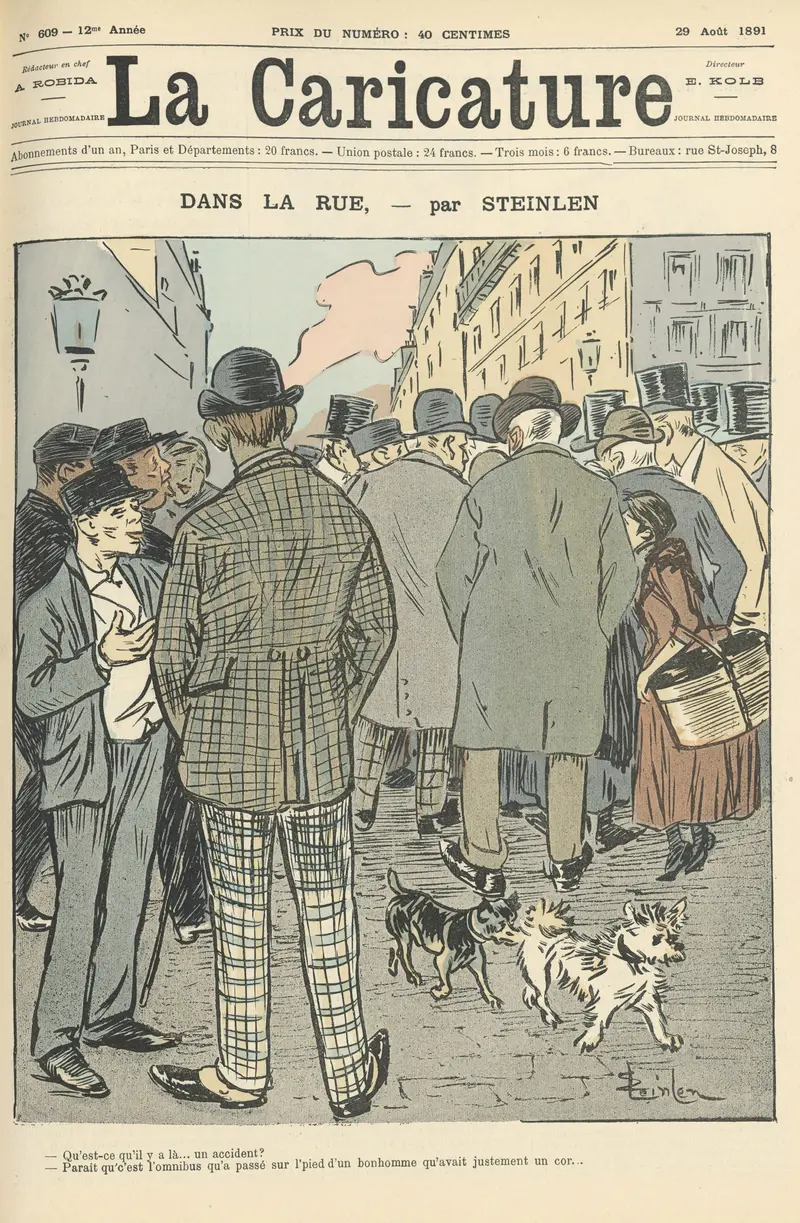
Dans la rue (La Caricature, 29 août 1891)
Théophile Alexandre Steinlen
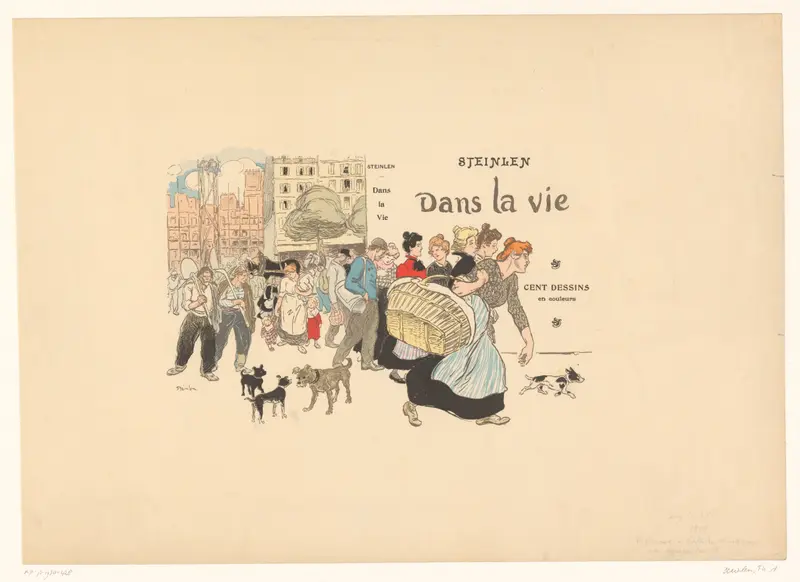
Dans la vie
Théophile Alexandre Steinlen
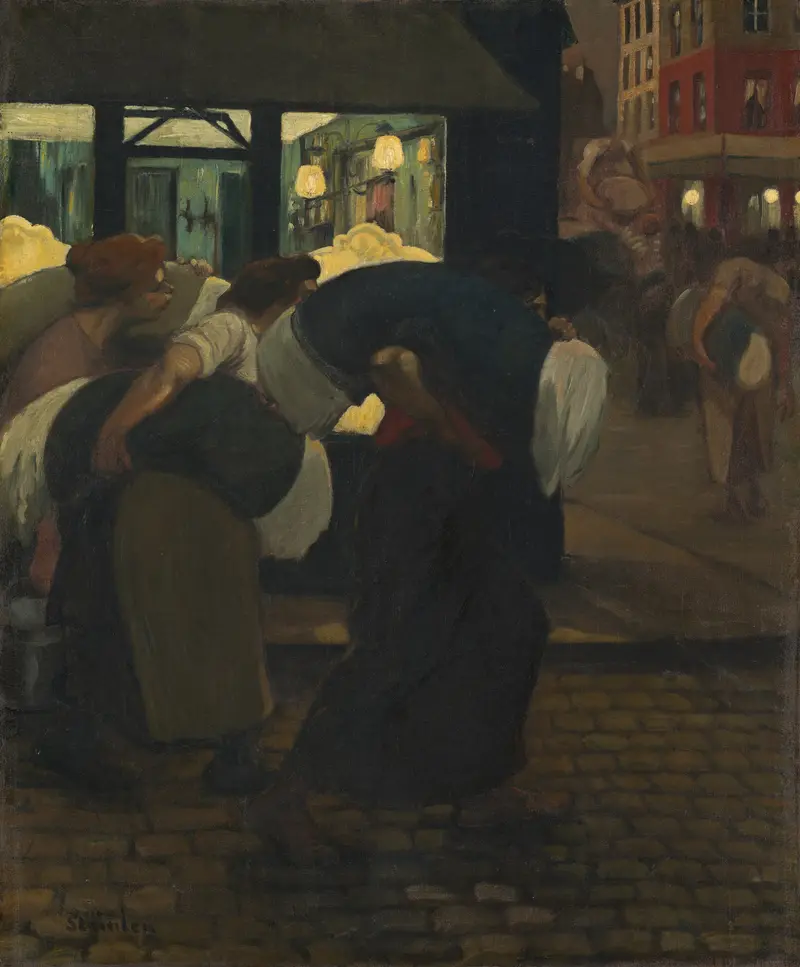
The Laundresses
Théophile Alexandre Steinlen
More Genre Scene Art

Banquet of the Officers of the St George Civic Guard
Frans Hals

Rembrandt and Saskia in the Scene of the Prodigal Son
Rembrandt van Rijn

Bal du moulin de la Galette
Pierre-Auguste Renoir

Quadrille at the Moulin Rouge
Henri de Toulouse-Lautrec

A Burial at Ornans
Gustave Courbet

When Will You Marry?
Paul Gauguin