Discover insights about this artwork
L’automne à Cagnes — History & Facts
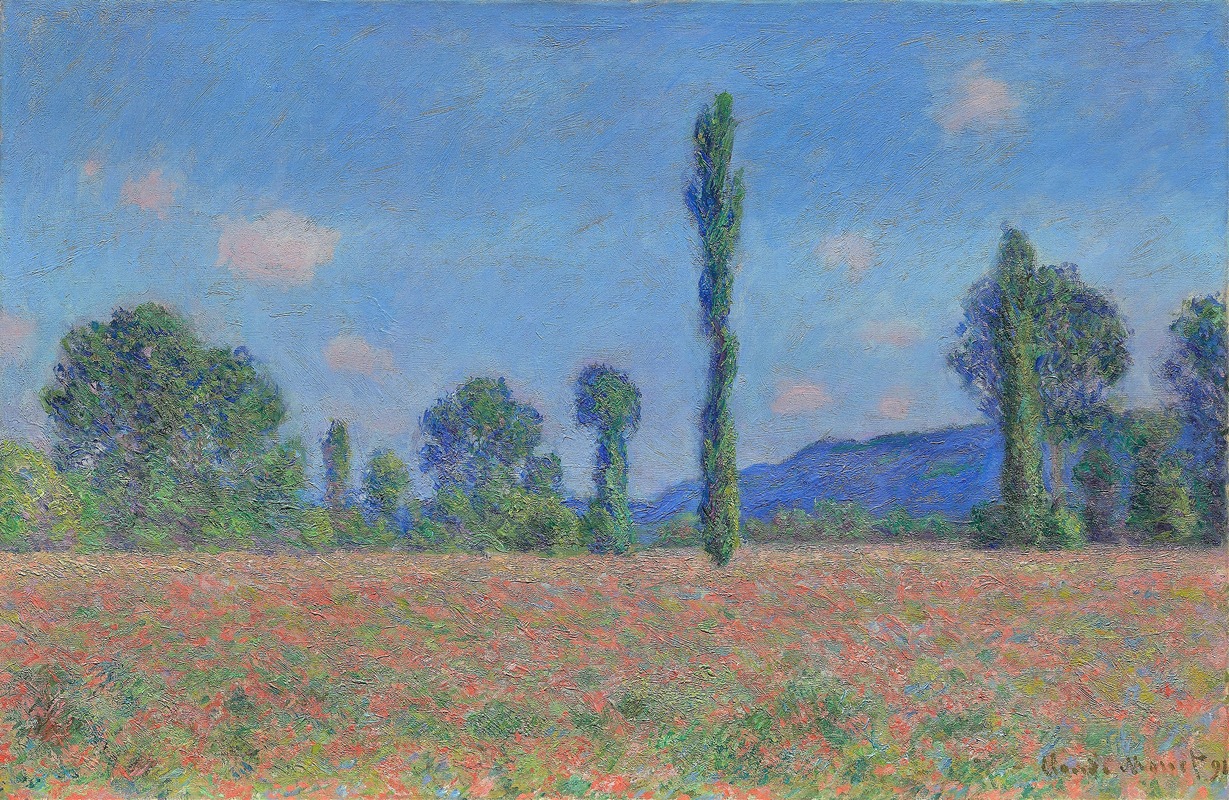
In L’automne à Cagnes, Henri Matisse presents a vibrant autumn landscape filled with rich colors. The painting features a variety of trees, their leaves transitioning from green to warm shades of orange and yellow. A soft blue sky provides a serene backdrop, while the ground is dotted with fallen leaves.
The overall composition is lively and inviting, drawing the viewer into the scene. This artwork is created using oil on canvas, a medium that allows for the bold application of color typical of Matisse's style. The brushwork is expressive, with visible strokes that add texture and movement to the landscape. The use of color is particularly striking, showcasing Matisse's Fauvist approach, where color is used to convey emotion rather than realism.
The dimensions of the painting are approximately 60 x 80 cm, making it a moderately sized piece. Henri Matisse painted L’automne à Cagnes during his time in the south of France, where he was inspired by the natural beauty of the region. This work reflects his transition towards a more simplified and expressive style, characteristic of the Fauvism movement. An interesting fact about this painting is that it captures the essence of autumn, a theme that Matisse explored in various works throughout his career.
Today, it is housed in the Musée d'Orsay, where it continues to attract art lovers.
More Artworks by Henri Matisse
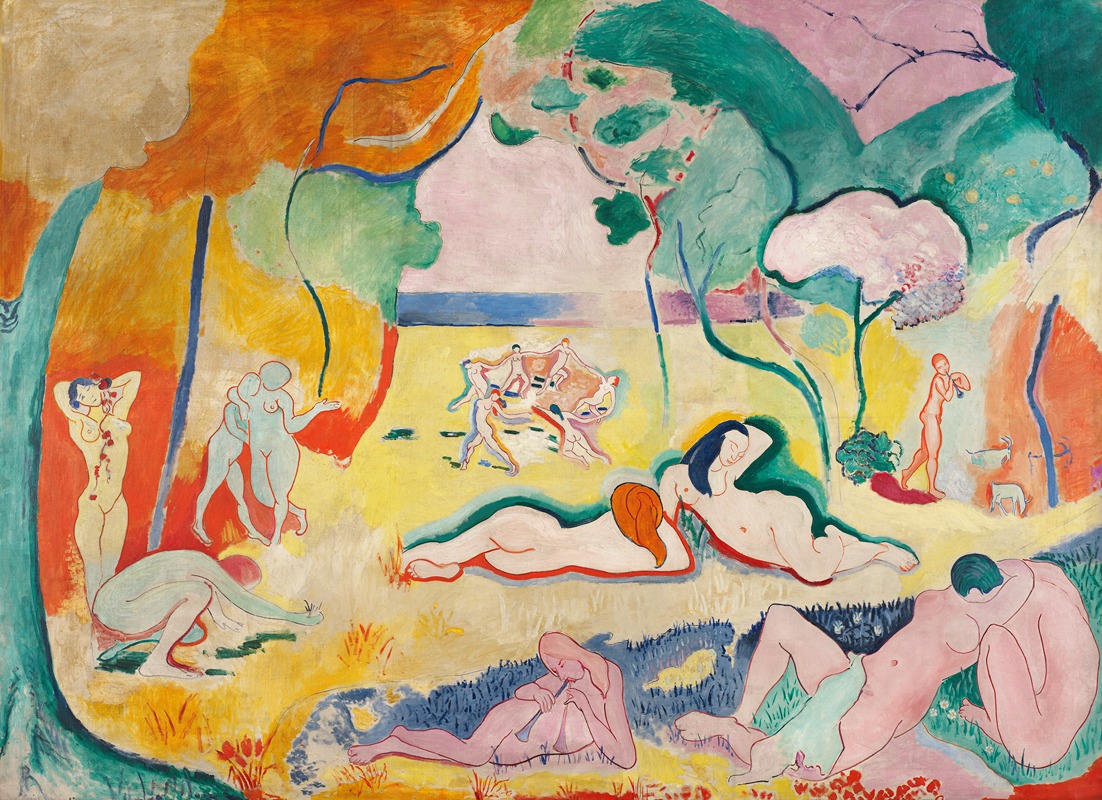
Le Bonheur de vivre, also called The Joy of Life
Henri Matisse
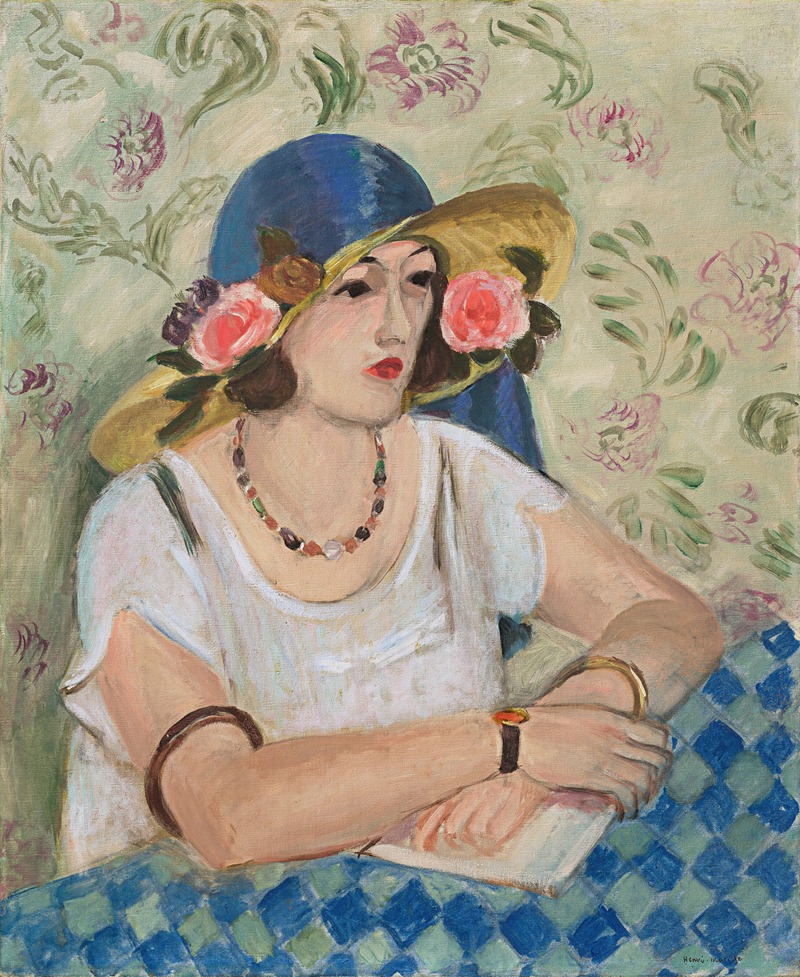
Femme au chapeau fleuri
Henri Matisse
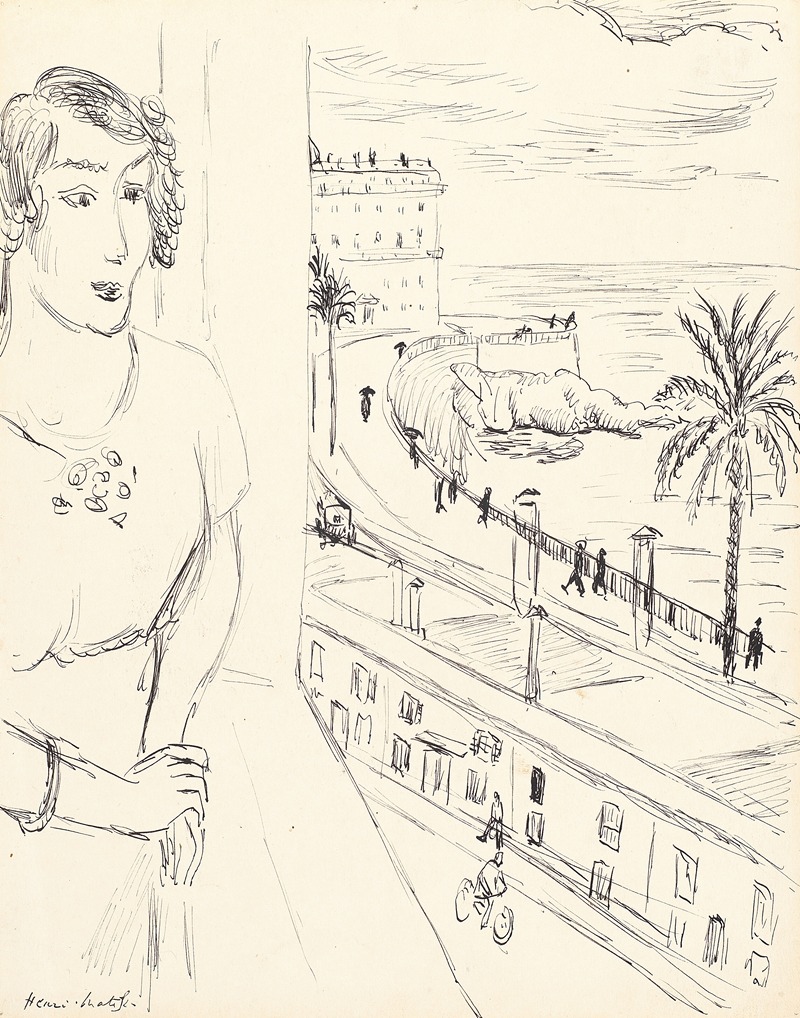
Femme près de la fenêtre, Nice
Henri Matisse
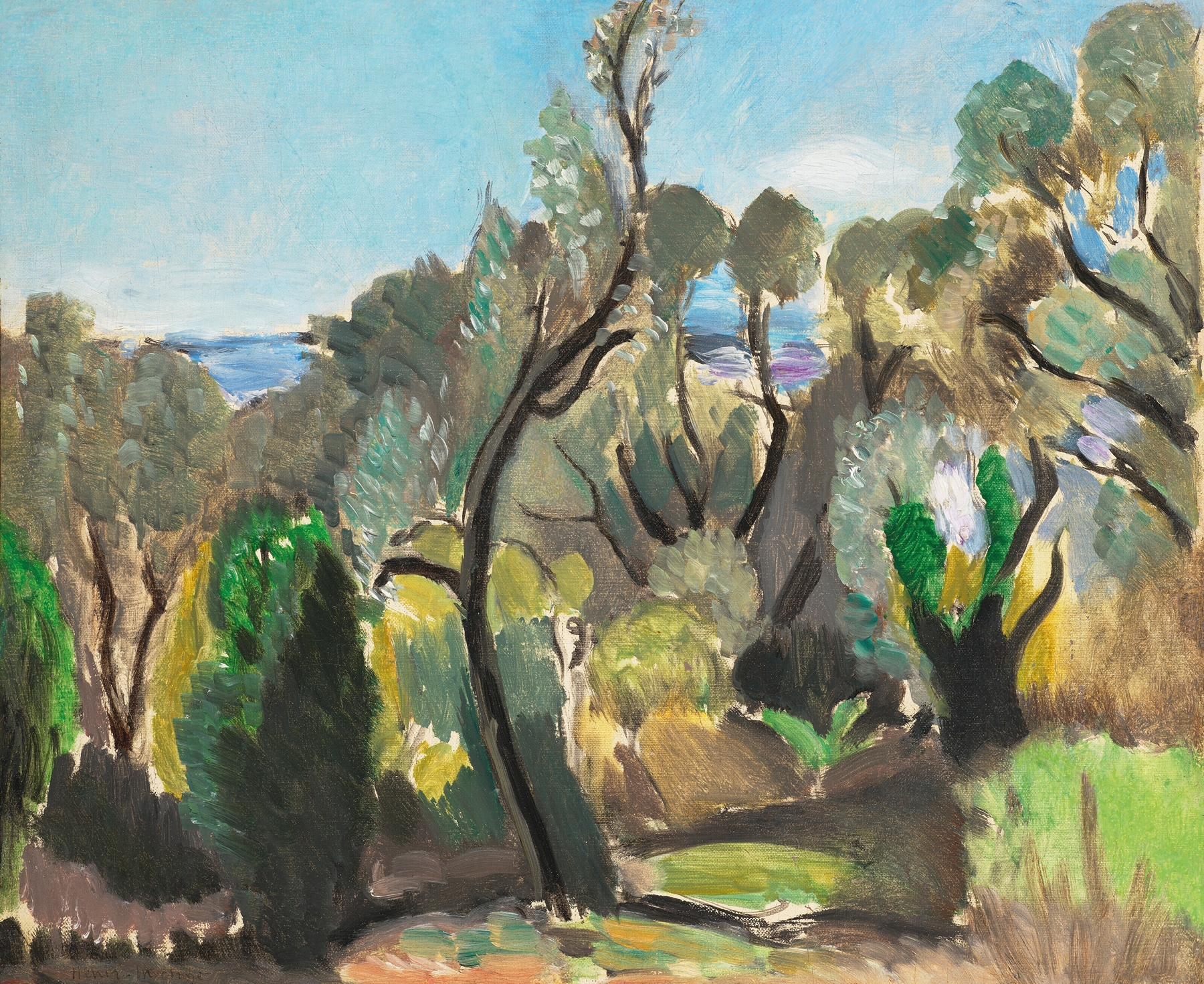
Paysage aux environs de Nice ou Les Oliviers ou Coin du Mont-Boron
Henri Matisse
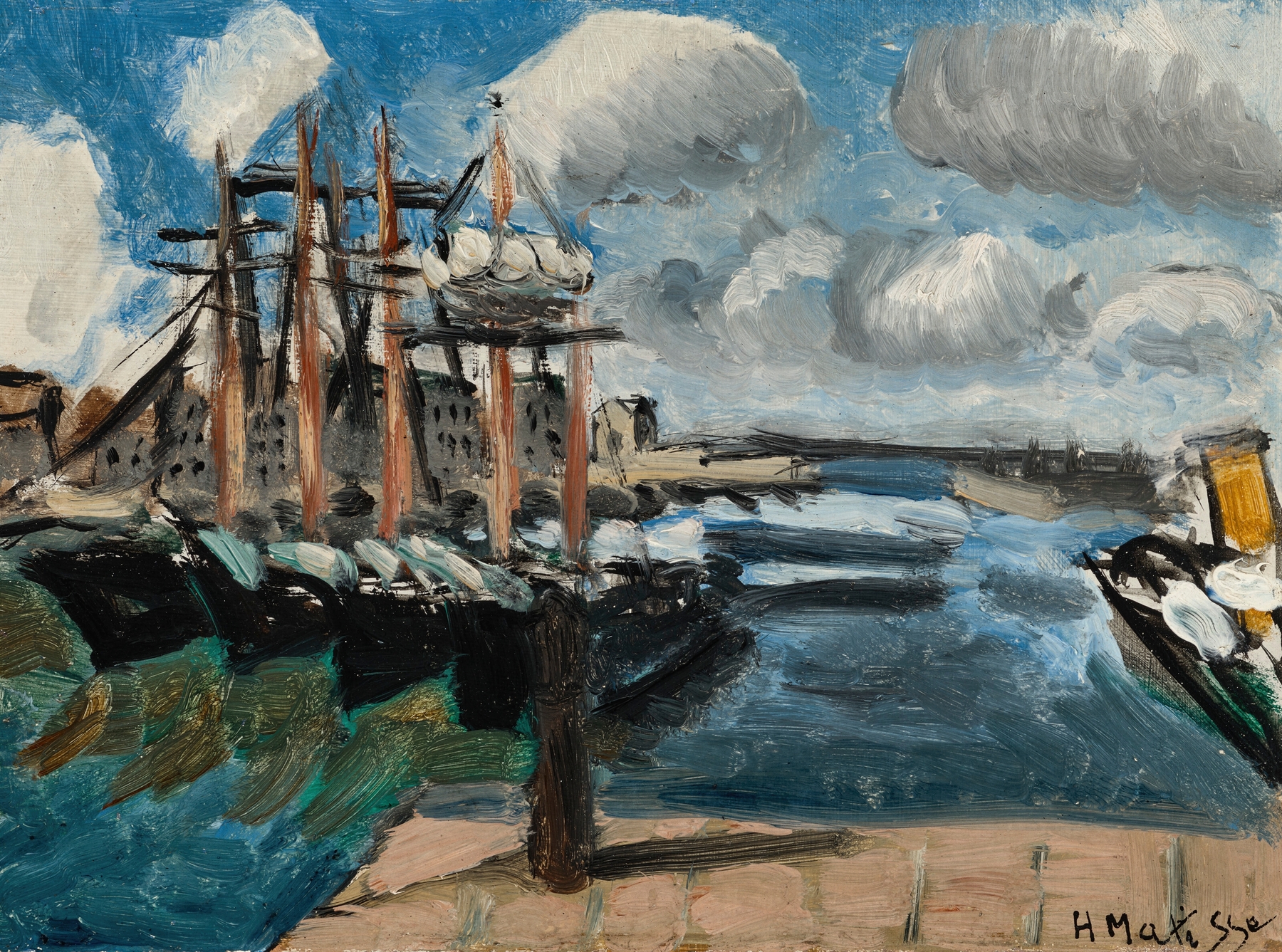
Port de Cherbourg
Henri Matisse
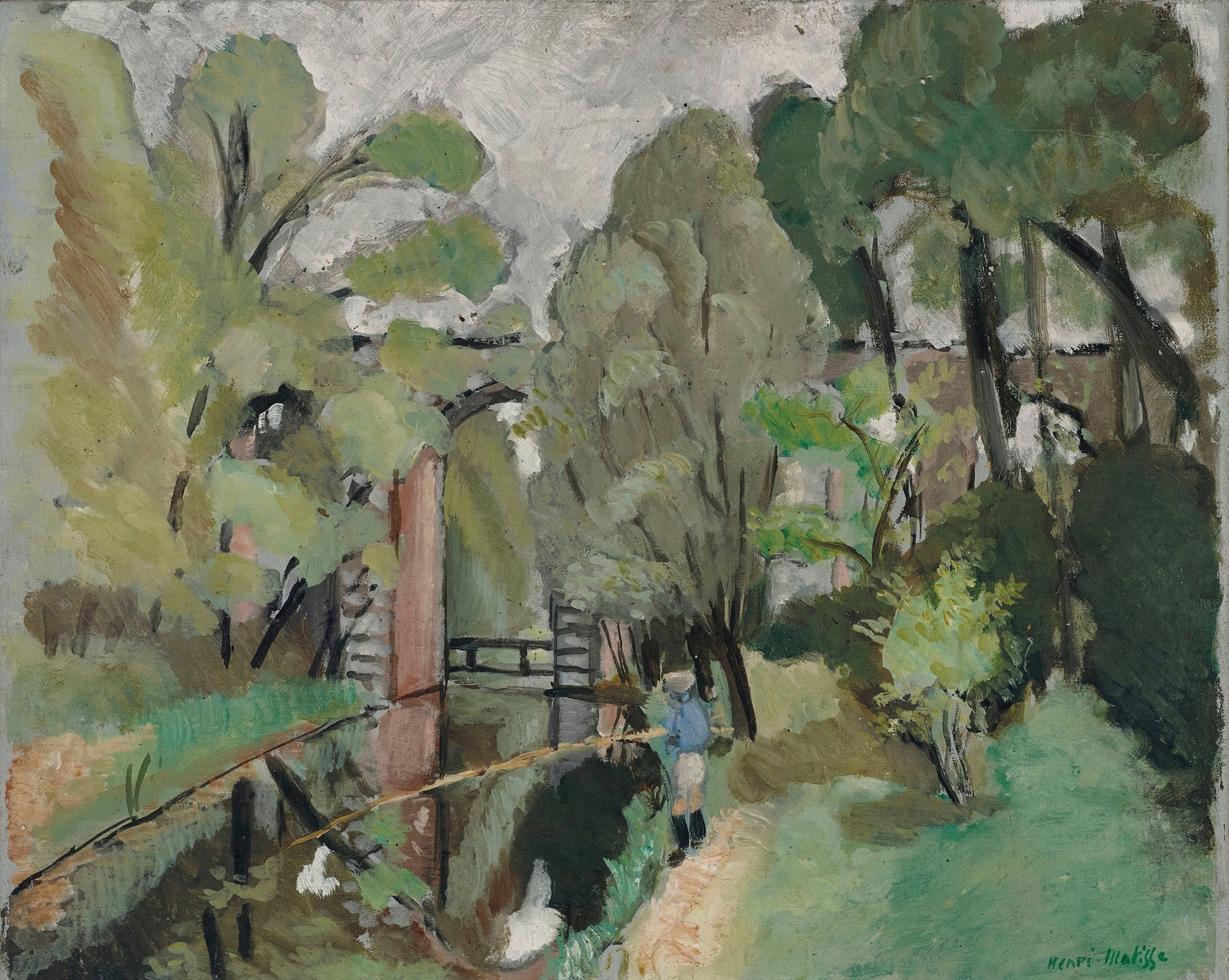
Le Petit pêcheur, Maintenon
Henri Matisse
Le ruisseau, Maintenon
Henri Matisse
Paysage avec cyprès et oliviers aux environs de Nice
Henri Matisse
Paysage du Midi
Henri Matisse
Collioure en août
Henri Matisse