
La Bascule — History & Facts
Few paintings capture the spirit of playful flirtation in 18th-century France as memorably as La Bascule by Jean-Honoré Fragonard. When it was first exhibited in Paris in 1760, it delighted audiences with its lighthearted energy and quickly became associated with the fashionable taste for scenes of gallantry and leisure. Unlike his more famous The Swing, La Bascule has always been less well-known, yet it shares the same mischievous tone and was likely created for a private patron who wished to display the pleasures of youthful amusement in their home.
The painting’s provenance is obscure, but its subject matter and style place it firmly in the golden age of the Rococo. At the heart of La Bascule is a moment of suspended motion: young men and women gather in a lush garden, clustered around a seesaw. One woman, perched delicately at one end, is about to be launched into the air by her companion’s playful push, while others look on with laughter and anticipation. Fragonard fills the scene with fluttering ribbons, soft fabrics, and dappled sunlight, each detail reinforcing the sense of fleeting joy and youthful abandon.
The seesaw itself becomes a symbol of the unpredictable ups and downs of love, a theme echoed in the flirtatious glances and coy gestures exchanged between the figures. Compared with Watteau’s more melancholic fêtes galantes, Fragonard’s vision is brighter, more impulsive, and charged with a sense of immediate pleasure. The early history of La Bascule remains uncertain, as no contemporary records of its commission or first owner have survived. However, its style and subject suggest it was painted during Fragonard’s most productive years, when he was in high demand among Parisian collectors seeking scenes of fashionable leisure.
The painting has changed hands several times over the centuries, passing through private collections before entering the public sphere. Today, it stands as a testament to Fragonard’s unique ability to capture both the surface gaiety and the underlying complexity of human relationships, and is celebrated as a quintessential example of the Rococo’s playful charm.
More Artworks by Jean-Honoré Fragonard
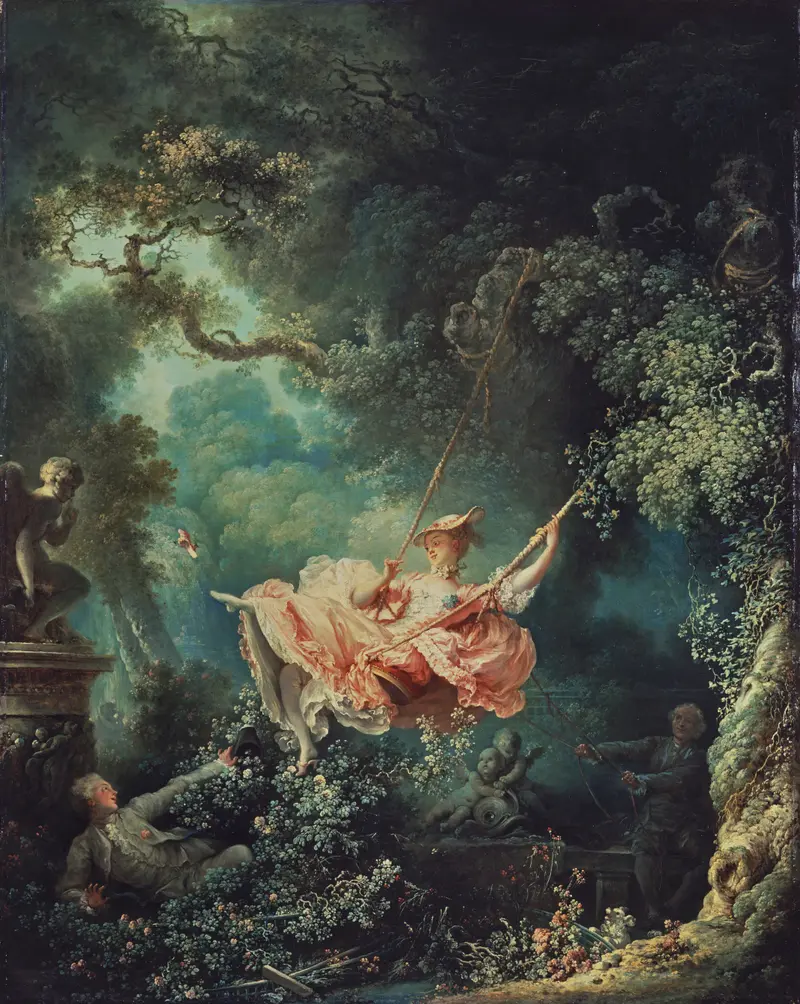
The Swing
Jean-Honoré Fragonard

The Swing
Jean-Honoré Fragonard
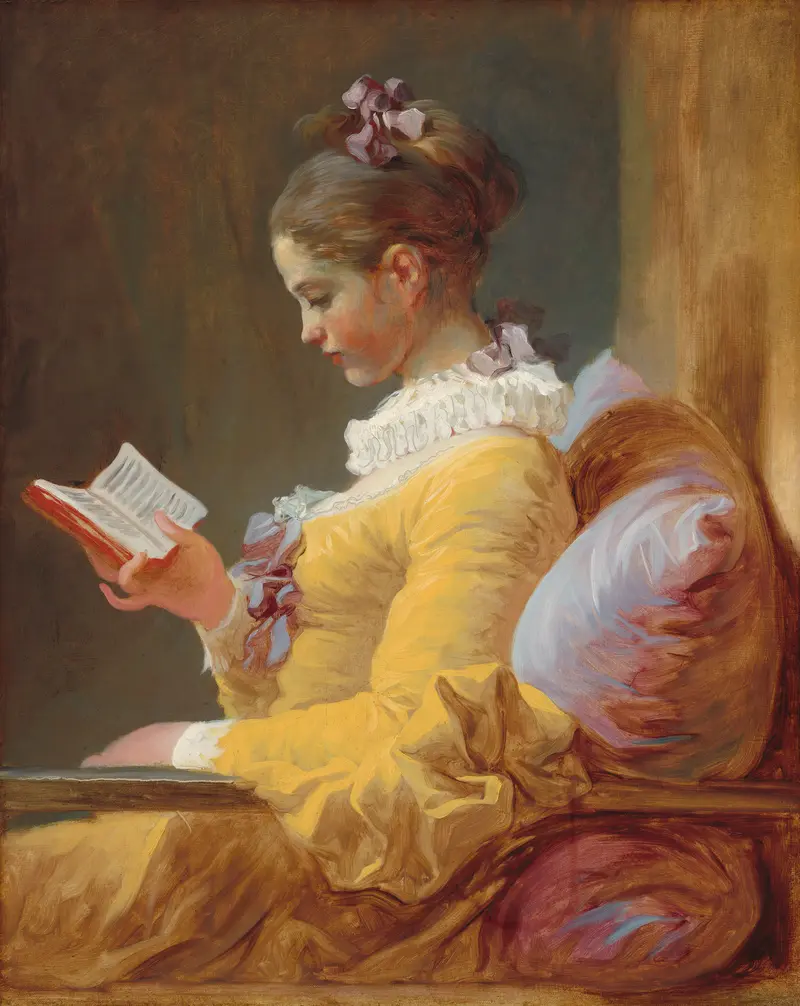
A Young Girl Reading
Jean-Honoré Fragonard
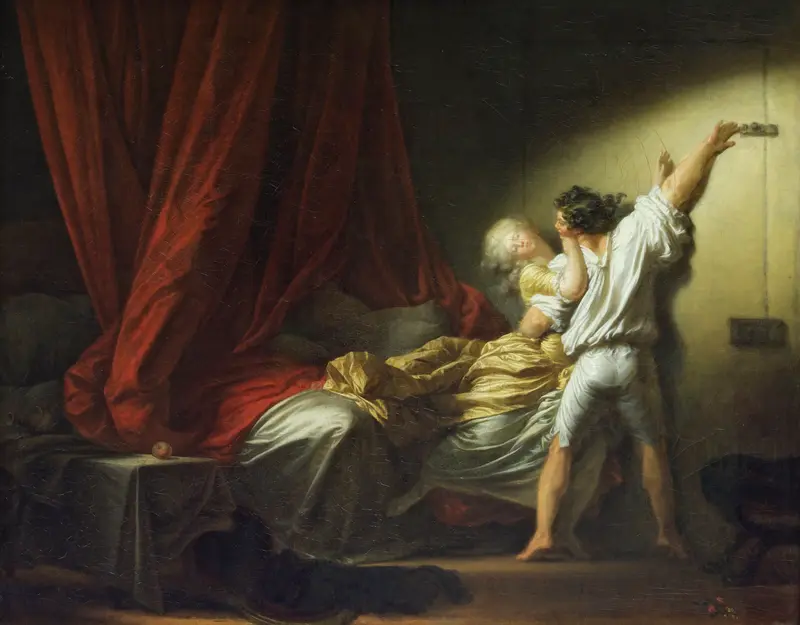
The Lock
Jean-Honoré Fragonard
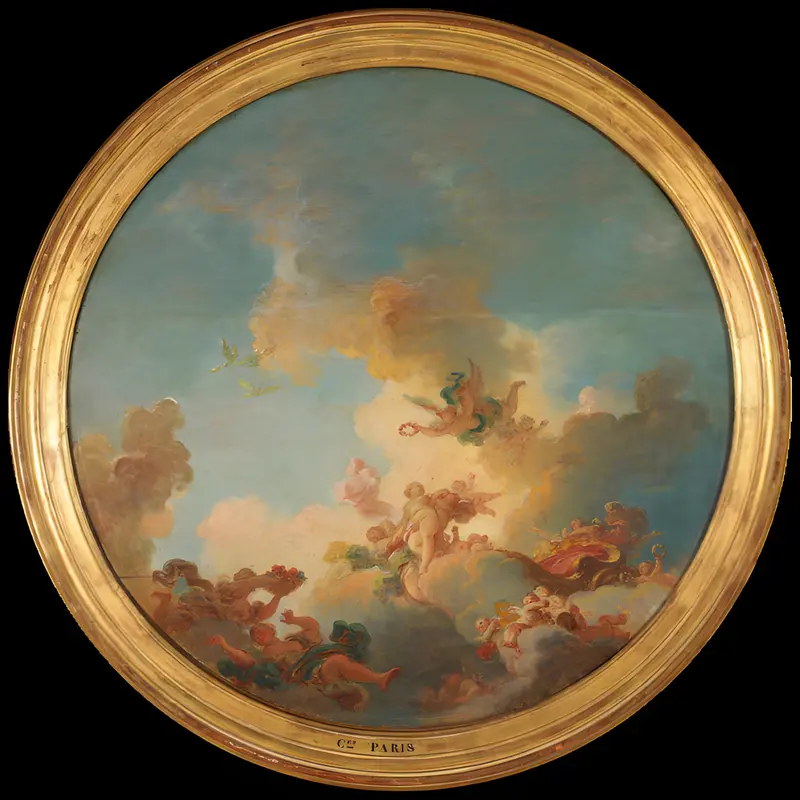
The Triumph of Venus
Jean-Honoré Fragonard
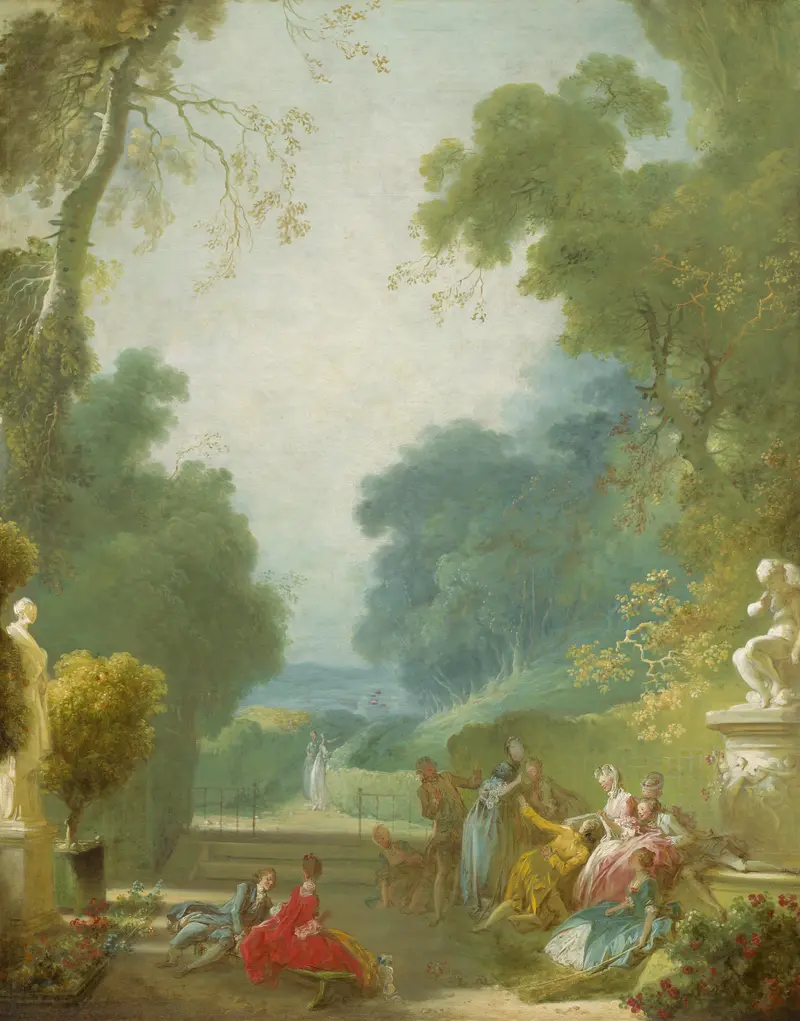
A Game of Hot Cockles
Jean-Honoré Fragonard
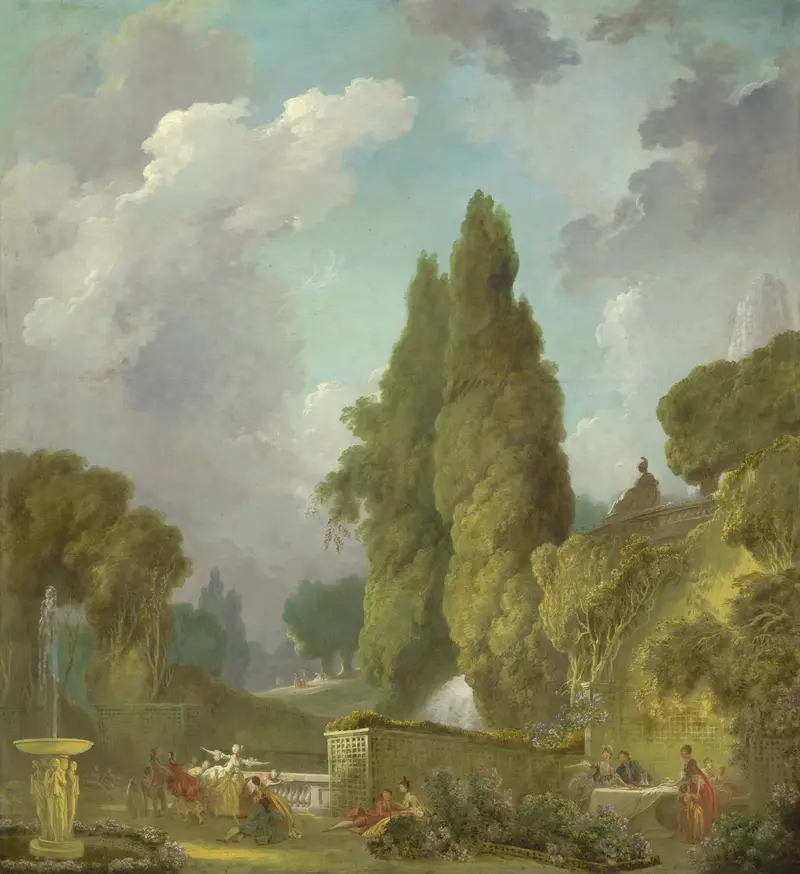
Blindman’s Buff
Jean-Honoré Fragonard
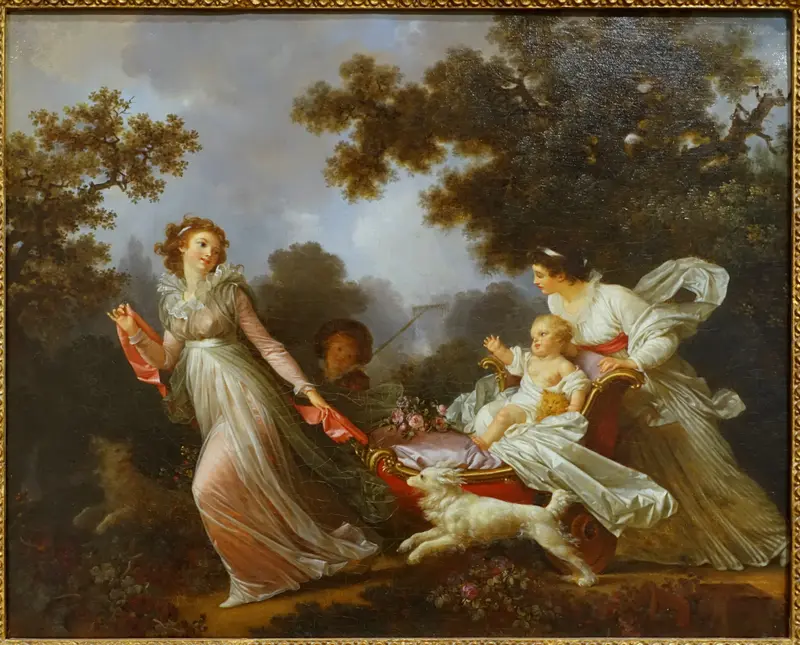
The Beloved Child
Jean-Honoré Fragonard
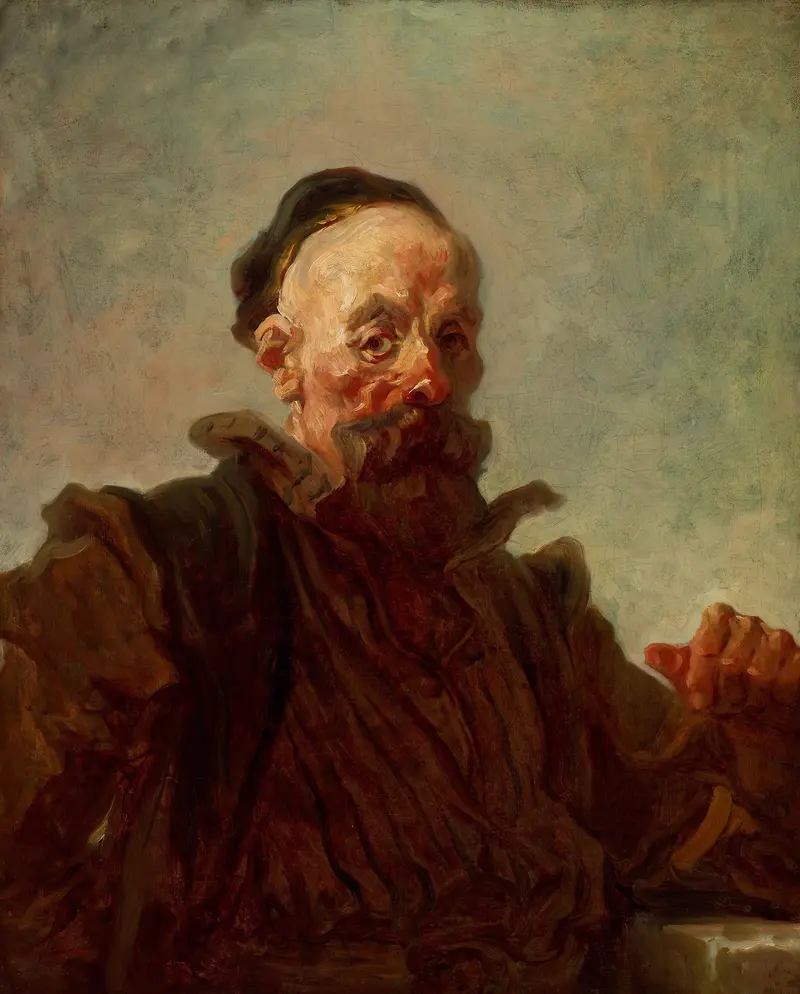
Portrait of a Man in Costume
Jean-Honoré Fragonard
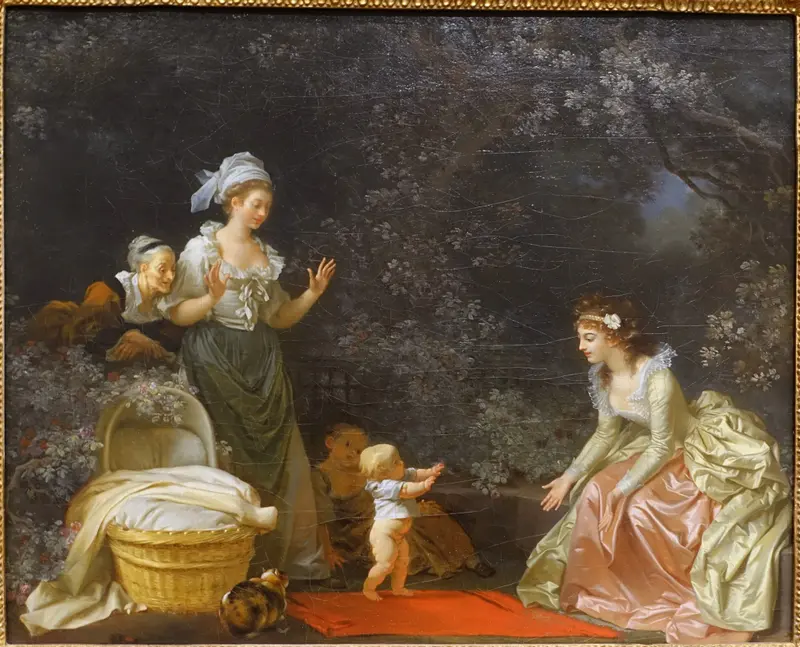
The First Steps
Jean-Honoré Fragonard
More Genre Scene Art

Banquet of the Officers of the St George Civic Guard
Frans Hals

Rembrandt and Saskia in the Scene of the Prodigal Son
Rembrandt van Rijn

Bal du moulin de la Galette
Pierre-Auguste Renoir

Quadrille at the Moulin Rouge
Henri de Toulouse-Lautrec

A Burial at Ornans
Gustave Courbet

When Will You Marry?
Paul Gauguin