
La Comtesse De Keller (marquise de Saint Yves d'Alveydre) — History & Facts
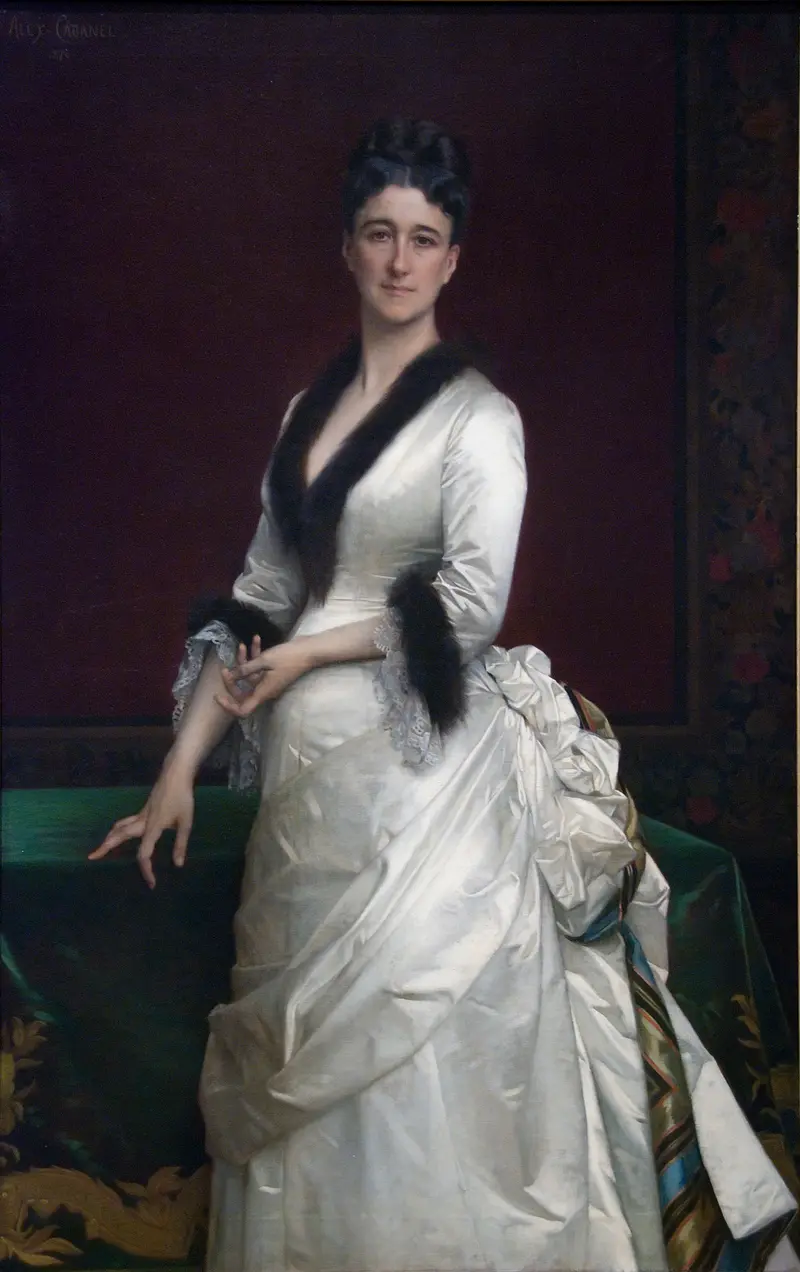
When Alexandre Cabanel unveiled La Comtesse De Keller (marquise de Saint Yves d'Alveydre) at the Salon of 1873, Parisian society immediately recognized the sitter: a prominent figure in the city’s aristocratic circles, celebrated for both her beauty and her intellect. The portrait was commissioned at the height of Cabanel’s fame, when his ability to capture the social elite with grace and psychological depth made him the favored painter of the French establishment. The Comtesse herself was a noted salonnière, and her portrait was as much a declaration of status as it was a personal likeness.
In an era when the boundaries between public image and private life were carefully negotiated, this painting became a quietly powerful symbol of her place in the world. Cabanel chooses a moment of poised stillness, the Comtesse seated with an air of composed confidence, her gaze meeting the viewer directly. The rich fabrics of her dress, the delicate jewelry, and the subtle play of light across her face all speak to her refinement and wealth. Her hands, gently clasped, betray a hint of introspection—an invitation to consider the inner life behind the social mask.
The background is restrained, focusing attention on the sitter, much as Winterhalter did in his portraits of European royalty, but Cabanel’s touch is softer, more intimate. The overall effect is one of quiet authority, the sitter’s personality emerging through the carefully observed details. The exact medium of this work remains uncertain, though Cabanel was known for his mastery of oil on canvas. Since its creation, La Comtesse De Keller has remained largely in private hands, its public appearances rare and eagerly anticipated by connoisseurs of Academic portraiture.
The painting stands as a testament to Cabanel’s enduring appeal among the aristocracy, even as tastes began to shift toward Impressionism in the late nineteenth century. Today, it is prized not only for its technical skill but also as a window into the world of the French elite on the eve of profound social change.
Sources: Wikidata Q17491907 · Image source (Wikimedia Commons)
More Artworks by Alexandre Cabanel
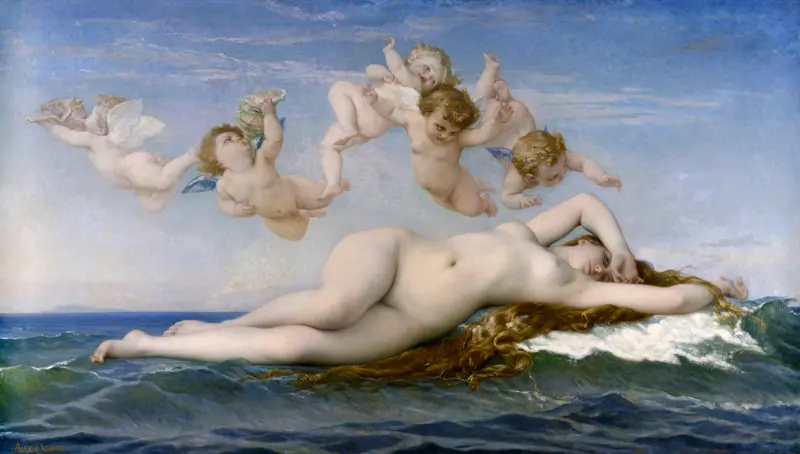
The Birth of Venus
Alexandre Cabanel
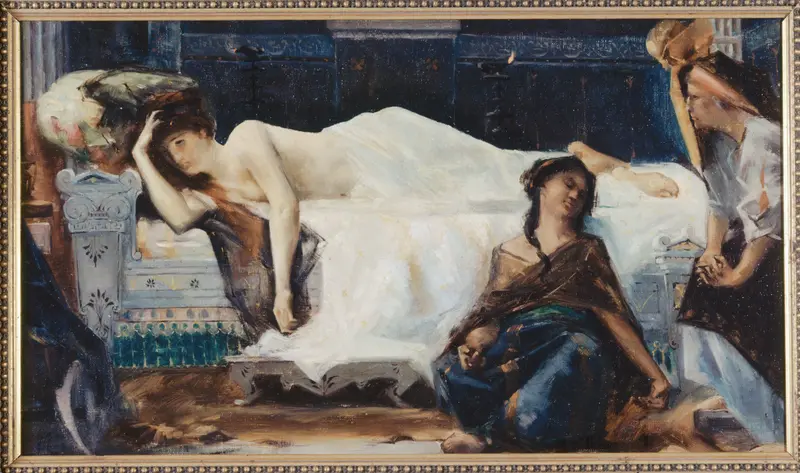
Phèdre
Alexandre Cabanel
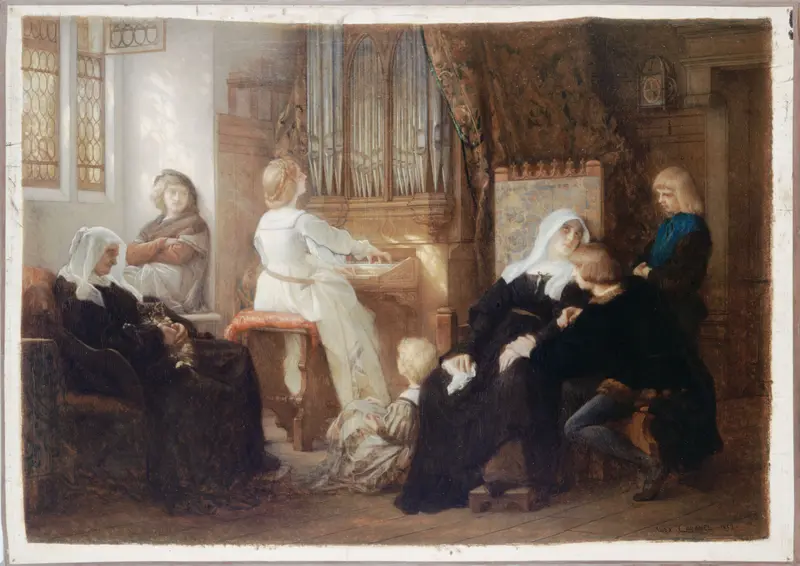
La veuve du maître de chapelle
Alexandre Cabanel
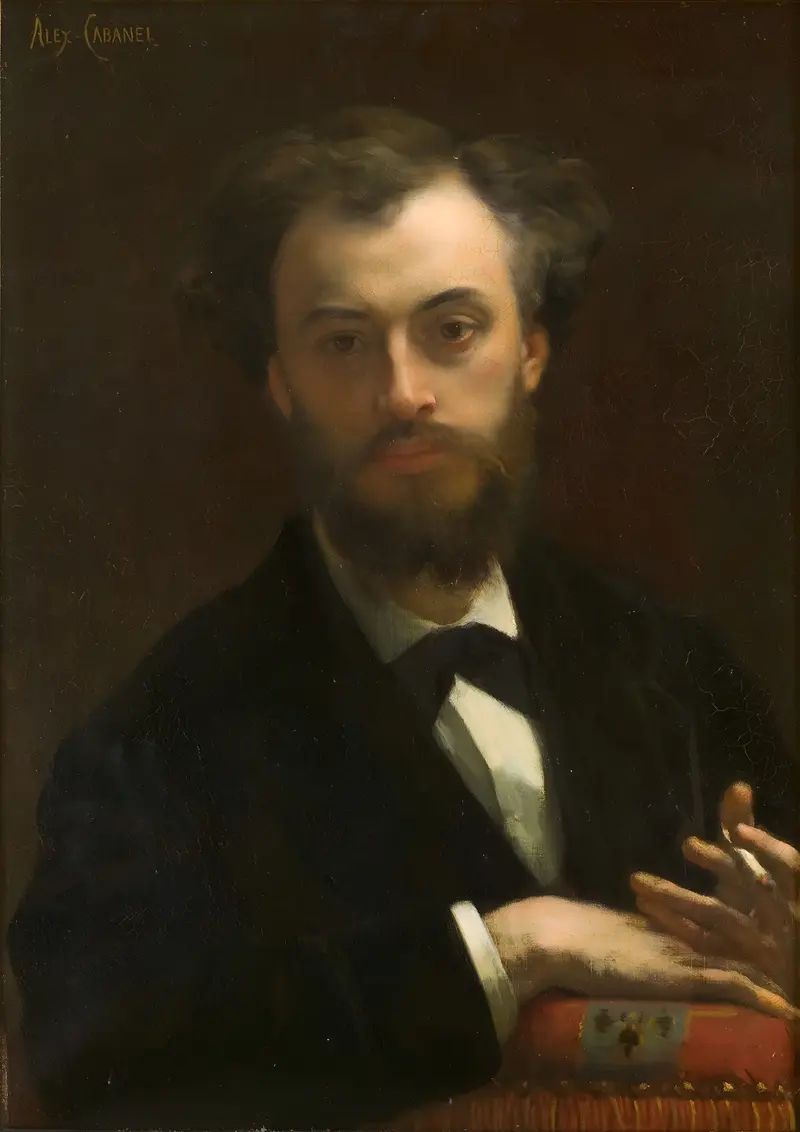
Portrait de M. Pierre Cabanel
Alexandre Cabanel

The Daughter of Jephthah
Alexandre Cabanel
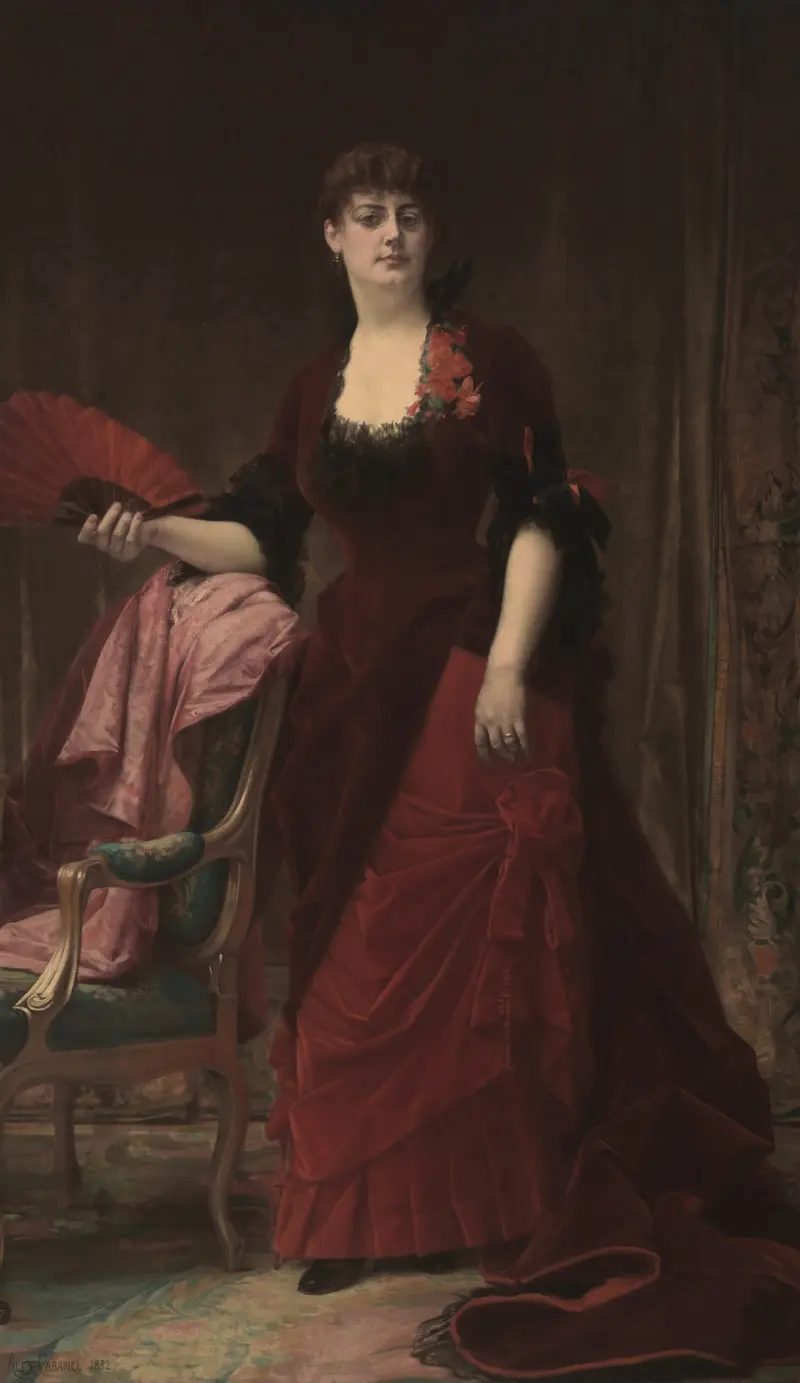
Portrait of Arabella Worsham (later Arabella Huntington)
Alexandre Cabanel
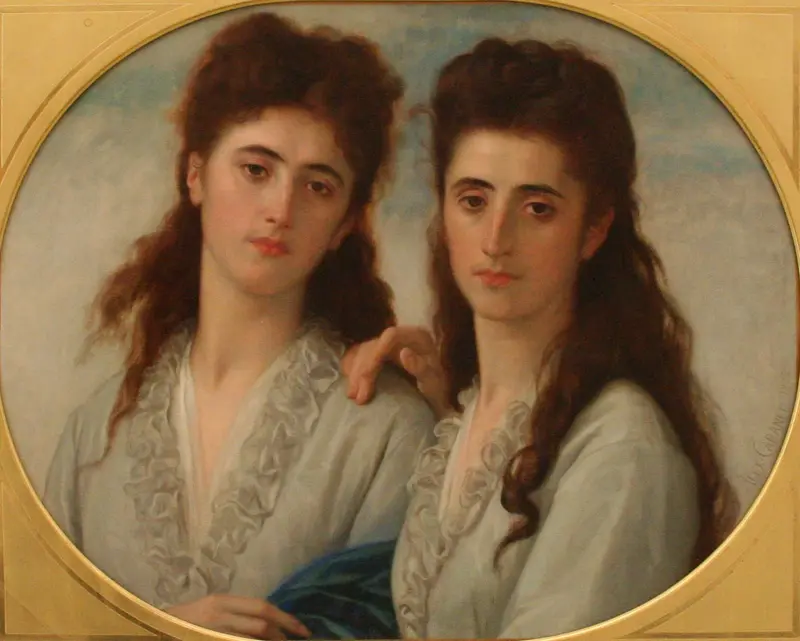
Portrait de mesdemoiselles Sophie et Berthe Cabanel
Alexandre Cabanel
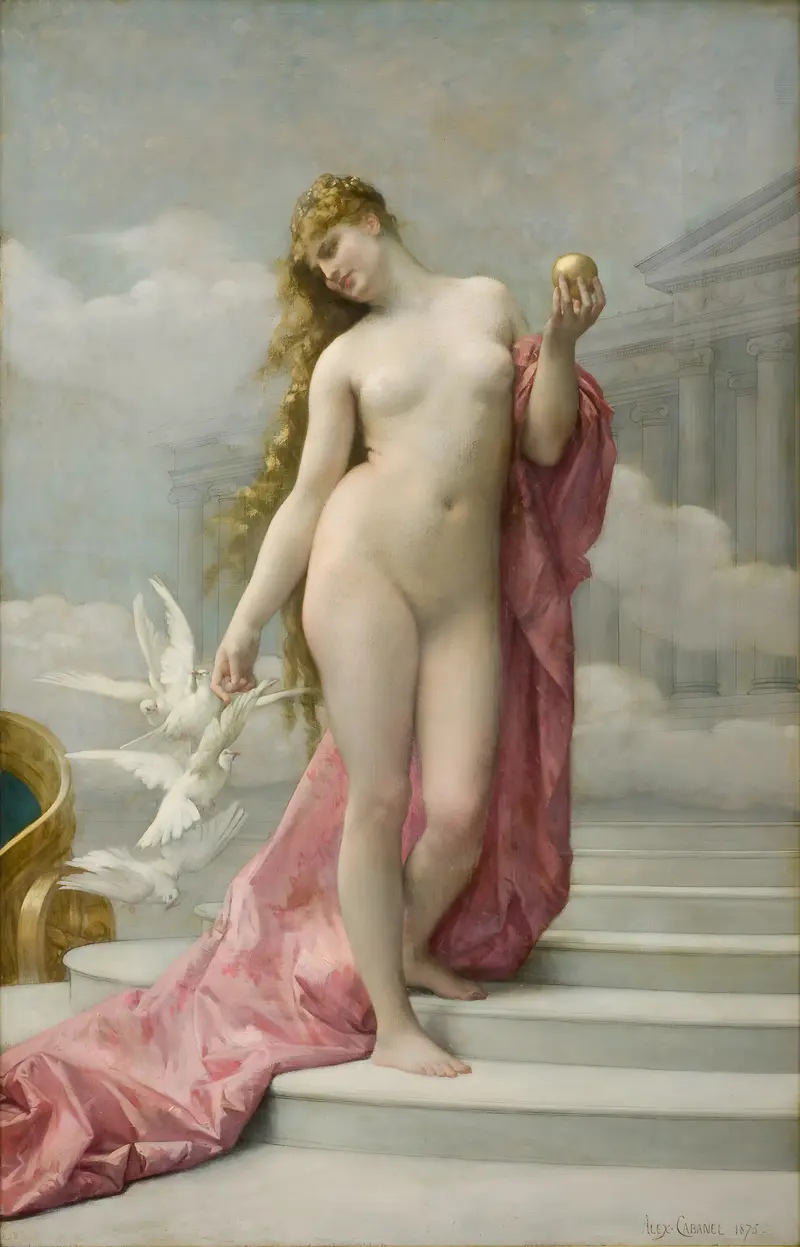
Vénus victorieuse
Alexandre Cabanel
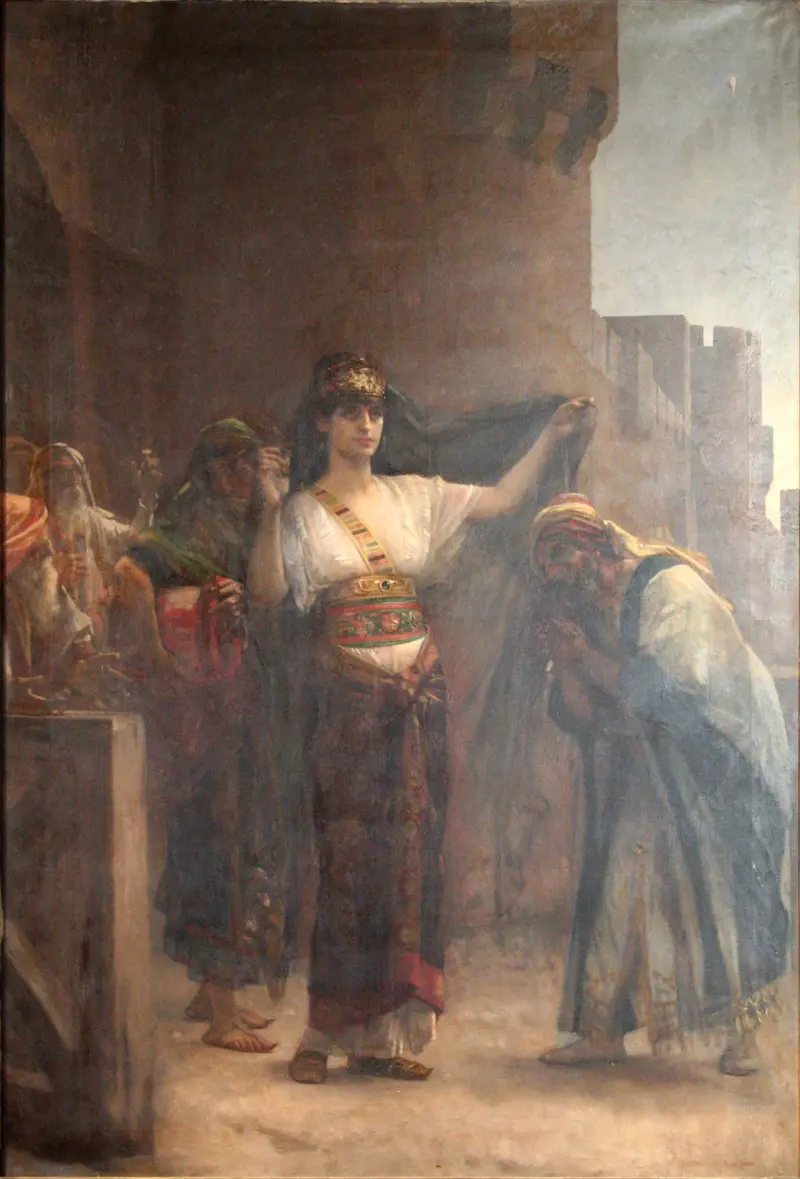
Judith
Alexandre Cabanel
Catharine Lorillard Wolfe (1828–1887)
Alexandre Cabanel





