
La Côte d’Azur, baie sur la Méditerranée — History & Facts
When did color learn to lie? In La Côte d’Azur, baie sur la Méditerranée, the brilliance of the blues and greens invites a contemplation of innocence, evoking memories that feel both nostalgic and ephemeral. Look to the tranquil waters in the foreground, where the vibrant azure dances with hues of emerald. The composition draws your eye outwards, towards the horizon, where the gentle curve of the coastline meets a soft, enveloping sky. Notice how the light spills across the canvas, capturing the glimmer of the sun reflecting on the waves, creating a shimmering pathway that seems to lead to an unattainable paradise.
The delicate brushwork conveys both serenity and movement, encapsulating a fleeting moment in time. Yet beneath this idyllic surface lies a complexity—the juxtaposition of nature’s beauty and its evanescent quality. The soft strokes suggest a sense of transience, as if each wave could fade, just like the innocence that the scene evokes. The palm trees, with their graceful sway, stand sentinel yet are tinged with a hint of melancholy, reminding us of the passage of time and the inevitability of change. Created between 1890 and 1915, during a time of significant artistic evolution in France, this painting emerged from Harpignies’ deep engagement with the Impressionist movement.
At a time when artists were increasingly exploring the interplay of light and color, he was inspired by the beauty of nature and the Mediterranean landscapes, reflecting both personal experiences and the broader cultural shifts of an era that celebrated leisure and the outdoors.
More Artworks by Henri-Joseph Harpignies
Browse all →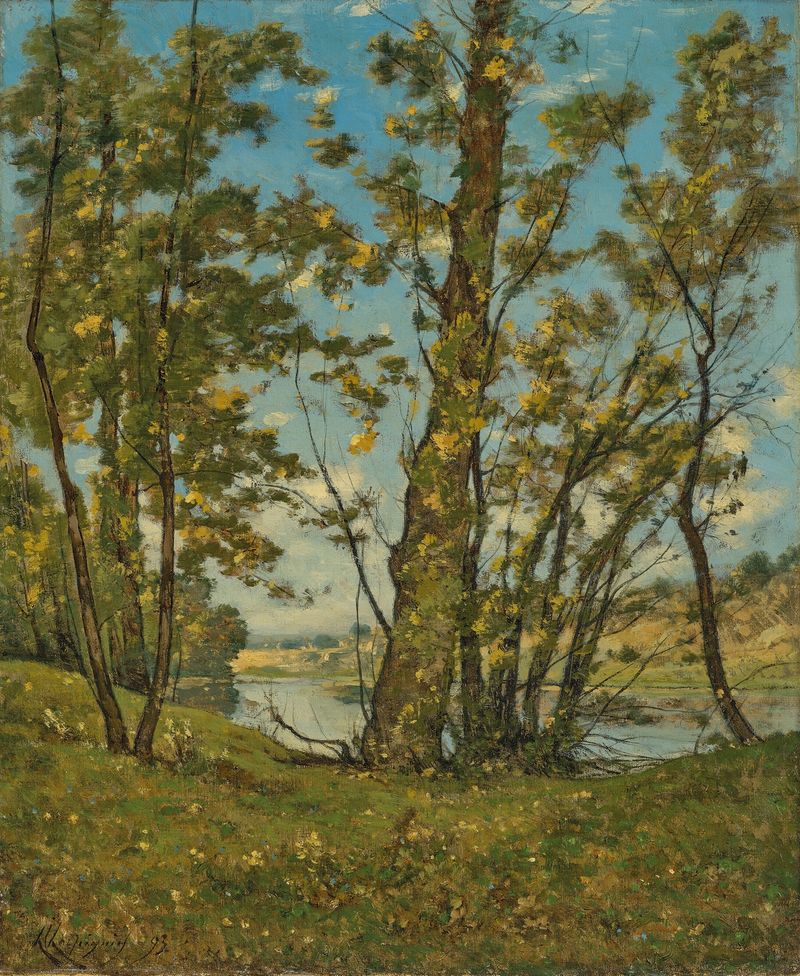
La Loire à Bonny
Henri-Joseph Harpignies
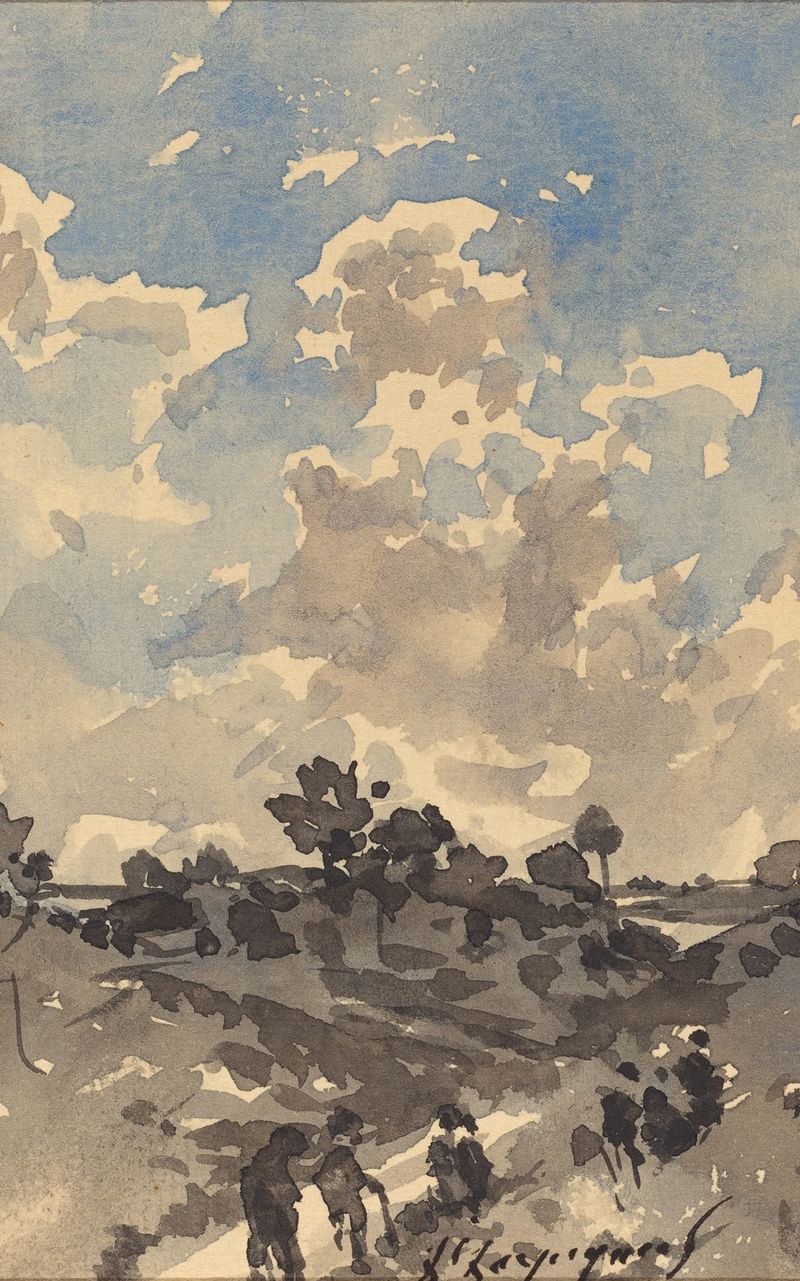
A Landscape with Figures Walking along a Path
Henri-Joseph Harpignies
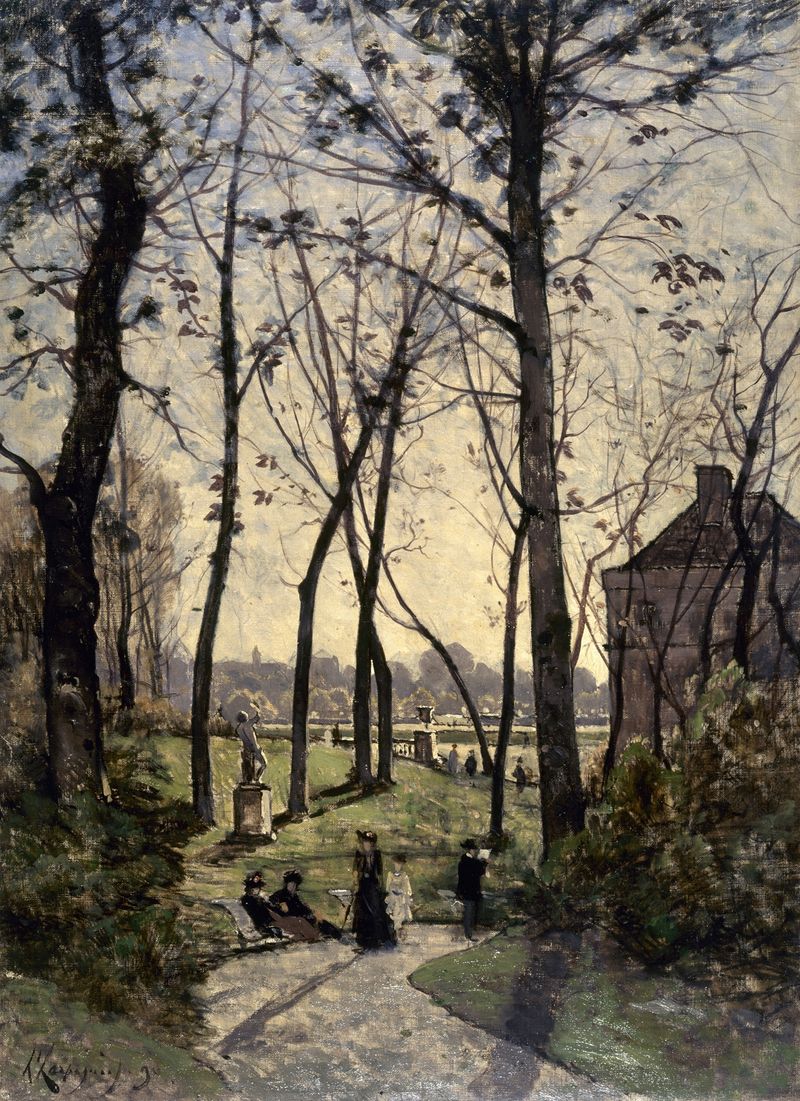
Le jardin du Luxembourg
Henri-Joseph Harpignies
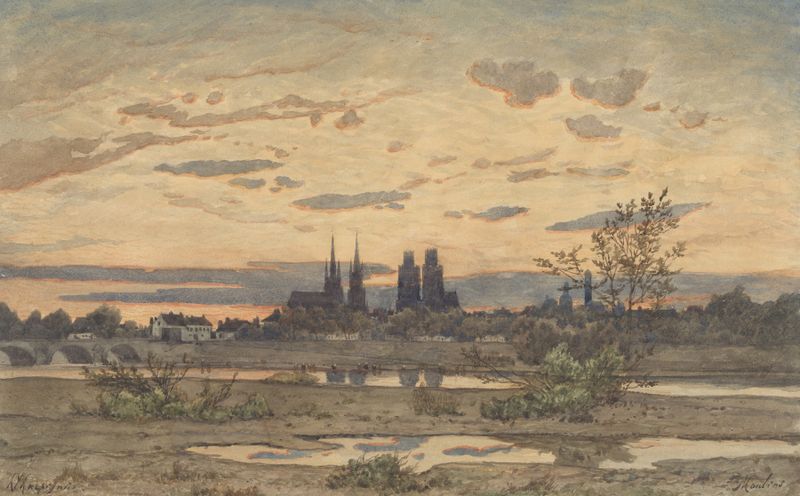
A View of Moulins
Henri-Joseph Harpignies
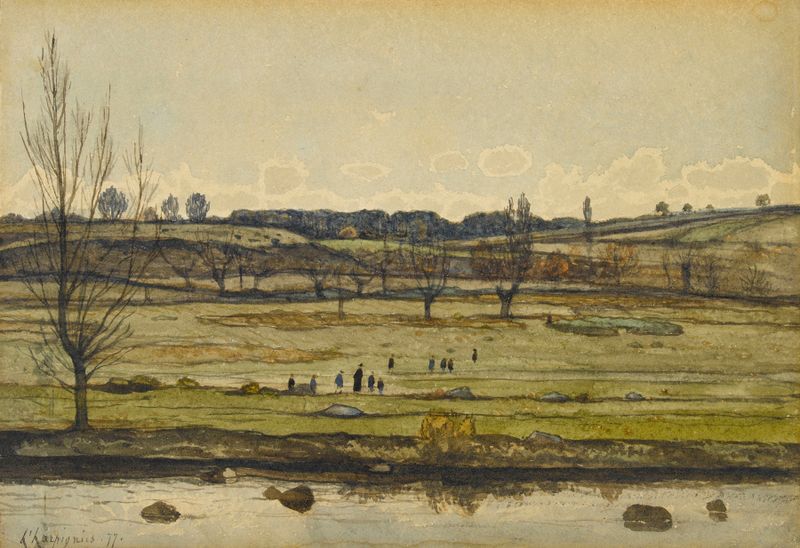
Paysage
Henri-Joseph Harpignies
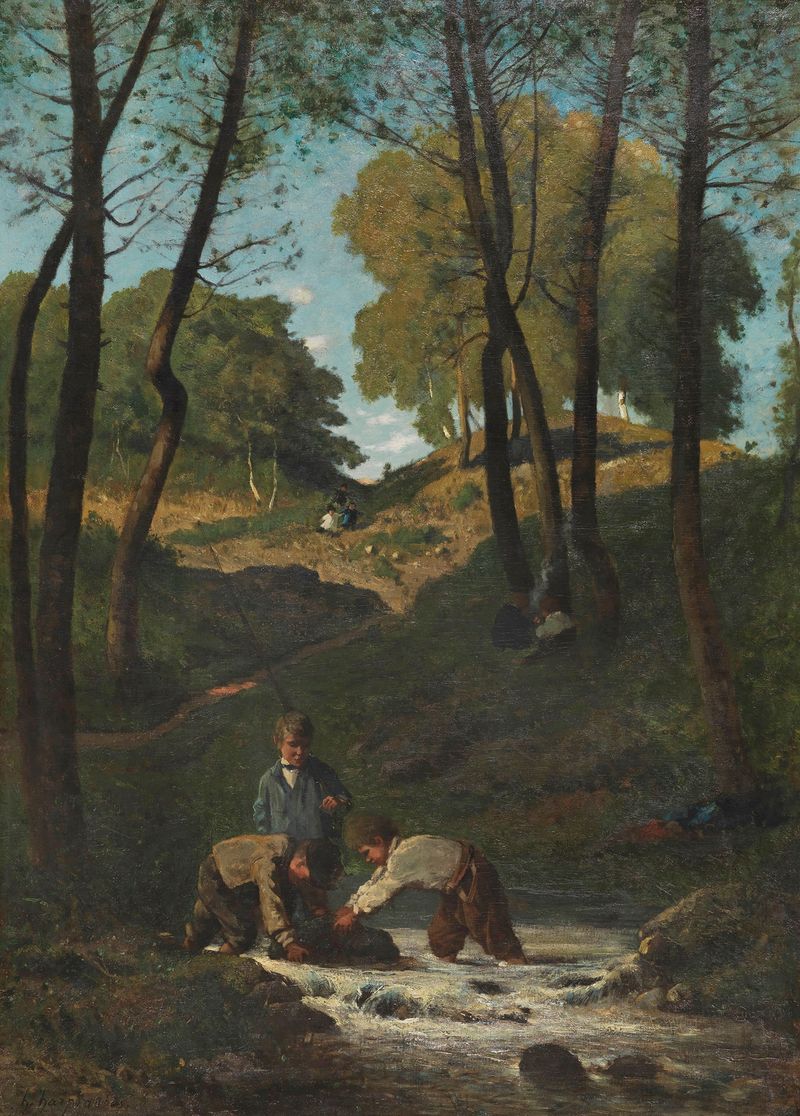
Chercheurs d’écrevisses
Henri-Joseph Harpignies
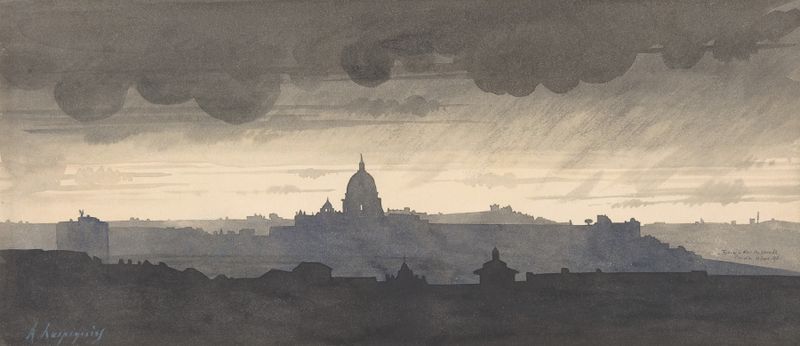
Saint Peter’s Seen From the Pincio, Rome
Henri-Joseph Harpignies
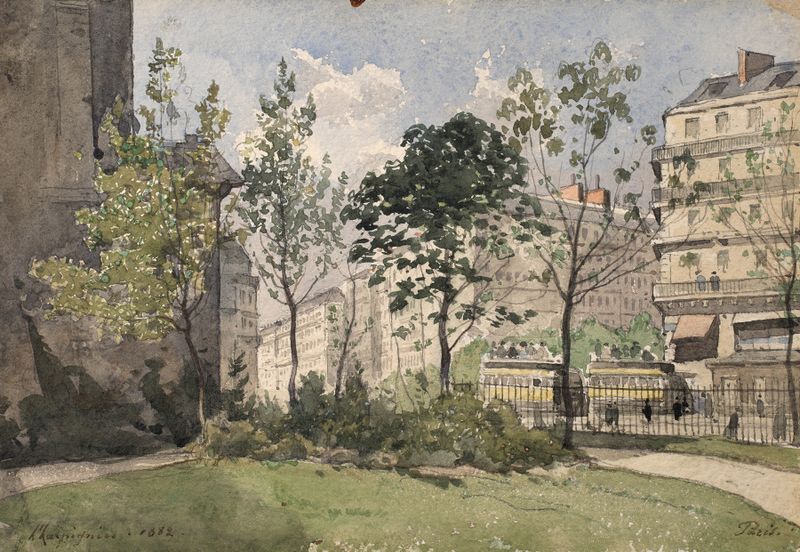
View of the forecourt of the Saint-Germain-des-Prés church
Henri-Joseph Harpignies
Le Colisée à Rome
Henri-Joseph Harpignies

Villefranche
Henri-Joseph Harpignies





