
La Fiancée De La Nuit — History & Facts
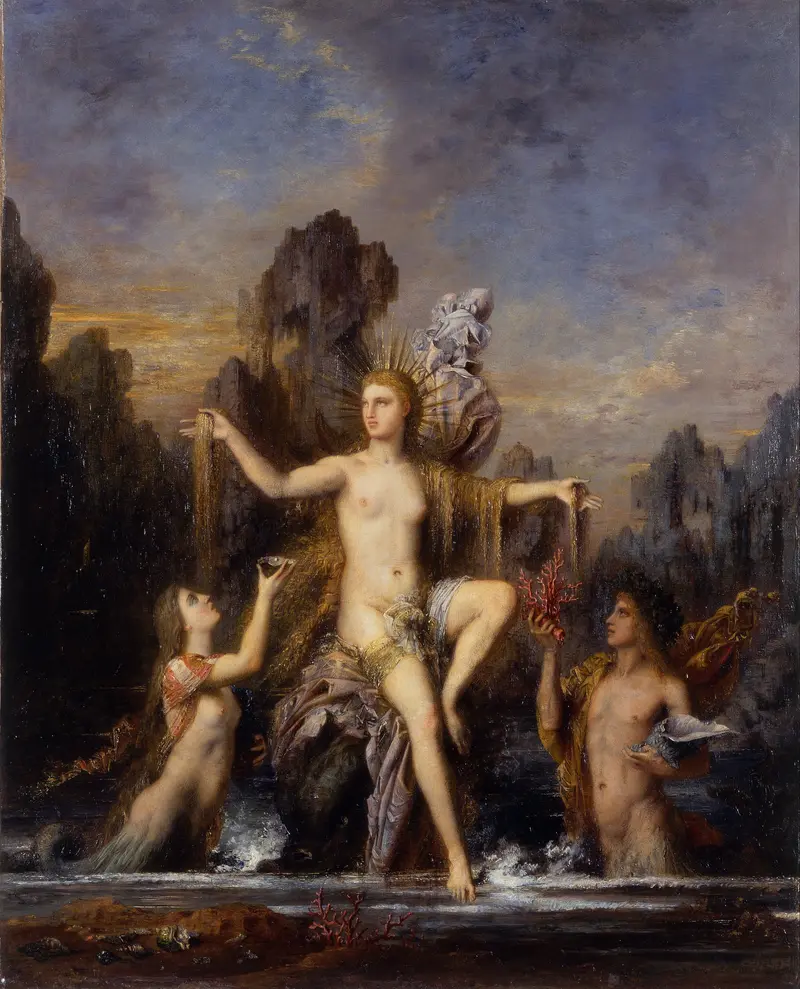
In La Fiancée De La Nuit, Gustave Moreau presents a striking composition filled with rich colors. The central figure, a woman, is adorned in elaborate garments that shimmer in hues of blue and gold. Surrounding her are dreamlike elements, including flowers and celestial motifs, creating an enchanting atmosphere.
The overall effect is one of mystery and allure, drawing the viewer into a world of fantasy. The painting is executed in oil on canvas, showcasing Moreau's skill in blending colors and textures. The intricate details of the woman's attire and the surrounding elements reveal a meticulous approach to craftsmanship. The use of light and shadow enhances the three-dimensionality of the figures, contributing to the painting's depth.
This work exemplifies the Symbolist movement, focusing on the emotional and mystical rather than the literal. Gustave Moreau was a key figure in the Symbolist movement, known for his imaginative and often mythical subjects. La Fiancée De La Nuit reflects his fascination with themes of love and the supernatural. An interesting fact about this work is that it embodies Moreau's belief in the power of dreams and the subconscious, making it a significant piece in understanding his artistic vision.
The painting continues to captivate audiences, illustrating the enduring appeal of Symbolism in art.
More Artworks by Gustave Moreau
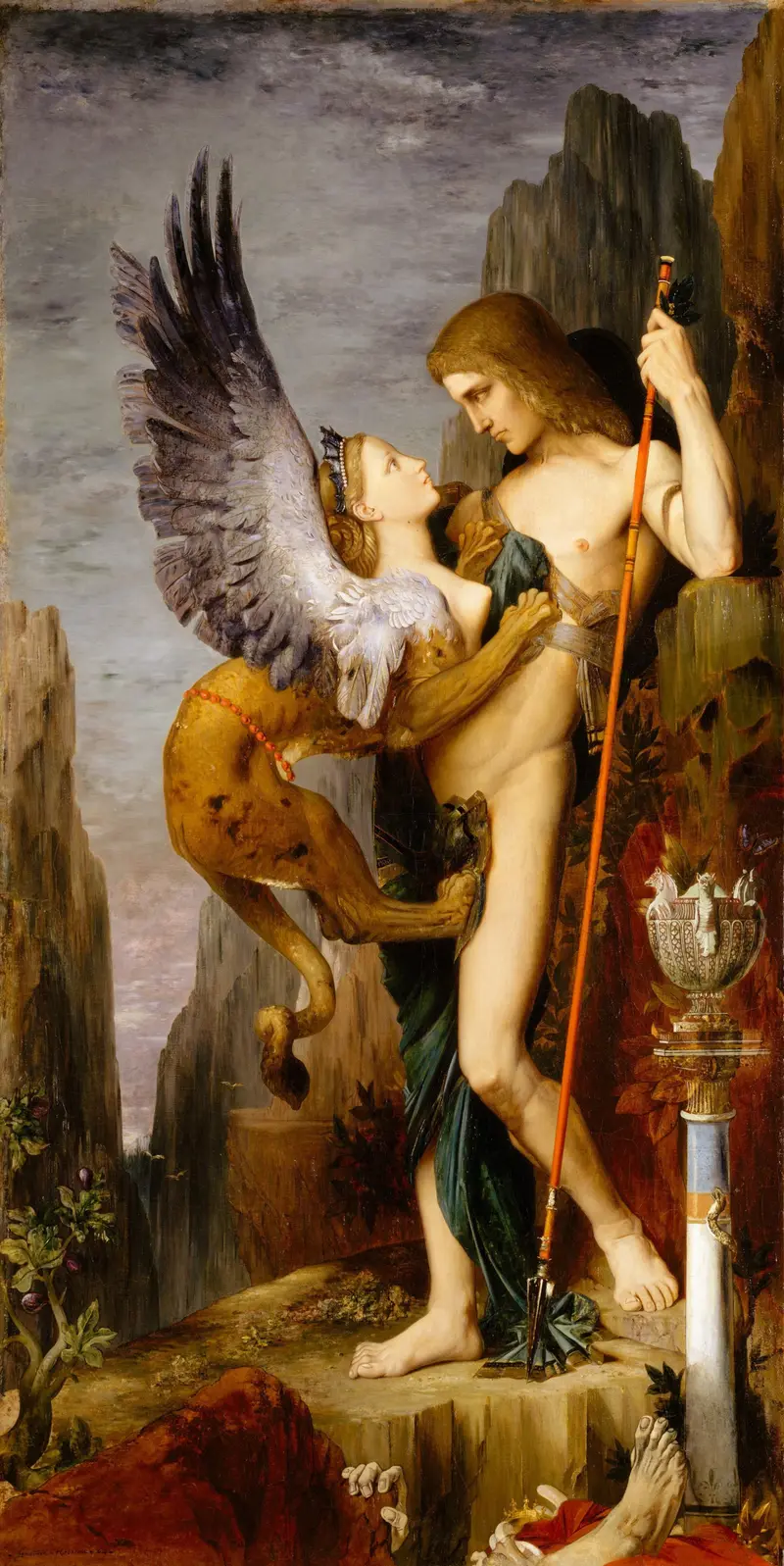
Oedipus and the Sphinx
Gustave Moreau
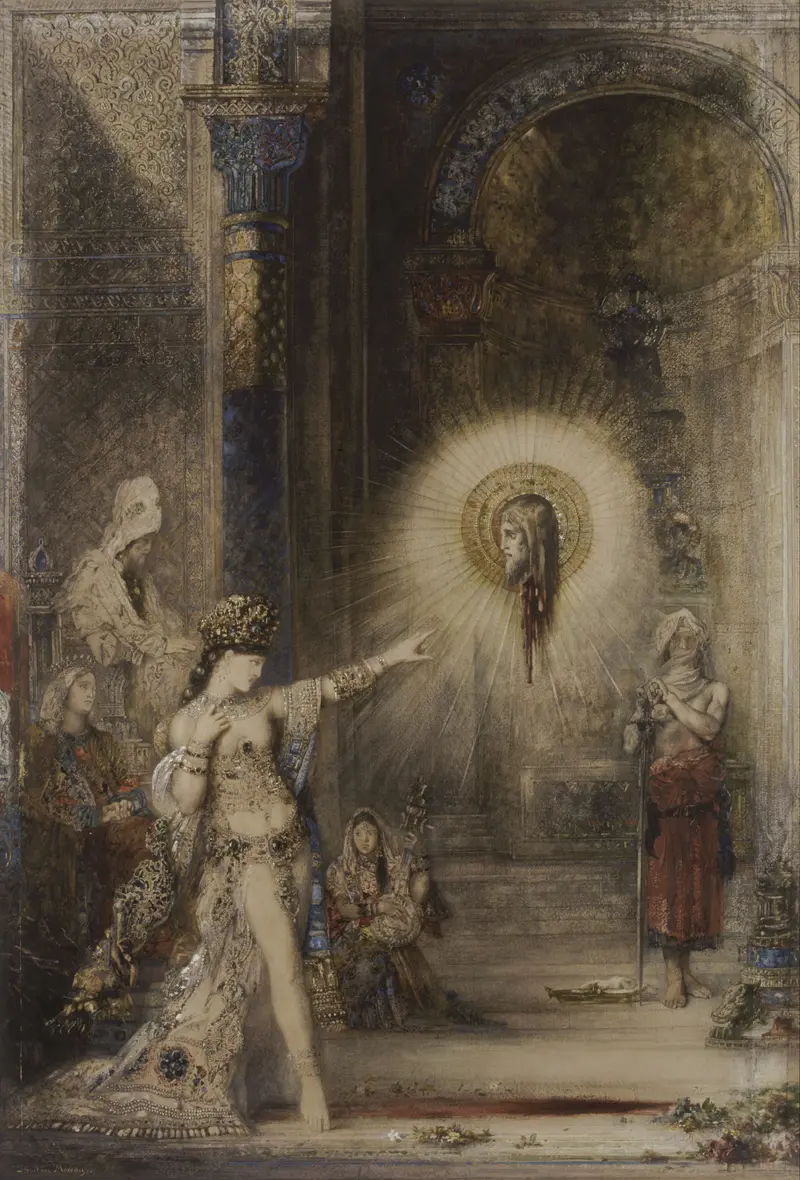
The Apparition
Gustave Moreau

The Apparition
Gustave Moreau
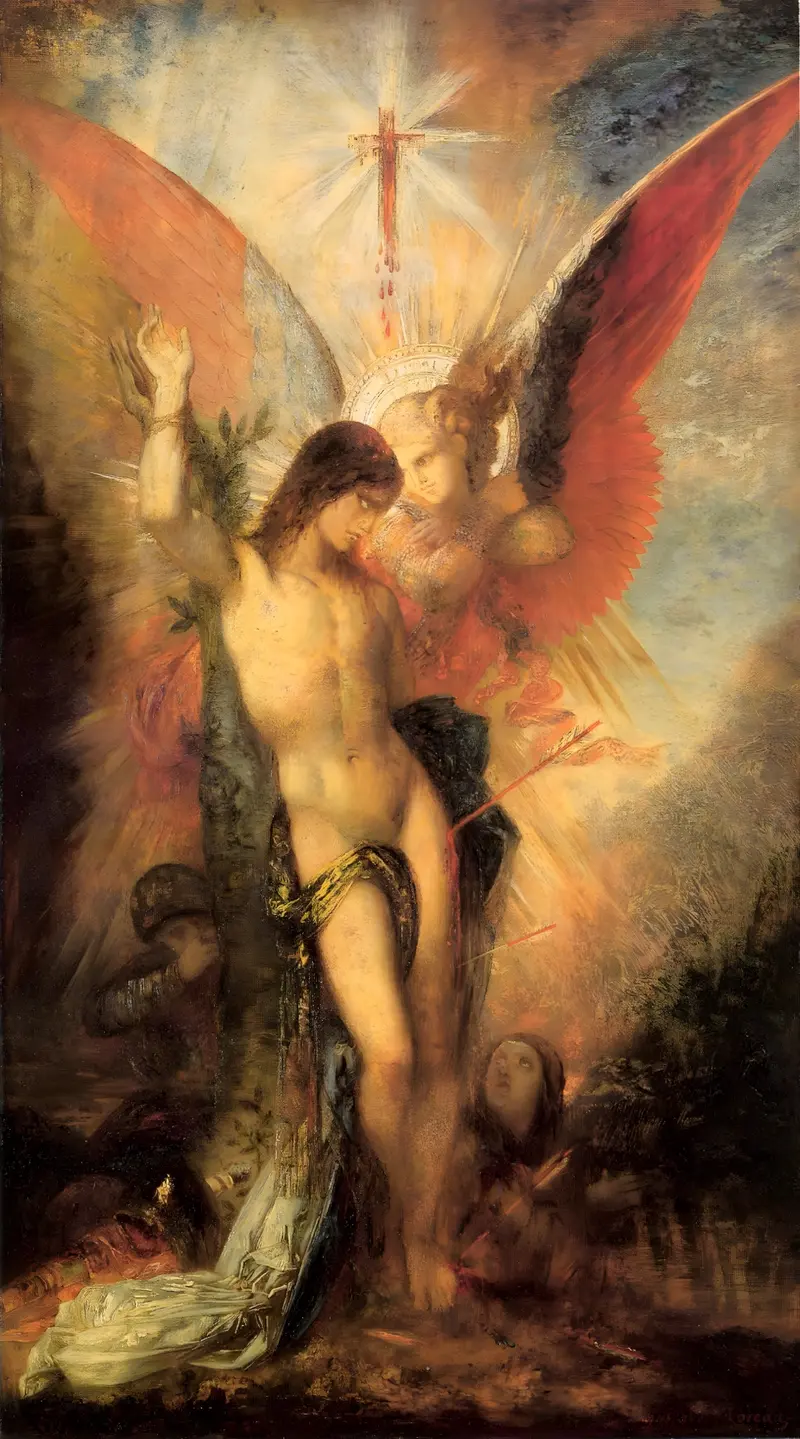
Saint Sebastian and the Angel
Gustave Moreau
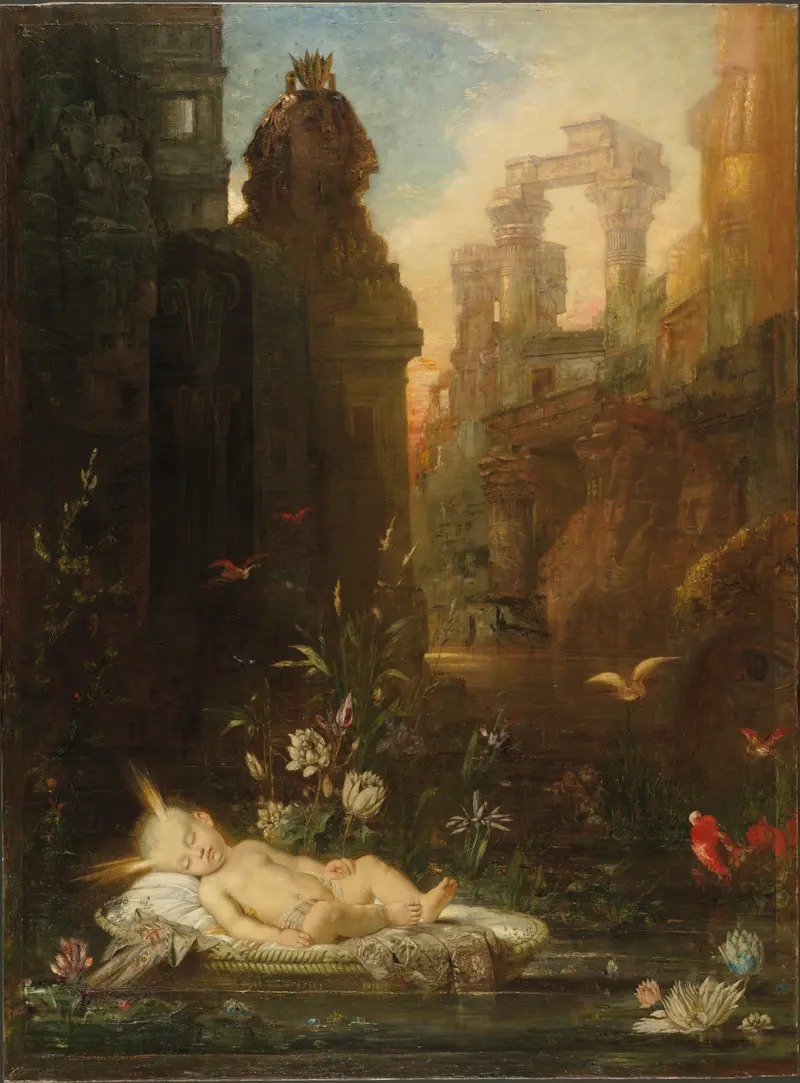
The Infant Moses
Gustave Moreau
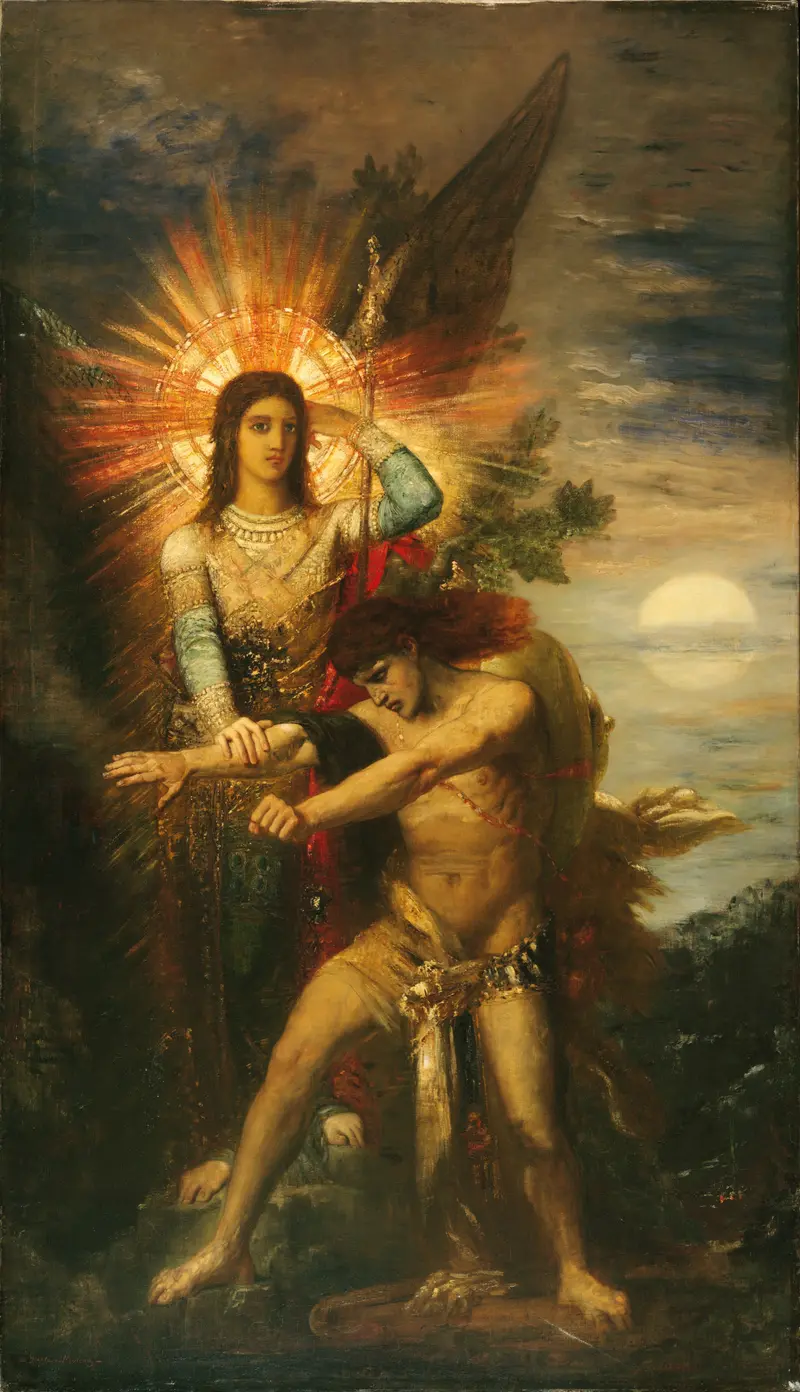
Jacob and the Angel
Gustave Moreau
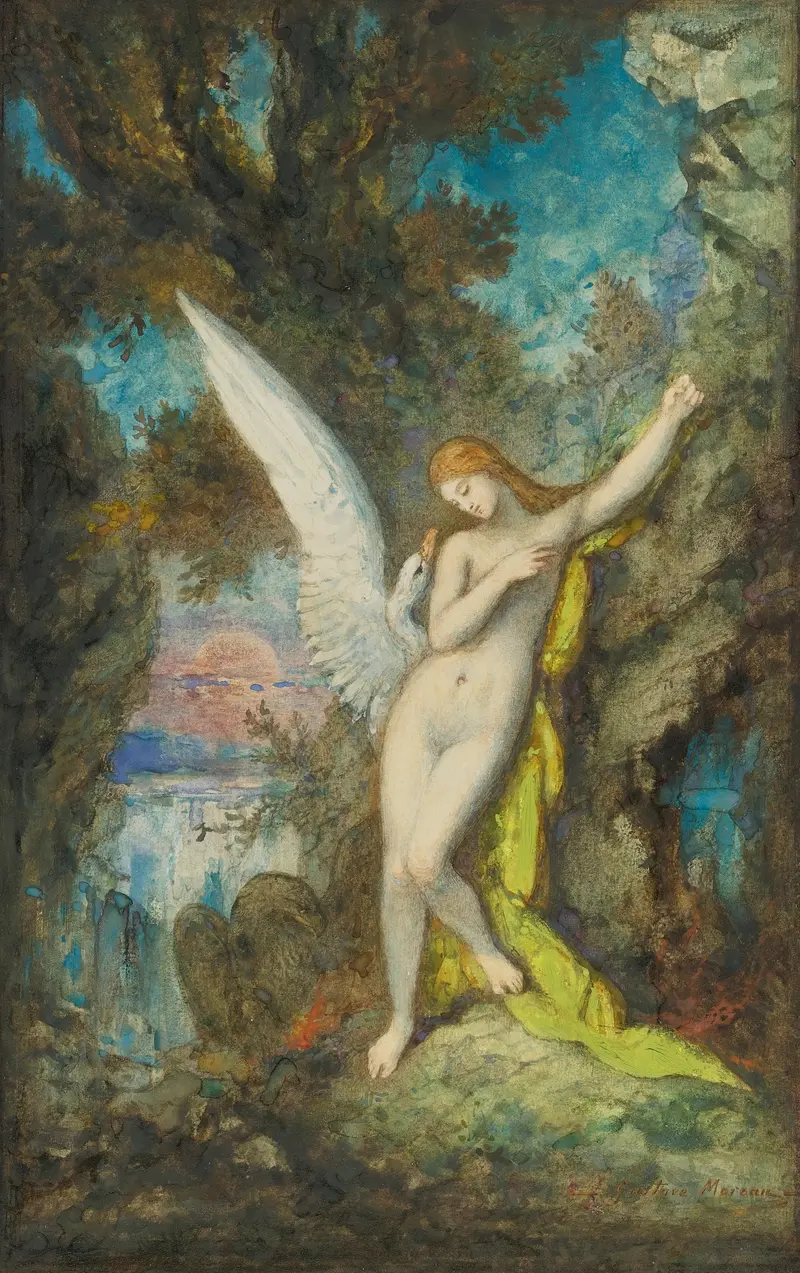
Leda Et Le Cygne
Gustave Moreau
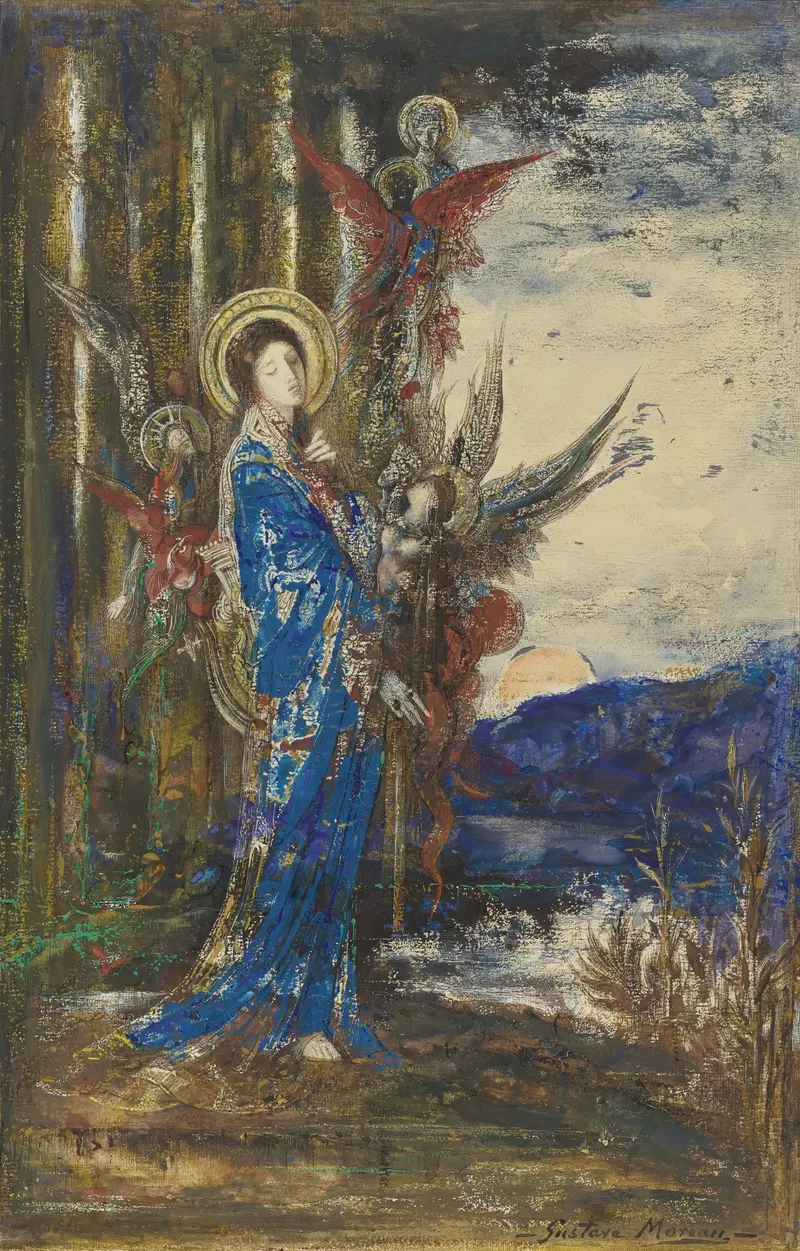
Les Épreuves
Gustave Moreau
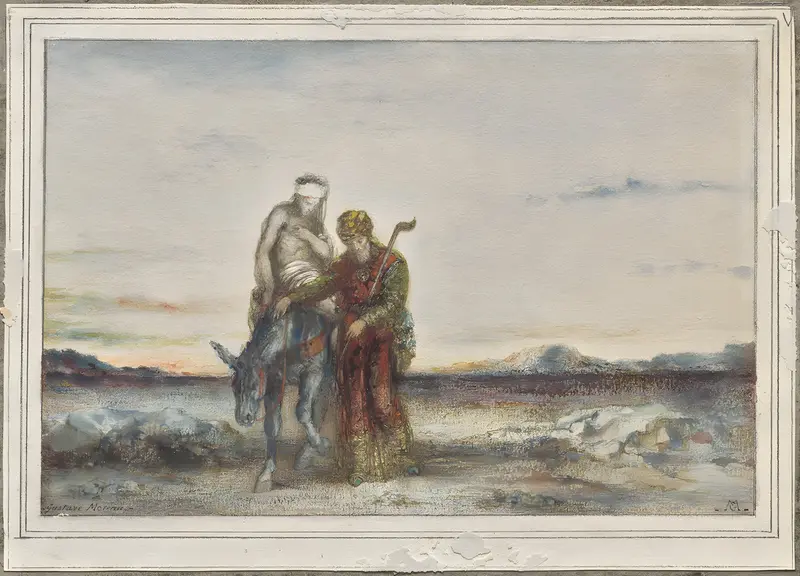
The Good Samaritan
Gustave Moreau
Venus Rising From The Sea
Gustave Moreau





