
La fidèle — History & Facts
No other work by Émile Vernet-Lecomte has sparked as much speculation as La fidèle, a painting whose title—“The Faithful”—invites as many questions as it answers. The true subject and date of the work remain elusive, and yet it regularly appears in discussions of Orientalist art, a genre that flourished in 19th-century France. Some scholars have pointed to its mysterious provenance and the absence of documentation as evidence that the painting may have been a private commission, intended for a patron who valued discretion or intimacy.
Others note that, unlike Vernet-Lecomte’s grand historical canvases, La fidèle has never been definitively linked to a public exhibition or salon. At the heart of the painting, a woman sits in quiet dignity, her gaze steady and unwavering. She is adorned with jewelry—bracelets, a delicate chain, perhaps a ring—each piece a marker of loyalty or personal history. The rich textiles and careful rendering of her attire suggest both affluence and a setting far from Paris, in keeping with Vernet-Lecomte’s fascination with the cultures of North Africa and the Middle East.
The play of light, falling softly across her features, isolates her from the background and draws the viewer into her private world. In this, Vernet-Lecomte’s approach recalls that of Jean-Léon Gérôme in works like The Siesta, where the subject’s interior life is hinted at through gesture and setting rather than overt narrative. The journey of La fidèle through time is as shadowed as its subject. With no clear record of exhibition or sale, the painting’s early history is largely unknown, and it has surfaced in recent years only in auction catalogues and digital collections.
This uncertainty has not diminished its reputation among connoisseurs of Orientalist painting, who prize Vernet-Lecomte’s ability to balance ethnographic detail with psychological depth. Today, La fidèle is often cited as a key example of the artist’s mature style, though its precise place in his oeuvre remains a subject for further research. Its quiet power continues to invite viewers to ponder the nature of faithfulness—whether to a person, a place, or an ideal.
More Artworks by Émile Vernet-Lecomte

Portrait d’Eugène Scribe (1791-1861), auteur dramatique
Émile Vernet-Lecomte
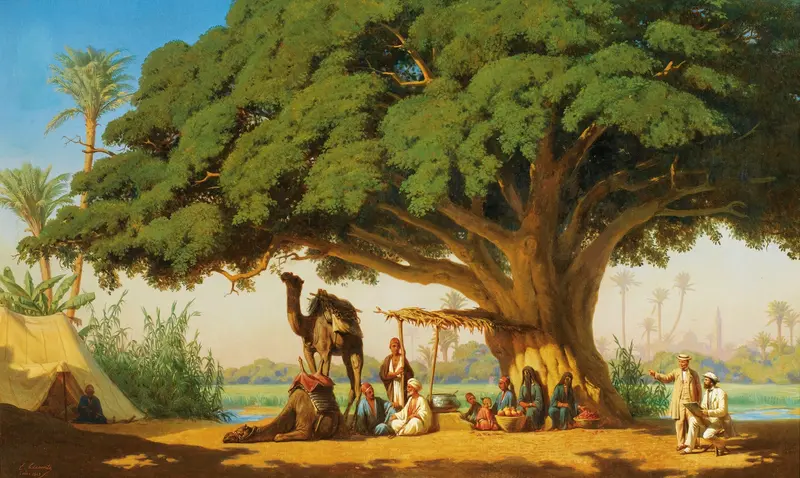
Travelling Artists Sketching An Arab Encampment, Cairo
Émile Vernet-Lecomte

A Greek Beauty
Émile Vernet-Lecomte
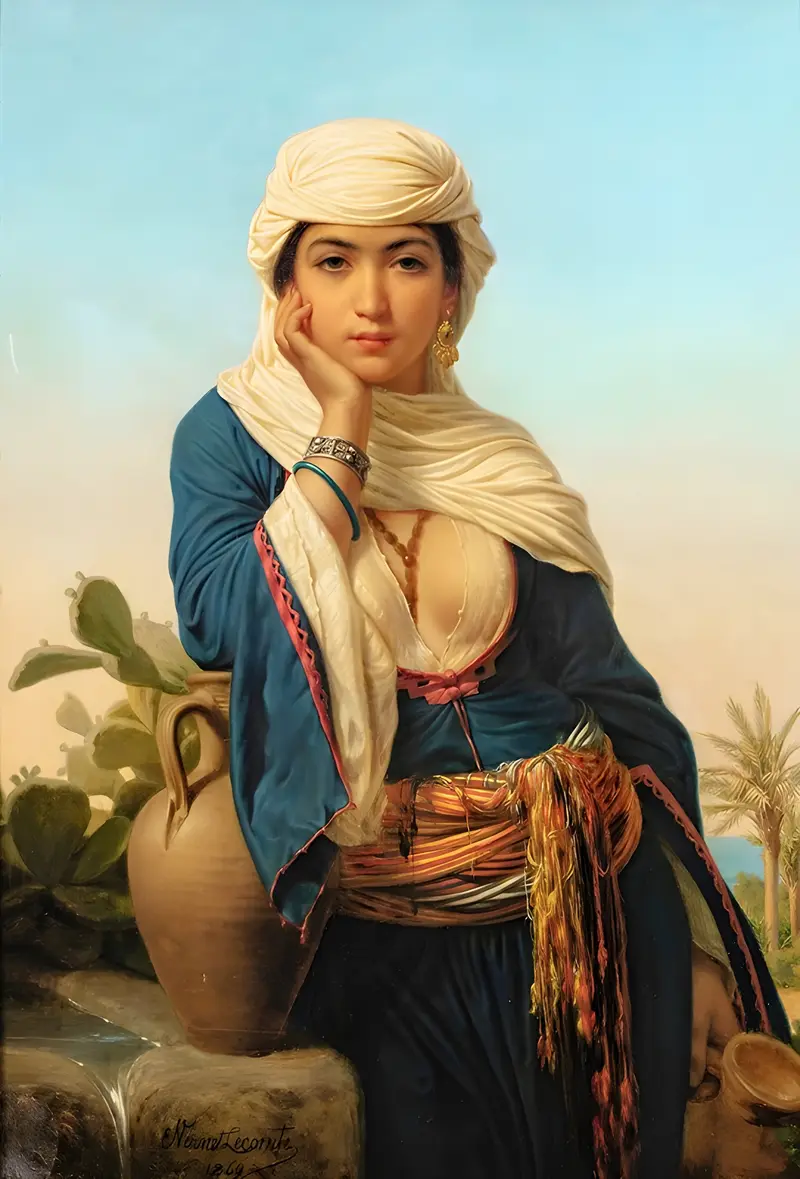
Rebecca At The Well
Émile Vernet-Lecomte
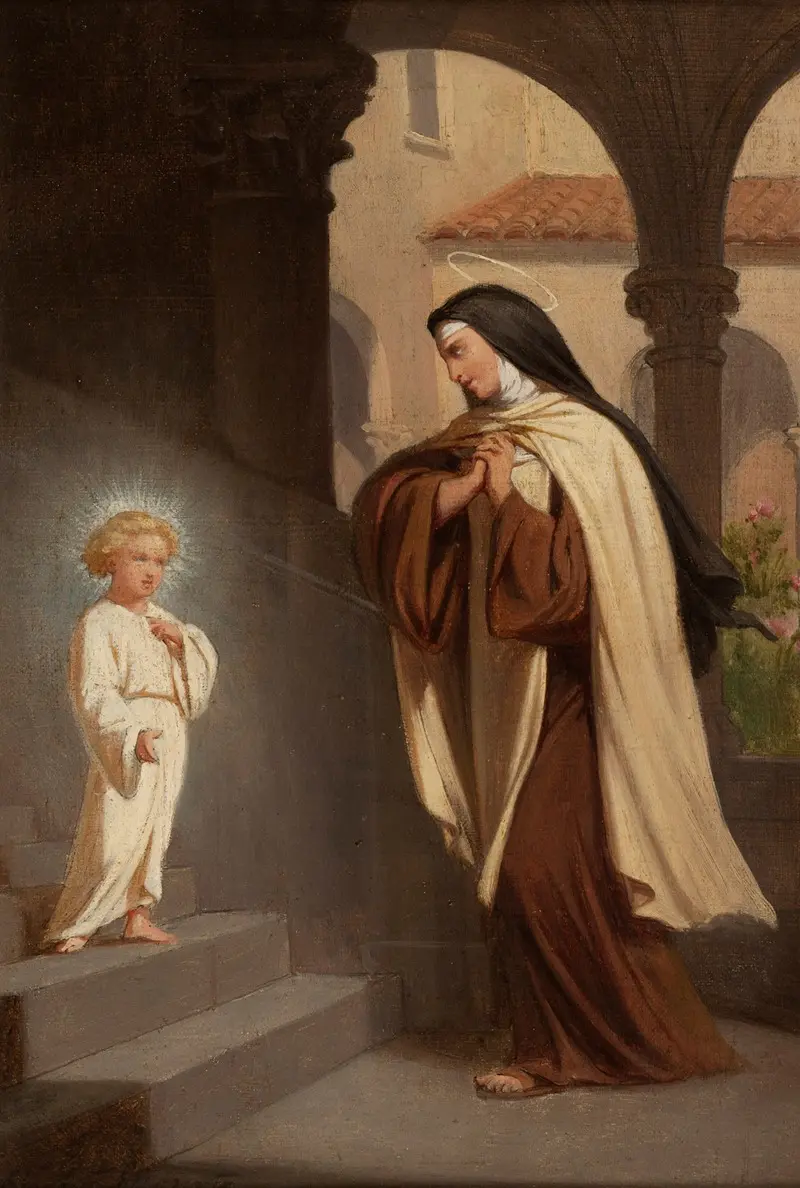
Jésus apparait à sainte Thérèse
Émile Vernet-Lecomte

La Femme Au Tambourin
Émile Vernet-Lecomte
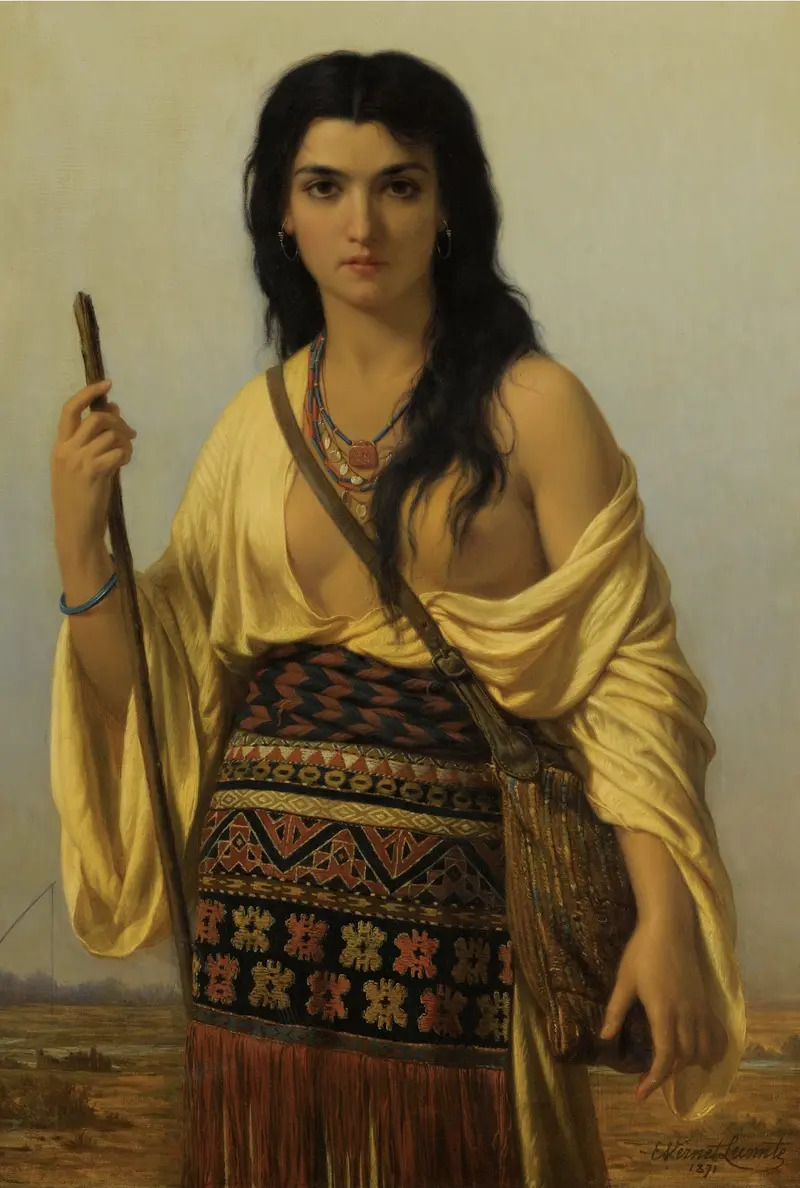
Minnehaha
Émile Vernet-Lecomte
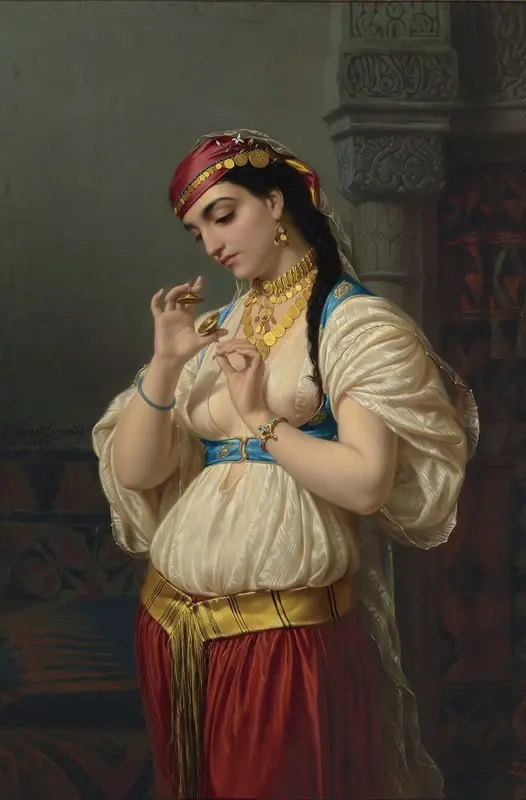
Aimée, A Young Egyptian
Émile Vernet-Lecomte
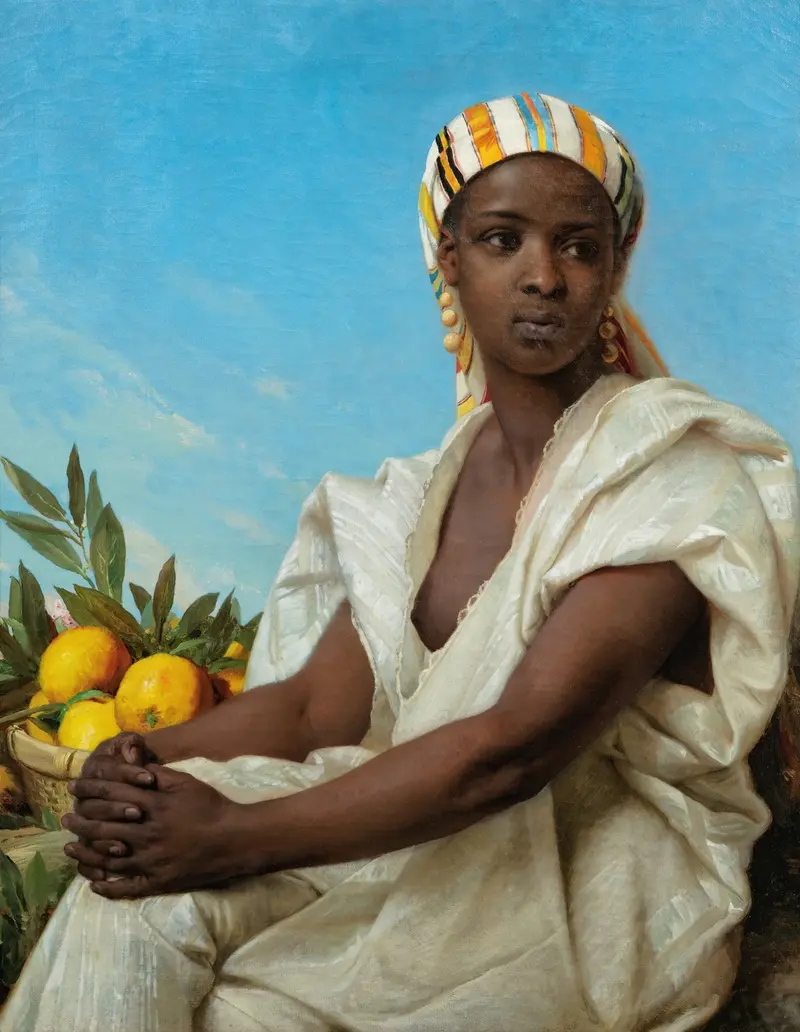
Portrait of a black woman
Émile Vernet-Lecomte
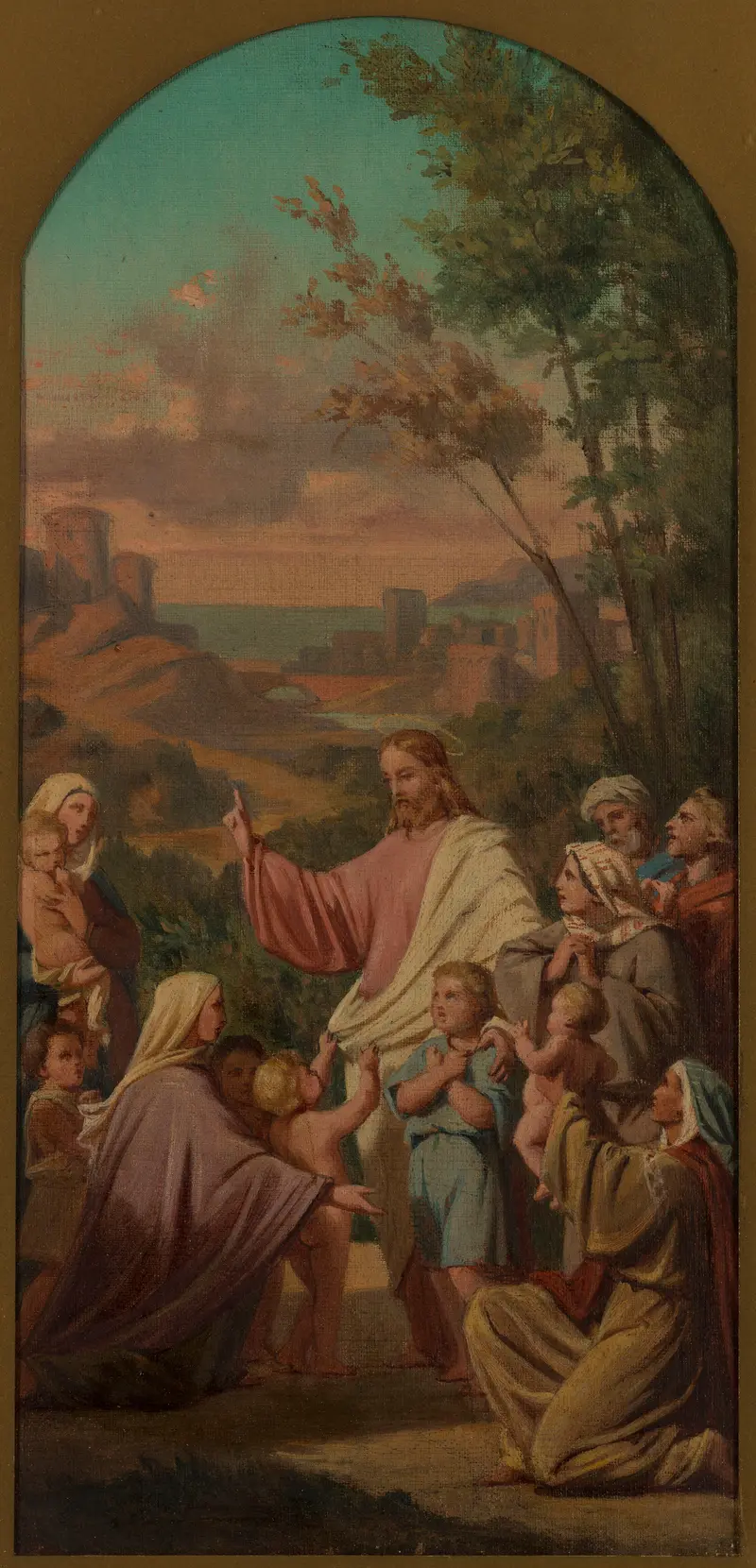
Laissez venir à moi les petits enfants.
Émile Vernet-Lecomte





