
La Femme Au Tambourin — History & Facts
When La Femme Au Tambourin first appeared at a Parisian salon, critics were struck by its vivid portrayal of an Eastern woman—so much so that it was cited in an 1860 review as “a vision of the Orient, alive with music and color.” The painting’s origins remain partly shrouded: neither its exact date nor its commissioner is firmly established, a rarity among the works of Émile Vernet-Lecomte, who was otherwise meticulous in recording such details. This air of mystery has only heightened its allure, as scholars continue to debate whether the model was a real sitter or an imagined figure drawn from the artist’s travels and fascination with the cultures of North Africa and the Middle East. The scene captures a young woman poised mid-dance, her tambourine raised, eyes meeting the viewer’s with a blend of confidence and invitation. Her richly embroidered garments and the patterned cushions at her feet signal both her status and the artist’s attention to detail, hallmarks of Orientalist painting.
The tambourine itself, painted with gleaming highlights, becomes a symbol of festivity and sensuality, while the play of light across her jewelry and silks draws the eye to the tactile pleasures of the scene. Unlike Ingres’ more languid La Grande Odalisque, Vernet-Lecomte’s subject is animated, caught in motion, suggesting both the allure and agency of his imagined East. As with many works by Émile Vernet-Lecomte, the exact path of La Femme Au Tambourin through history is uncertain. It likely passed through the hands of private collectors, as was common for Orientalist paintings in the late nineteenth century, prized for their exotic themes and technical skill.
Today, the painting’s whereabouts are not publicly documented, and its medium—presumed to be oil on canvas—remains unconfirmed. Still, it stands as a testament to Vernet-Lecomte’s career-long engagement with the East, a subject he returned to repeatedly, blending observation and fantasy in a way that both captivated and unsettled his contemporaries.
More Artworks by Émile Vernet-Lecomte

Portrait d’Eugène Scribe (1791-1861), auteur dramatique
Émile Vernet-Lecomte
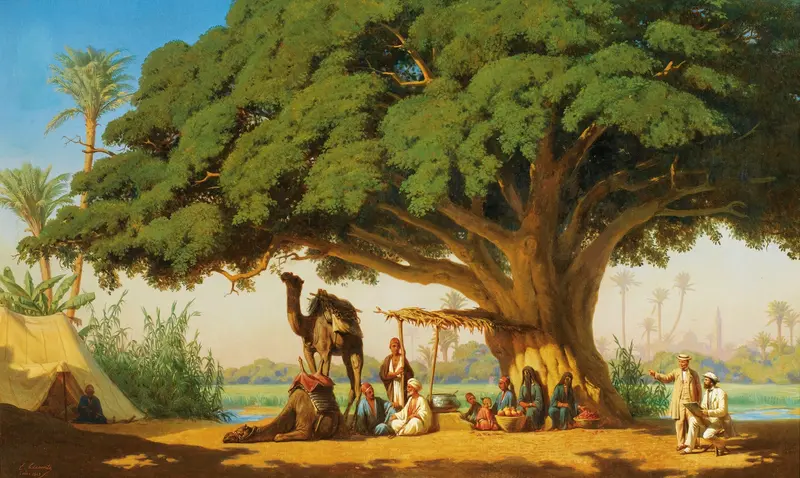
Travelling Artists Sketching An Arab Encampment, Cairo
Émile Vernet-Lecomte

A Greek Beauty
Émile Vernet-Lecomte
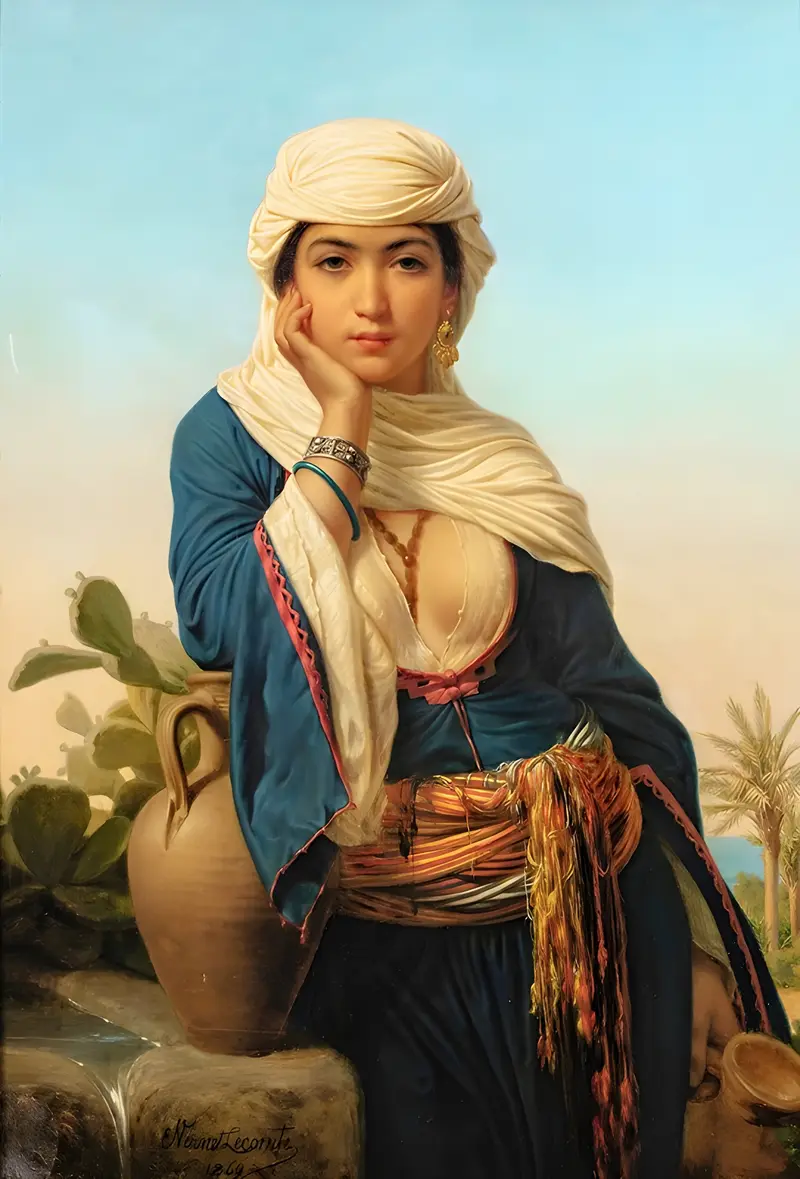
Rebecca At The Well
Émile Vernet-Lecomte
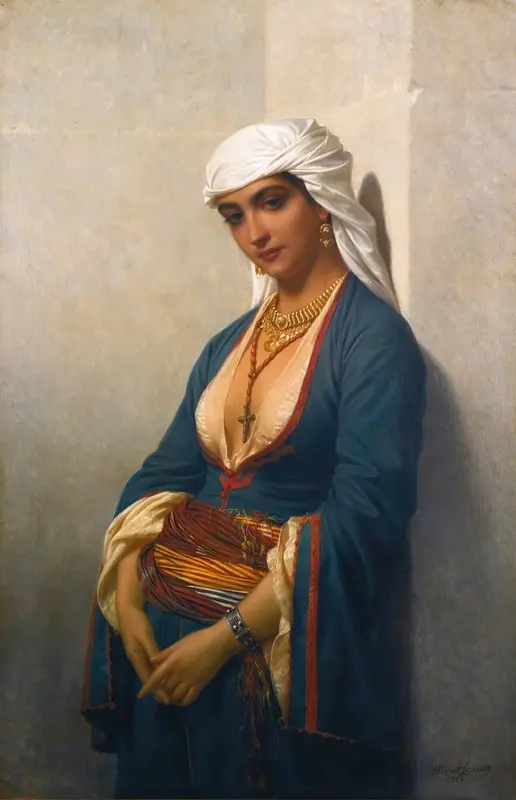
La fidèle
Émile Vernet-Lecomte
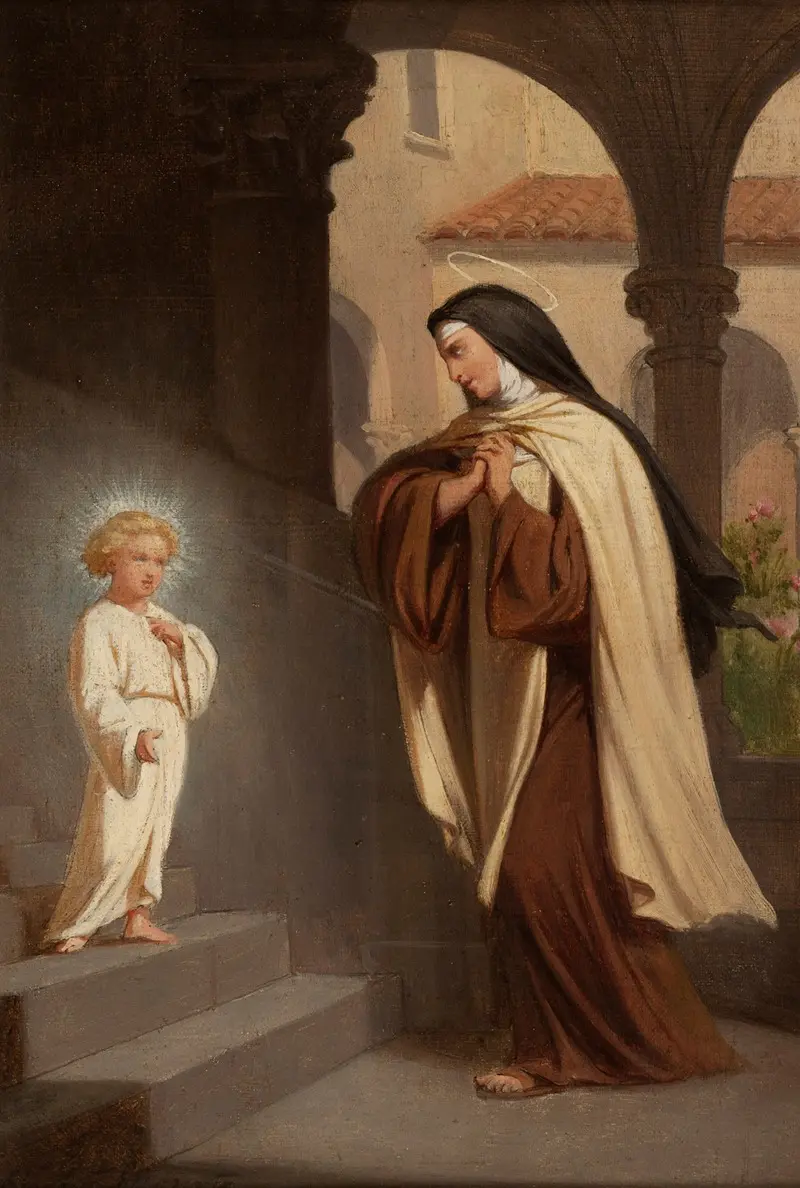
Jésus apparait à sainte Thérèse
Émile Vernet-Lecomte
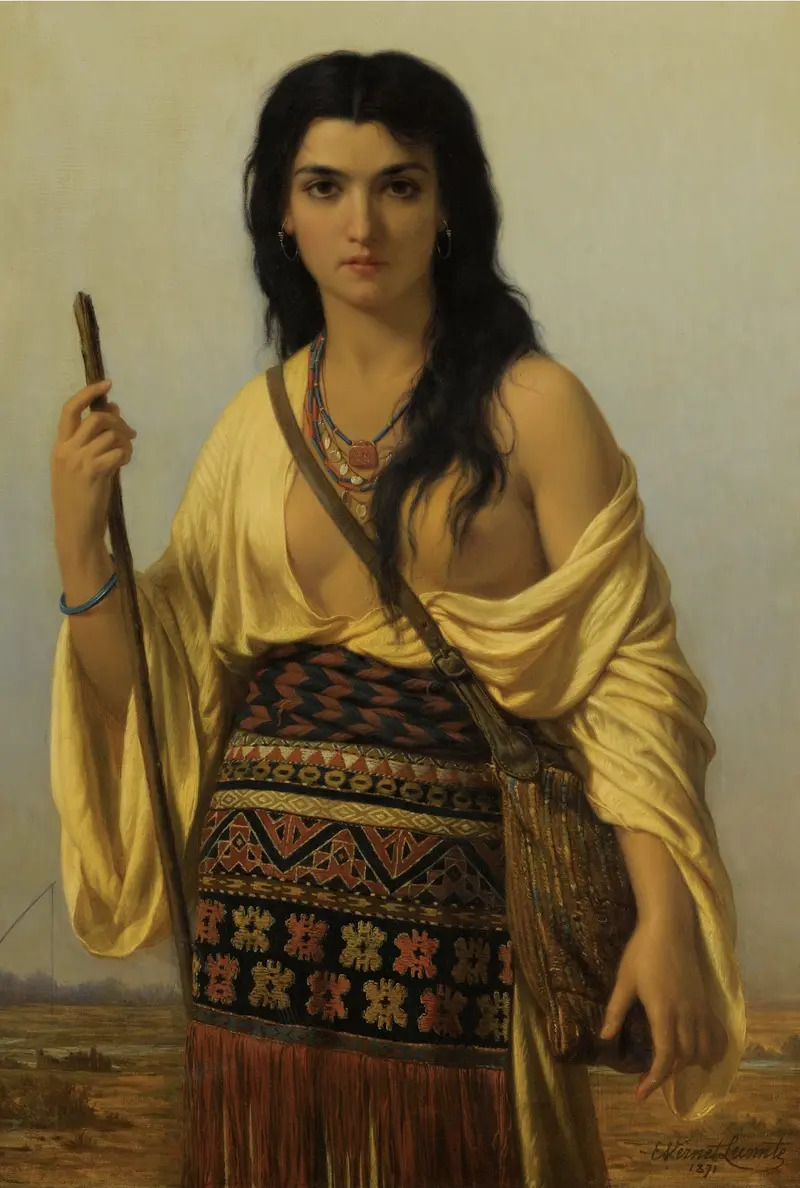
Minnehaha
Émile Vernet-Lecomte
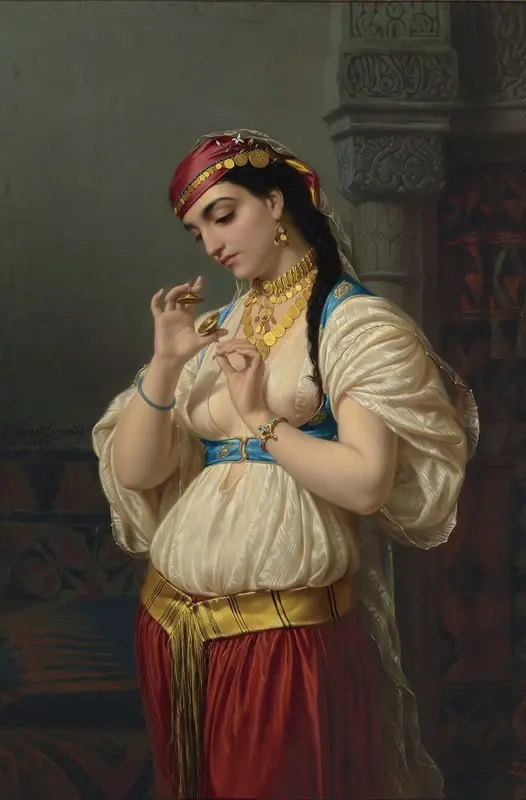
Aimée, A Young Egyptian
Émile Vernet-Lecomte
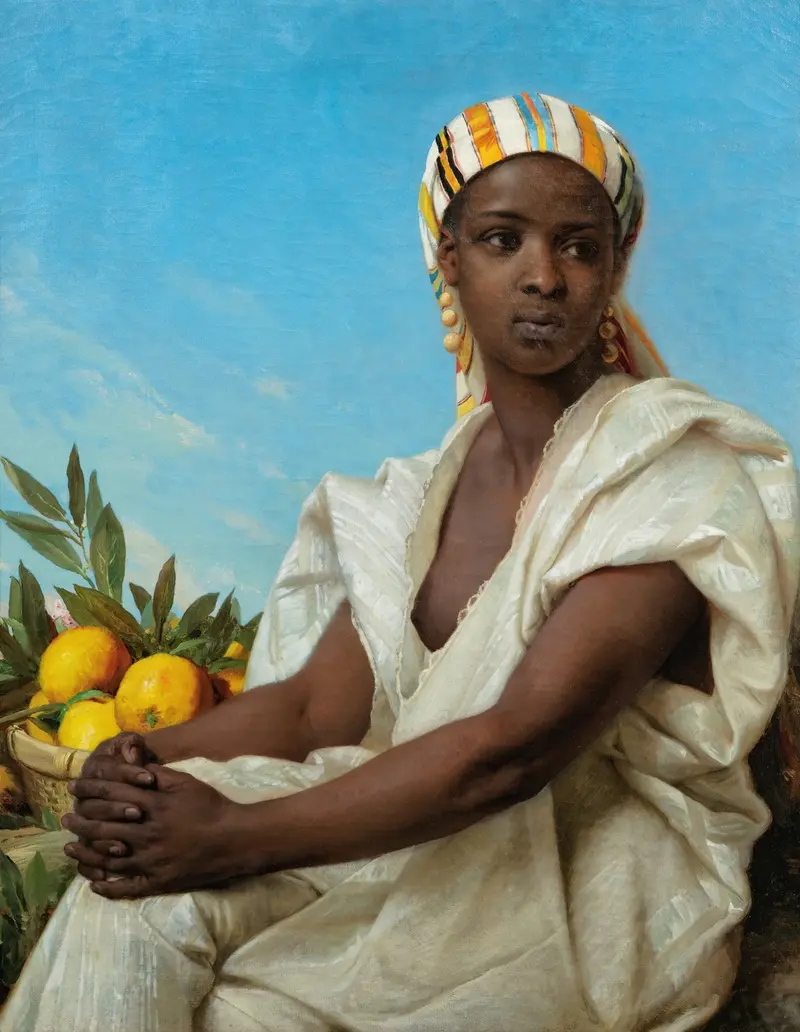
Portrait of a black woman
Émile Vernet-Lecomte
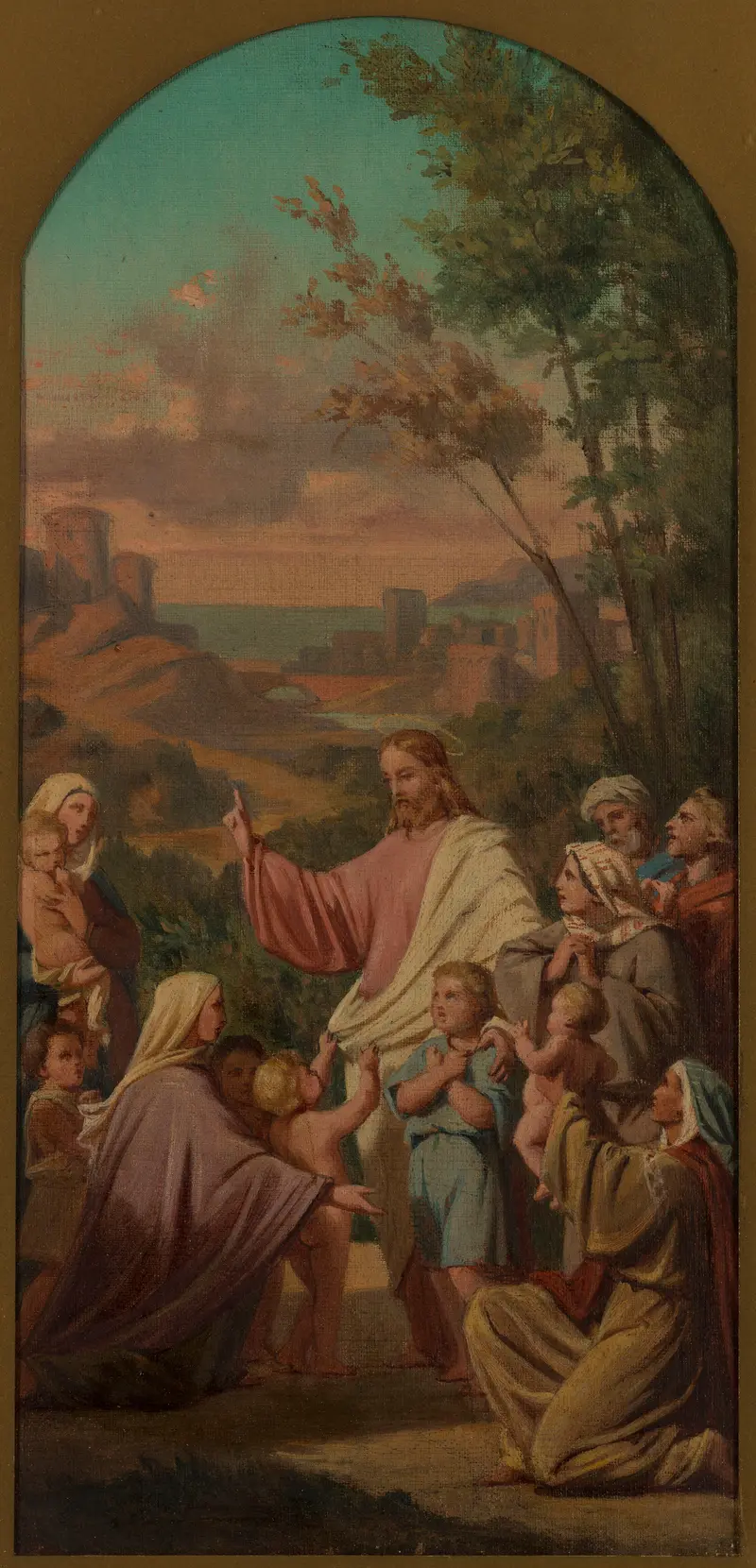
Laissez venir à moi les petits enfants.
Émile Vernet-Lecomte



