
Portrait of a black woman — History & Facts
No one knows the name of the woman who sat for Portrait of a black woman by Émile Vernet-Lecomte, and that anonymity has become the painting’s most discussed feature. When it appeared at a Parisian exhibition in the mid-19th century, critics remarked on its unusual subject: a Black sitter portrayed with the dignity and presence usually reserved for European aristocrats. While many of Vernet-Lecomte’s contemporaries painted “exotic” figures as decorative curiosities, he chose instead to present his subject as an individual, her gaze meeting the viewer’s with quiet confidence.
The painting’s date and commission remain uncertain, adding to its air of mystery. At the heart of the canvas is a woman, seated and composed, her direct gaze holding the viewer’s attention. She wears a richly colored garment, possibly silk, and a delicate necklace—details that suggest both status and care in her presentation. The light falls softly across her face, highlighting her features and the thoughtful expression in her eyes.
Unlike the orientalist fantasies of Jean-Léon Gérôme or Delacroix, Vernet-Lecomte avoids theatrical props, focusing instead on the sitter’s individuality. The restrained backdrop and subtle palette further emphasize her presence, inviting the viewer to consider her as a person rather than a type. Little is known about the painting’s early history; its first recorded appearance is in a 19th-century Parisian collection, and it has since passed through several private hands. Scholars have debated whether the sitter was a model, a member of the artist’s circle, or someone of note in Parisian society, but no definitive identification has emerged.
Today, Portrait of a black woman stands out among Vernet-Lecomte’s oeuvre, which often featured orientalist themes and genre scenes. Its quiet dignity and focus on the sitter’s humanity have made it a subject of renewed interest, especially as museums and historians seek to recover overlooked stories and faces from the past.
More Artworks by Émile Vernet-Lecomte

Portrait d’Eugène Scribe (1791-1861), auteur dramatique
Émile Vernet-Lecomte
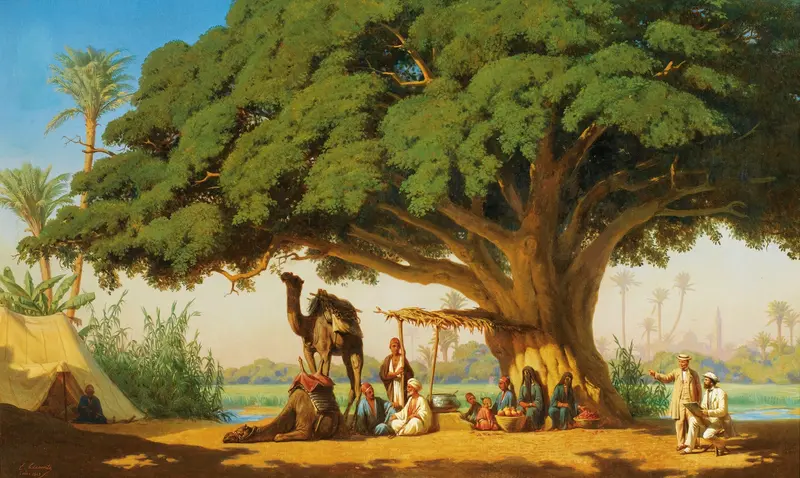
Travelling Artists Sketching An Arab Encampment, Cairo
Émile Vernet-Lecomte

A Greek Beauty
Émile Vernet-Lecomte
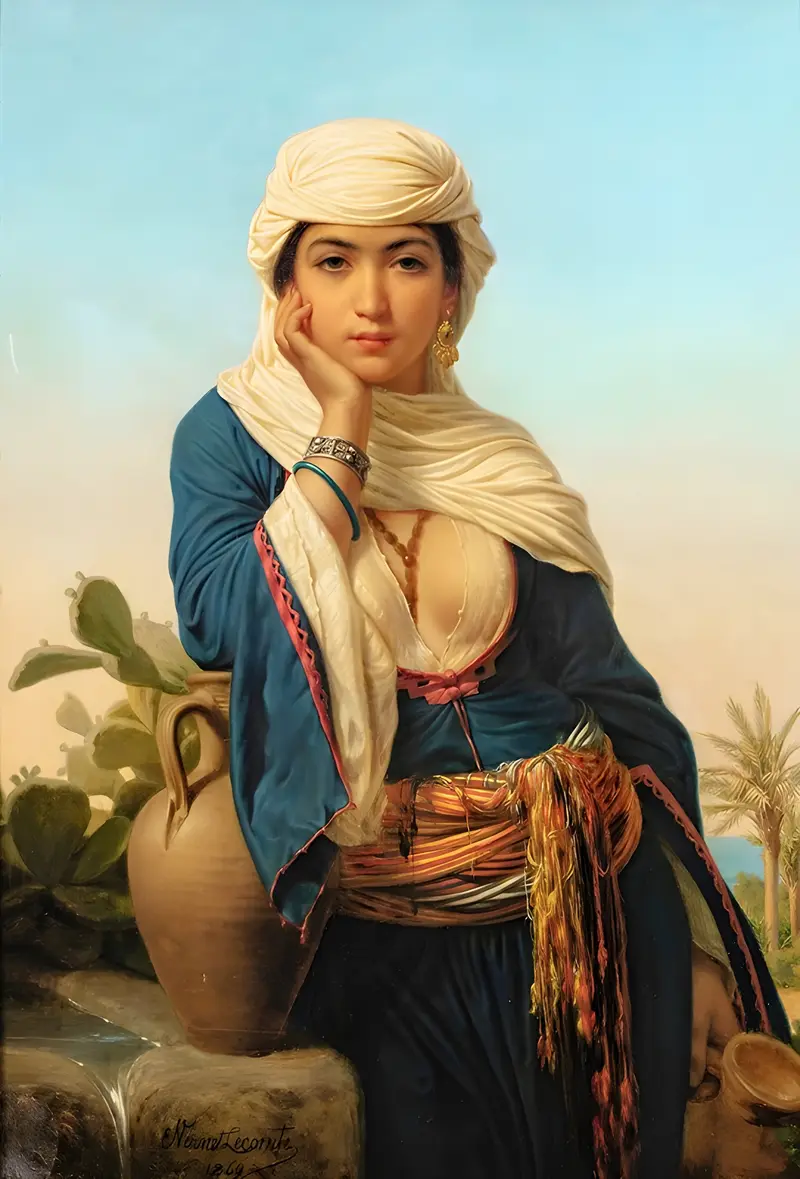
Rebecca At The Well
Émile Vernet-Lecomte
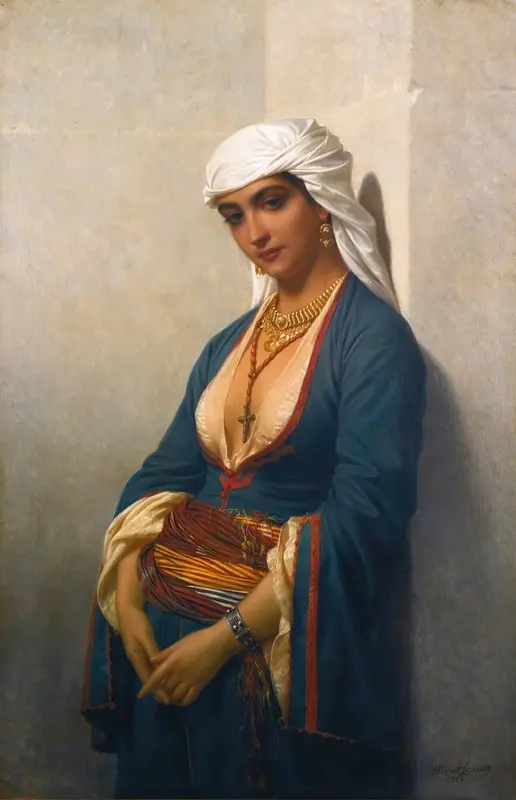
La fidèle
Émile Vernet-Lecomte
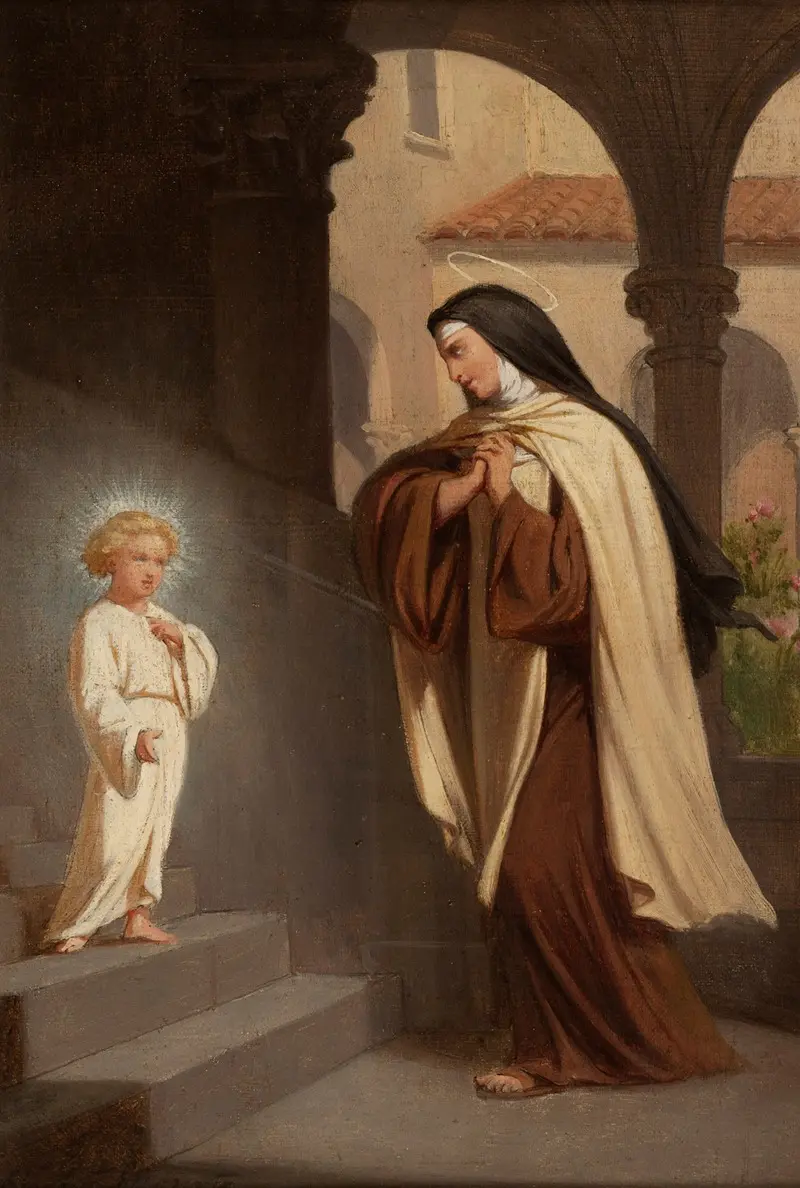
Jésus apparait à sainte Thérèse
Émile Vernet-Lecomte

La Femme Au Tambourin
Émile Vernet-Lecomte
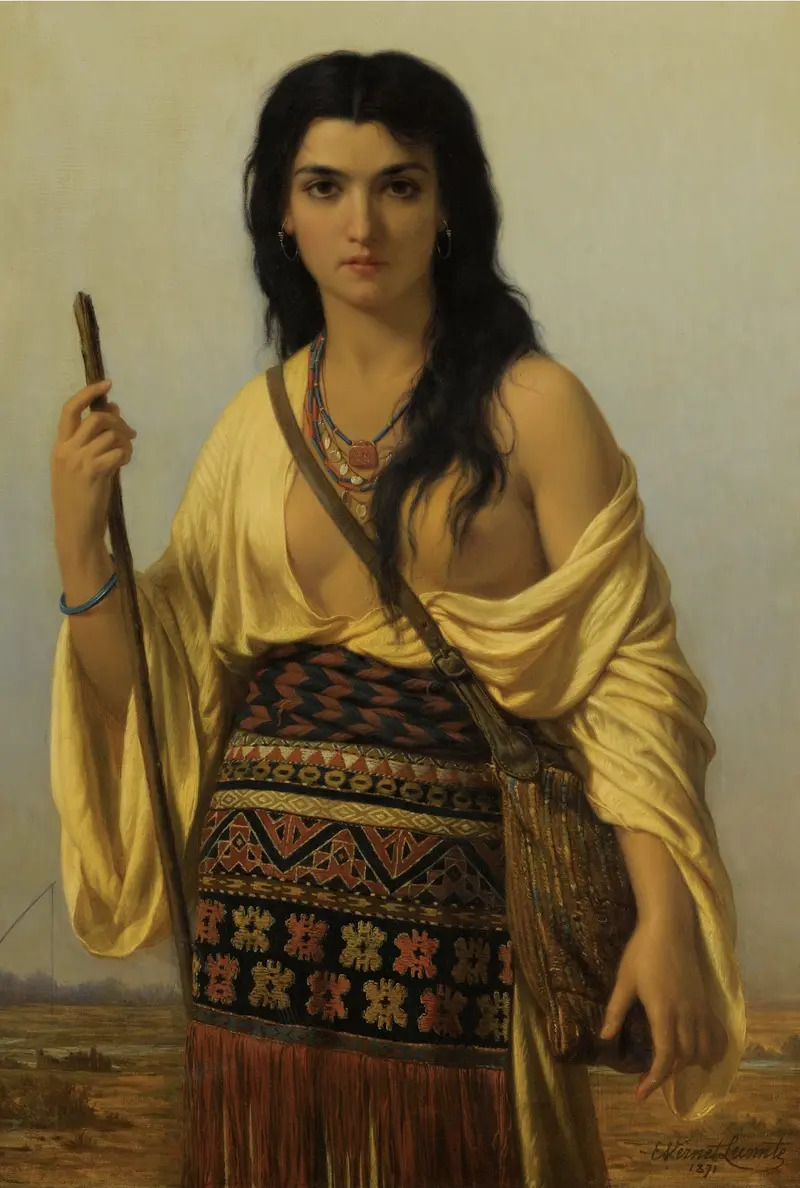
Minnehaha
Émile Vernet-Lecomte
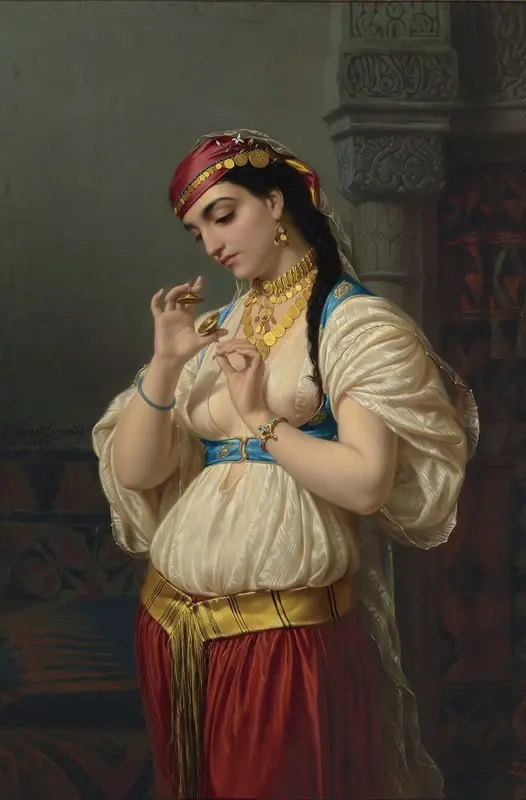
Aimée, A Young Egyptian
Émile Vernet-Lecomte
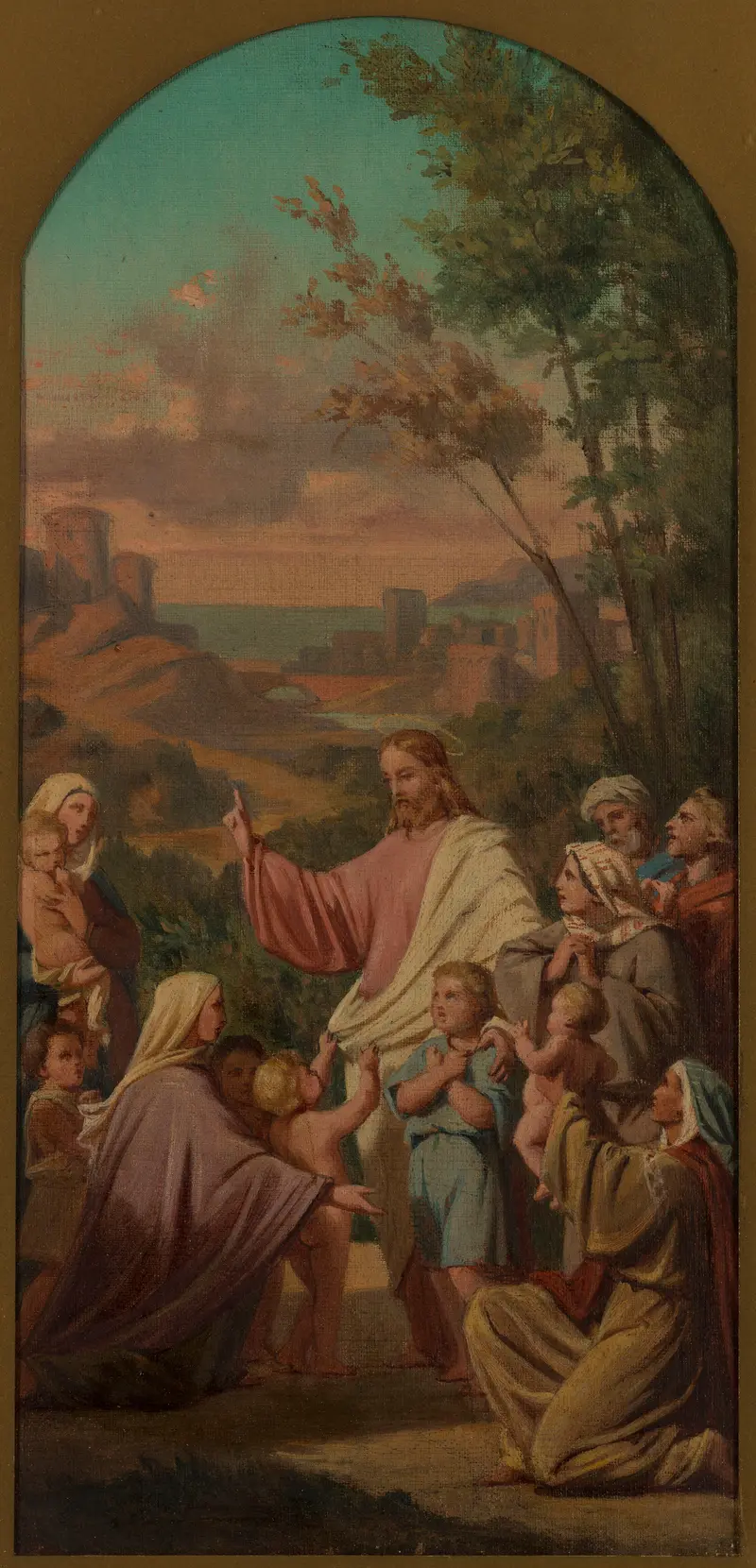
Laissez venir à moi les petits enfants.
Émile Vernet-Lecomte





