
La fête à Saint-Cloud — History & Facts
Is this a mirror — or a memory? The fleeting joy captured on canvas invites the viewer to step into a world where happiness lingers like the last rays of sunlight at dusk. Look to the left at the vibrant gathering of elegantly dressed figures, their laughter almost audible in the air. Notice how Renoir uses light, dappling it through the leaves of the trees above, creating a shimmering effect on the scene below. The warm palette of yellows and soft greens evokes a sense of blissful languor, guiding your eye towards the delicate interplay of shadows on the grass, where couples converse and dance. Within this idyllic setting, the contrast between the stillness of nature and the vibrant celebration speaks volumes.
Each figure is captured mid-gesture, embodying joy yet tinged with an ephemeral quality, as if these moments of elation are destined to fade. The revealing smiles, the gentle touches, and the carefree poses are underscored by an underlying tension; this festivity is set against the backdrop of a world just emerging from tumult — a collective respite that makes the joy feel all the more poignant. Renoir painted La fête à Saint-Cloud in 1871, shortly after the tumult of the Franco-Prussian War had reshaped France. Living in Paris, he was immersed in the burgeoning Impressionist movement, where he began to explore the theme of leisure and social cohesion among the emerging middle class.
This work reflects not only his artistic evolution but also a society seeking to reclaim joy and beauty after a period of strife.
More Artworks by Pierre-Auguste Renoir
Browse all →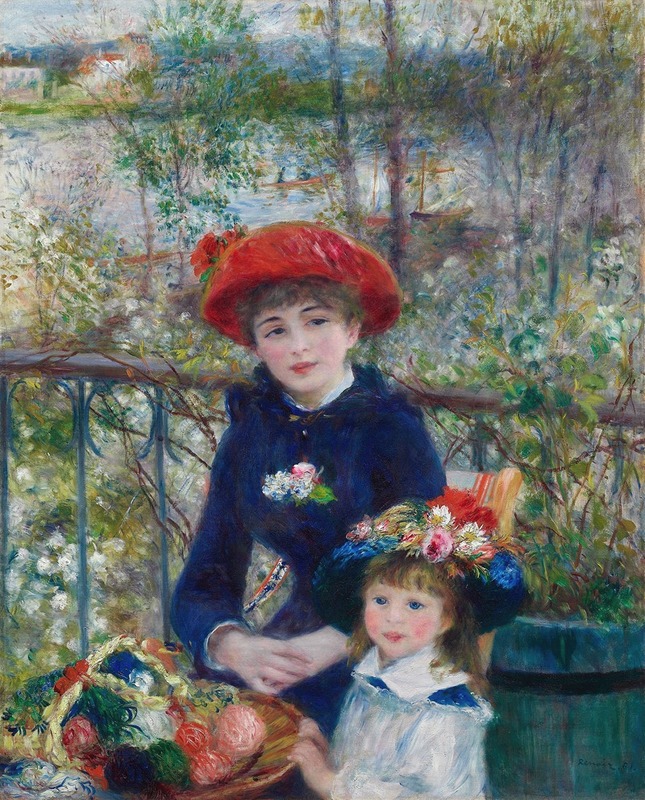
Two Sisters (On the Terrace)
Pierre-Auguste Renoir
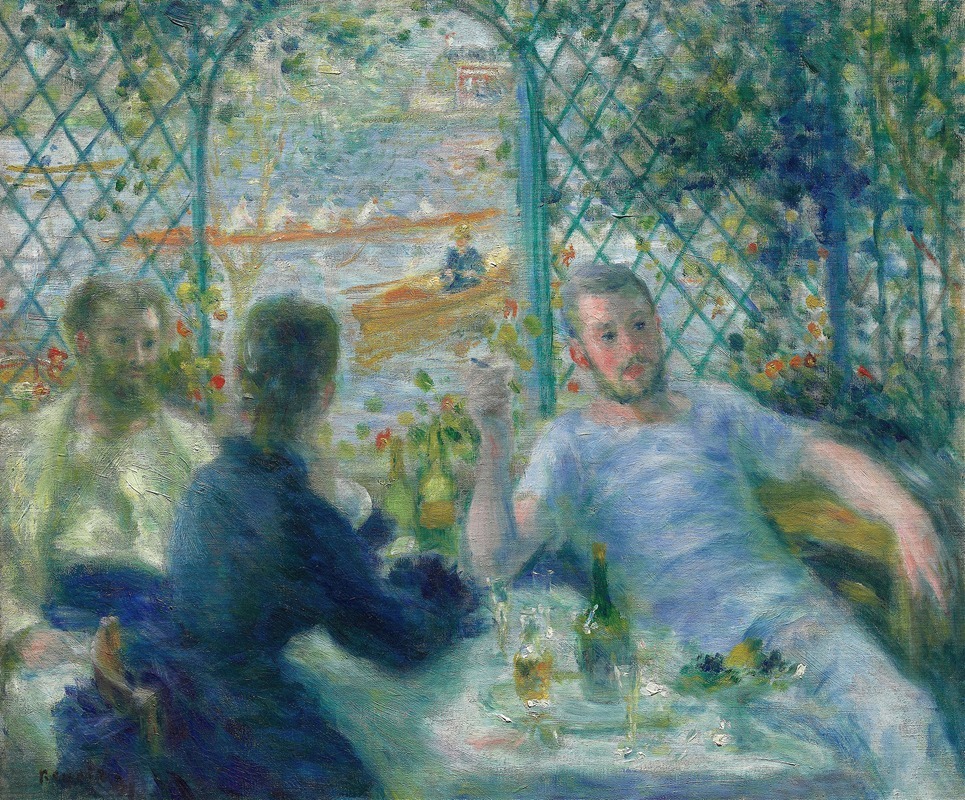
Lunch at the Restaurant Fournaise (The Rowers' Lunch)
Pierre-Auguste Renoir
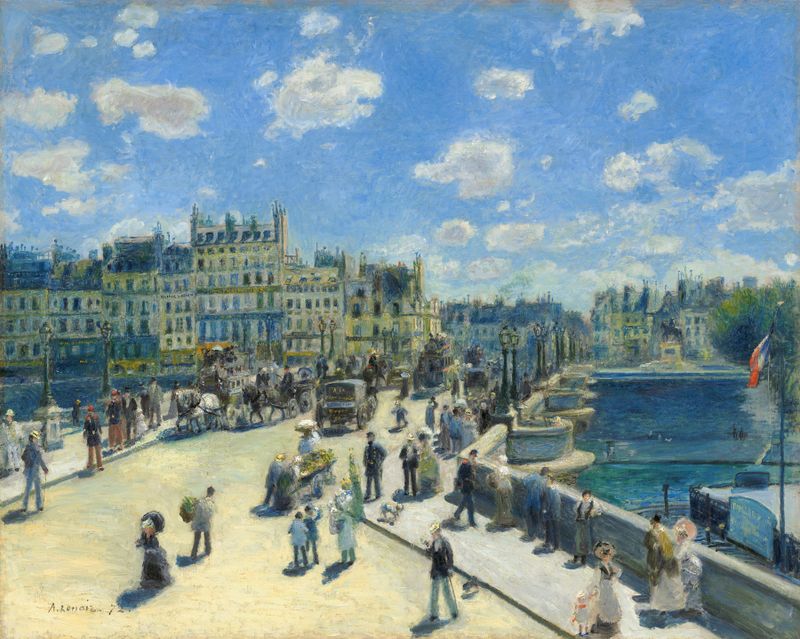
Pont Neuf, Paris
Pierre-Auguste Renoir
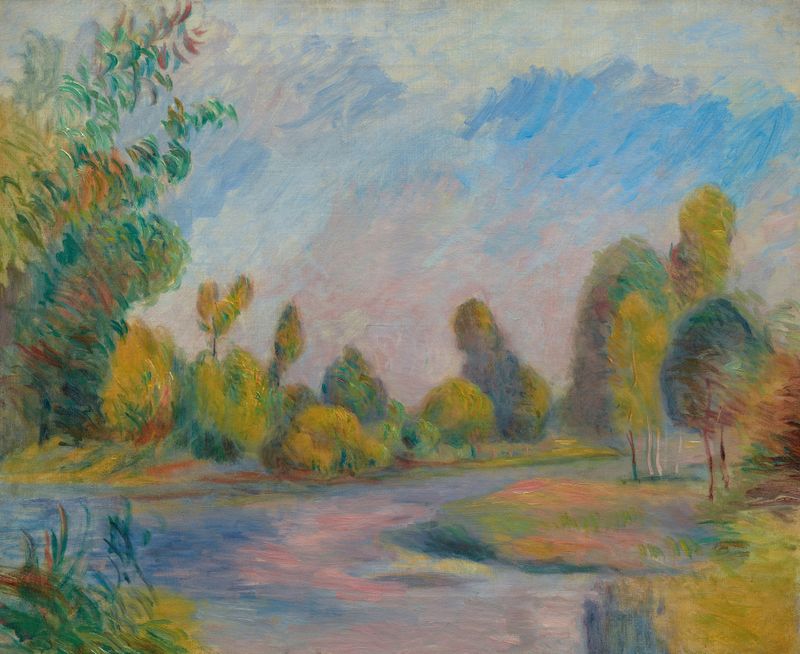
Au bord de la rivière
Pierre-Auguste Renoir

Near the Lake
Pierre-Auguste Renoir
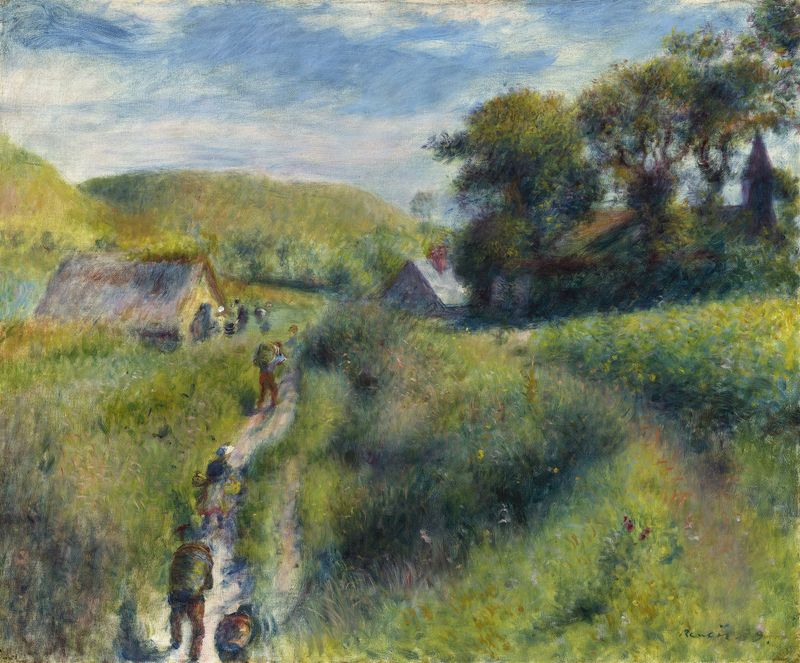
The Mussel Harvest
Pierre-Auguste Renoir

The Seine at Chatou
Pierre-Auguste Renoir
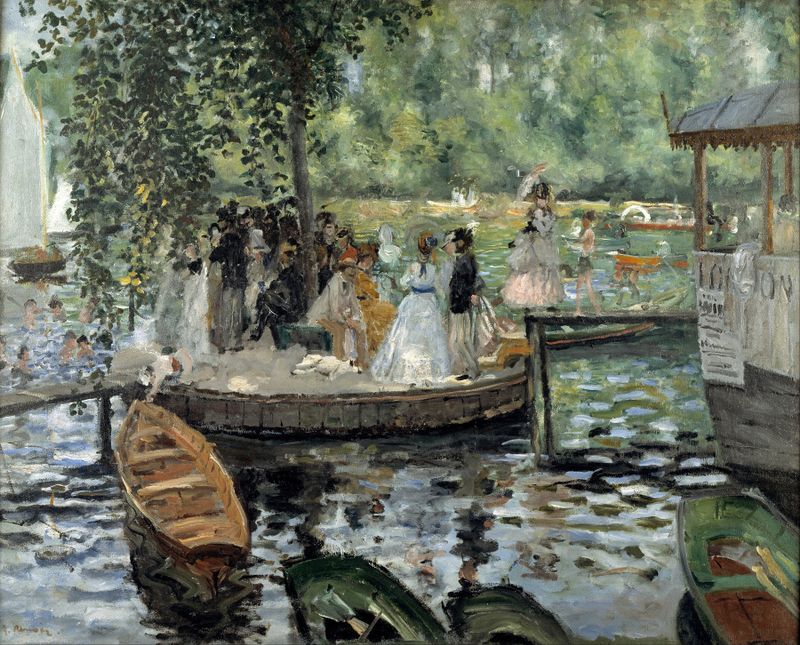
La Grenouillère
Pierre-Auguste Renoir
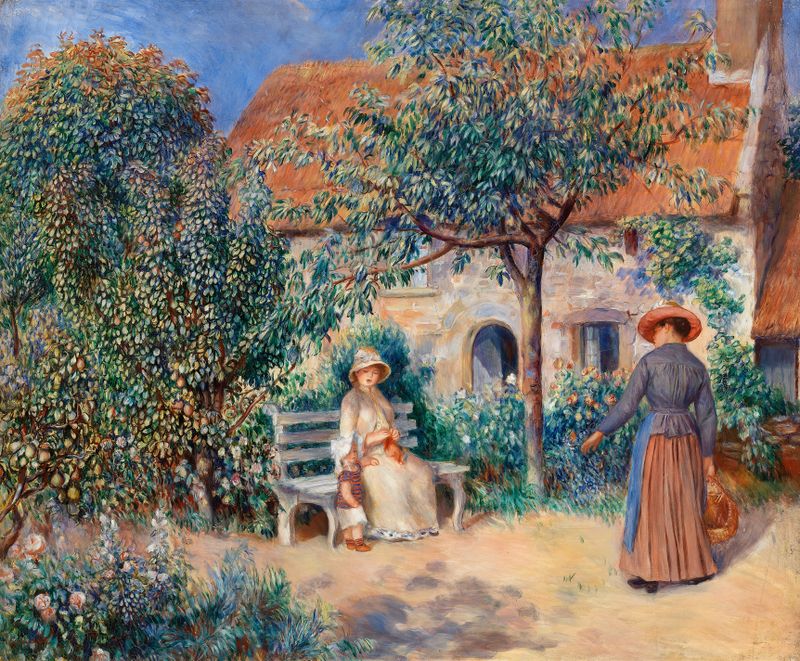
In Brittany (En Bretagne)
Pierre-Auguste Renoir
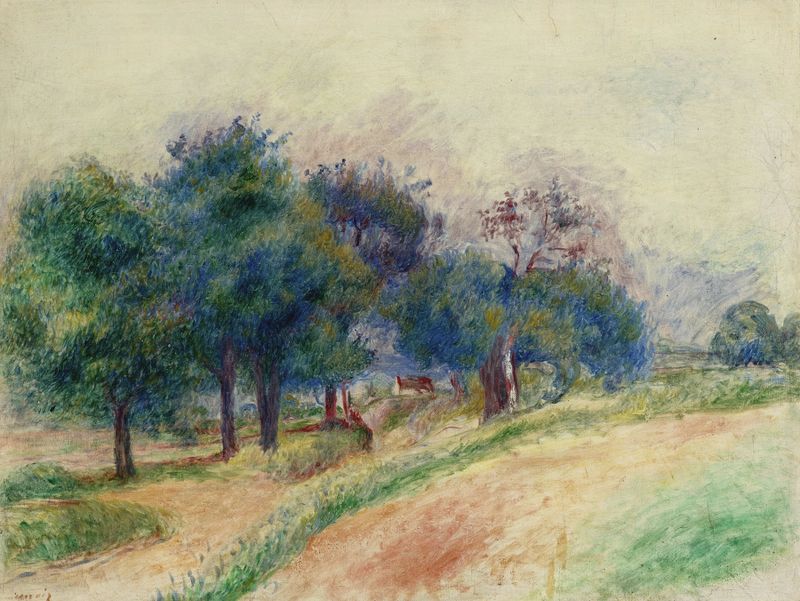
Paysage d’Essoyes
Pierre-Auguste Renoir





