
La Grande Jatte: the White Dog — History & Facts
When Georges Seurat began work on his monumental A Sunday Afternoon on the Island of La Grande Jatte in 1884, he made a series of preparatory studies, each focusing on a single element of the larger scene. Among these, La Grande Jatte: the White Dog stands out for its role in the birth of Pointillism, the technique Seurat pioneered. This small study isolates the now-famous white dog, a detail that would become one of the most recognizable motifs in the final painting—so much so that contemporary critics at the 1886 Impressionist exhibition affectionately referred to it as "le petit chien blanc." In this study, the white dog stands alert at the riverbank, tail raised, nose to the breeze, its form rendered in precise, dappled dots of color.
Seurat captures a fleeting moment of canine curiosity, freezing the animal mid-stride as it sniffs the grass. The background is reduced to a haze of green and blue, focusing all attention on the dog’s crisp silhouette. This methodical approach distinguishes Seurat from his Impressionist peers, such as Claude Monet, who would have allowed the brush to blur the animal into the landscape.
Here, every dot is deliberate, each color chosen to heighten the sense of light and motion. The fate of La Grande Jatte: the White Dog after its creation is less documented than that of the finished masterpiece. Like many of Seurat’s oil studies, it remained in private hands for decades, passed quietly between collectors who admired its technical innovation. Today, it is celebrated as a key step in Seurat’s development of Pointillism and his meticulous planning for La Grande Jatte.
The study’s intimacy and focus offer a rare glimpse into the artist’s process, bridging the gap between observation and the grand orchestration of his final composition.
More Artworks by Georges Seurat
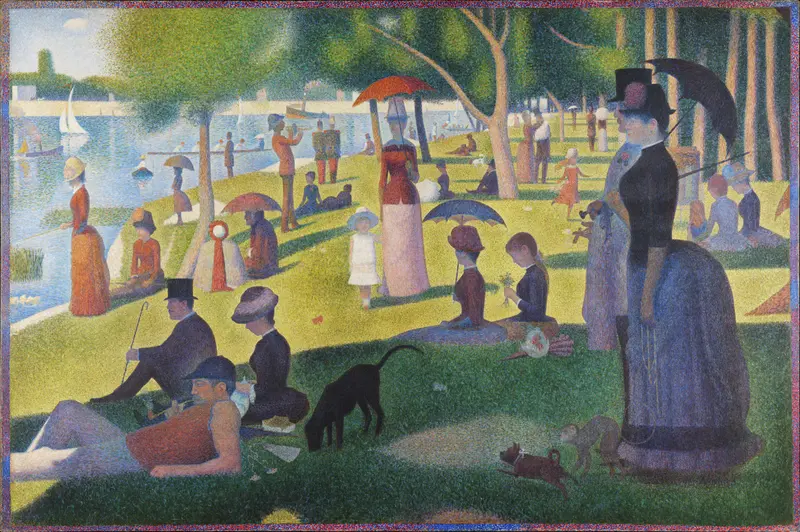
A Sunday Afternoon on the Island of La Grande Jatte
Georges Seurat
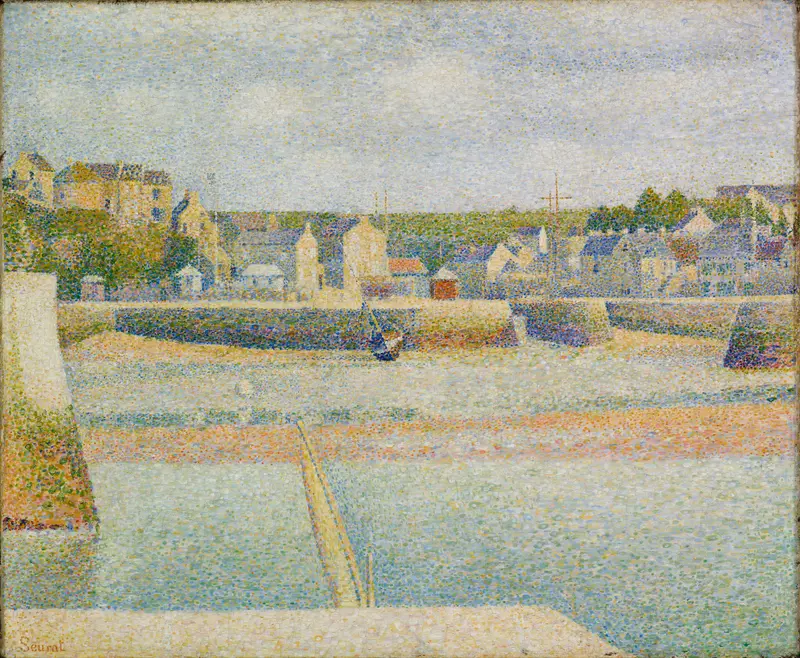
Port-en-Bessin, The Outer Harbor (Low Tide)
Georges Seurat
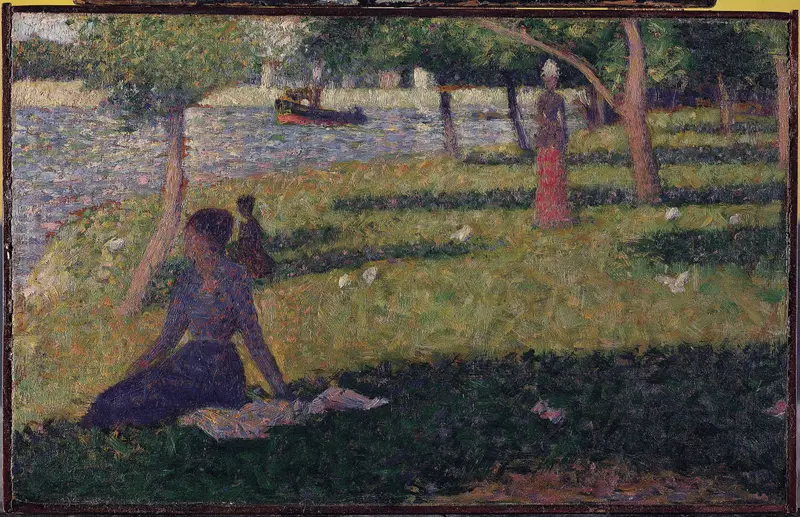
Étude pour ‘La Grande Jatte’ (Study for ‘La Grande Jatte’)
Georges Seurat
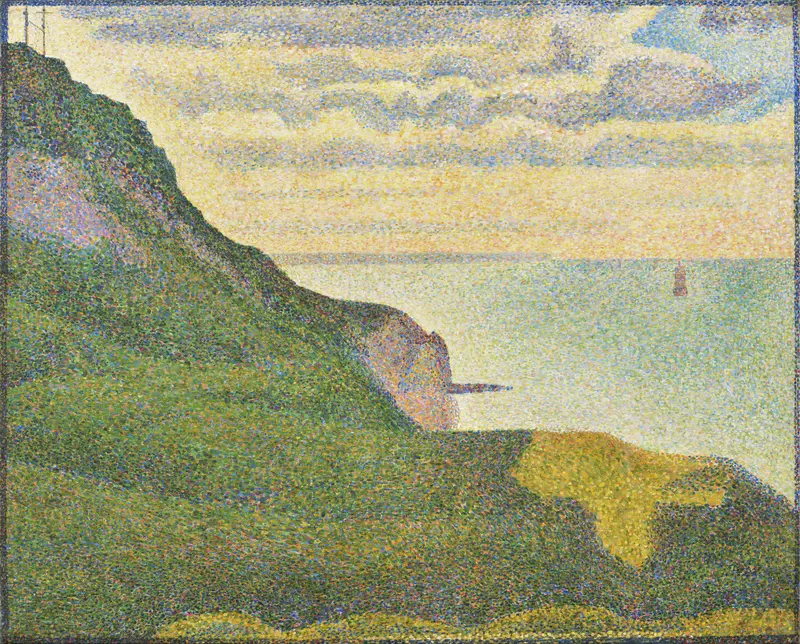
Seascape at Port-en-Bessin,Normandy
Georges Seurat
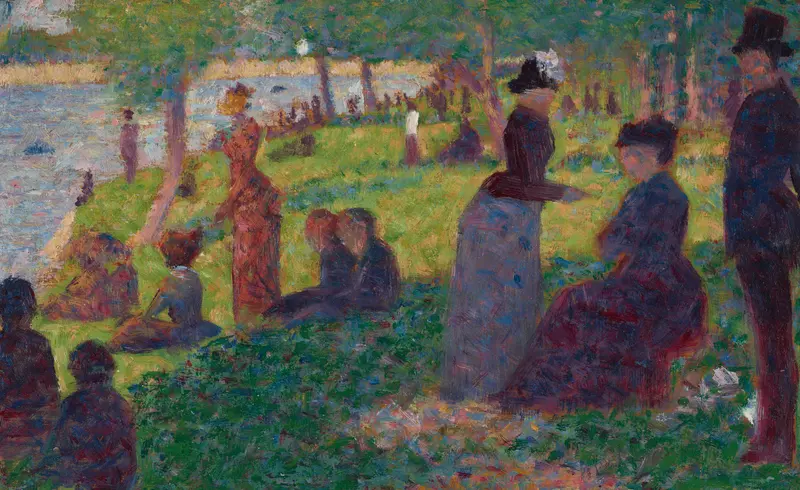
Oil Sketch for "A Sunday on La Grande Jatte — 1884"
Georges Seurat
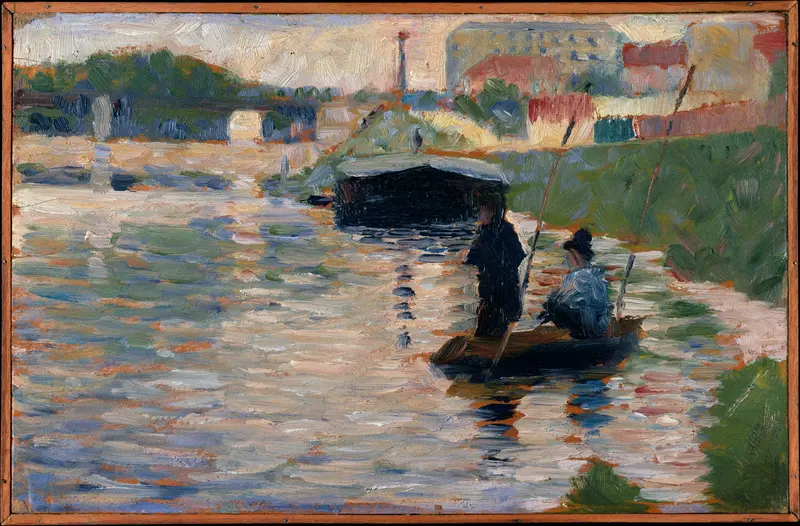
View of the Seine
Georges Seurat
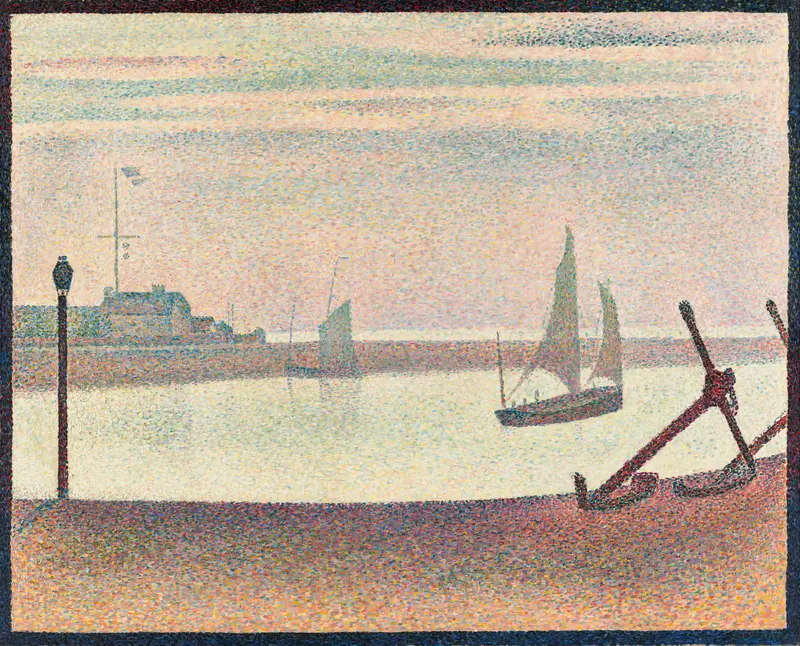
The Channel at Gravelines, Evening
Georges Seurat
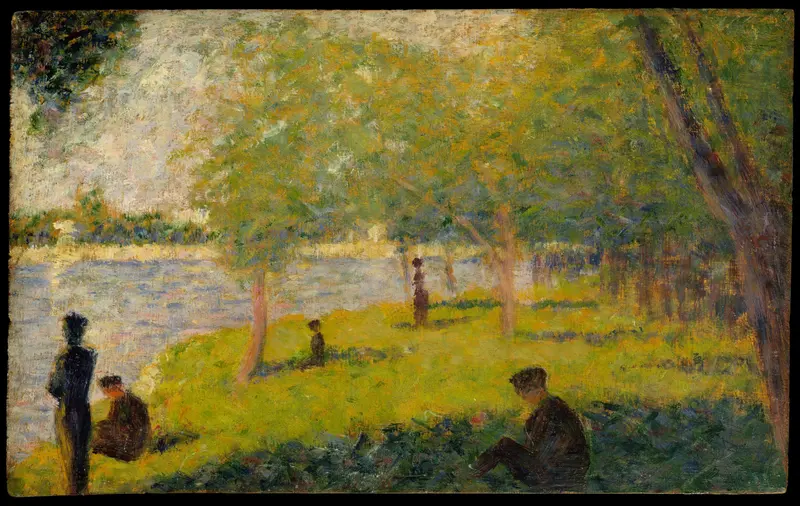
Study for ‘A Sunday on La Grande Jatte’
Georges Seurat
Study for A Sunday on La Grande Jatte
Georges Seurat
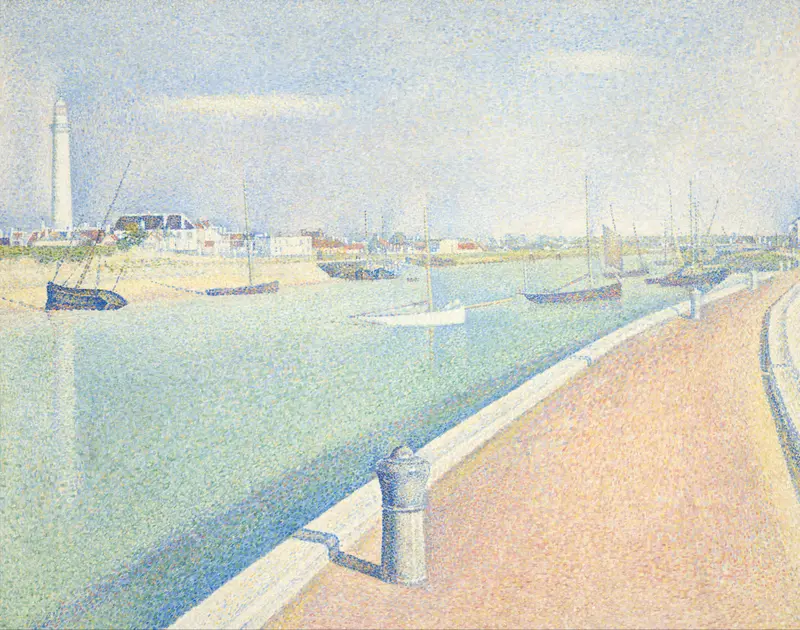
The Channel of Gravelines, Petit Fort Philippe
Georges Seurat





