
La Licorne — History & Facts
In La Licorne, Gustave Moreau presents a striking image of a unicorn set against a lush, dreamlike landscape. The colors are rich and vibrant, with deep greens and soft pastels creating a sense of otherworldliness. The unicorn, depicted with intricate detail, stands majestically, embodying purity and grace.
Surrounding it are fantastical flora, enhancing the mythical atmosphere of the scene. The painting is executed in oil on canvas, showcasing Moreau's skillful brushwork and attention to detail. The composition is balanced, with the unicorn positioned centrally, drawing the viewer's eye. The use of color is particularly notable, as Moreau employs a palette that evokes a sense of fantasy and enchantment.
The dimensions of the artwork are approximately 100 x 120 cm, making it a significant piece in size. La Licorne was created during the late 19th century, a period when Symbolism was gaining prominence in the art world. Gustave Moreau was known for his fascination with mythology and the esoteric, often incorporating these themes into his works. This painting reflects his interest in the unicorn as a symbol of purity and the unattainable.
An interesting fact is that Moreau's works often inspired later artists, including the Surrealists, who admired his dreamlike imagery.
More Artworks by Gustave Moreau
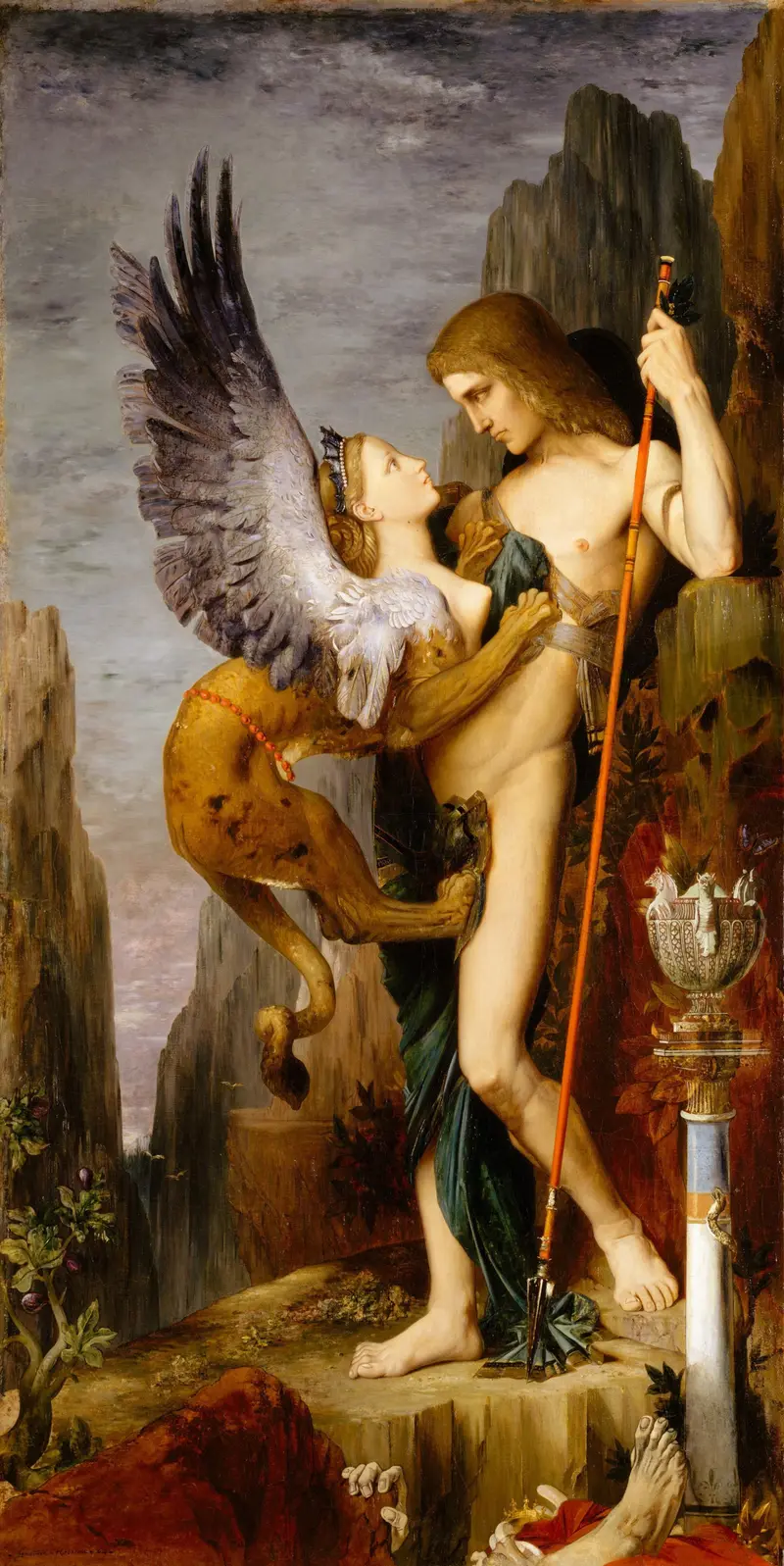
Oedipus and the Sphinx
Gustave Moreau
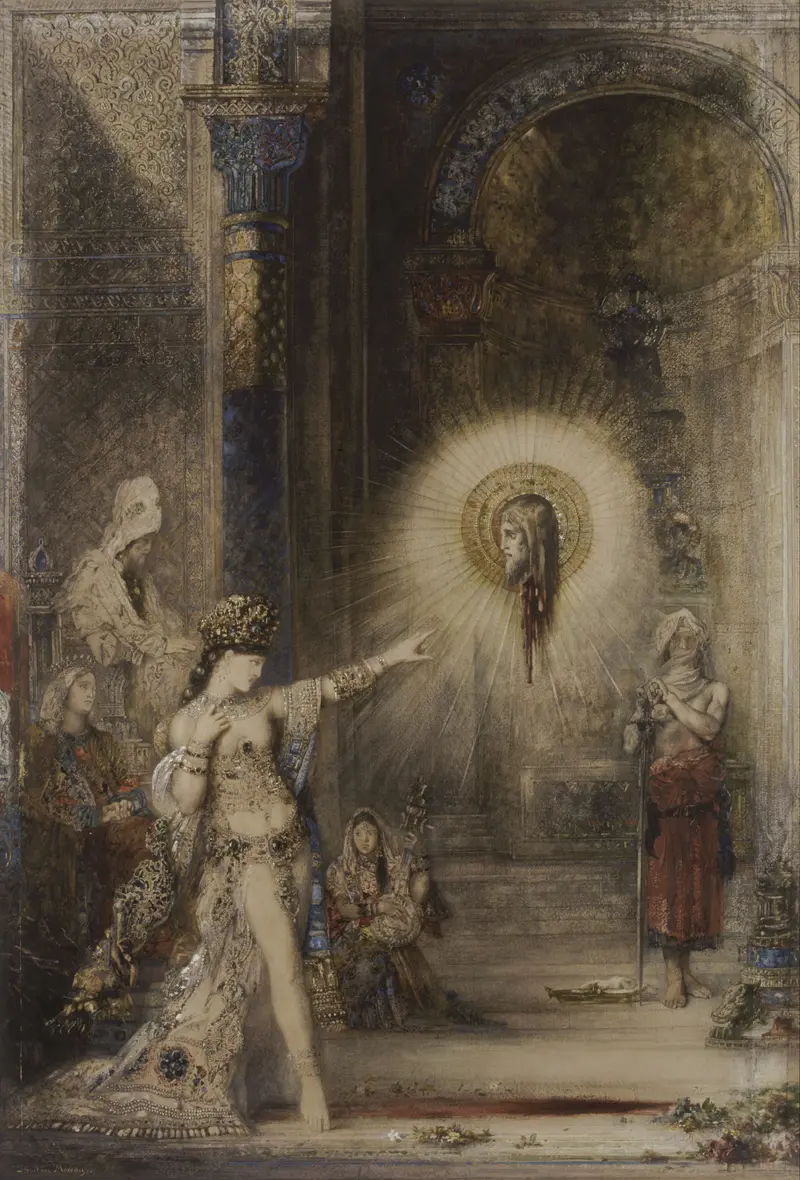
The Apparition
Gustave Moreau

The Apparition
Gustave Moreau
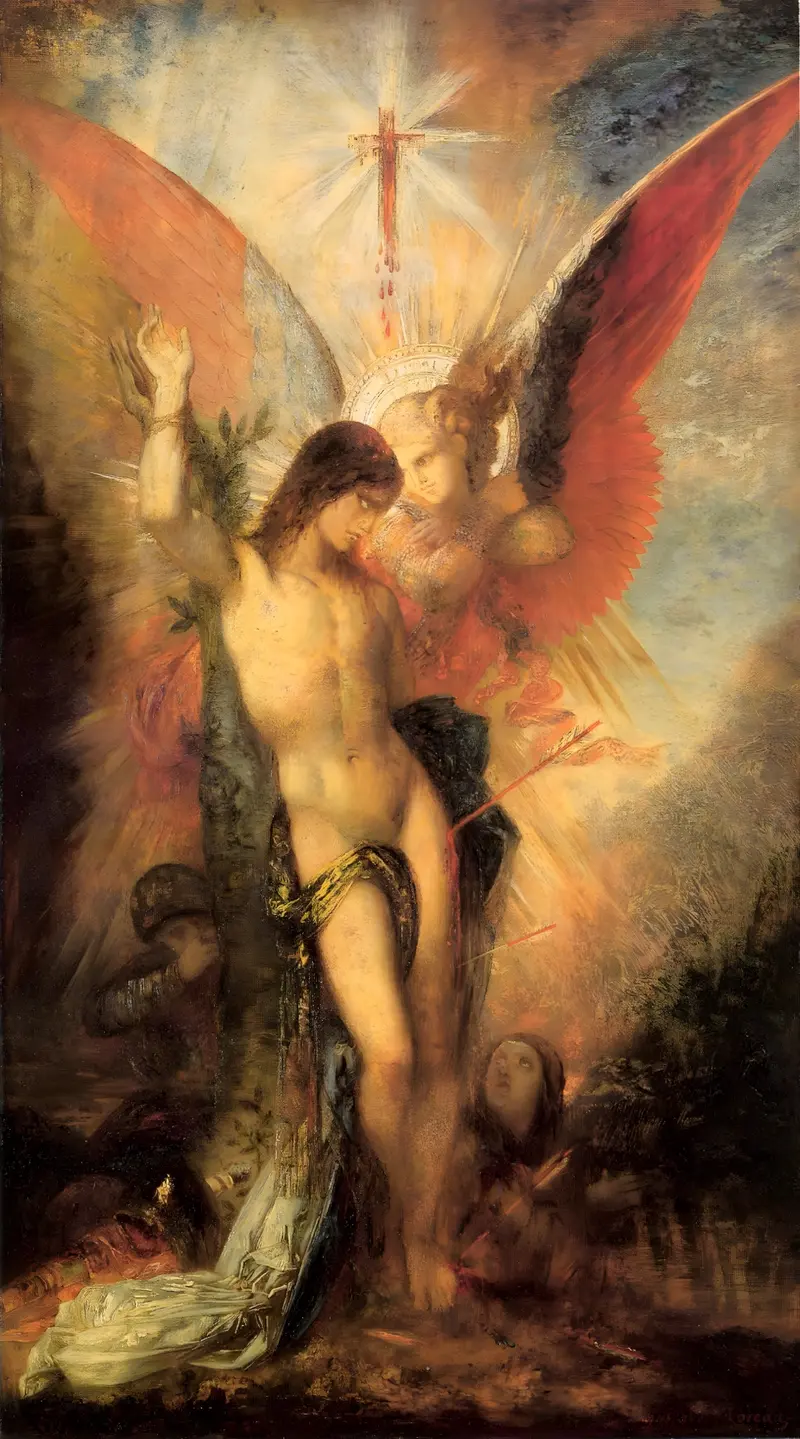
Saint Sebastian and the Angel
Gustave Moreau
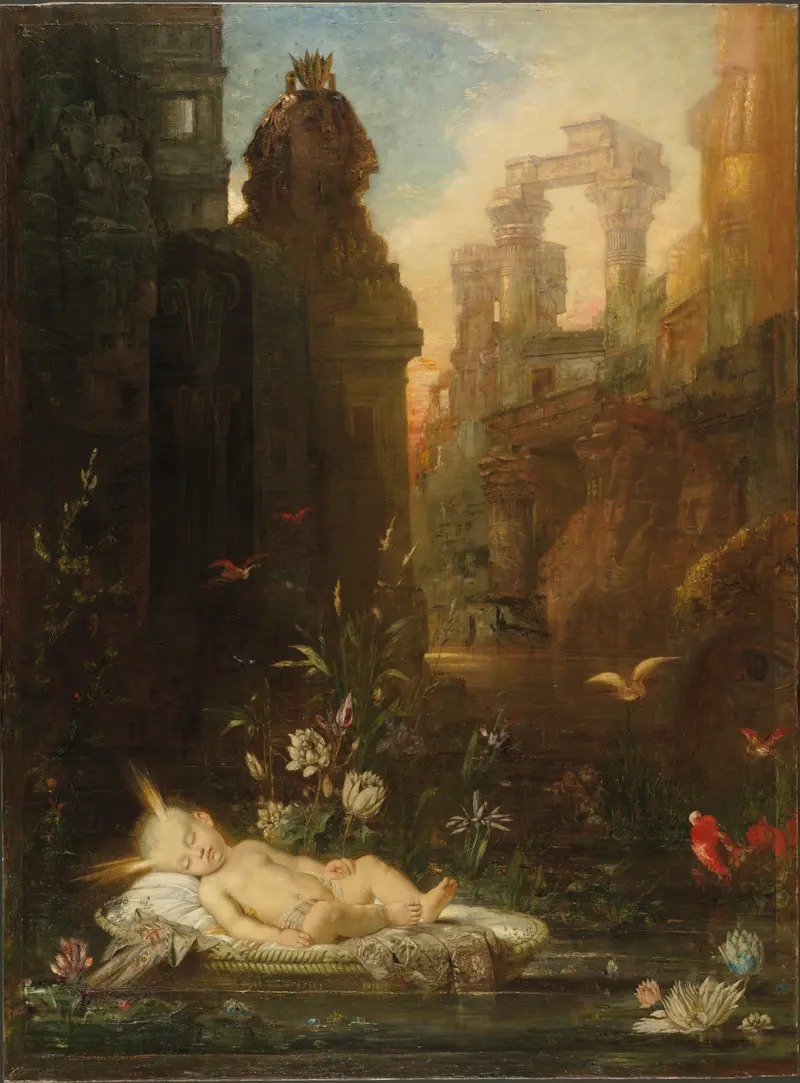
The Infant Moses
Gustave Moreau
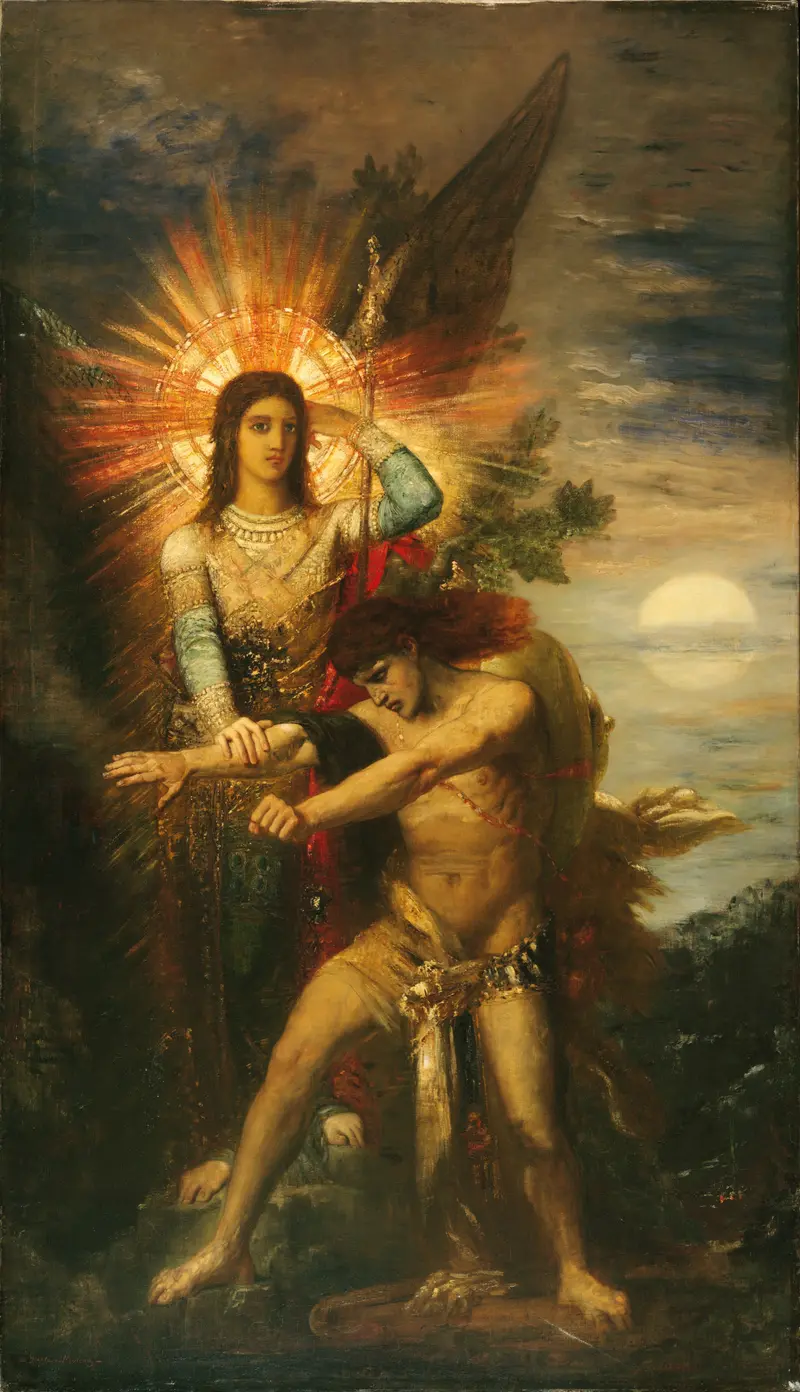
Jacob and the Angel
Gustave Moreau
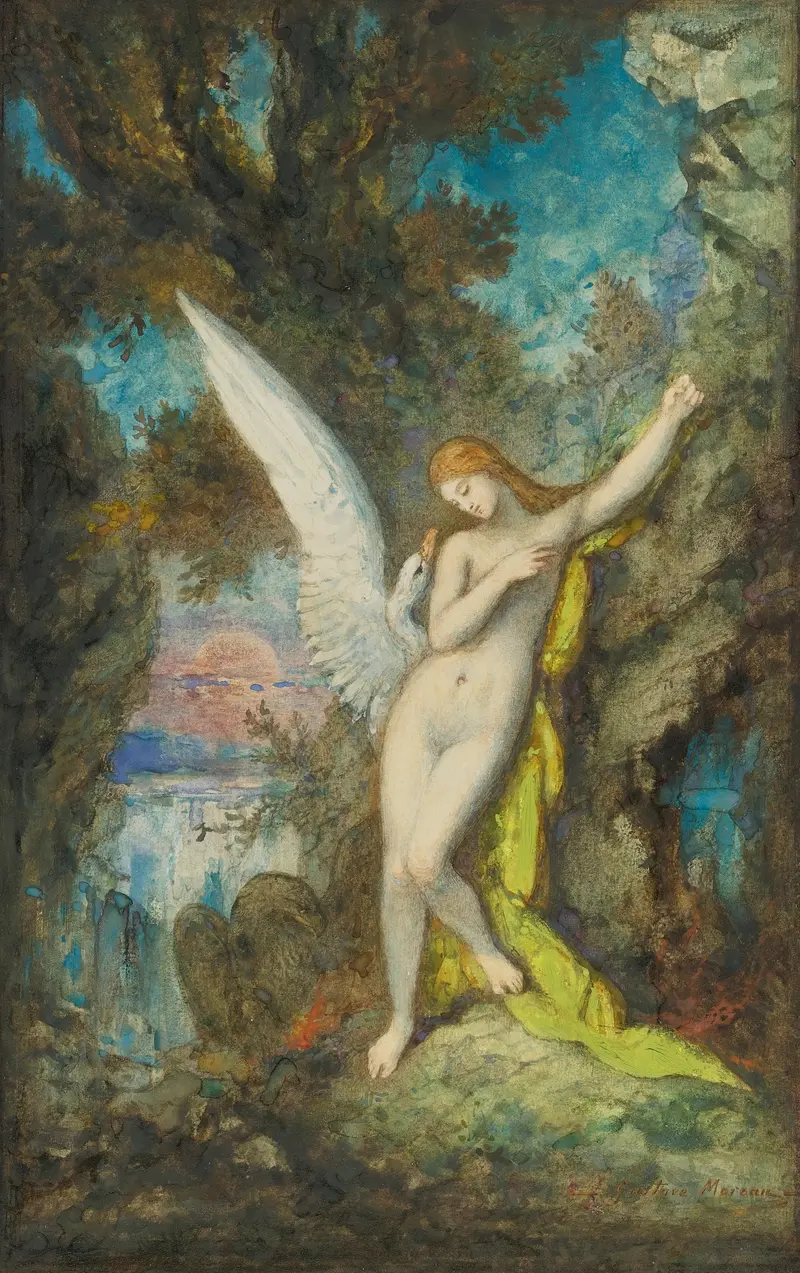
Leda Et Le Cygne
Gustave Moreau
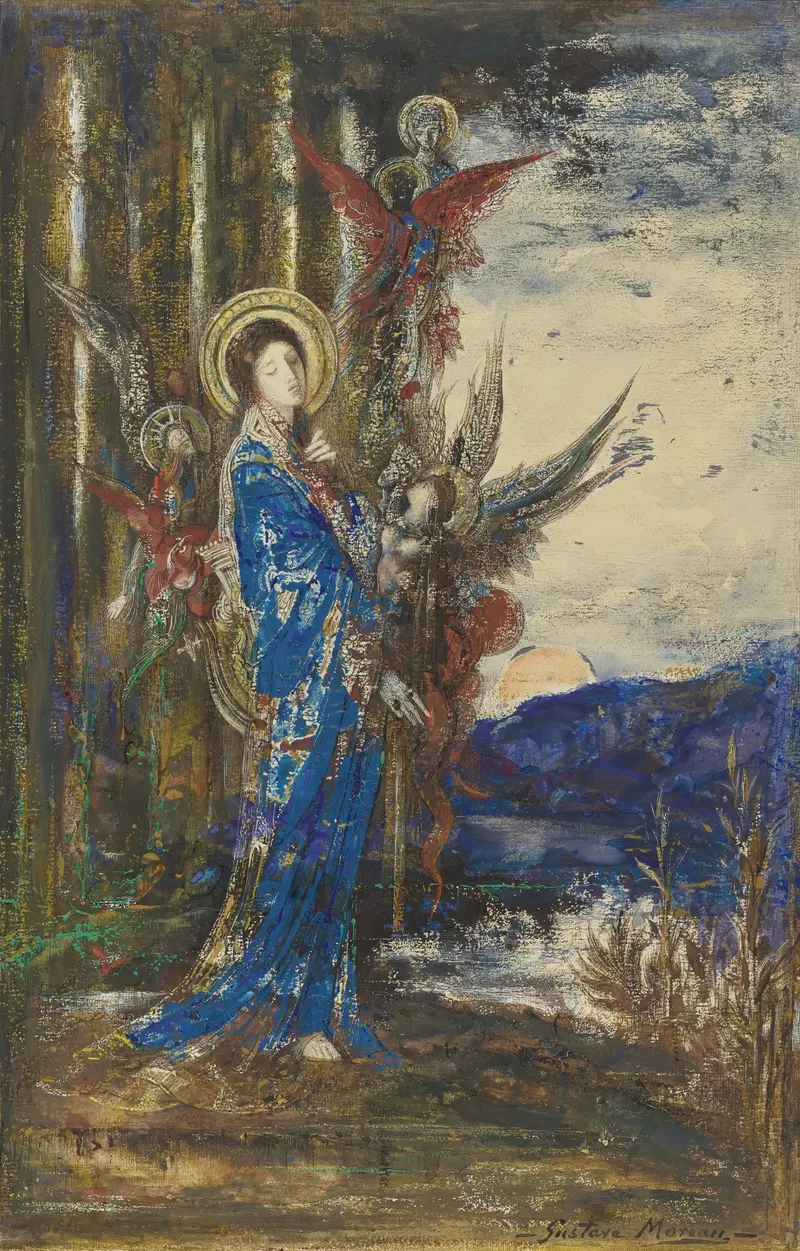
Les Épreuves
Gustave Moreau
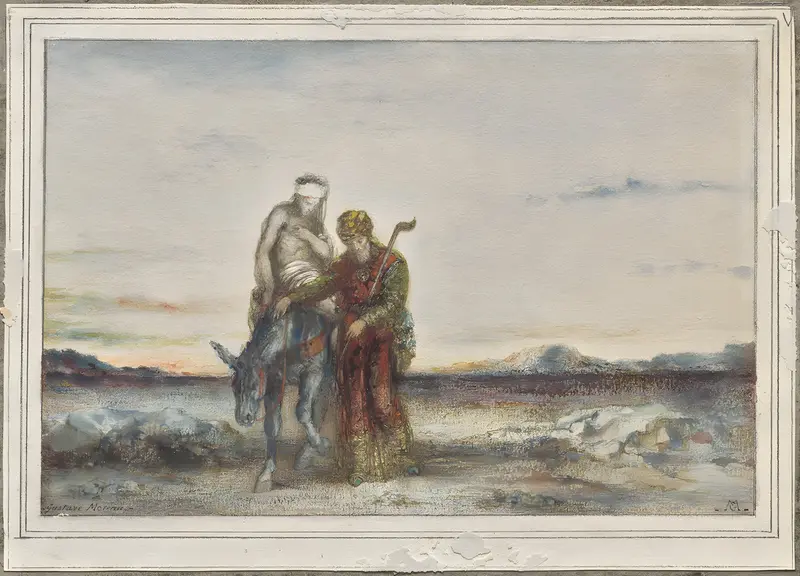
The Good Samaritan
Gustave Moreau
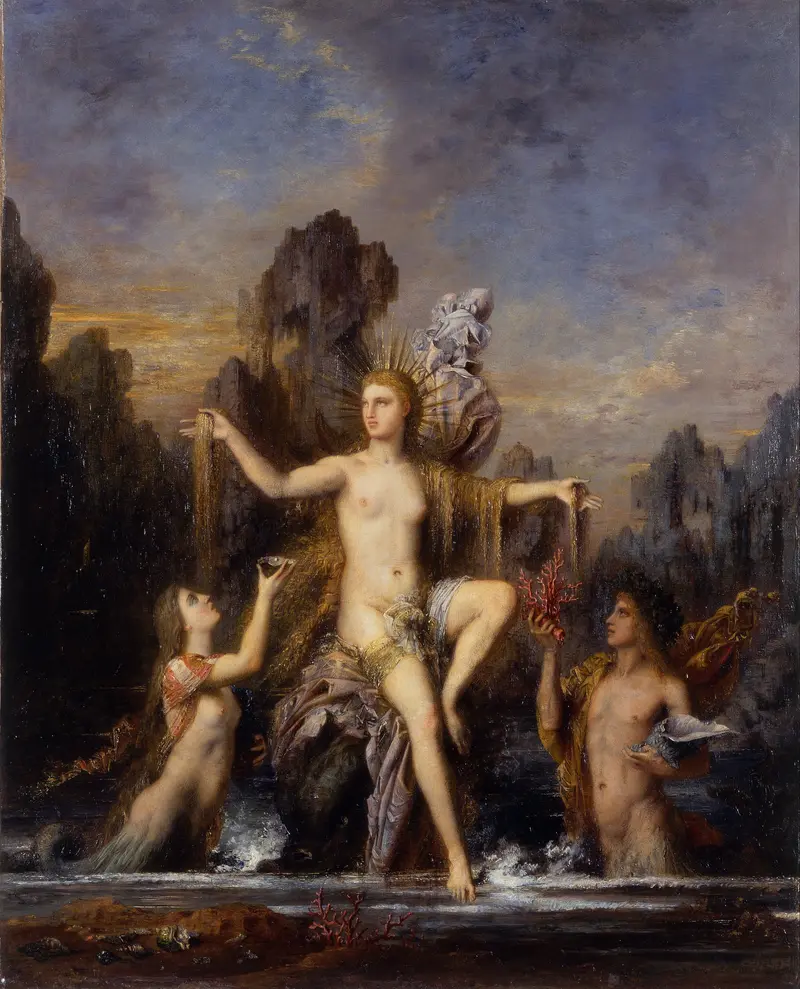
Venus Rising From The Sea
Gustave Moreau





