
La masure — History & Facts
When did color learn to lie? In La masure, the hues whisper of truth and illusion, beckoning us to explore the frailty of existence and the weight of destiny. Focus on the luminous yellow that bathes the humble farmhouse, stretching across the canvas like a soft blanket of sunlight. Notice how the brushstrokes blend and swirl, creating a sense of movement that breathes life into this rustic scene. Pissarro’s palette, rich in earth tones and natural light, draws the eye to this modest structure, inviting contemplation of the simpler life depicted while hinting at the complexity beneath. Yet, hidden within the serene landscape lies a juxtaposition of permanence and transience.
The sturdy walls of the masure stand against the shifting sky, embodying stability in a world that is ever-changing. This tension mirrors the artist's own life, as he navigated the trials of his art and the evolution of Impressionism — a movement that challenged preconceived notions of beauty and reality. Each stroke carries the weight of inevitability, suggesting that even the quietest moments may harbor profound stories. During this period, Pissarro was actively engaged in the Impressionist movement, having settled in Éragny in the 1880s.
His focus on rural life reflected both a personal return to his roots and a broader societal longing for simpler times amidst the rapid urbanization of France. The work resonates with the hope and struggle of the era, capturing the essence of a painter who sought to immortalize fleeting moments in a rapidly changing world.
More Artworks by Camille Pissarro
Browse all →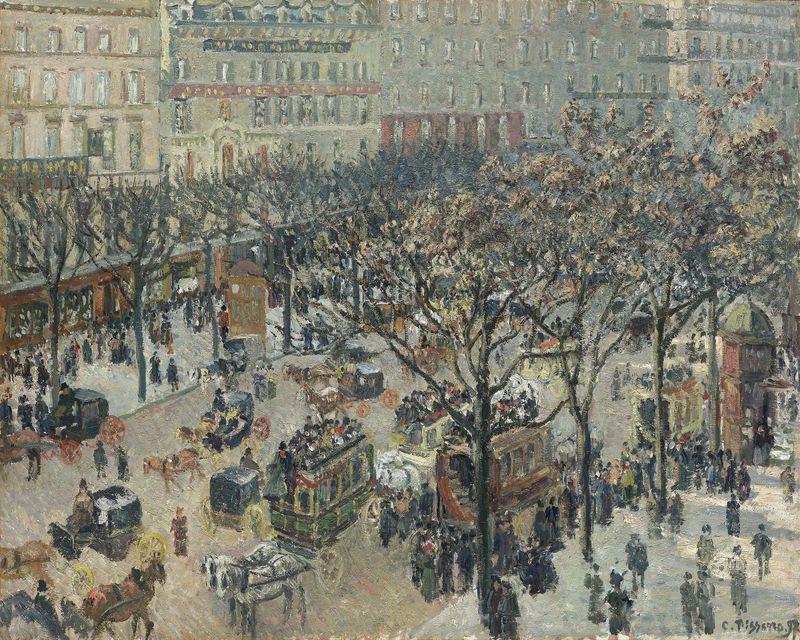
Boulevard des Italiens,Morning_Sunlight
Camille Pissarro
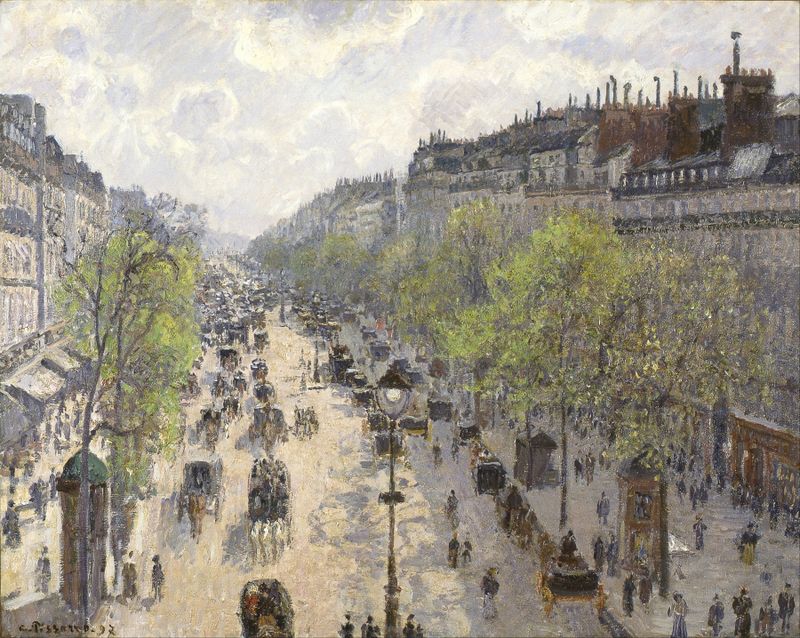
Boulevard Montmartre, Spring
Camille Pissarro
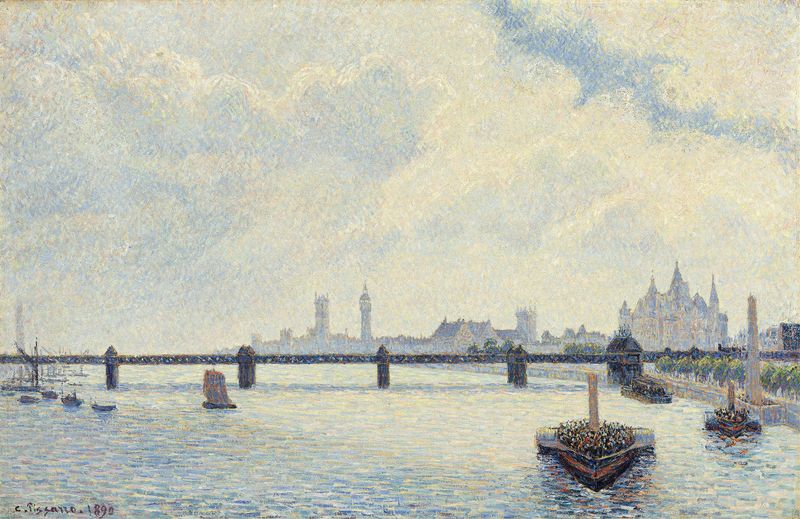
Charing Cross Bridge,London
Camille Pissarro
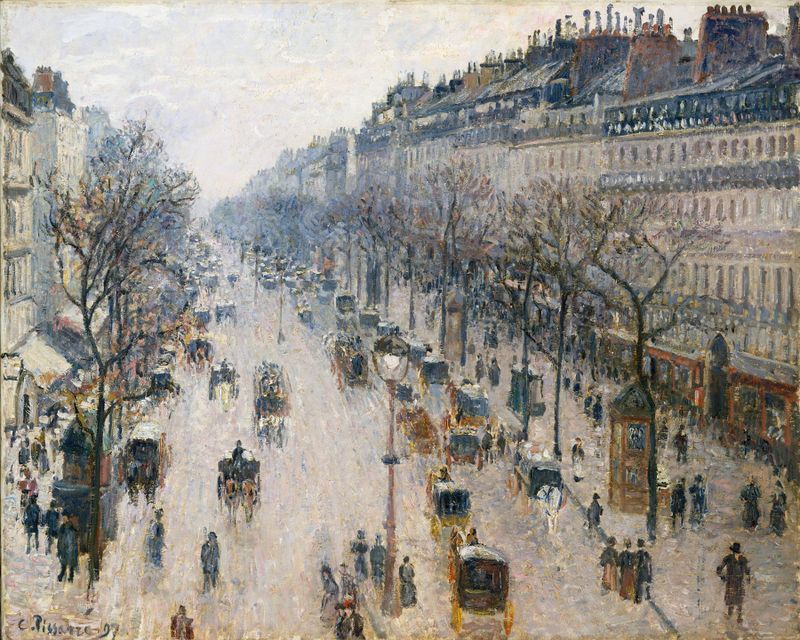
The Boulevard Montmartre on a Winter Morning
Camille Pissarro
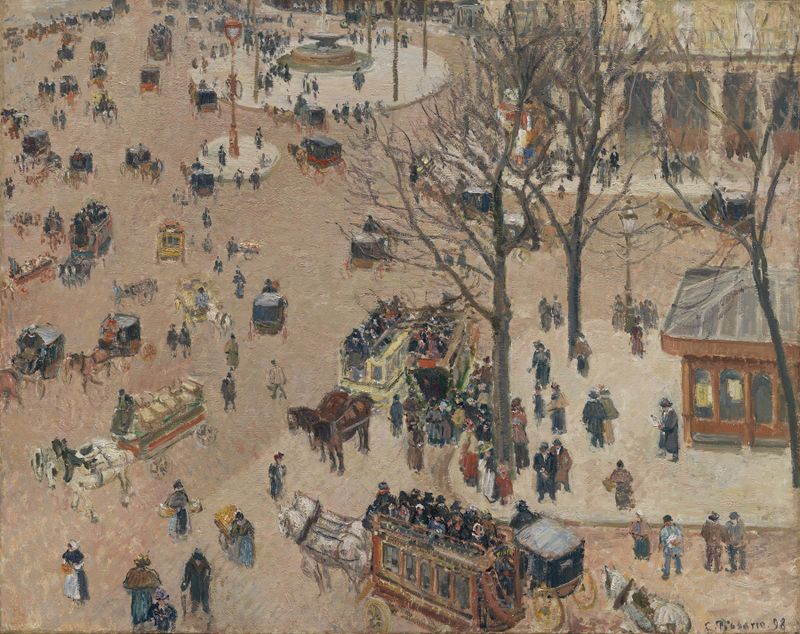
La Place du Théâtre Français
Camille Pissarro

Rue Saint-Lazare, Paris
Camille Pissarro
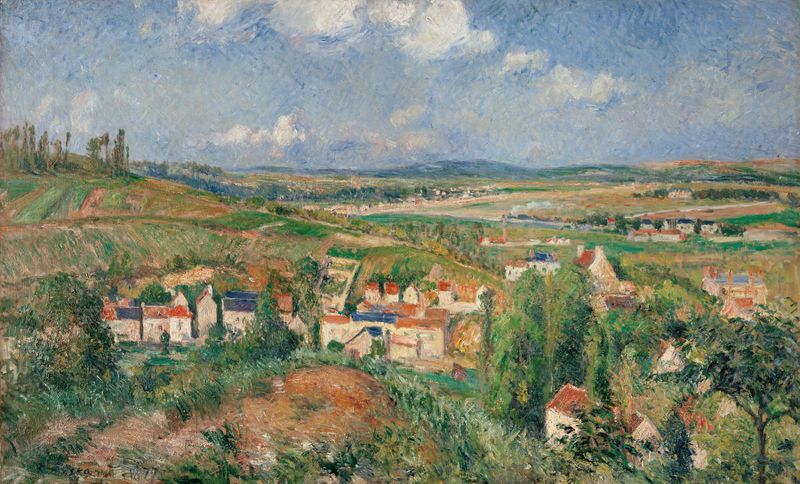
L’hermitage En Été, Pontoise
Camille Pissarro

Place du Theatre Francais,Fog Effect
Camille Pissarro
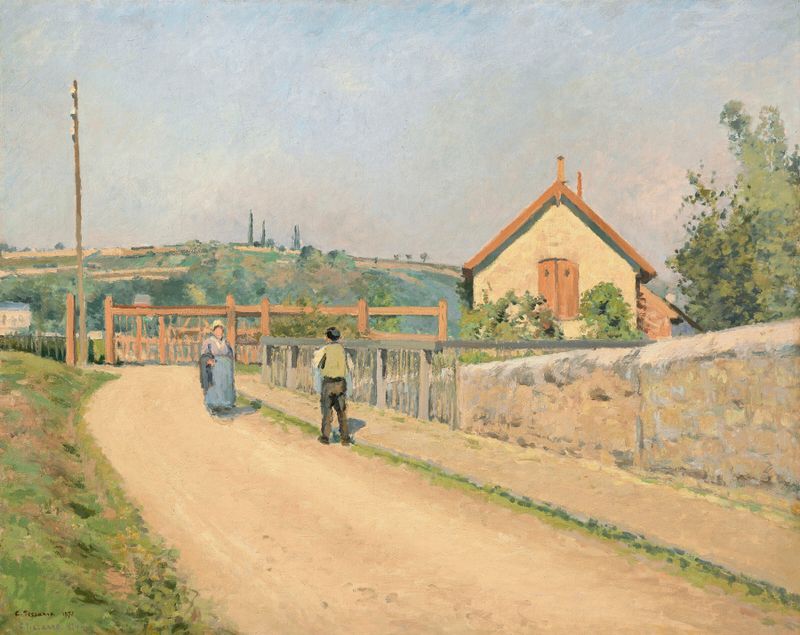
La barrière du chemin de fer, aux Pâtis près Pontoise
Camille Pissarro
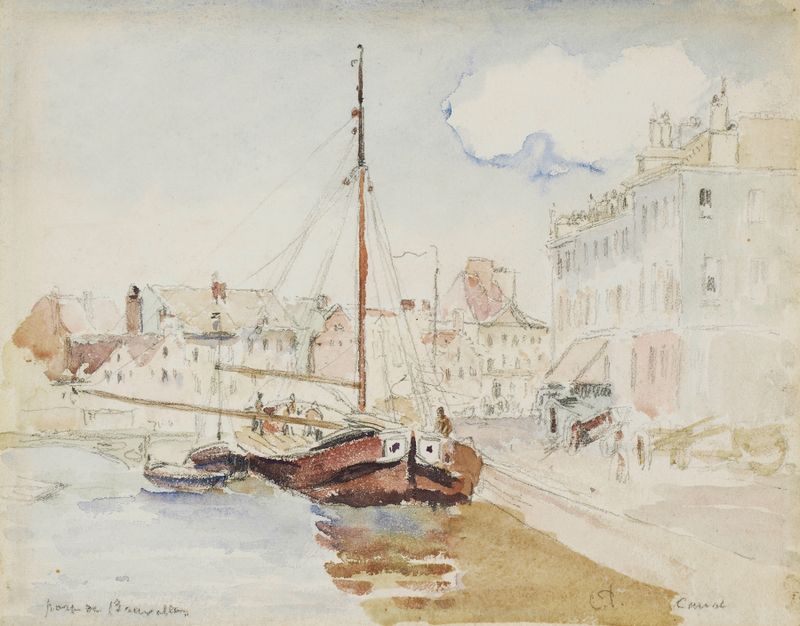
Port de Bruxelles
Camille Pissarro





