
La mort de Sapho — History & Facts
In La mort de Sapho, Gustave Moreau presents a dramatic scene filled with rich colors and intricate details. The painting features Sappho, the ancient Greek poetess, in a moment of despair, surrounded by a tumultuous sea. The deep blues and greens of the water contrast with the warm tones of her skin and the flowing fabric of her dress.
The overall atmosphere conveys a sense of tragedy and emotional intensity. This artwork is characterized by Moreau's signature style, which blends realism with symbolic elements. The use of oil on canvas allows for vibrant colors and detailed textures, enhancing the emotional weight of the scene. The figures are rendered with a sense of movement, particularly Sappho, whose pose suggests both vulnerability and strength.
The composition draws the viewer's eye toward the central figure, emphasizing her plight. Gustave Moreau was a prominent figure in the Symbolist movement, known for his dreamlike and often mythological themes. La mort de Sapho reflects his fascination with the tragic aspects of love and art. Interestingly, this painting was inspired by the story of Sappho, who is said to have thrown herself into the sea out of despair.
Moreau's work captures this moment, blending beauty with sorrow.
More Artworks by Gustave Moreau
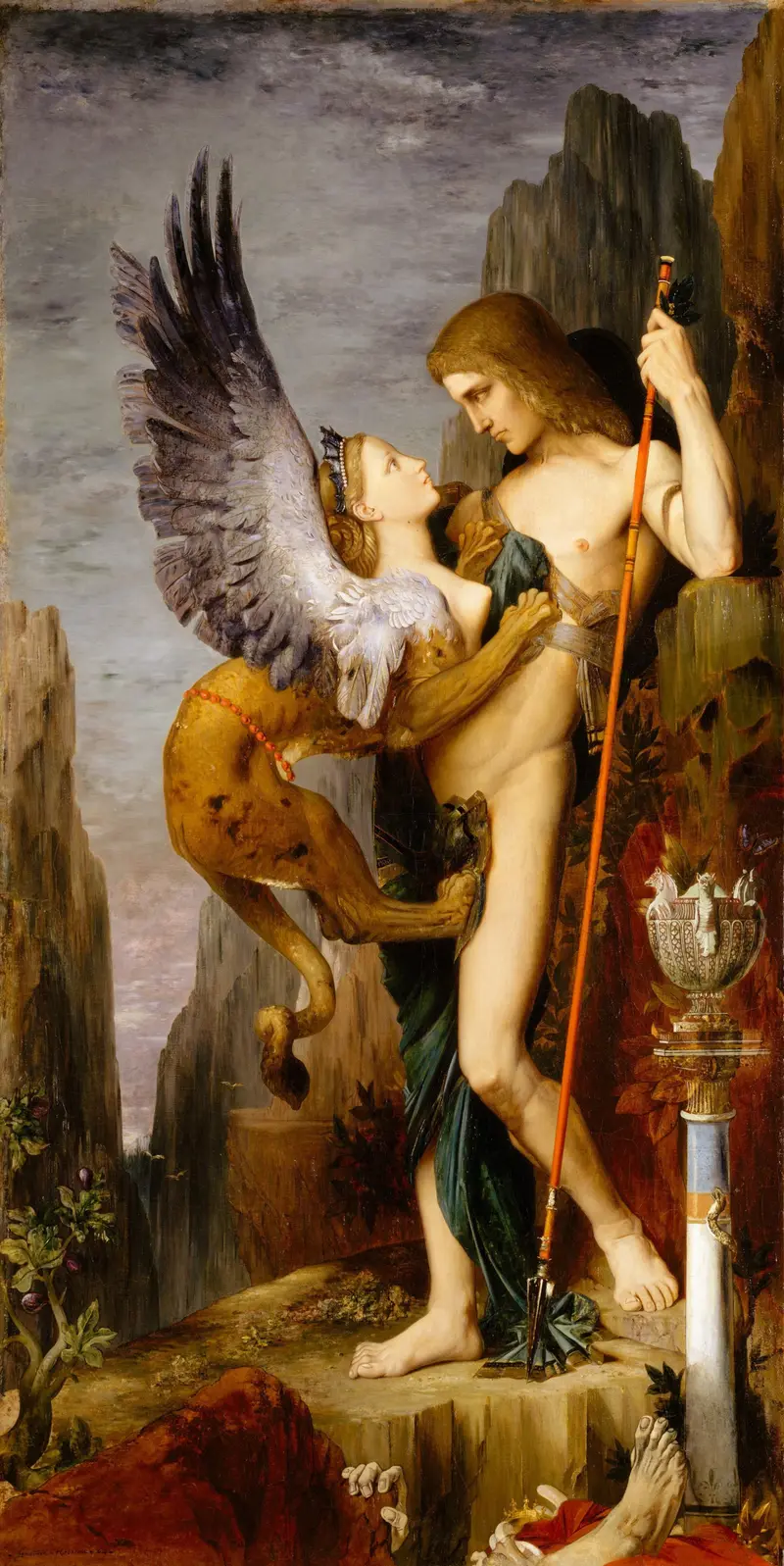
Oedipus and the Sphinx
Gustave Moreau
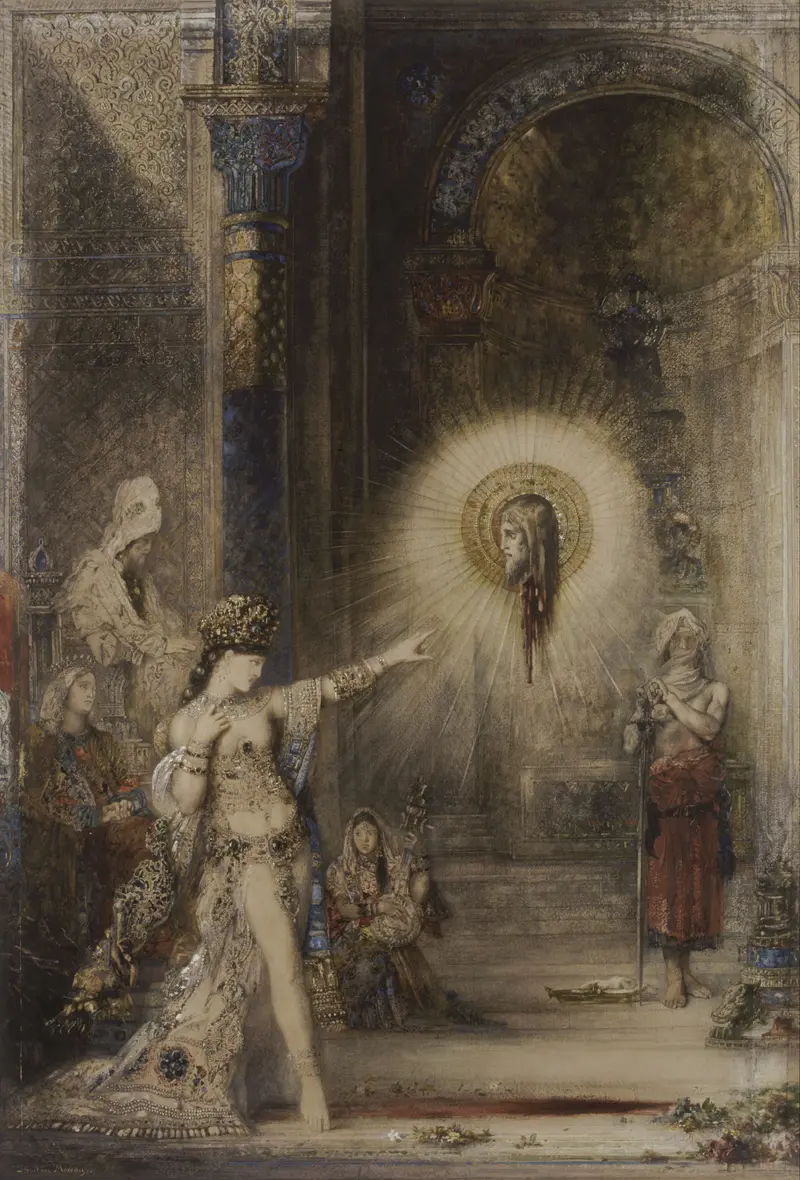
The Apparition
Gustave Moreau

The Apparition
Gustave Moreau
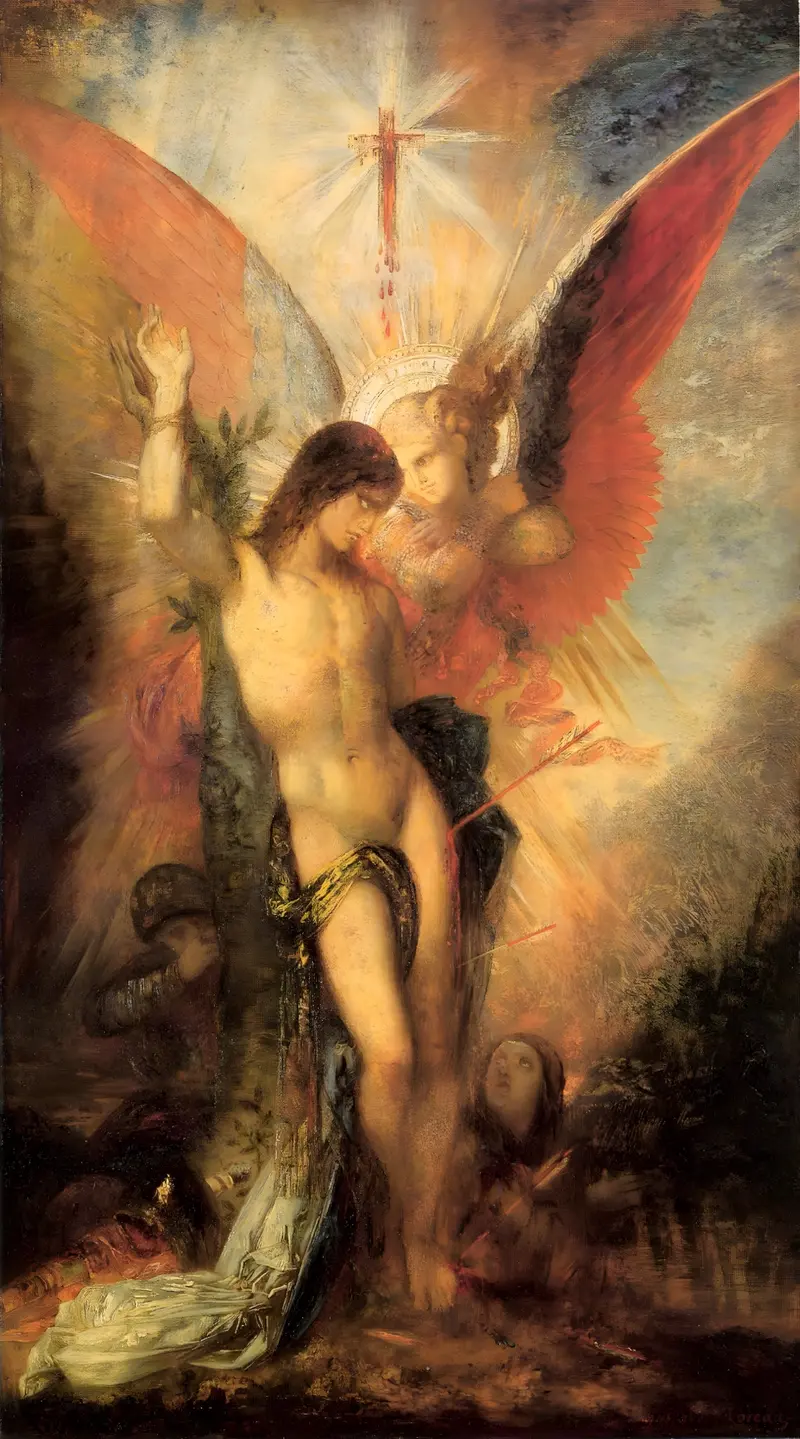
Saint Sebastian and the Angel
Gustave Moreau
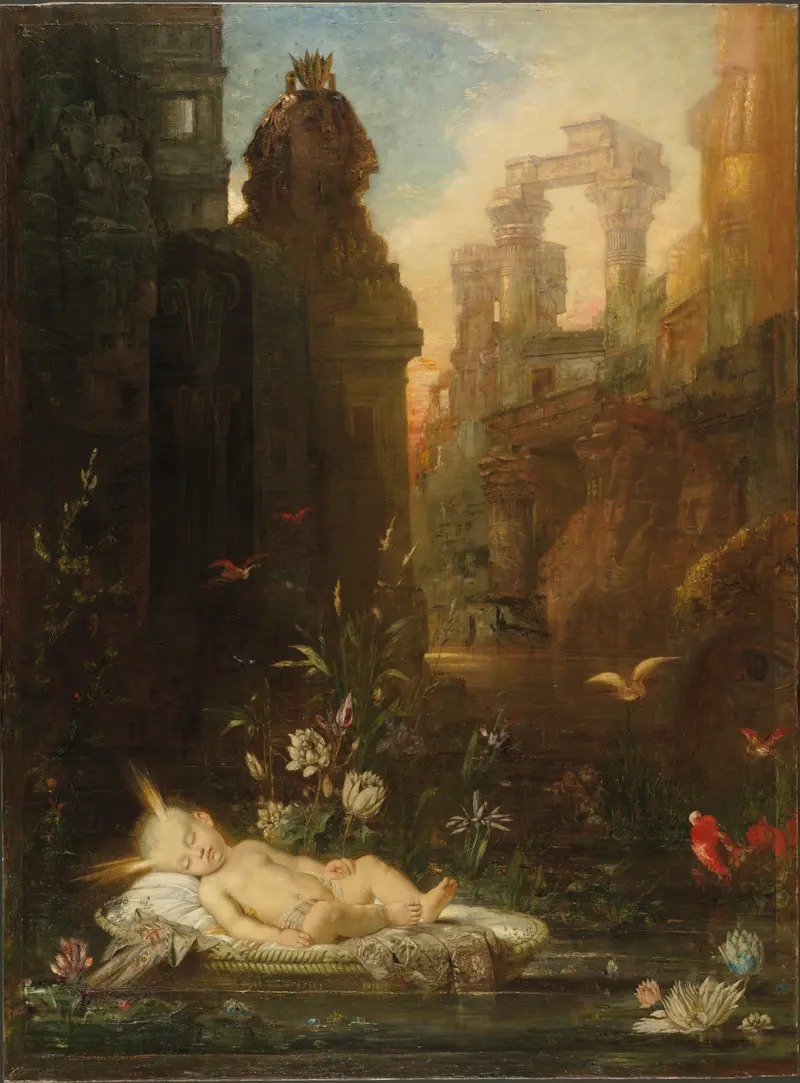
The Infant Moses
Gustave Moreau
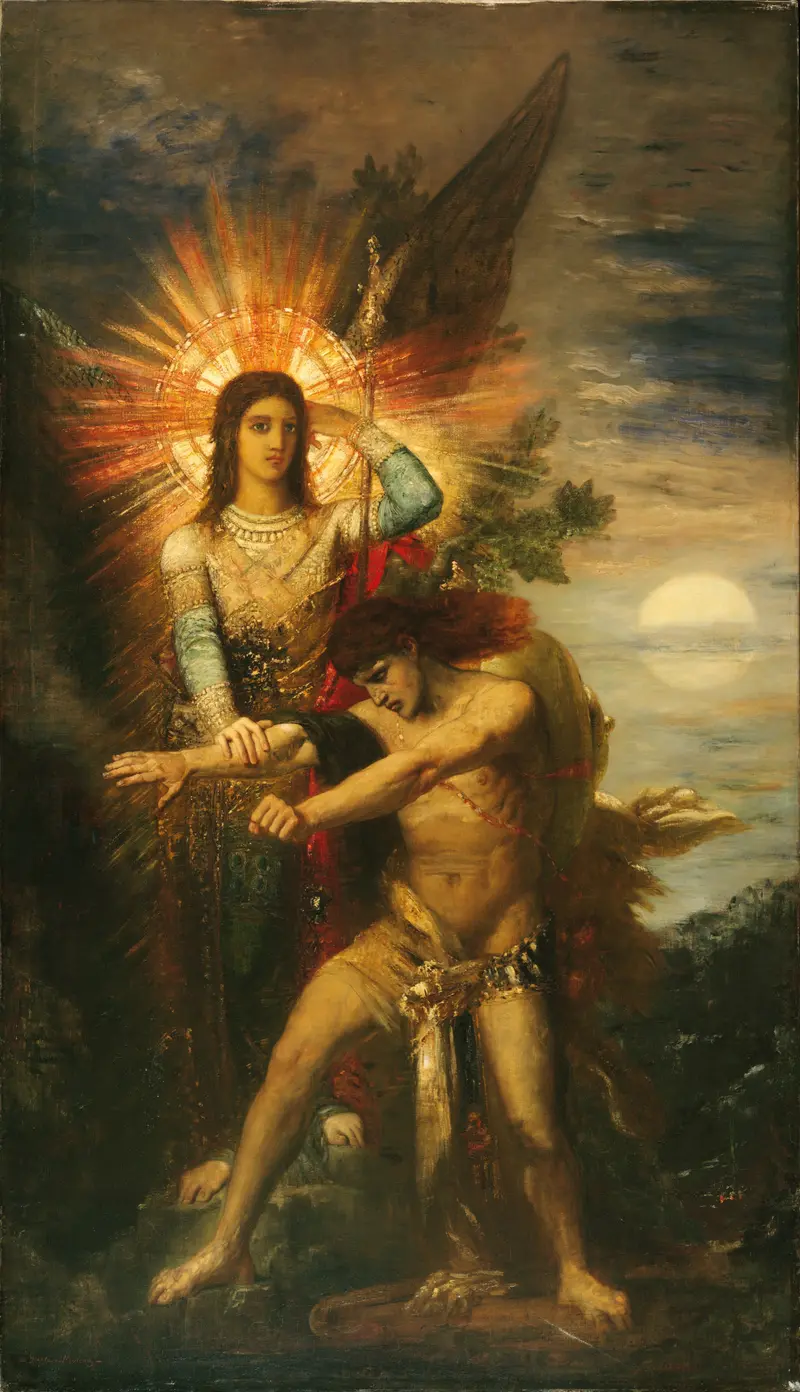
Jacob and the Angel
Gustave Moreau
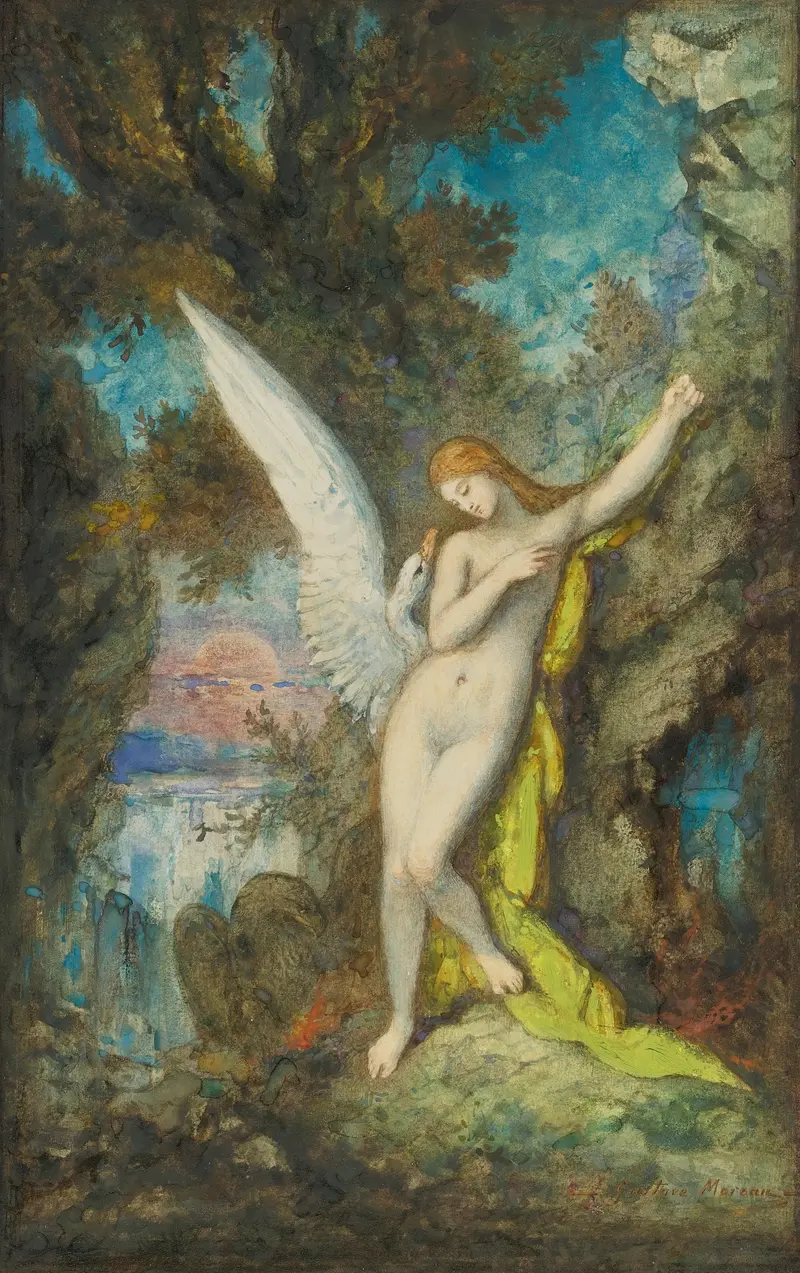
Leda Et Le Cygne
Gustave Moreau
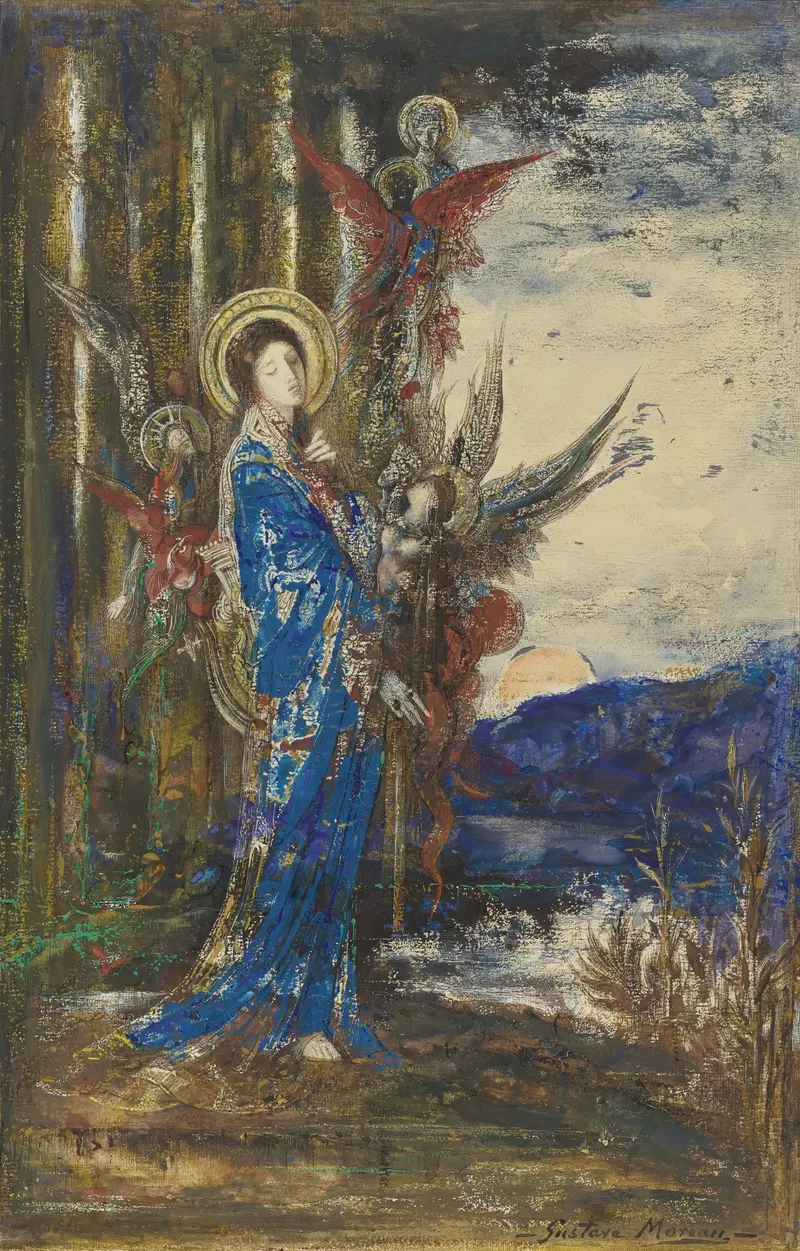
Les Épreuves
Gustave Moreau
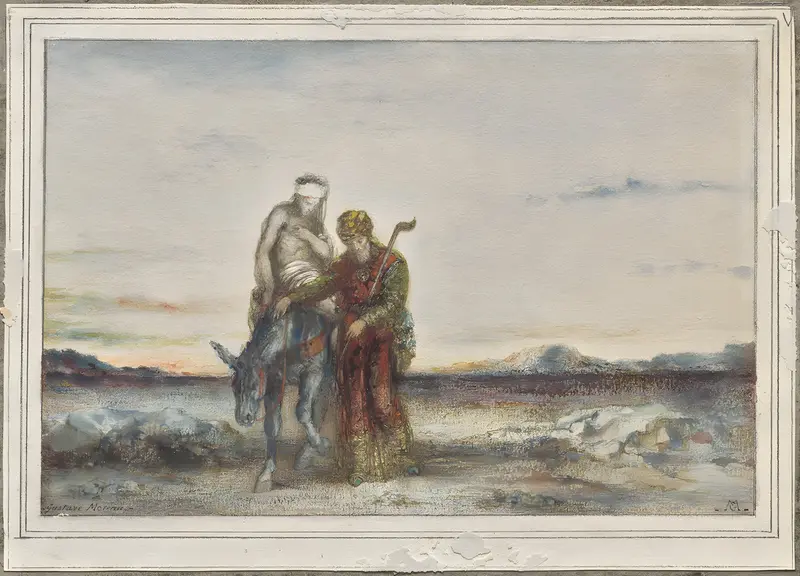
The Good Samaritan
Gustave Moreau
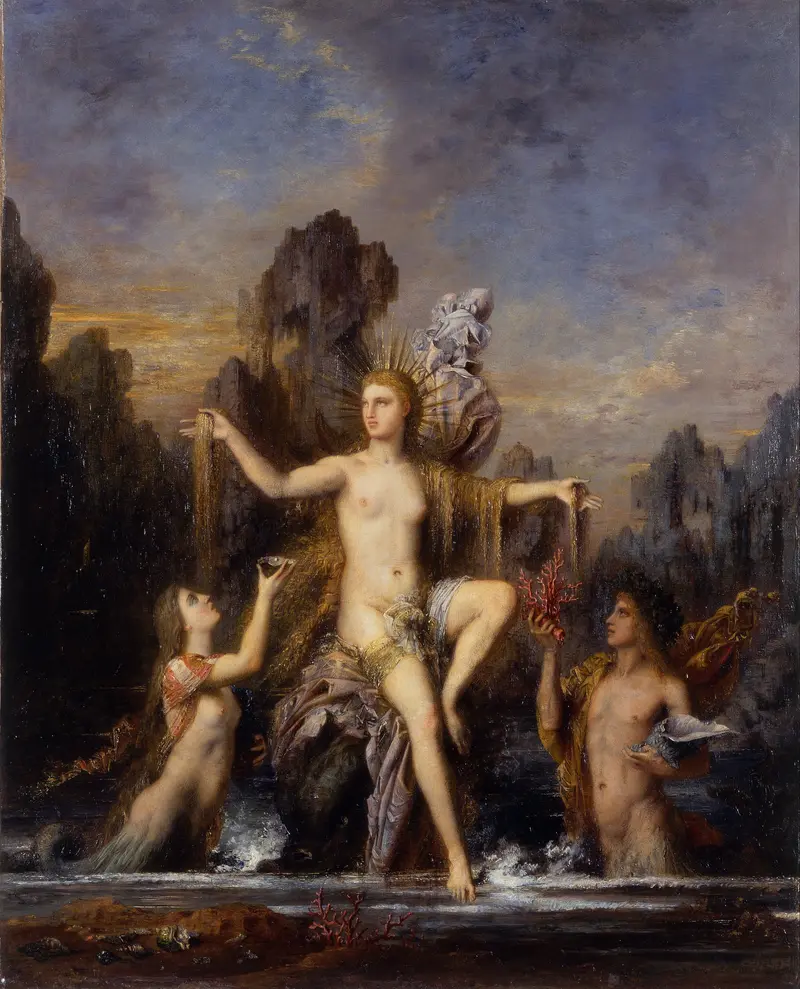
Venus Rising From The Sea
Gustave Moreau





