
La Rivière — History & Facts
In La Rivière, the shimmering surface of the water conceals an undercurrent of longing, inviting us to contemplate the depths of what lies beneath. Look to the foreground, where the vibrant blues and greens dance together with strokes of white, capturing the sunlit ripples on the river. The interplay of light across the water’s surface draws your gaze, while the surrounding foliage, rendered with earthy browns and rich greens, frames the scene, creating a contrast between the immediacy of nature and the stillness of the moment. The brushwork is both deliberate and spontaneous, embodying the essence of an impressionist’s eye yet hinting at the deeper layers of emotion hidden within. As you take in the painting, consider the way the water flows seamlessly, a visual metaphor for the passage of time and the yearning for connection.
The figures in the background, though indistinct, evoke a sense of nostalgia, suggesting lost moments and relationships that once thrived by this riverbank. The contrasting textures—the smoothness of the water against the roughness of the land—speak to the duality of human experience: beauty intertwined with sorrow, joy tempered by longing. In 1881, while creating La Rivière, Cézanne was living in Aix-en-Provence, a period marked by his exploration of color and form. This time was crucial as he sought to break from traditional representations of nature, paving the way for modern art.
Amidst a growing interest in Impressionism, he grappled with his evolving style, which would ultimately influence generations of artists to come.
More Artworks by Paul Cezanne
Browse all →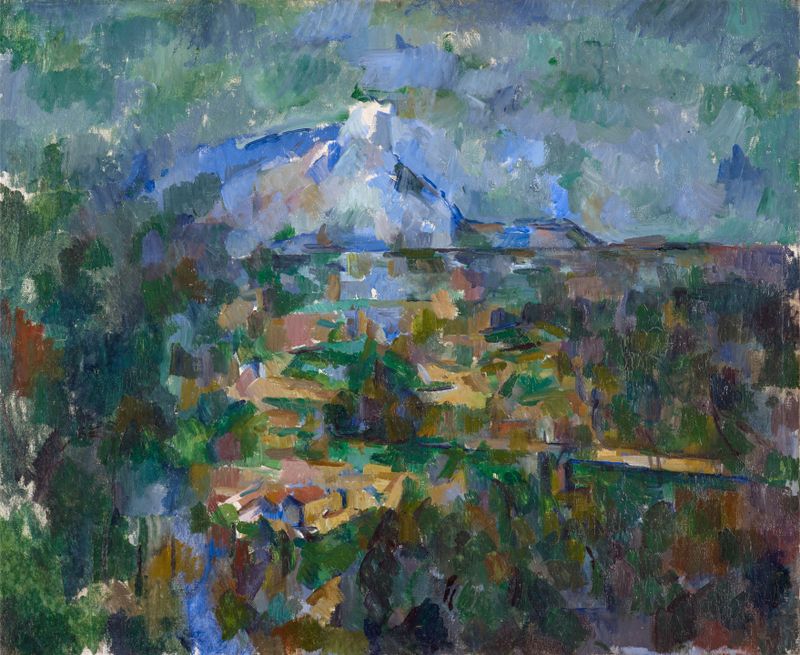
The Mont Sainte-Victoire Seen From Les Lauves
Paul Cezanne
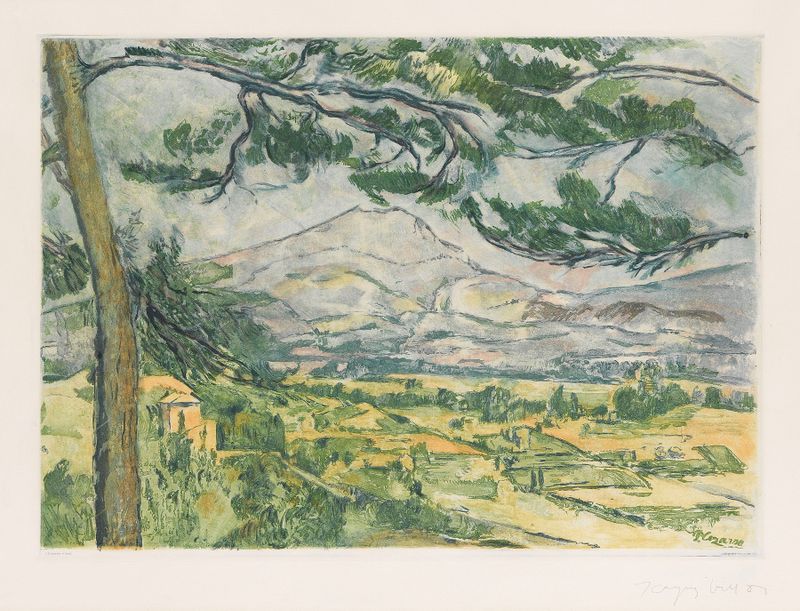
La Montagne Sainte-Victoire
Paul Cezanne
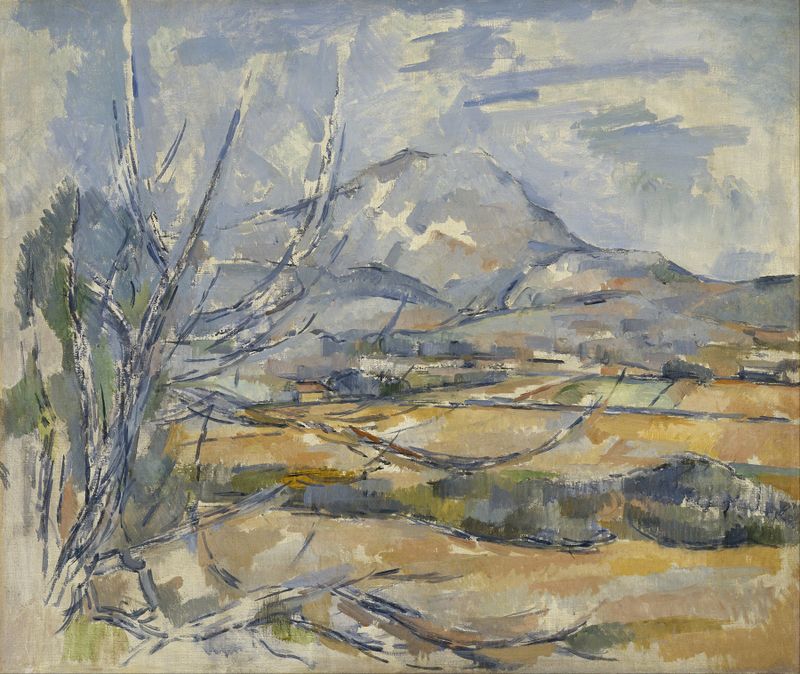
Montagne Sainte-Victoire
Paul Cezanne
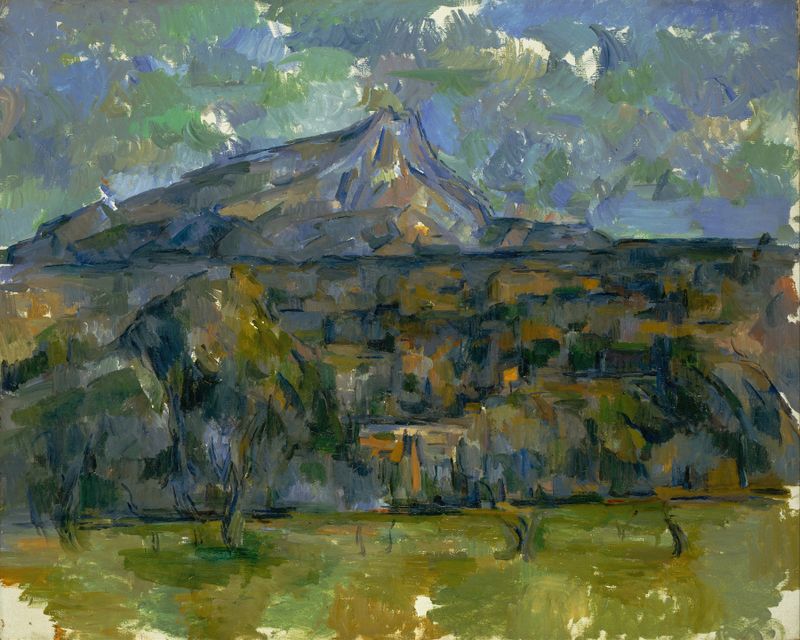
Mont Sainte-Victoire
Paul Cezanne
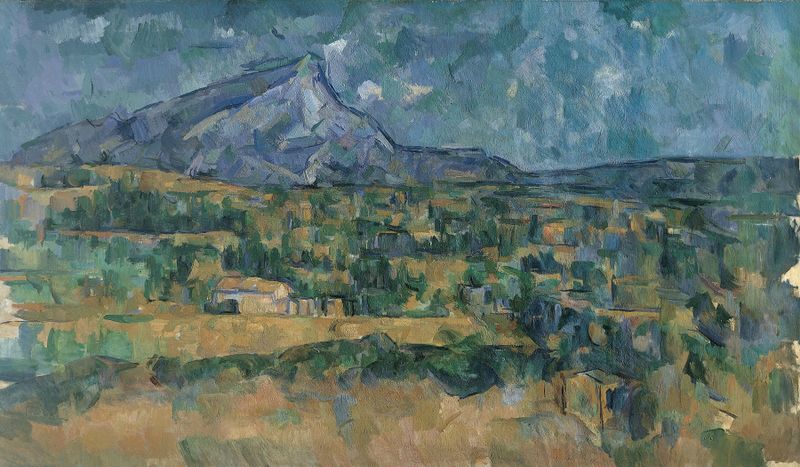
Mont Sainte-Victoire
Paul Cezanne
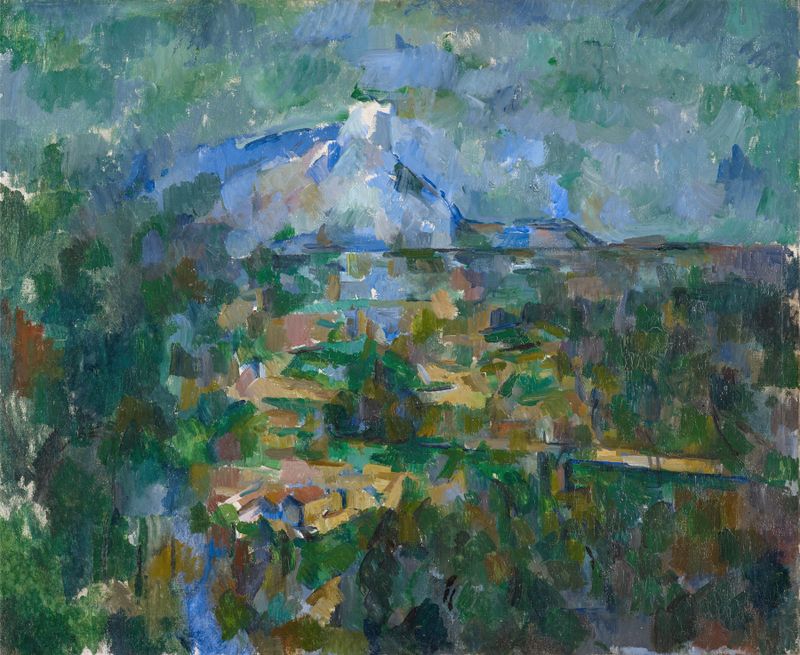
View of Mount Sainte-Victoire from Les Lauves
Paul Cezanne
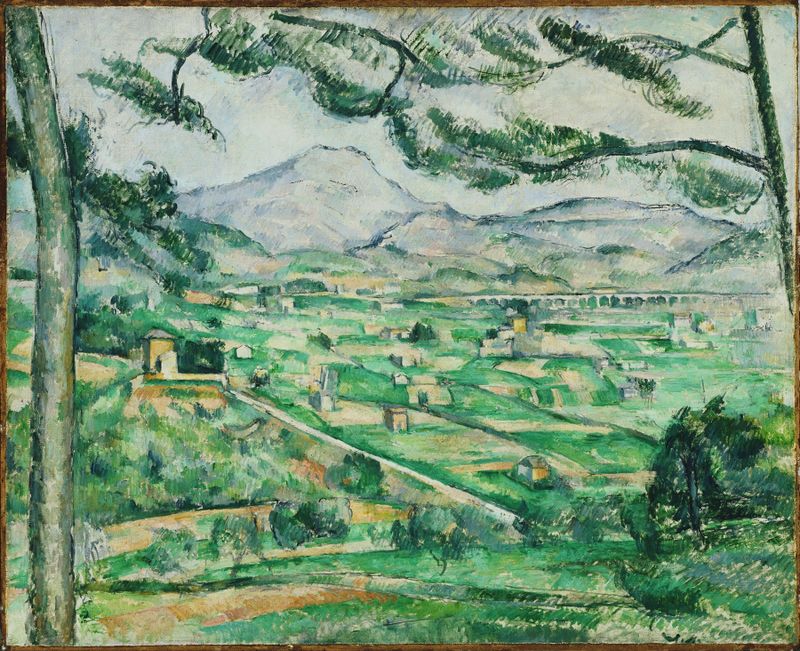
Mont Sainte-Victoire 2
Paul Cezanne

The Basket of Apples
Paul Cezanne

Mount Sainte-Victoire
Paul Cezanne
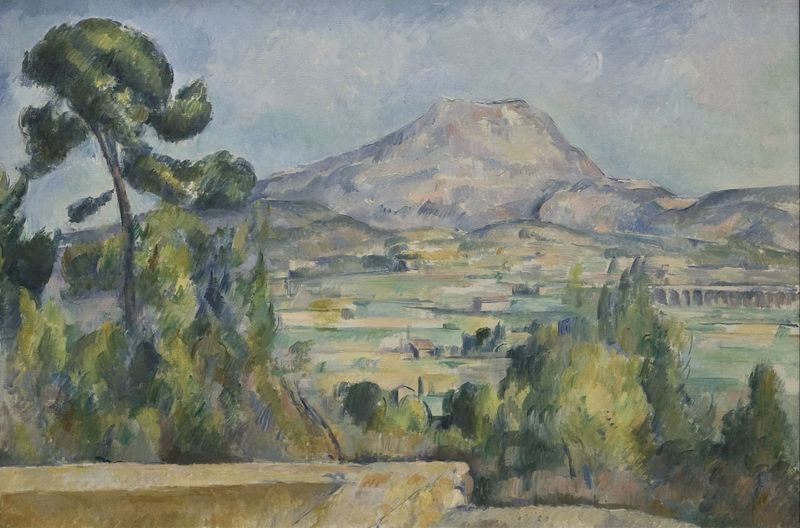
Montagne Saint-Victoire
Paul Cezanne





