
La Sieste au jardin — History & Facts
In La Sieste au jardin, the artist encapsulates the fragile interplay of tranquility and anxiety often found in moments of serene beauty. Within this lush garden scene lies an invitation to confront our deepest fears, masked beneath the bliss of leisure. Look to the foreground where a figure reclines—half-immersed in dappled sunlight, half-shrouded in the deepening shadows of foliage. The vibrant greens of the leaves are punctuated by bright splashes of color from blooming flowers, creating a vivid tapestry that pulls the eye in.
Notice how the light dances across the lush grass, illuminating the subject’s relaxed posture while casting a subtle tension in the surrounding darkened areas. This duality strikes a chord—a moment of rest entangled with the looming passage of time. Bonnard’s brush captures more than mere leisure; it teems with hidden meanings. The contrast between the vibrant garden and the stillness of the figure hints at the conflict between life and mortality.
The exuberance of nature becomes an unsettling reminder of impermanence, evoking an undercurrent of unease. There is an invitation to reflect: is this repose the ultimate luxury or a fleeting distraction from the encroaching shadows of reality? Each brushstroke urges contemplation as the viewer wrestles with the beauty of the moment and the inevitable passage of time. In 1900, Pierre Bonnard was becoming an influential figure within the Nabis group, a movement that sought to blend color and form into an expressive vocabulary. Working in Paris, he was deeply inspired by the intimacy of everyday life and the allure of personal memory.
The world of art was shifting, as the Impressionist ideals were giving way to a more personal, subjective approach. This painting embodies his exploration of emotional depth and psychological complexity, a precursor to the bold experiments that would follow in his oeuvre.
More Artworks by Pierre Bonnard
Browse all →
Les deux fiacres (Boulevard des Batignolles)
Pierre Bonnard

Le Balcon Et L’ombrelle
Pierre Bonnard

Paysage de Vernon
Pierre Bonnard

Place Pigalle at Night
Pierre Bonnard
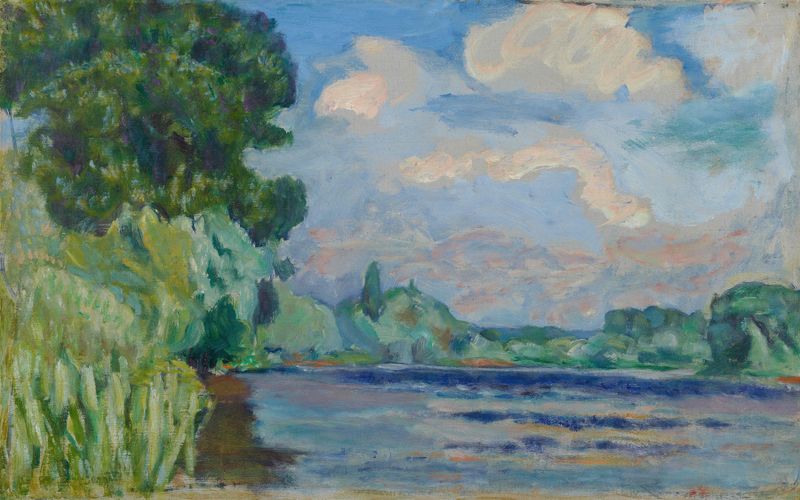
La Seine à Vernon
Pierre Bonnard

Les Toits
Pierre Bonnard
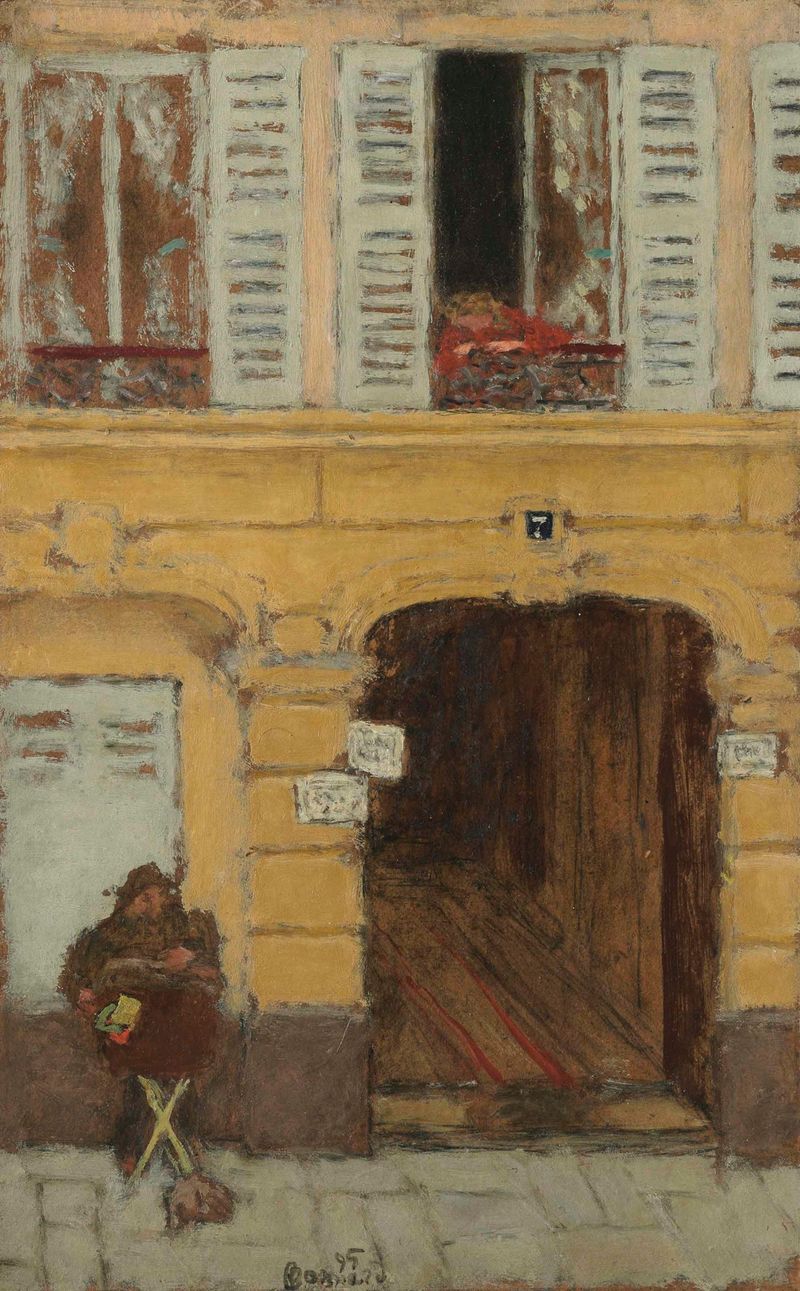
L’orgue de Barbarie ou Le joueur d’orgue
Pierre Bonnard

Paysage de Saint-Tropez
Pierre Bonnard

Soleil Couchant
Pierre Bonnard
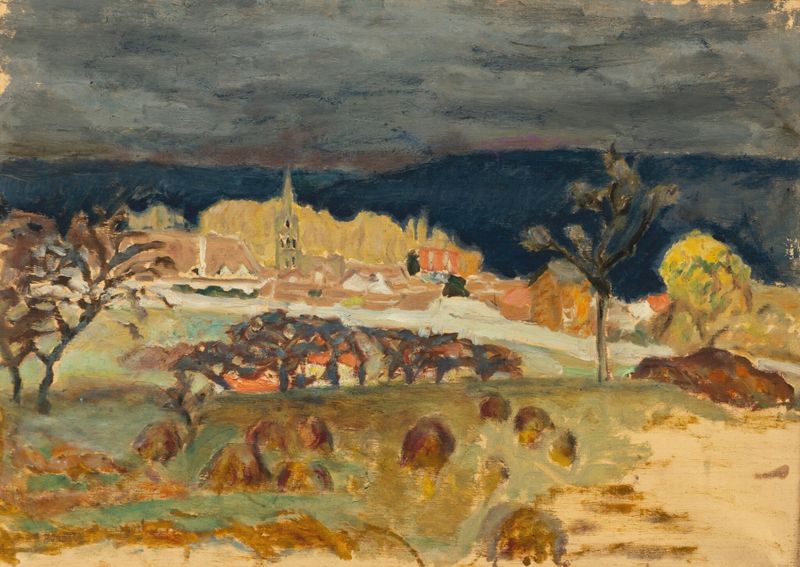
Village, ciel d’orage
Pierre Bonnard





