
La sieste — History & Facts
In La sieste, we see a woman reclining peacefully in a lush, green landscape. The colors are rich and vibrant, with deep greens and soft earth tones dominating the scene. The figure is relaxed, draped in a light garment that contrasts with the surrounding foliage.
This setting evokes a sense of tranquility and connection with nature. The painting is executed in oil on canvas, showcasing Courbet's skill in capturing realistic textures and details. The brushwork is loose yet deliberate, allowing for a naturalistic representation of the woman's form and the surrounding environment. The composition is balanced, with the figure positioned harmoniously within the landscape.
Viewers can appreciate the way light filters through the leaves, creating dappled shadows. Gustave Courbet was a leading figure in the Realism movement, focusing on everyday subjects and scenes. La sieste reflects his commitment to portraying life as it is, without idealization. An interesting fact about this work is that it exemplifies Courbet's ability to blend the human figure with nature, highlighting the relationship between the two.
This painting invites viewers to pause and appreciate the simple beauty of a moment in time.
More Artworks by Gustave Courbet
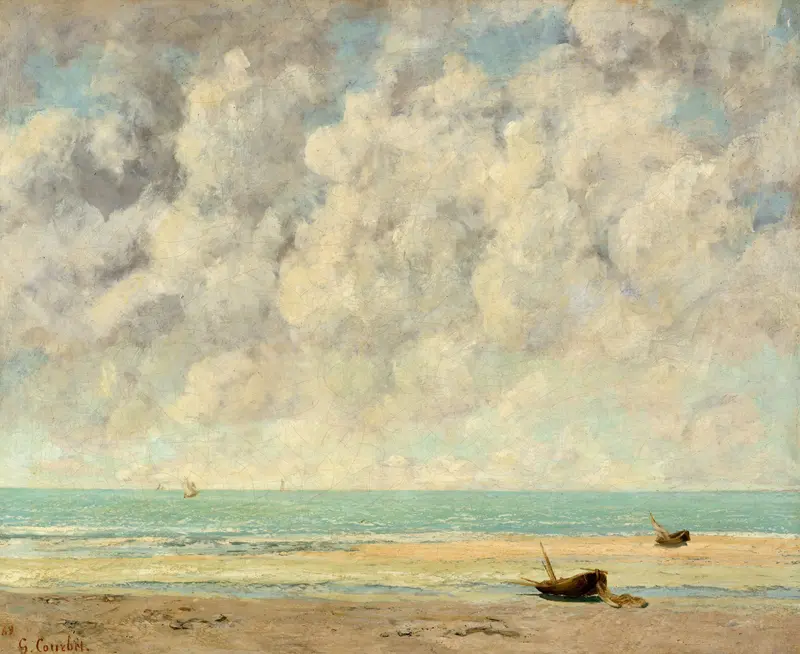
The Calm Sea
Gustave Courbet

A Burial at Ornans
Gustave Courbet
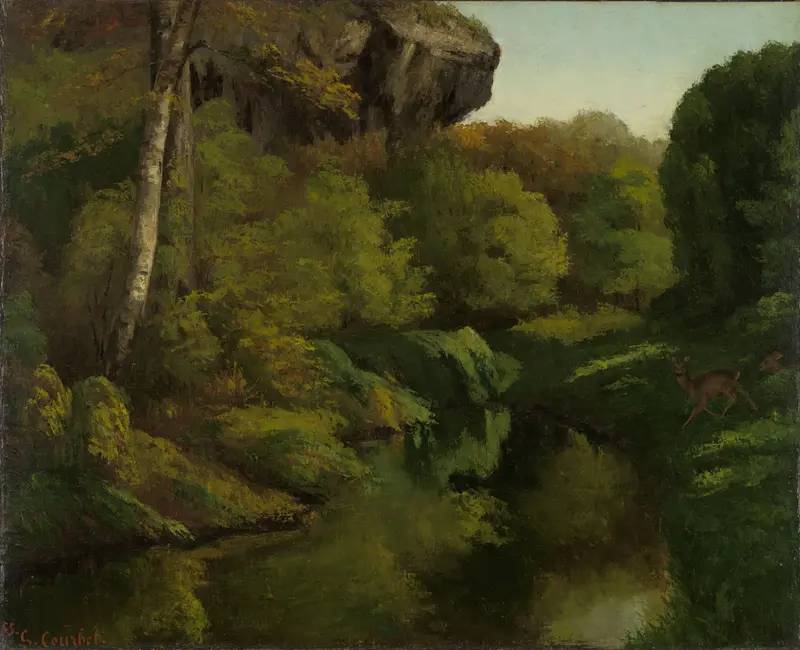
View in the Forest of Fontainebleau
Gustave Courbet
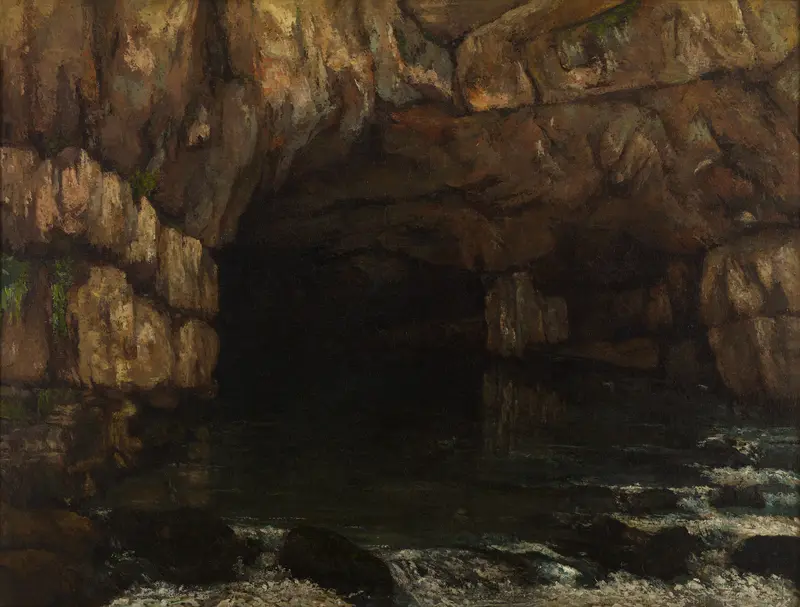
La source de la Loue (The Source of the Loue)
Gustave Courbet
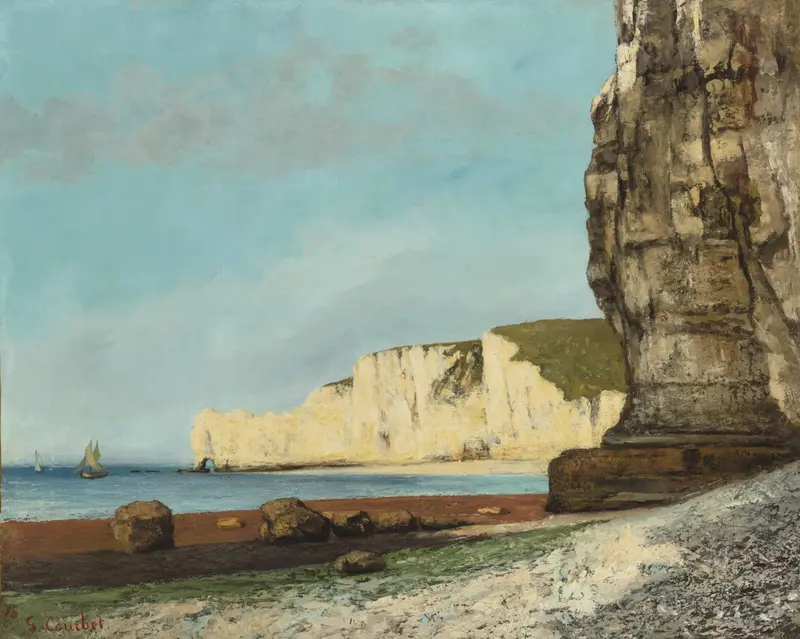
Étretat; Les Falaises
Gustave Courbet
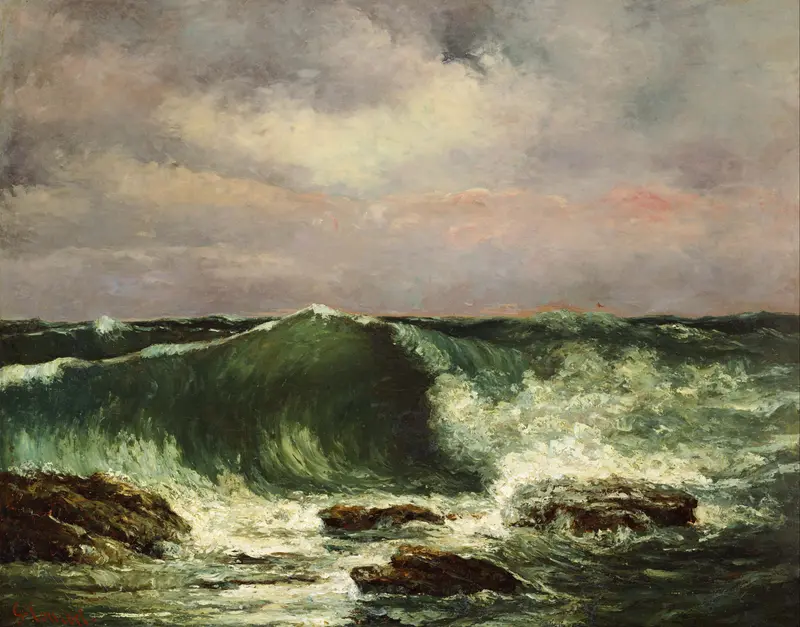
Waves
Gustave Courbet
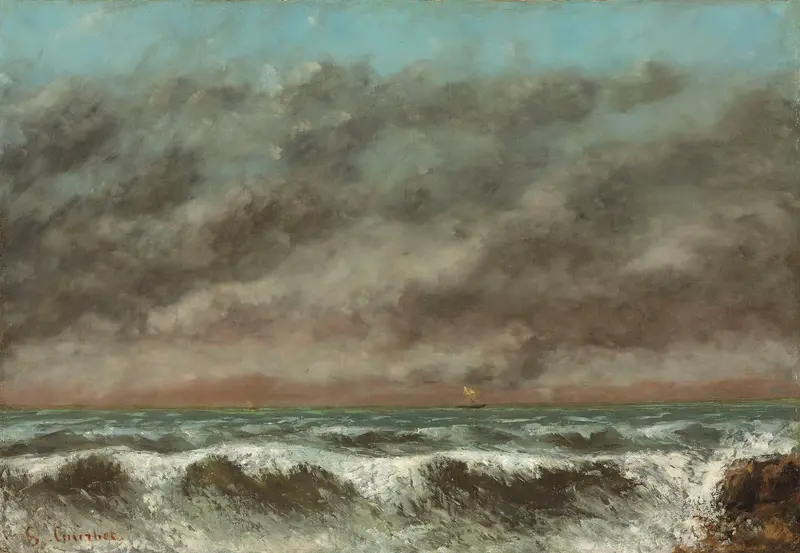
Marine
Gustave Courbet
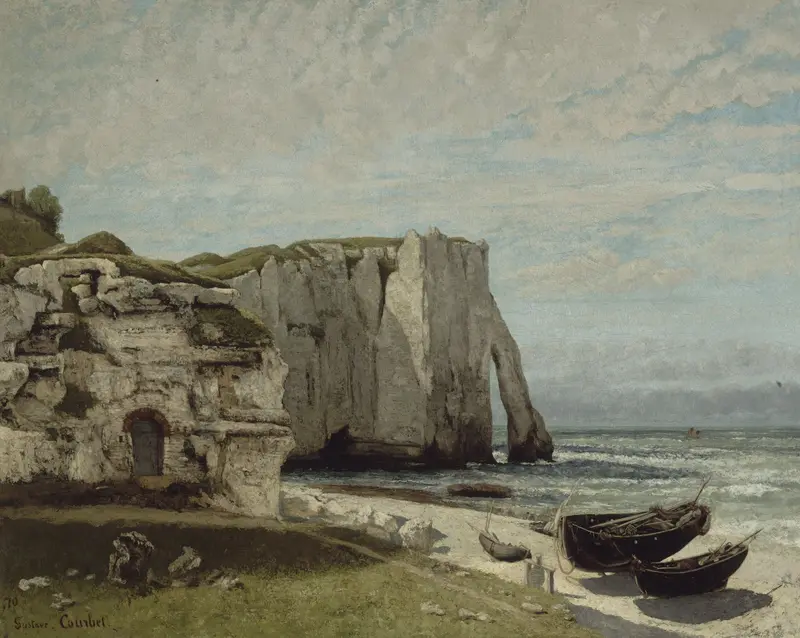
The Etretat Cliffs after the Storm
Gustave Courbet
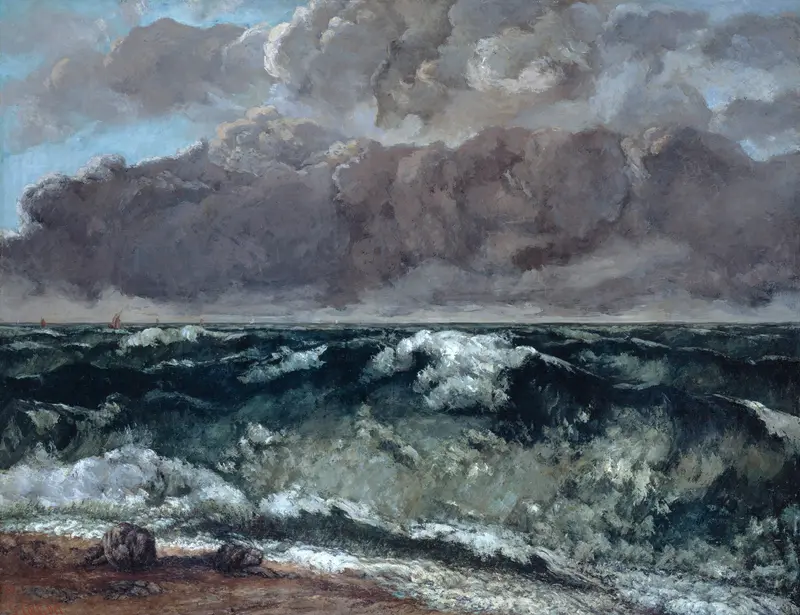
The Wave
Gustave Courbet
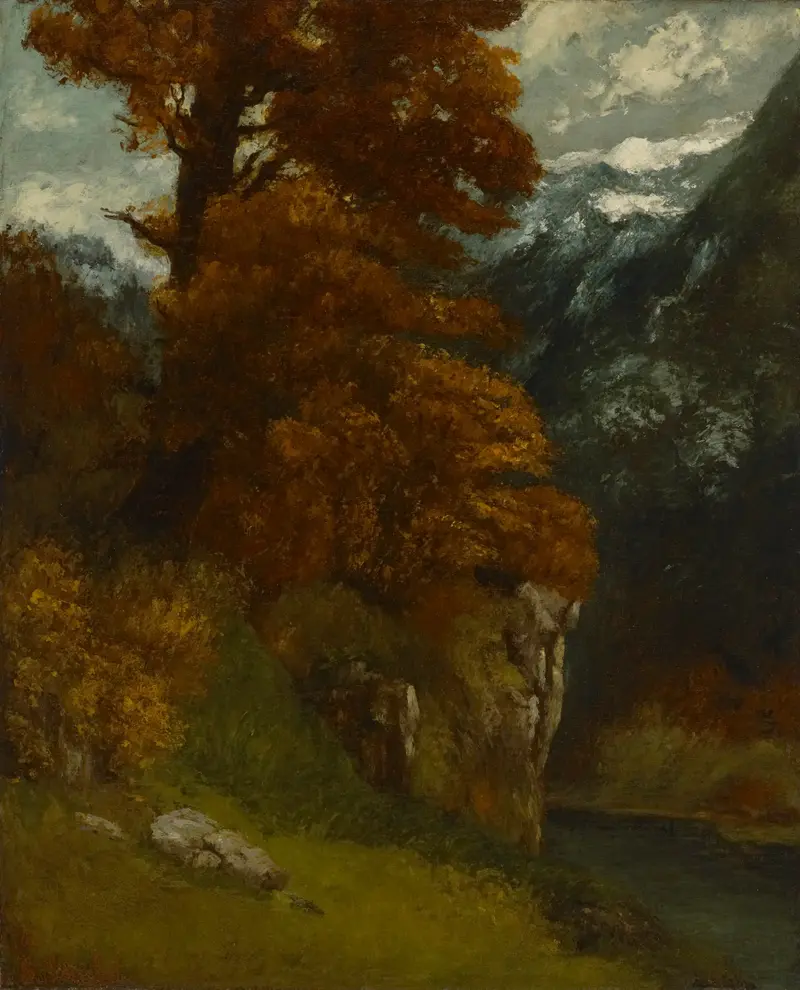
The Glen at Ornans (Bords du Doubs; Effet d’Automne)
Gustave Courbet
More Genre Scene Art

Banquet of the Officers of the St George Civic Guard
Frans Hals

Rembrandt and Saskia in the Scene of the Prodigal Son
Rembrandt van Rijn

Bal du moulin de la Galette
Pierre-Auguste Renoir

Quadrille at the Moulin Rouge
Henri de Toulouse-Lautrec
A Burial at Ornans
Gustave Courbet

When Will You Marry?
Paul Gauguin