
La Velata — History & Facts
No other portrait by Raphael has sparked as much speculation as La velata, completed around 1513. For centuries, viewers have wondered about the identity of the woman whose gaze meets ours so directly—many believe she is Margherita Luti, the artist’s rumored muse and lover, known as "La Fornarina." The painting’s fame was such that Giorgio Vasari, in his Lives of the Artists, marveled at the sitter’s lifelike presence, describing her as "so natural that she seems truly alive." The mystery of her identity, and the intimacy of her depiction, have made this work a touchstone for debates about art and love in the Renaissance. The woman in La velata sits three-quarters to the viewer, her body turned, her eyes calm and assured. She is wrapped in a sumptuous cream-colored veil that gives the painting its name, and her dress is embroidered with gold, signaling wealth or perhaps the idealization of beauty itself.
Raphael’s light falls gently across her face and hands, modeling her features with a softness that suggests not just physical presence but a sense of inner life. Unlike the more formal, distant portraits of the time, such as Leonardo’s Mona Lisa, here the sitter’s warmth and immediacy bridge the gap between viewer and subject. The absence of overt symbols—no jewelry, no background landscape—focuses all attention on her expression and the luxurious textures of fabric, making her both a real woman and an emblem of Renaissance ideals. The precise circumstances of La velata's commission remain unclear, but it was likely painted in Florence or Rome in the artist’s mature period, when Raphael was at the height of his powers.
The painting has been housed in the Palazzo Pitti in Florence since the 17th century, part of the Medici collection, and it has never left Italy. Over the centuries, its attribution to Raphael has never seriously been questioned, and it stands as a testament to his ability to blend psychological depth with technical brilliance. Today, La velata is seen as a pinnacle of Renaissance portraiture, admired not just for its beauty but for the enduring mystery of the woman behind the veil.
More Artworks by Raphael
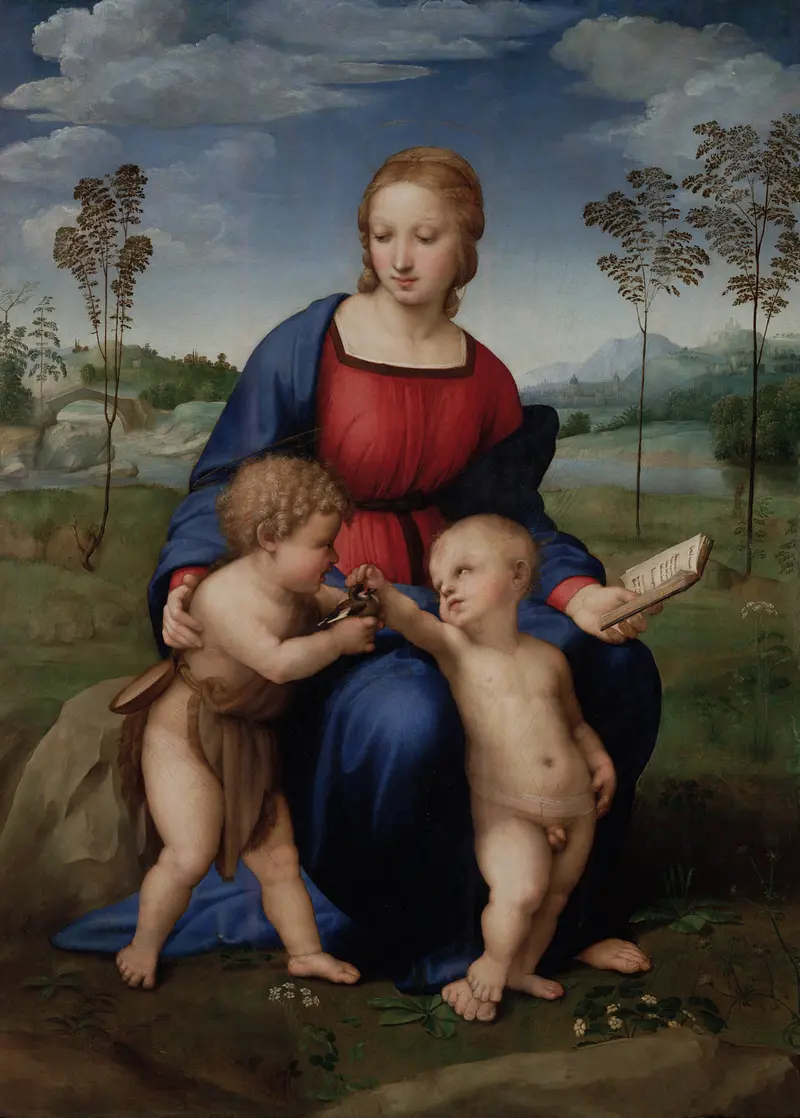
Madonna of the Goldfinch
Raphael

Madonna with the Fish
Raphael
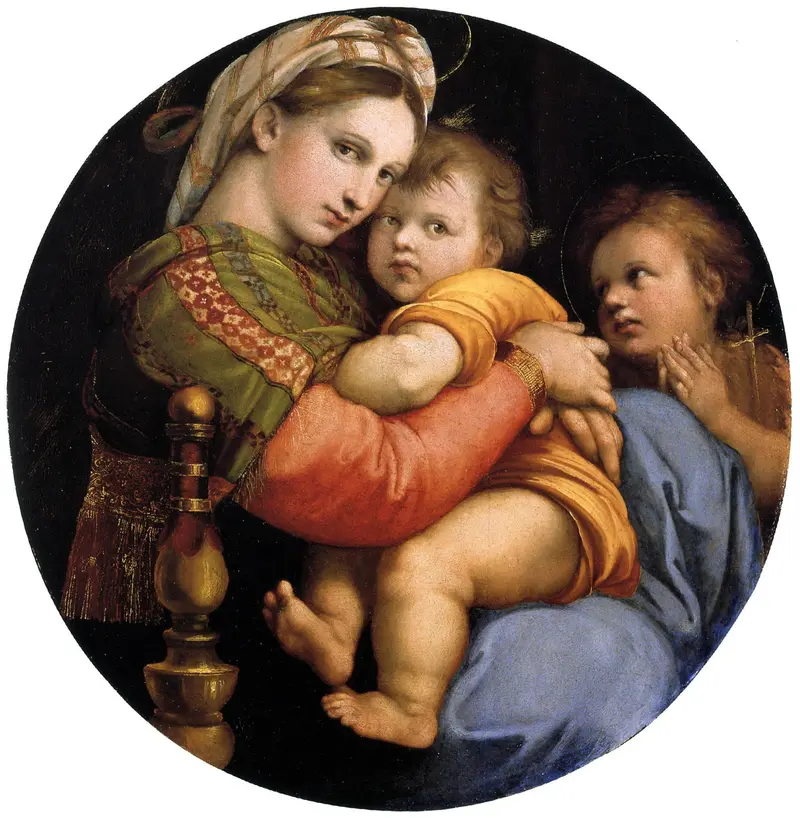
Madonna and Child (Madonna della Seggiola)
Raphael
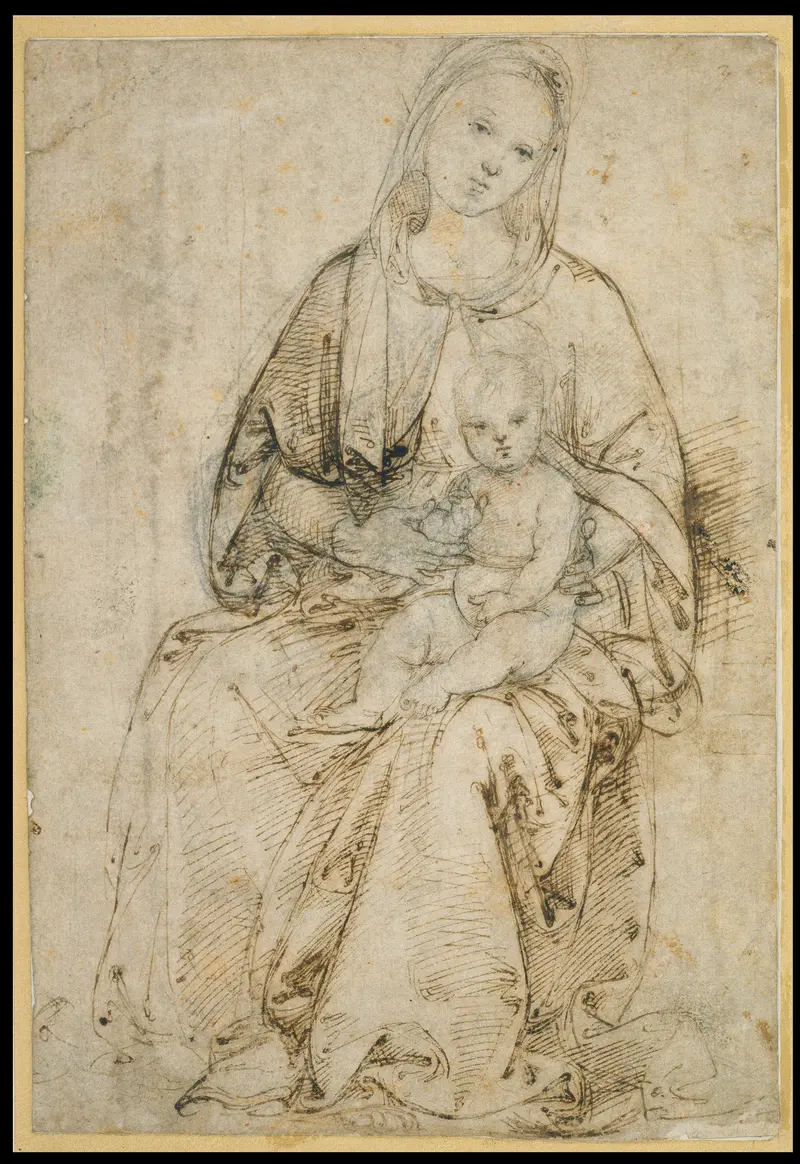
Seated Madonna and Child
Raphael
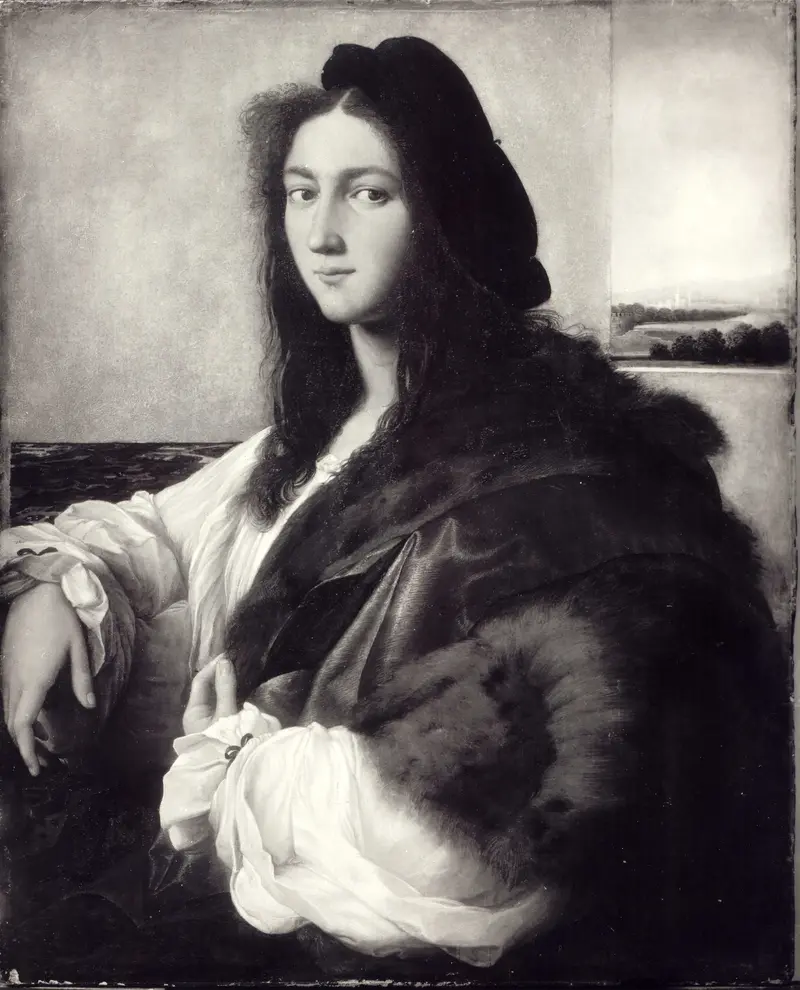
Portrait of a Young Man
Raphael
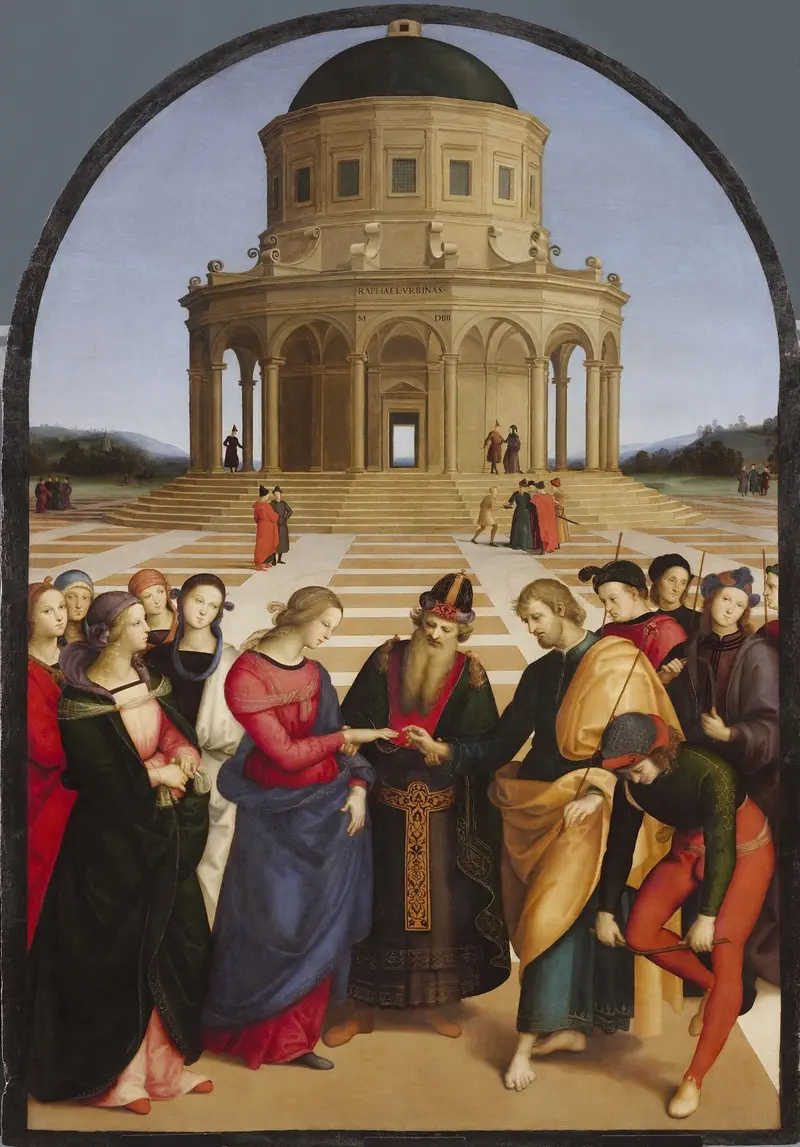
The Marriage of the Virgin
Raphael
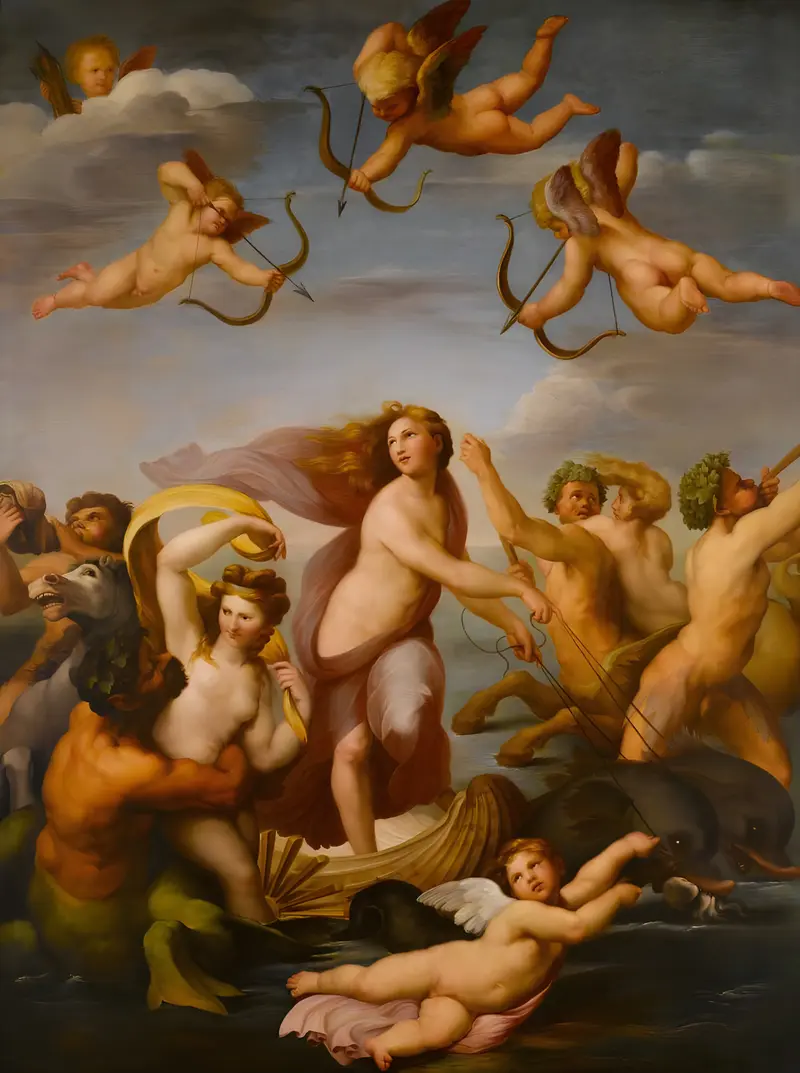
The Triumph of Galatea (copy after Raphael)
Raphael
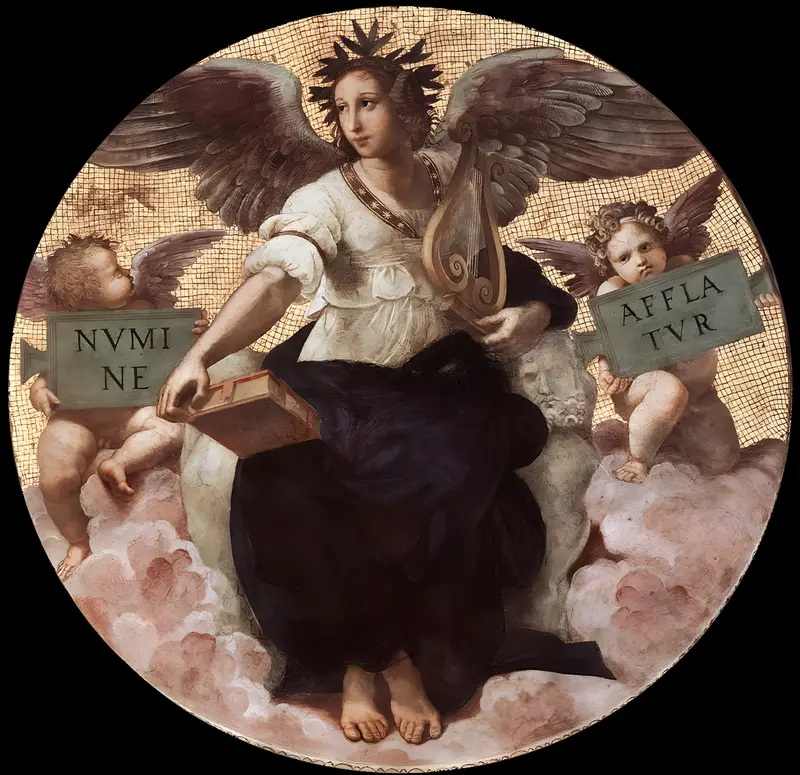
Poetry
Raphael
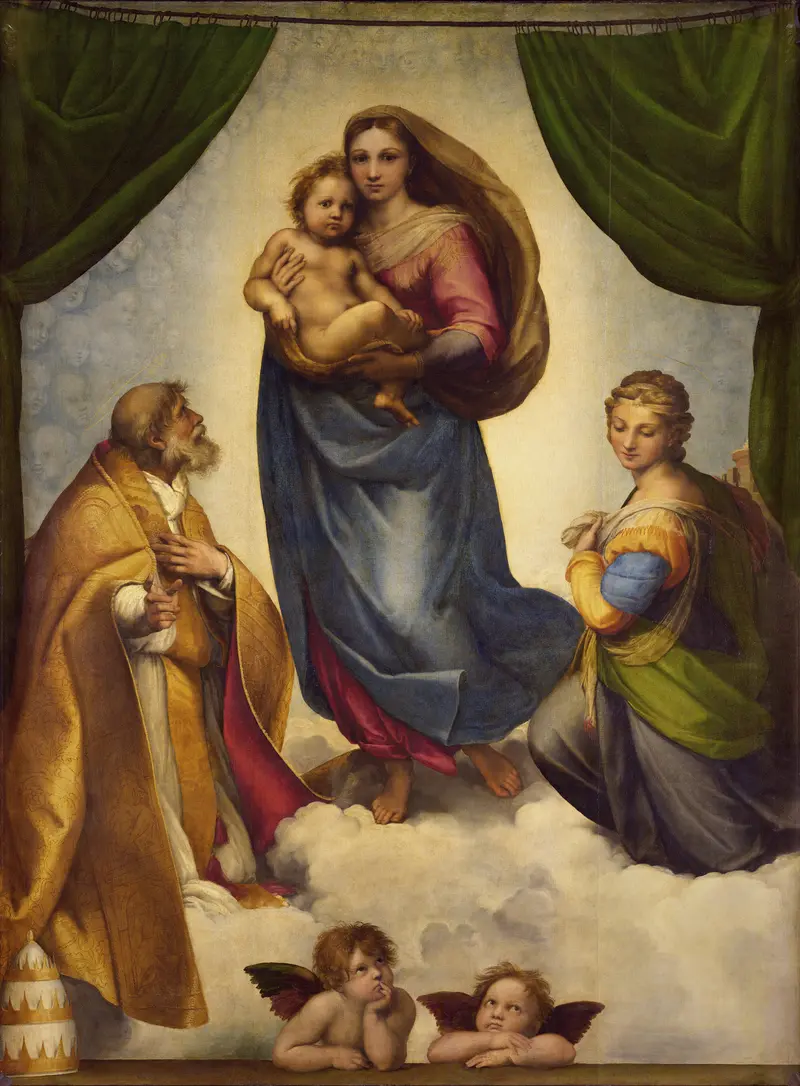
Sistine Madonna
Raphael
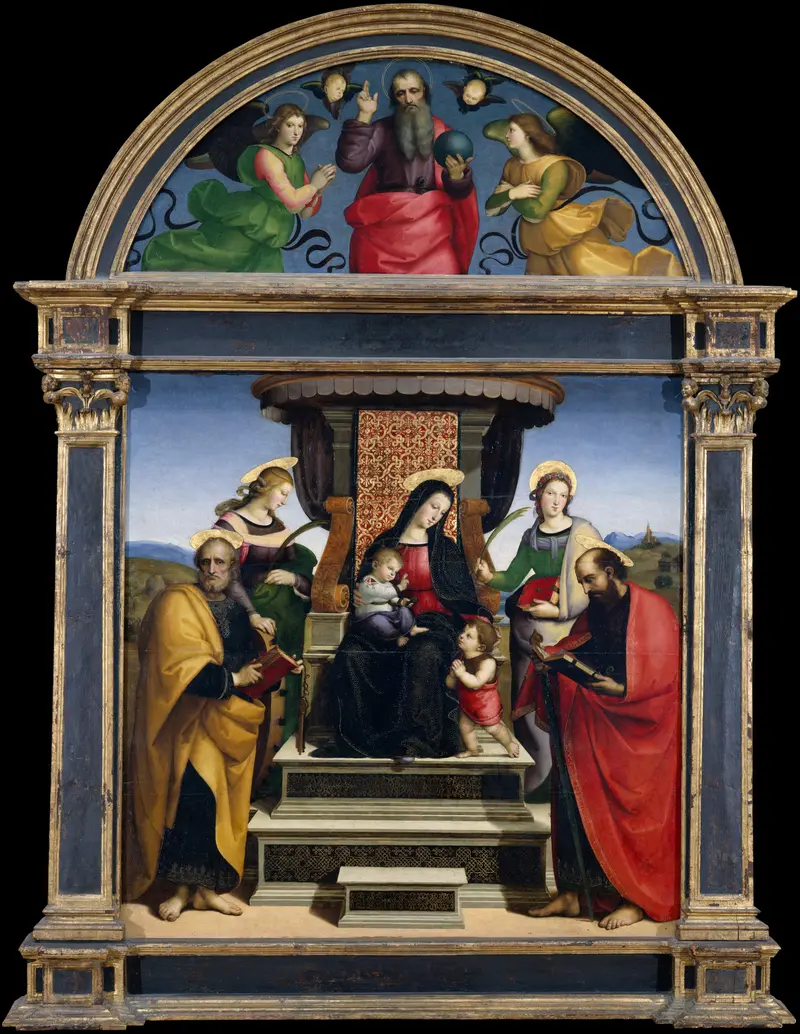
Madonna and Child Enthroned with Saints
Raphael





