
Lady at the fishmarket in Antwerp — History & Facts
A sweep of gesture and glint of silver scales draw the eye first to the drama unfolding at the fishmonger’s stall. The woman in velvet, her hand outstretched, is caught between worlds: her refined attire and guarded purse mark her as a customer of means, yet the robust, bare-armed fishwife meets her gaze with a bold, almost theatrical poise. The table between them is a stage, heaped with the bounty of the North Sea—cod, skate, eels, and lemons glowing like coins—each rendered with a precision that turns commerce into spectacle.
The dog at the lady’s feet, alert and expectant, hints at the everyday bustle, while the figures behind—men with baskets, a swirl of hats and glances—suggest a city alive with trade and appetite. Light falls with purpose, illuminating the transaction, but also the textures: the gleam of fish skin, the crispness of linen, the weight of fur and velvet. Painted in Antwerp between 1630 and 1639, this scene by Adriaen van Utrecht belongs to a world where market paintings were both celebration and cautionary tale. In the thriving mercantile cities of the Low Countries, such works adorned the homes of prosperous burghers, reminders of abundance and the virtues (and temptations) of daily exchange.
Artists like van Utrecht specialized in these bustling compositions, blending still life with genre, and often layering them with moral or social commentary—here, perhaps, a meditation on class, negotiation, or the fleeting nature of plenty. The painting now resides in the DAMS Antwerpen collection, a witness to the city’s golden age and its enduring fascination with the theater of the marketplace. Every detail invites the viewer to linger, to imagine the voices, the smells, and the choices that animate this crowded corner of seventeenth-century Antwerp.
More Artworks by Adriaen van Utrecht
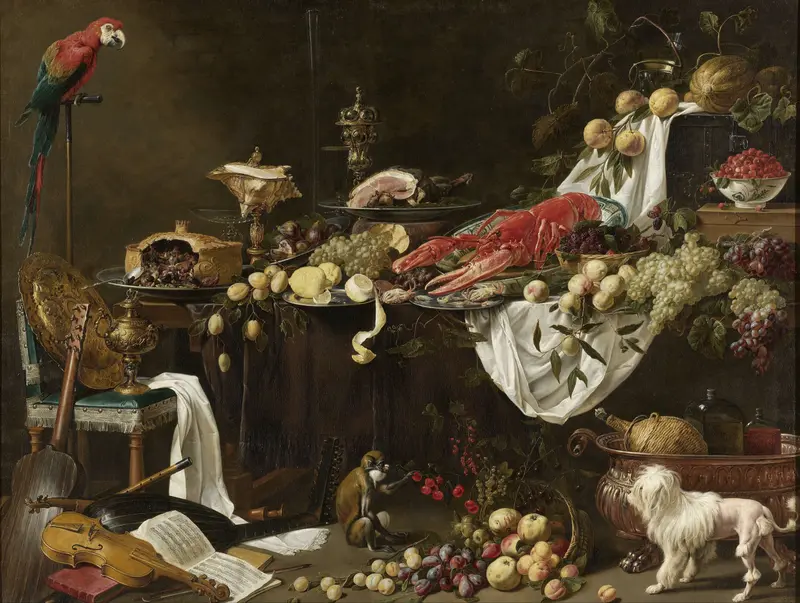
Banquet Still Life
Adriaen van Utrecht
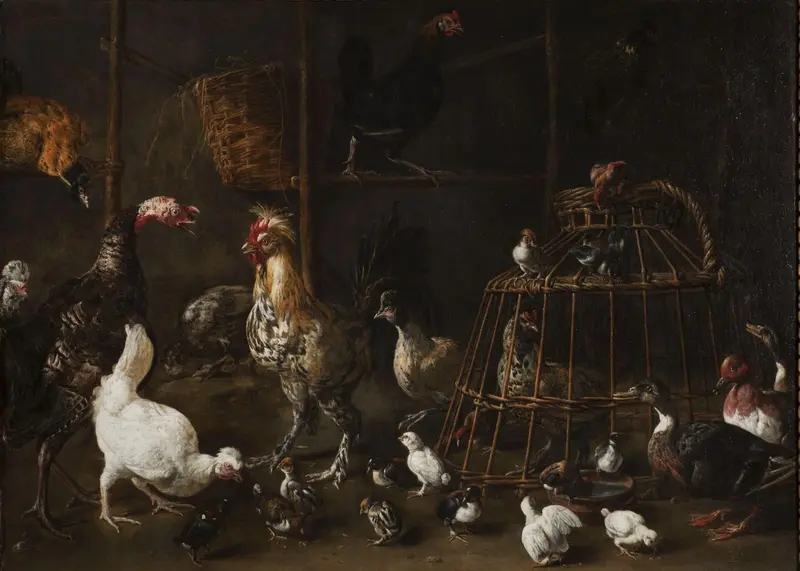
A barn interior with a turkey
Adriaen van Utrecht
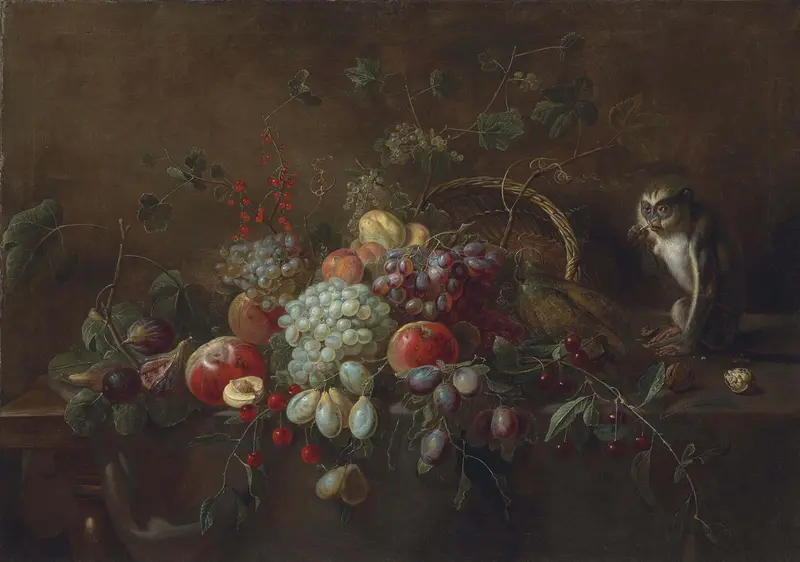
Grapes, apples, plums, figs and other fruit on a partly draped wooden table, a monkey eating walnuts by an upturned woven basket
Adriaen van Utrecht
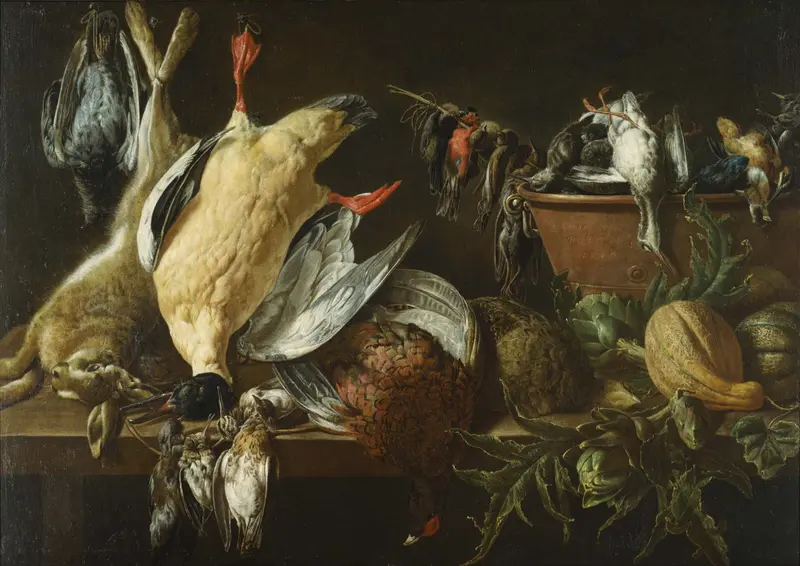
Still Life with Games and Vegetables
Adriaen van Utrecht
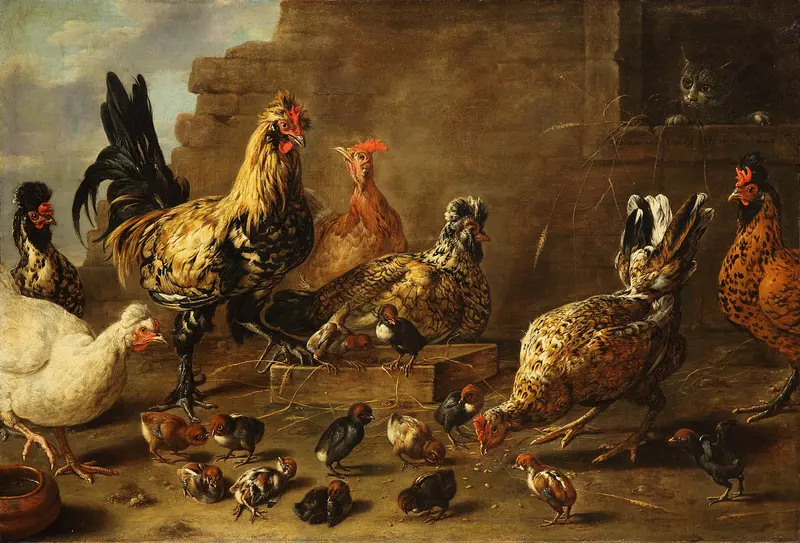
The chicken yard
Adriaen van Utrecht
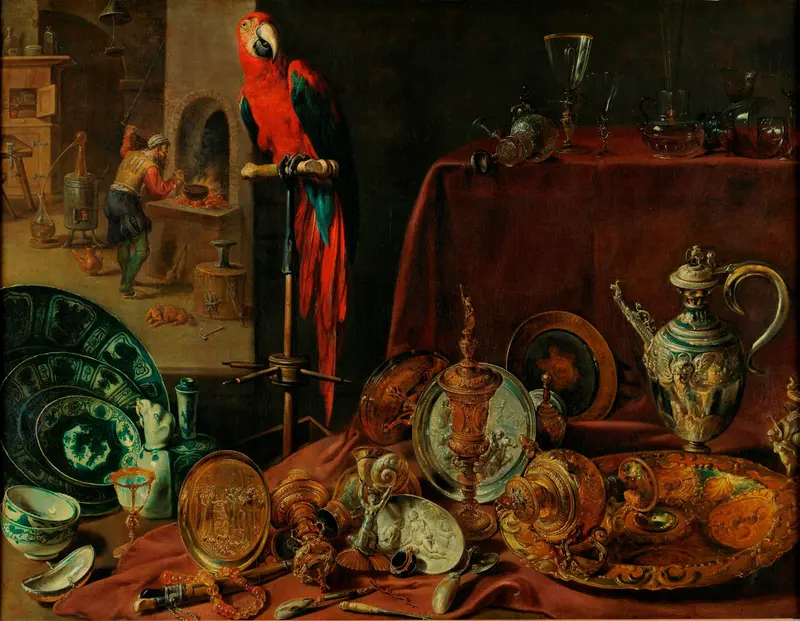
Still life with parrot, an allegory of fire
Adriaen van Utrecht
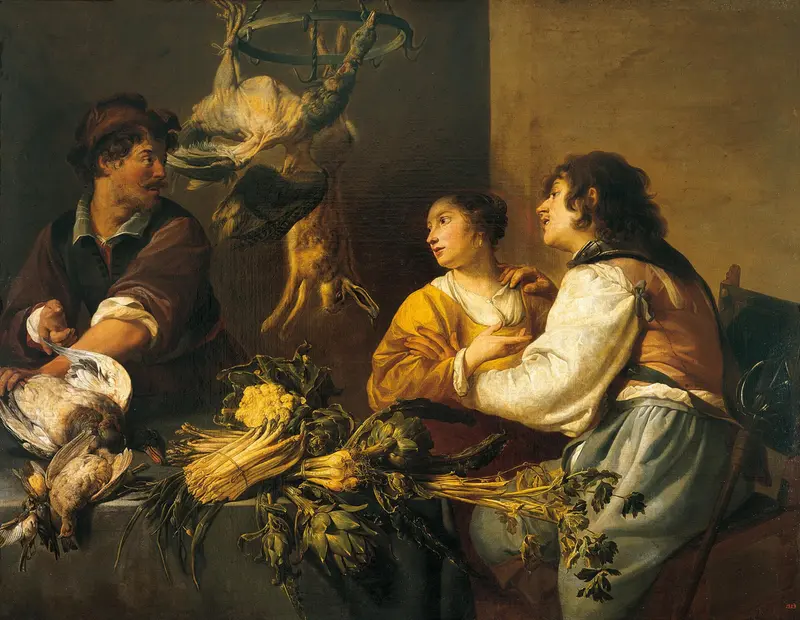
Kitchen
Adriaen van Utrecht
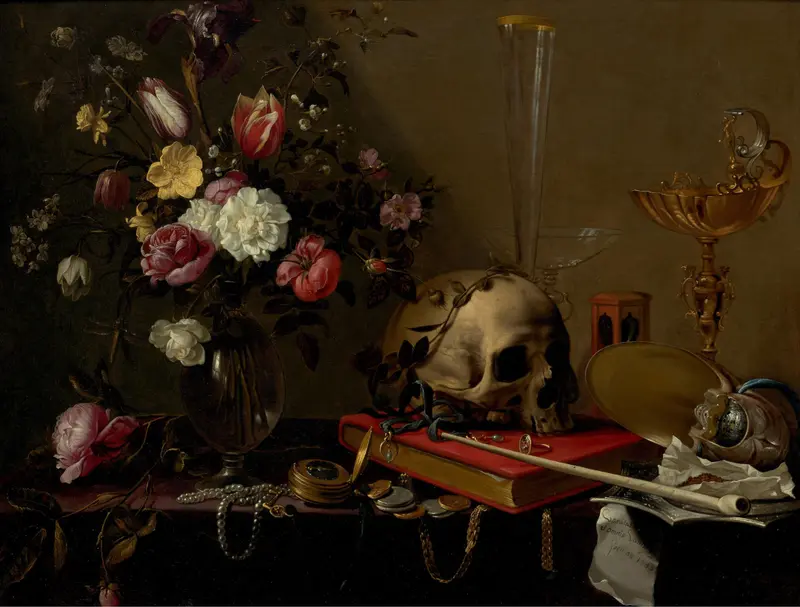
Vanitas - Still Life with Bouquet and Skull
Adriaen van Utrecht
A Larder
Adriaen van Utrecht
A Kitchen Still Life with Figures
Adriaen van Utrecht
More Genre Scene Art

Banquet of the Officers of the St George Civic Guard
Frans Hals

Rembrandt and Saskia in the Scene of the Prodigal Son
Rembrandt van Rijn

Bal du moulin de la Galette
Pierre-Auguste Renoir

Quadrille at the Moulin Rouge
Henri de Toulouse-Lautrec

A Burial at Ornans
Gustave Courbet

When Will You Marry?
Paul Gauguin