
Lake in Scotland after a Storm — History & Facts
When Gustave Doré traveled to Scotland in the 1870s, he was already celebrated across Europe as an illustrator, but it was the wild Scottish landscape that seized his imagination and led to a small group of paintings that surprised critics and admirers alike. Lake in Scotland after a Storm, created in 1876, is one of the rare instances where Doré, best known for his engravings of Dante and Cervantes, turned his hand to pure landscape. The painting stands as a testament to his fascination with the raw, untamed beauty of the Highlands—a subject that, as contemporary accounts suggest, left him "struck by the grandeur and terror of nature." Unlike his more famous narrative scenes, this work is not tied to a literary source, but to the memory of a real journey. Doré captures the moment just after the tempest has passed: the waters of the lake are unsettled, reflecting a sky still heavy with cloud, while battered trees and slick rocks line the shore.
The eye is drawn to the play of light breaking through, illuminating patches of water and distant hills, hinting at renewal after chaos. There are no figures—only the traces of violence left behind, and the sense of nature’s power lingering in the air. The painting’s drama recalls the landscapes of J.M.W.
Turner, particularly his Scottish views, but Doré’s approach is more direct, less atmospheric, with a focus on tangible aftermath rather than misty suggestion. The result is a scene that feels witnessed, not imagined. The precise medium of Lake in Scotland after a Storm remains uncertain, as does its early provenance; it is possible that Doré painted it for exhibition in Paris or London, where his landscapes were shown alongside his illustrations in the late 1870s. Unlike his prints, which were widely reproduced, Doré’s Scottish paintings are few and their locations often unrecorded, making each surviving example a rare window into this phase of his career.
Today, the painting is recognized as a significant departure from his narrative work, marking a brief but intense engagement with landscape that influenced later French artists interested in the wildness of northern Europe. Its presence in the online gallery allows viewers to appreciate Doré not just as a storyteller, but as an observer of nature’s aftermath.
More Artworks by Gustave Doré

The Deluge
Gustave Doré
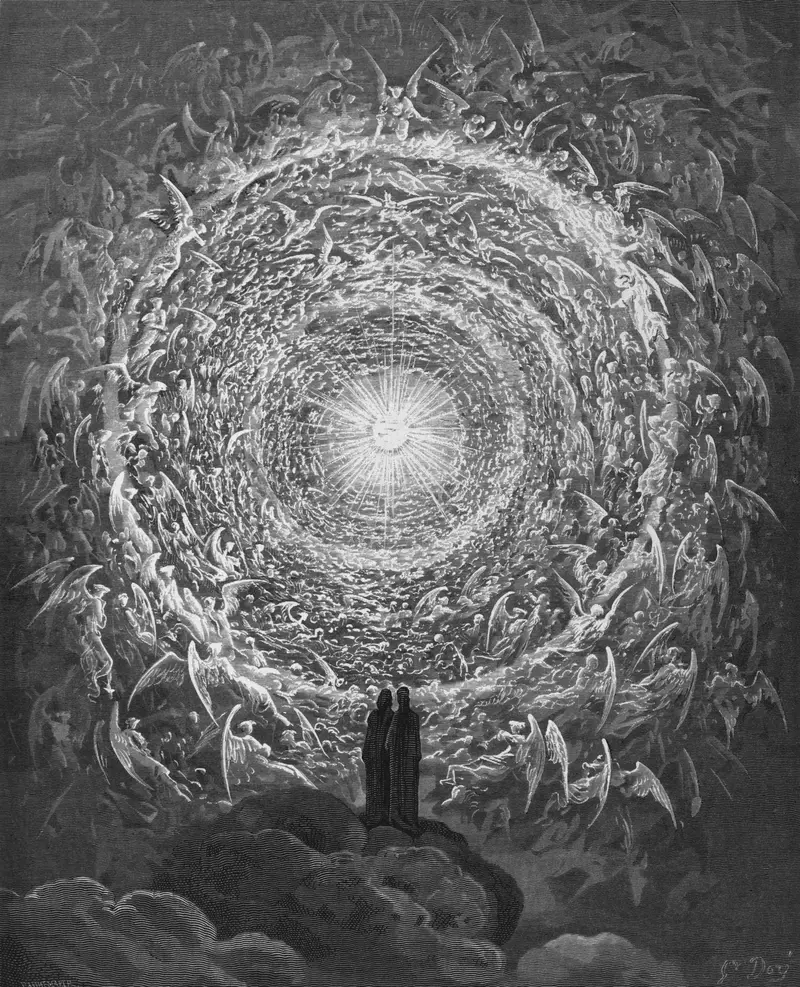
The Empyrean (Paradiso, Canto 31)
Gustave Doré
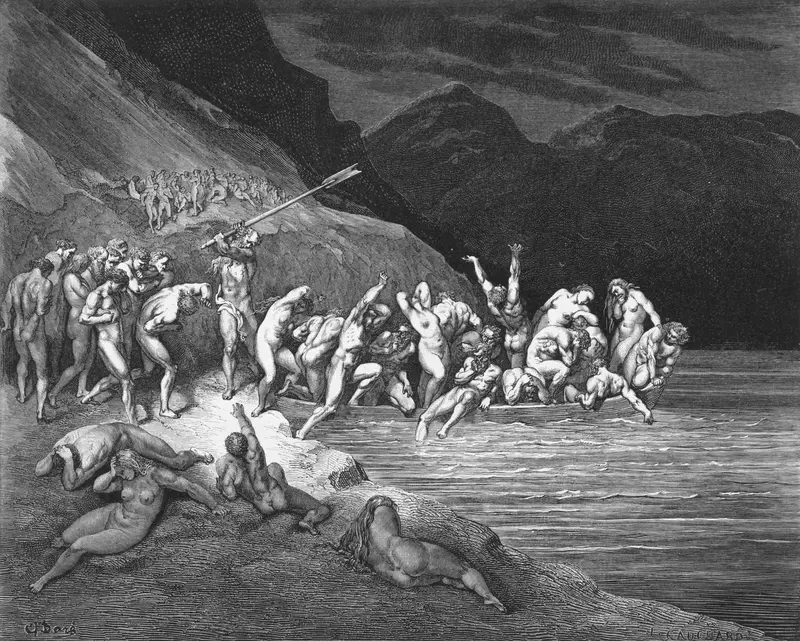
Charon (Inferno, Canto 3)
Gustave Doré
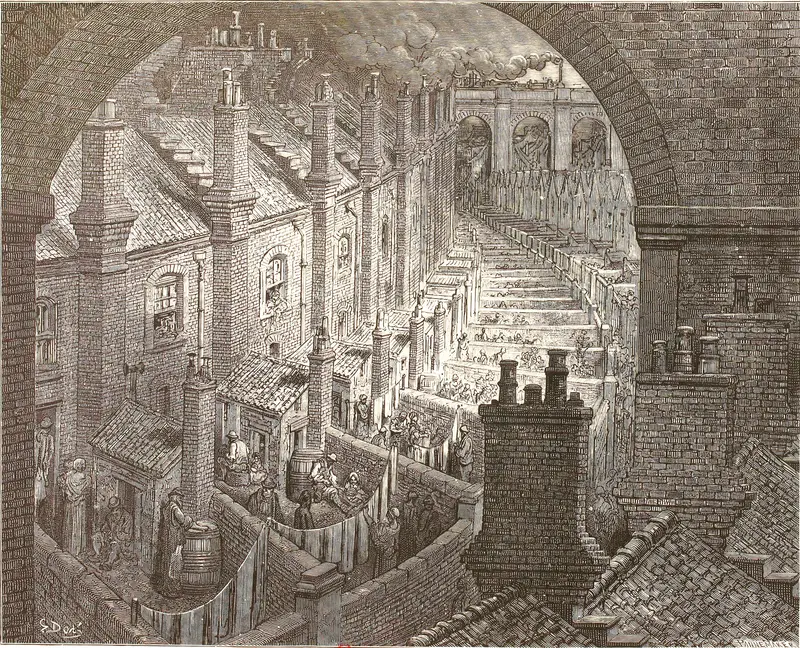
Over London by Rail
Gustave Doré
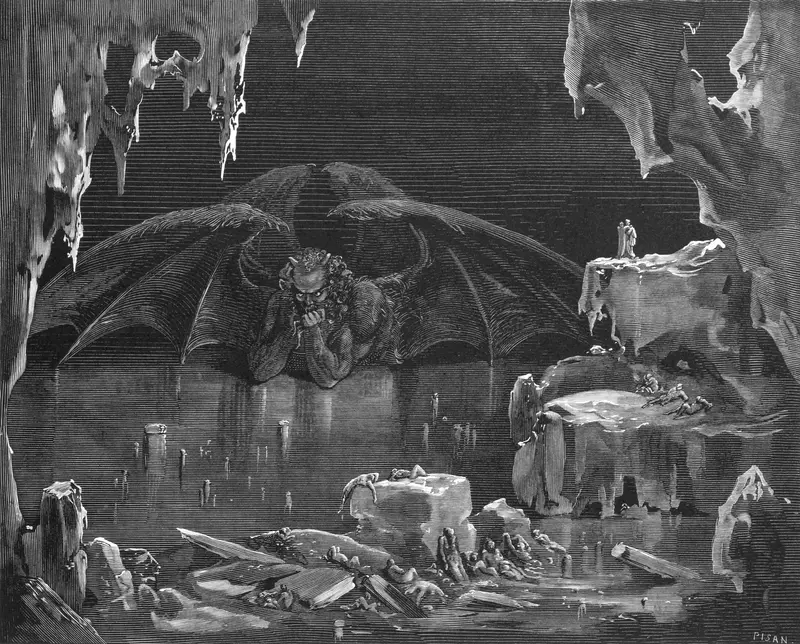
Lucifer, King of Hell
Gustave Doré
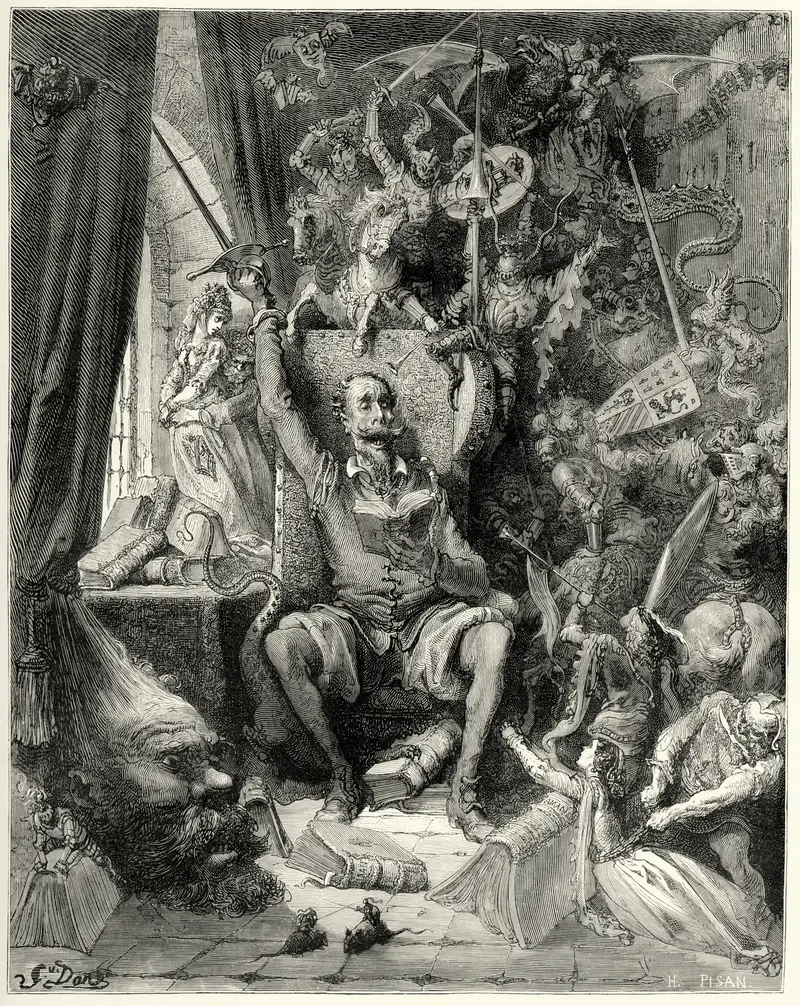
Don Quixote in His Library
Gustave Doré
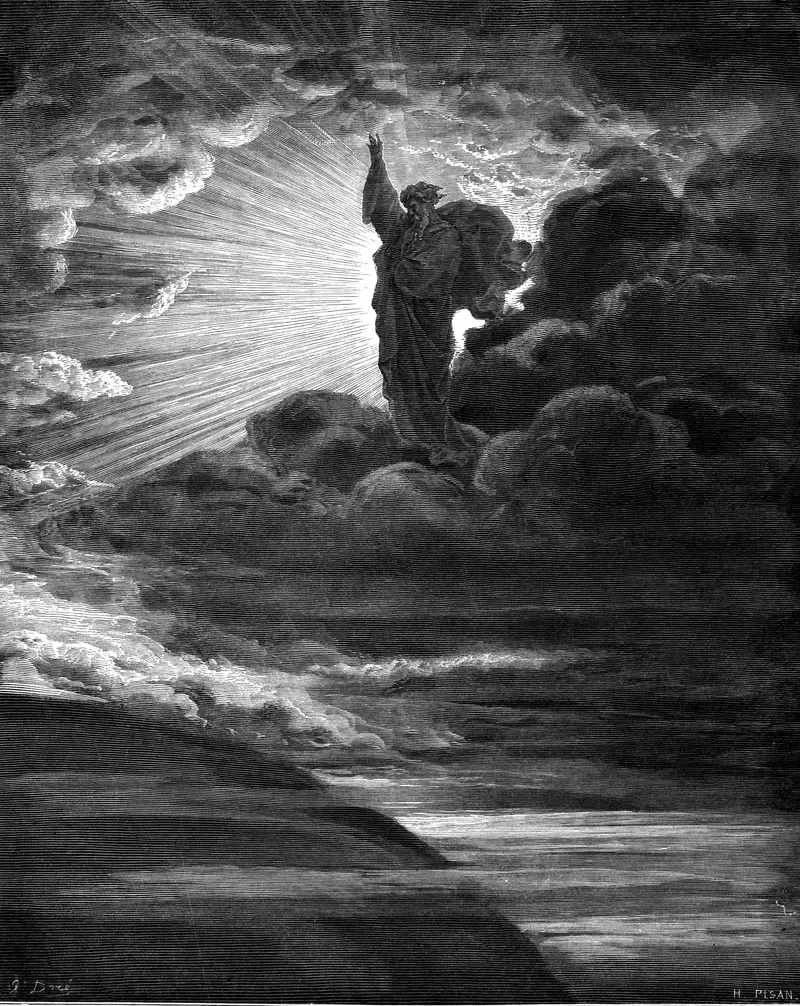
The Creation of Light
Gustave Doré
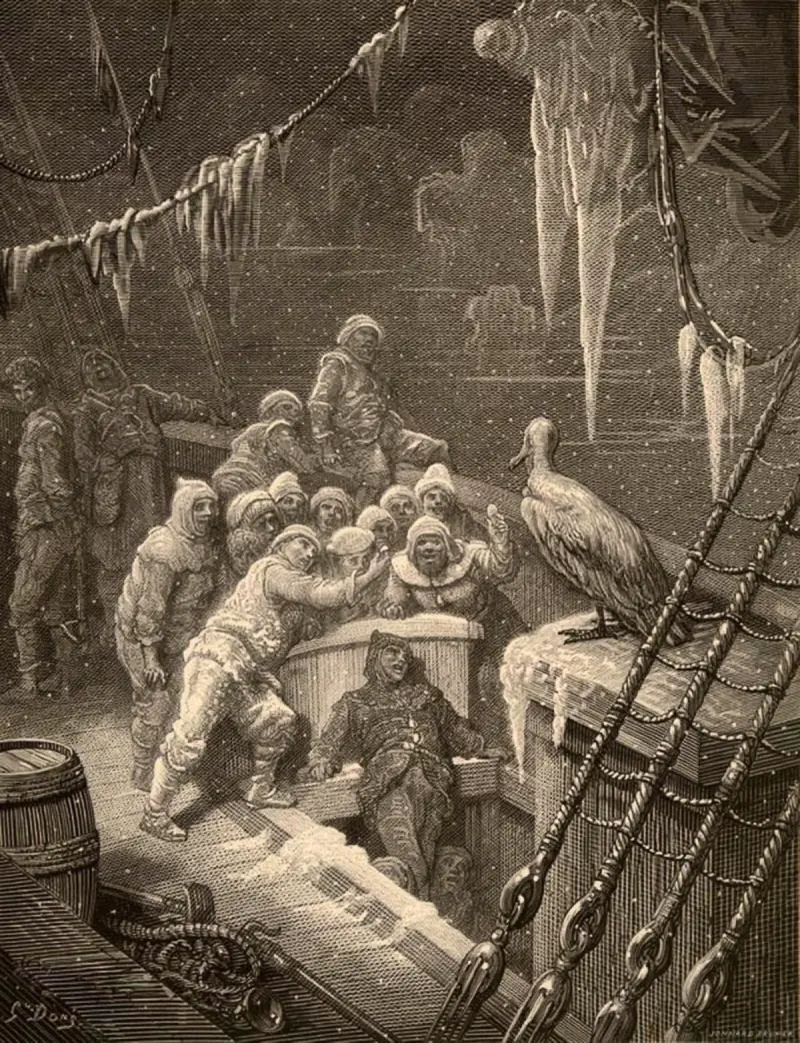
The Albatross (The Rime of the Ancient Mariner)
Gustave Doré
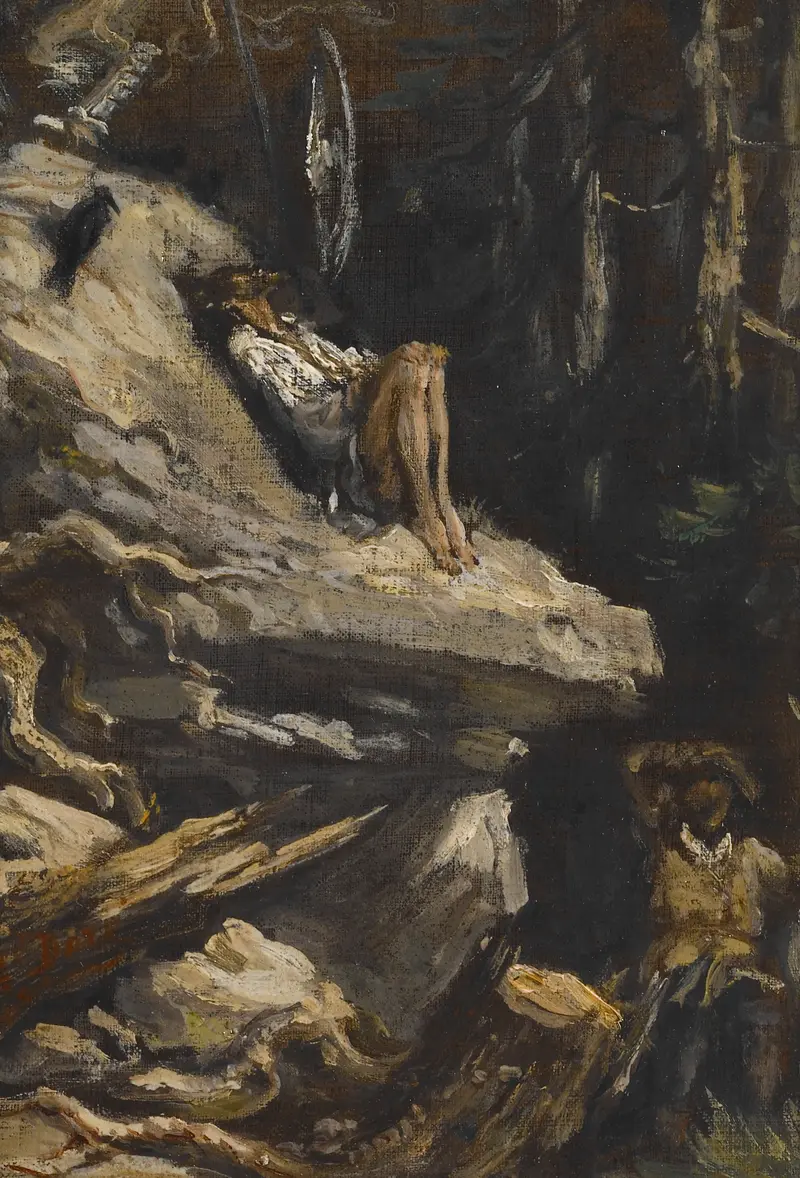
"'Alas!' answered Sancho, 'I found him in his shirt, lean, pale, and almost starved, sighing for his Lady Dulcinea'" from Don Quixote
Gustave Doré
Christ's Entry into Jerusalem
Gustave Doré
More Landscape Art

The Starry Night
Vincent van Gogh

View of Delft
Johannes Vermeer

Water Lilies
Claude Monet

The Grand Canal, Venice, looking north-west from the Ca' Corner to the Ca' Contarini degli Scrigni, with the campanile of Santa Maria della Carità
Canaletto

Windsor Castle
Canaletto

The Grand Canal looking North-East from the Palazzo Dolfin-Manin to the Rialto Bridge
Canaletto