
Lake Te Anau — History & Facts
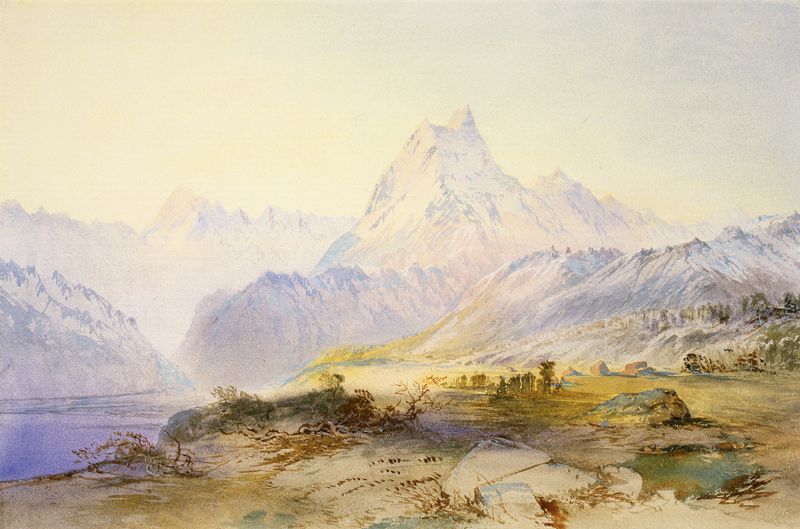
Can paint confess what words never could? In the delicate strokes of a brush, a truth emerges that resonates far deeper than mere description. Look to the horizon, where the tranquil waters of Lake Te Anau reflect a tapestry of soft blues and emerald greens. Notice how the subtle transitions in color blend seamlessly into the mountains, their peaks kissed by muted sunlight that bathes the scene in a serene glow. The artist's careful layering captures not only the landscape's beauty but its profound stillness, inviting the viewer to linger in this moment of peace. Beneath the surface of this idyllic portrayal lies a tension between solitude and connection.
The expansive lake evokes feelings of both isolation and belonging, suggesting that nature is a silent companion to our thoughts. Delve into the intricacies of light and shadow, which hint at the impermanence of this landscape—an ever-changing scene that reminds us of life's fleeting nature. Each brushstroke serves as a testament to the artist's desire to convey emotional depth hidden within the natural world. In 1888, while living in New Zealand, Gully painted this work amidst the growing appreciation for landscape art.
His position in the colony's artistic community was notable, as he sought to depict the raw beauty and truth of the land he called home. This period was marked by an increasing recognition of local art that captured the essence of New Zealand's breathtaking scenery, as Gully himself navigated the delicate balance between personal expression and the collective longing for connection with the environment.
More Artworks by John Gully
Browse all →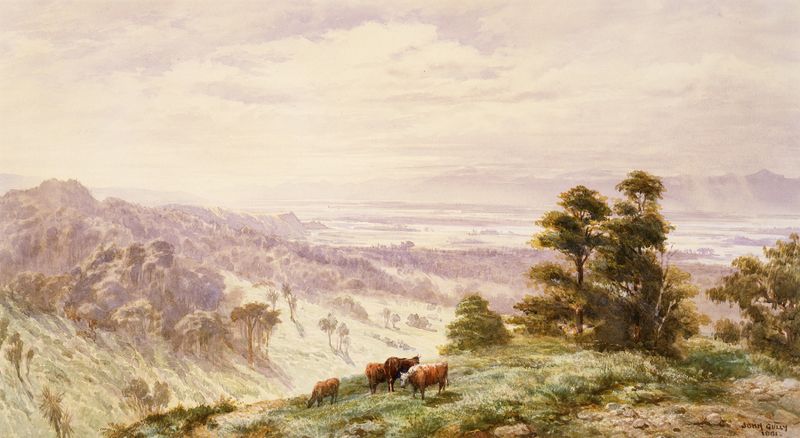
Landscape [Waimea Plains, Nelson]
John Gully
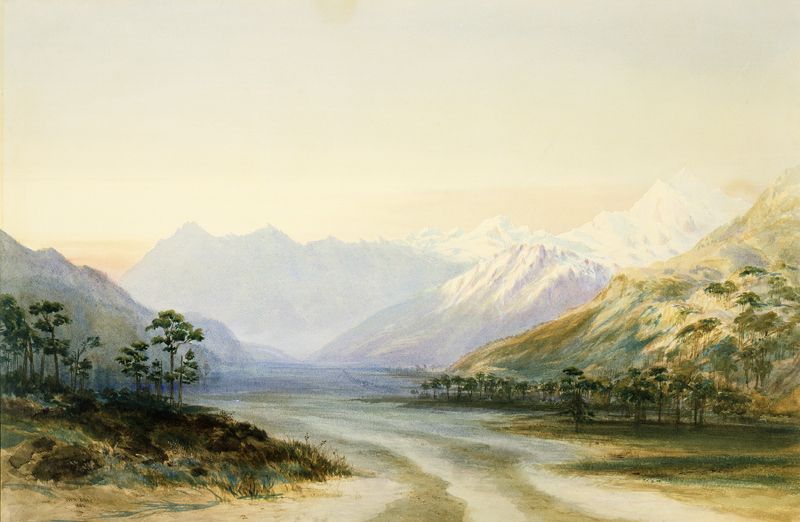
Mount Cook
John Gully
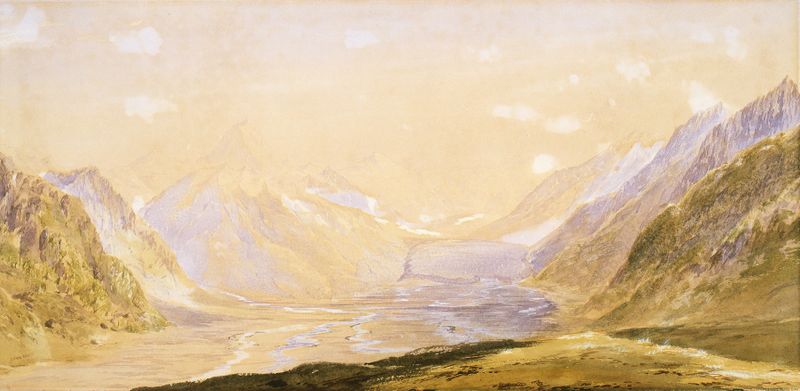
Mount Cook and the Tasman Glacier
John Gully
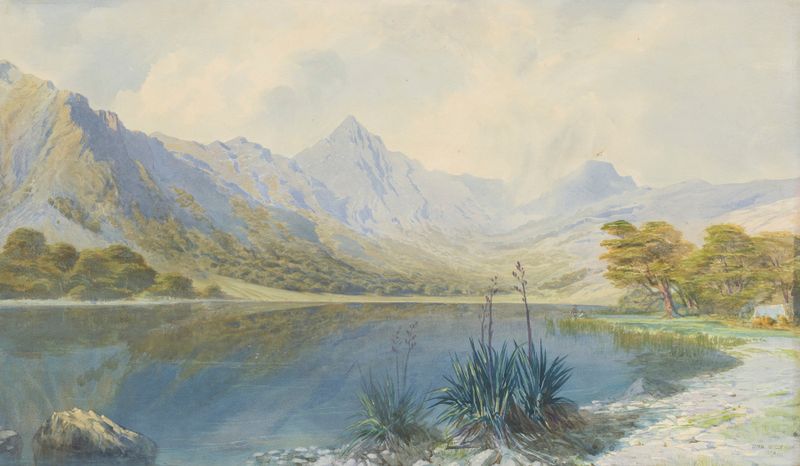
Lake scene (Lake Te Wharau)
John Gully
Mount Cook
John Gully

Tongariro, Ngauruhoe and Ruapehu, Central North Island
John Gully

Lake Wakatipu
John Gully

New Zealand bush scene
John Gully
Upriver scene, Wanganui
John Gully

Paekakariki
John Gully





