
L´Allée des marronniers au Jas de Bouffan — History & Facts
Did the painter know this moment would outlive them? In L´Allée des marronniers au Jas de Bouffan, the colors bleed into one another, capturing a fleeting essence of nature that speaks of both presence and absence, of beauty tinged with loss. Focus first on the vibrant greenery that envelops the pathway, a cascade of rich greens and soft browns. Notice how the light filters through the leaves, illuminating patches of the ground with a gentle glow. The brushstrokes convey a sense of movement, as if the trees themselves whisper secrets to one another, while the serene path invites contemplation.
Each stroke, layered and deliberate, creates depth that draws you in, suggesting the interplay of light and shadow, presence and nostalgia. As you delve deeper, consider the emotional tension woven into this idyllic scene. The calmness of the path contrasts with the looming sense of loss inherent in its quietude. Is this a celebration of nature’s beauty, or a lament for its fleeting moments? In the distance, the trees seem to stand guard, witnessing the passage of time and the inherent fragility of existence—an echo of the artist's own grappling with mortality. During the years 1890-1895, Cézanne was at a pivotal moment in his career, residing in Aix-en-Provence and immersing himself in the landscapes of his youth.
The art world was evolving rapidly, with movements like Impressionism challenging traditional norms. Yet, he remained committed to his unique vision of form and color, seeking to capture the eternal in the transitory—an artist determined to leave a mark that would resonate long after he himself had faded away.
More Artworks by Paul Cezanne
Browse all →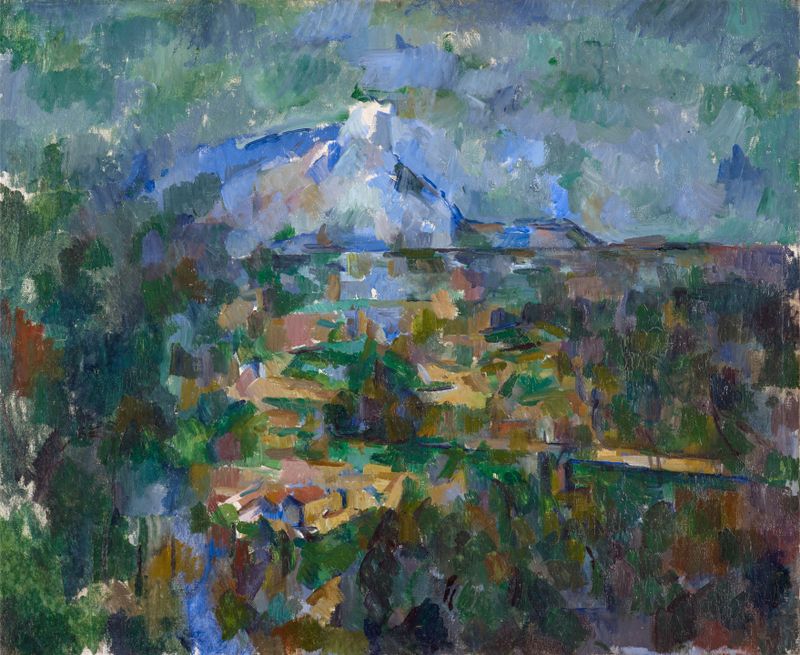
The Mont Sainte-Victoire Seen From Les Lauves
Paul Cezanne
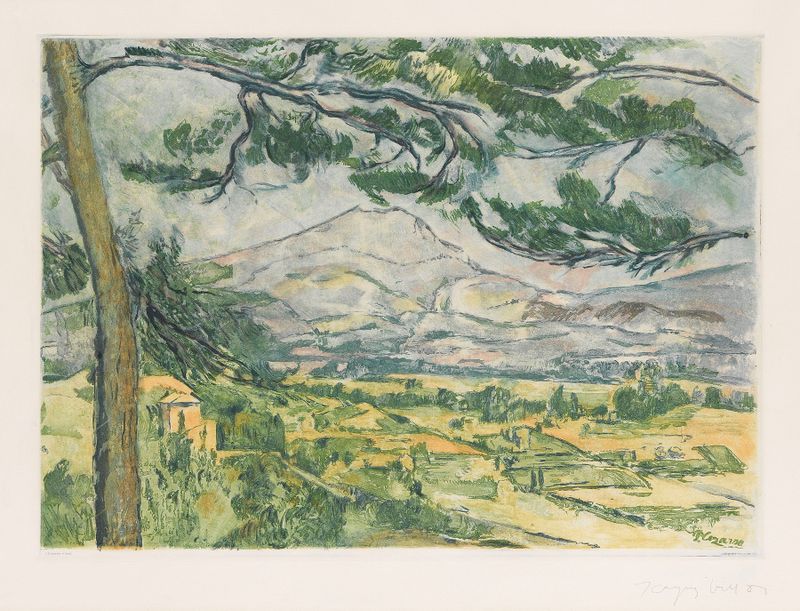
La Montagne Sainte-Victoire
Paul Cezanne
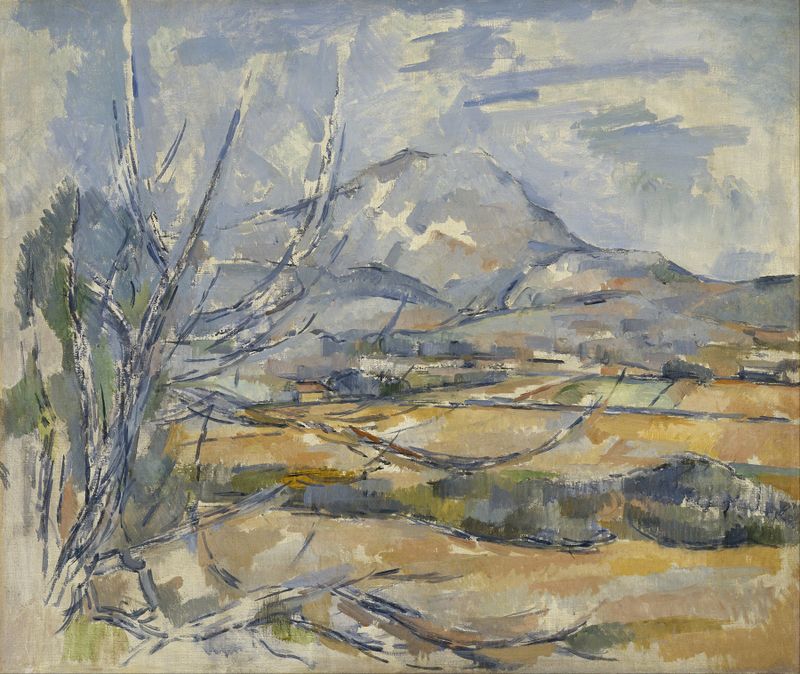
Montagne Sainte-Victoire
Paul Cezanne
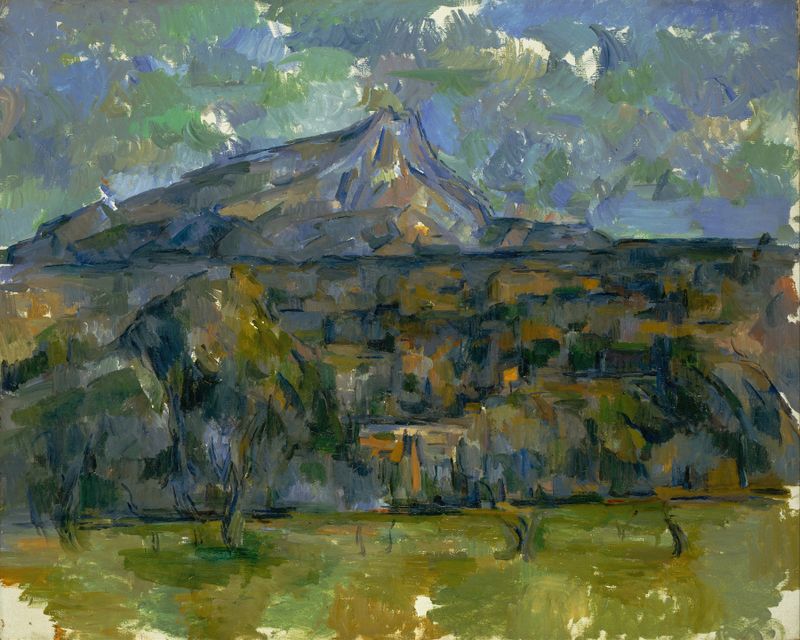
Mont Sainte-Victoire
Paul Cezanne
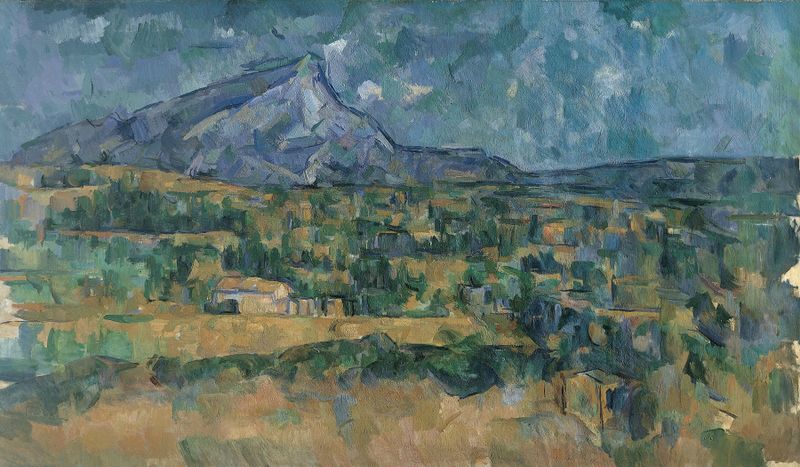
Mont Sainte-Victoire
Paul Cezanne
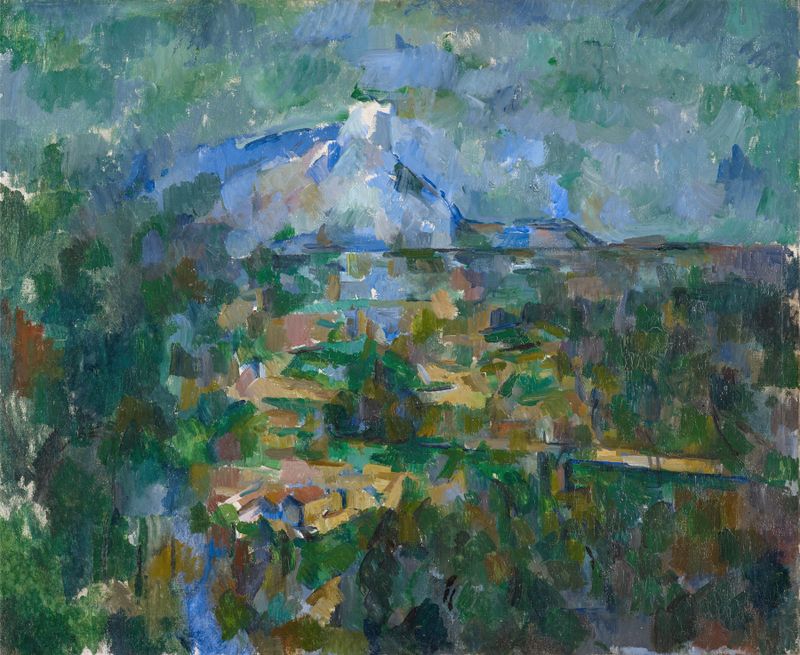
View of Mount Sainte-Victoire from Les Lauves
Paul Cezanne
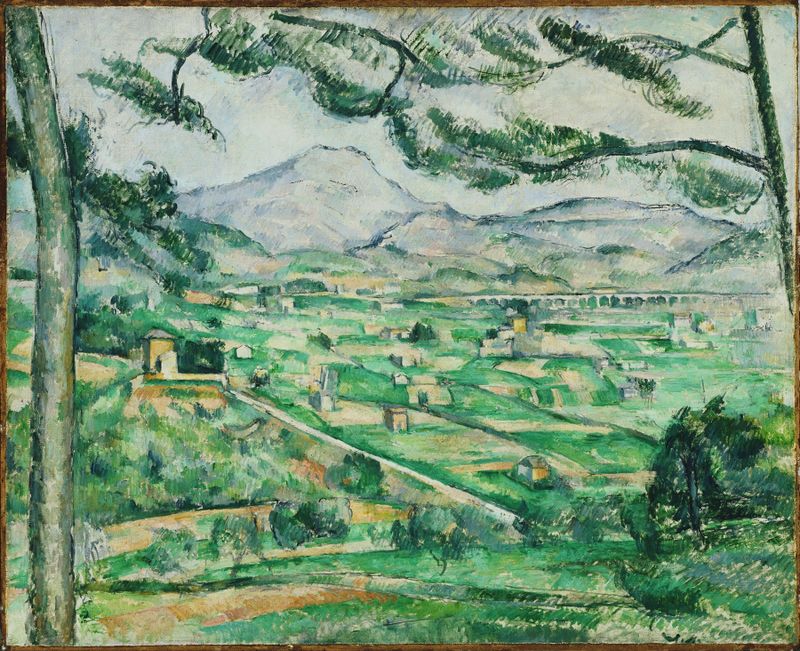
Mont Sainte-Victoire 2
Paul Cezanne

The Basket of Apples
Paul Cezanne

Mount Sainte-Victoire
Paul Cezanne
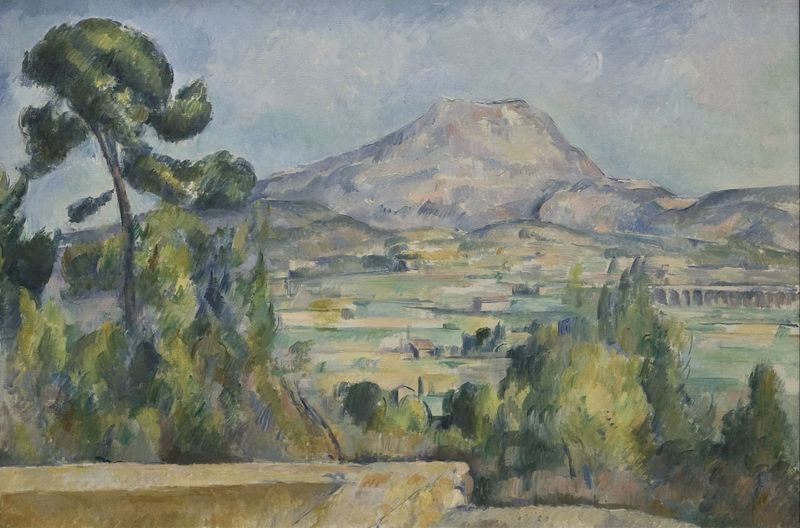
Montagne Saint-Victoire
Paul Cezanne





