
Landscape — History & Facts
Can paint confess what words never could? In the hands of a master, a landscape becomes a sanctuary for the soul, a realm where serenity reigns beyond the chaos of life. Look to the horizon where the gentle undulations of rolling hills cradle a sky brushed with soft pastels. The delicate interplay of greens and blues invites the viewer to embrace the tranquility of nature. Notice how the light dances across the canvas, illuminating patches of wildflowers and casting tender shadows that breathe life into the scene.
Each stroke is deliberate, creating a rhythm that guides the eye from foreground to background, evoking a sense of harmony. Yet, beneath this calm surface lies a deeper narrative. The juxtaposition of vibrant colors with muted tones reflects the complexities of existence, hinting at the fragile balance between joy and melancholy. Each element—be it the lone tree or the distant farmhouse—carries a weight of memory, a whisper of stories untold.
In this landscape, the stillness conceals a pulse, reminding us that serenity often coexists with hidden turmoil. In the second half of the 19th century, the artist explored rural scenes during a period of great artistic transformation in France. At this time, Camille Pissarro was finding his voice within the Impressionist movement, seeking to capture the essence of everyday life. His dedication to portraying natural beauty was a response to the industrial changes sweeping through Europe, allowing him to convey a sense of peace amid the shifting landscape of modernity.
More Artworks by Camille Pissarro
Browse all →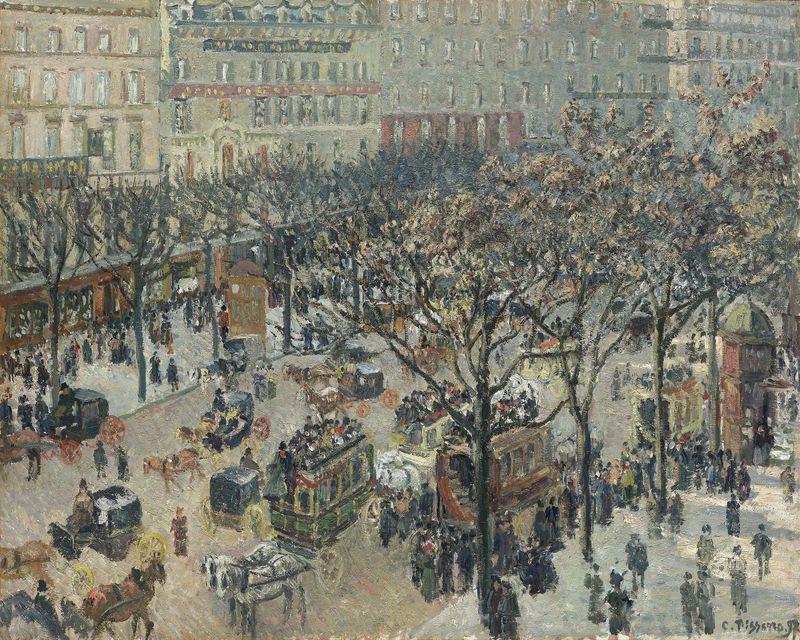
Boulevard des Italiens,Morning_Sunlight
Camille Pissarro
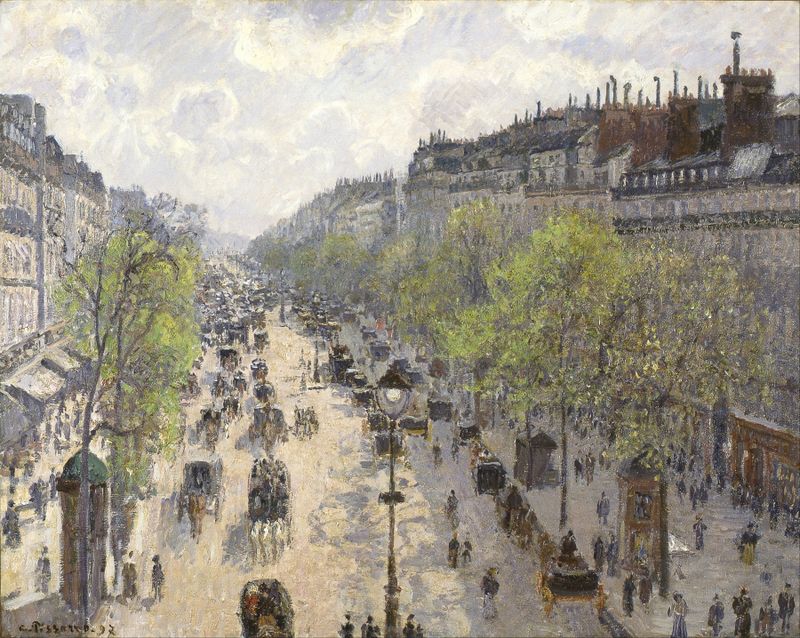
Boulevard Montmartre, Spring
Camille Pissarro
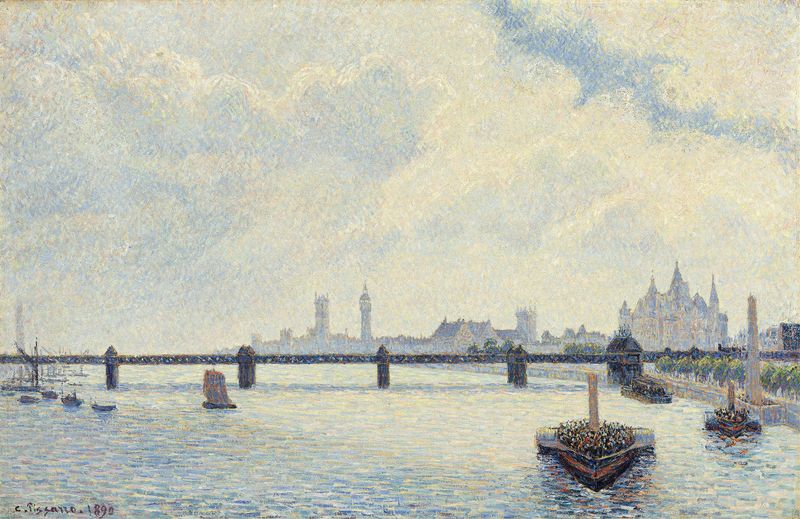
Charing Cross Bridge,London
Camille Pissarro
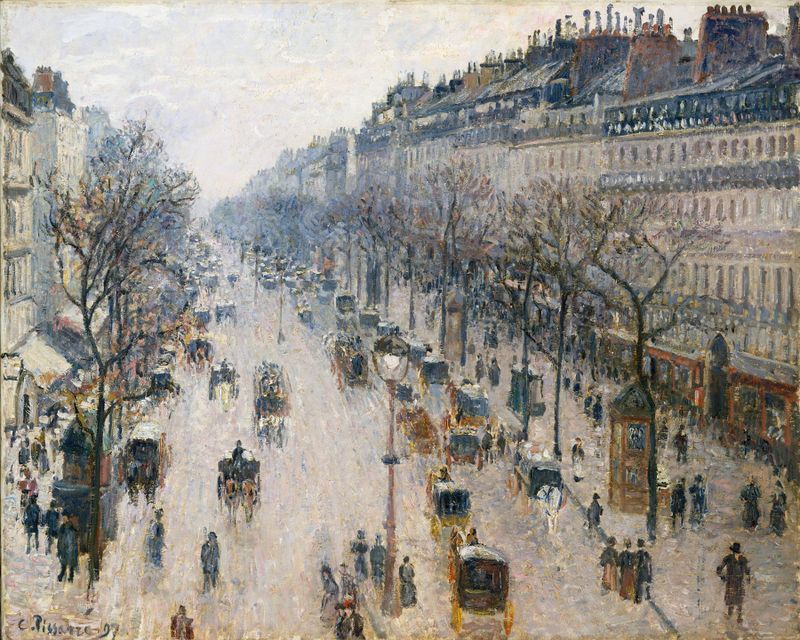
The Boulevard Montmartre on a Winter Morning
Camille Pissarro
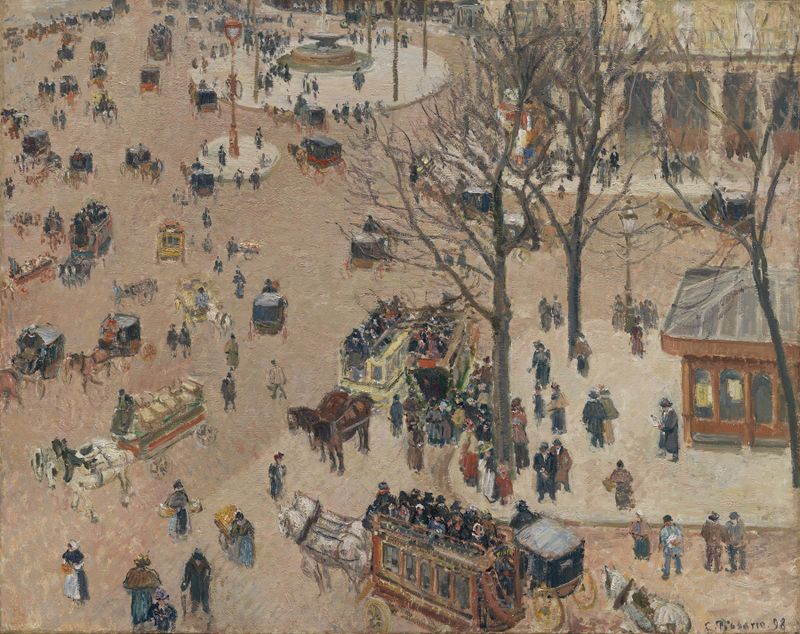
La Place du Théâtre Français
Camille Pissarro

Rue Saint-Lazare, Paris
Camille Pissarro
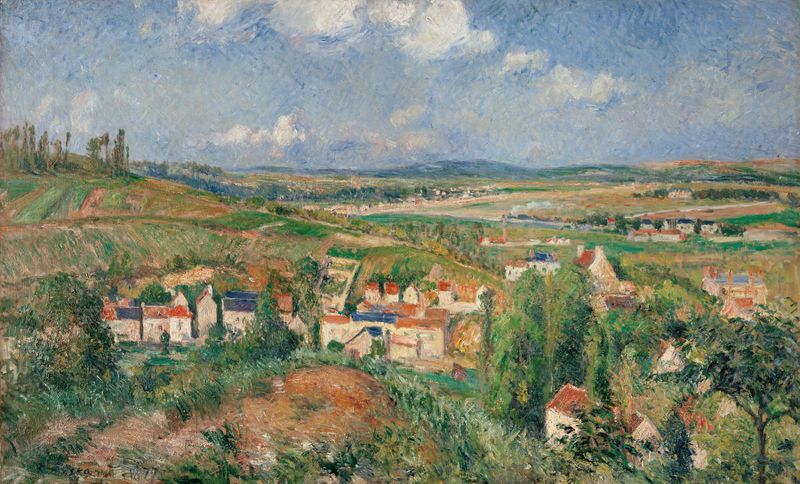
L’hermitage En Été, Pontoise
Camille Pissarro

Place du Theatre Francais,Fog Effect
Camille Pissarro
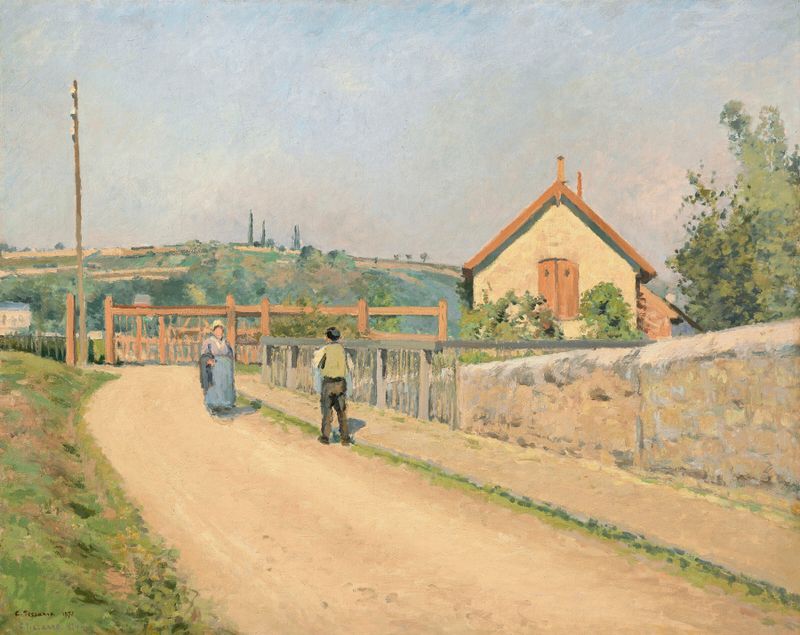
La barrière du chemin de fer, aux Pâtis près Pontoise
Camille Pissarro
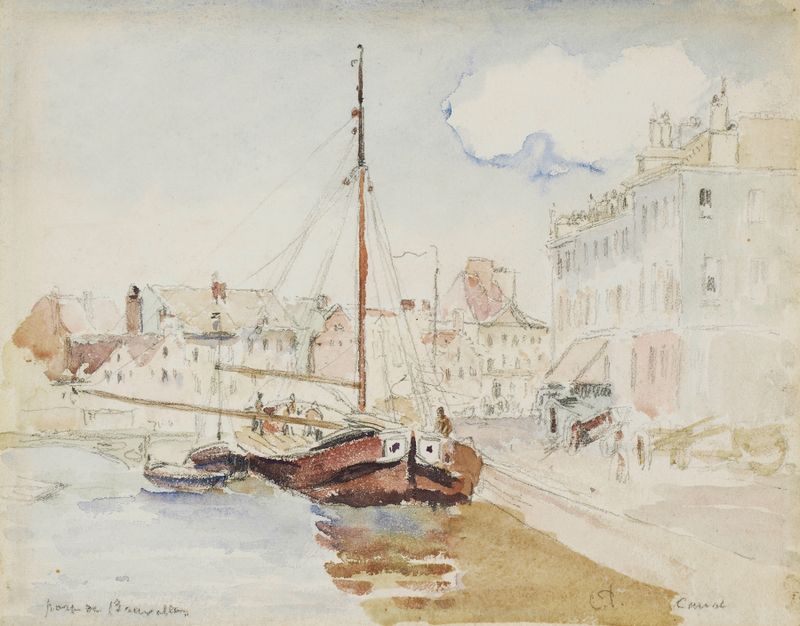
Port de Bruxelles
Camille Pissarro





