
Landscape — History & Facts
What if beauty was never meant to be finished? This notion lingers in the air, whispering of the fleeting moments that evoke a sense of awakening within us. Look to the canvas, where soft colors blend seamlessly—the sky unfolds in delicate shades of azure, while the earth is painted in warm, inviting greens. Focus on the gentle brushstrokes that shape the rolling hills, embracing the viewer with a sense of tranquility and openness. The light filters through the trees, illuminating the scene with a golden glow, inviting contemplation.
Each detail, from the rhythmic patterns of the foliage to the gentle sway of grass, embodies the artist's skill in capturing the essence of nature. Beneath the surface, there lies an emotional tension; the juxtaposition of the vibrant landscape against the stillness of the moment suggests a world on the brink of discovery. The harmonious composition hints at an awakening, as if the landscape itself breathes, alive with potential. This sense of anticipation resonates with the viewer, evoking a longing to step into the scene and experience the beauty firsthand.
The untouched quality of the terrain reflects not only the natural world but also the inner journey of exploration and self-discovery. In 1905, during a transformative period in Polish art, the artist immersed himself in the study of impressionism, seeking to infuse his landscapes with light and color that transcended mere representation. Landscape represents a pivotal moment for the artist, as he navigated his own artistic evolution while witnessing the broader shifts in European art. It was a time filled with both challenges and newfound possibilities, shaping his unique vision of beauty and awakening in the world around him.
More Artworks by Jan Stanisławski
Browse all →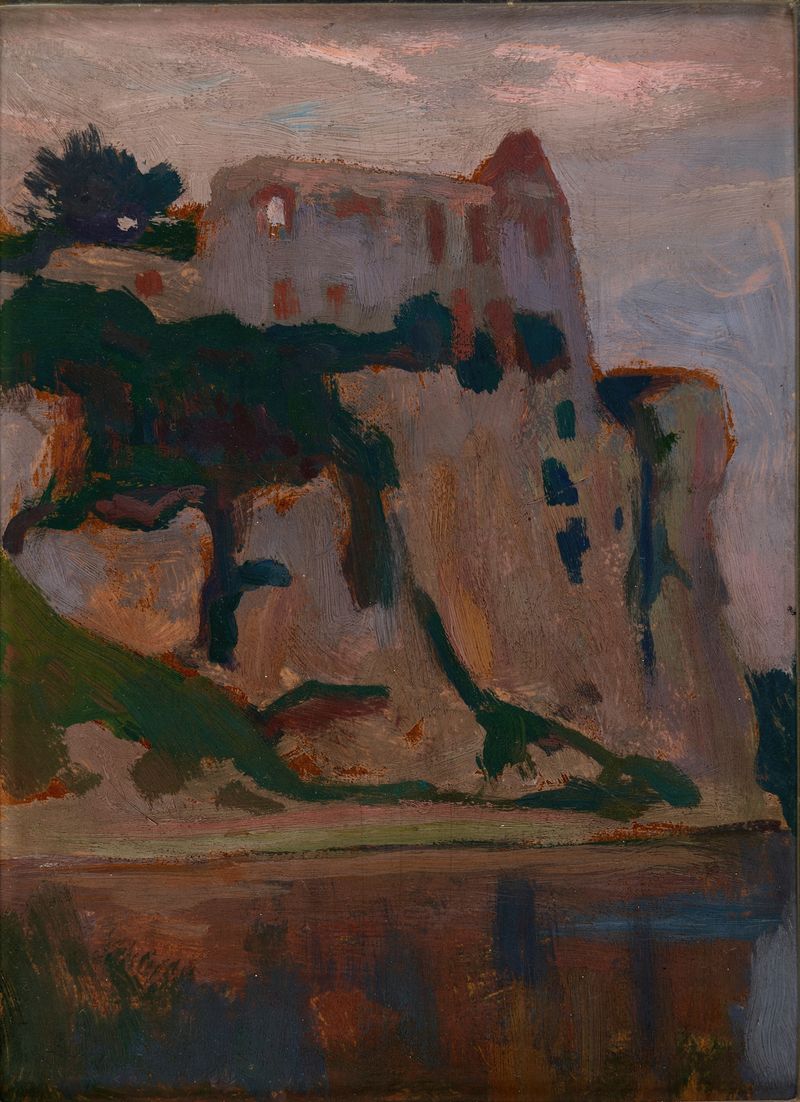
Tyniec at Dawn
Jan Stanisławski
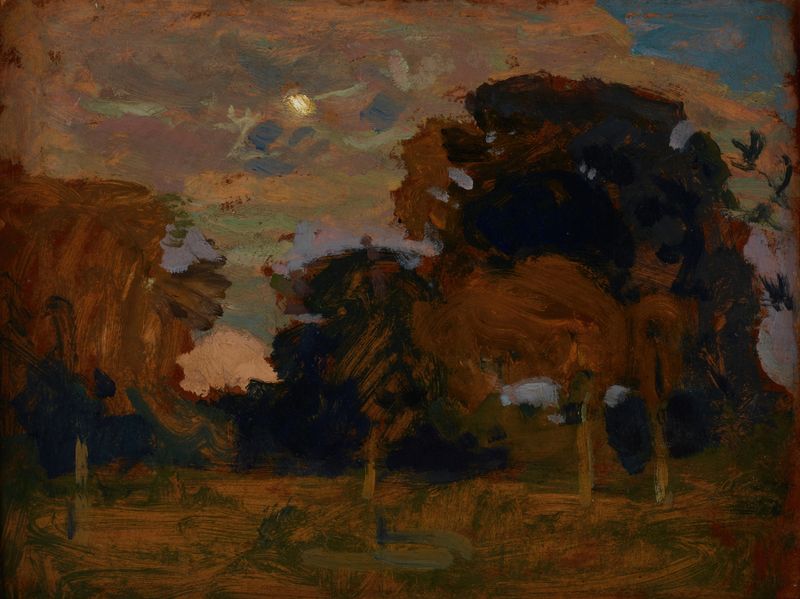
Moon in the Clouds
Jan Stanisławski
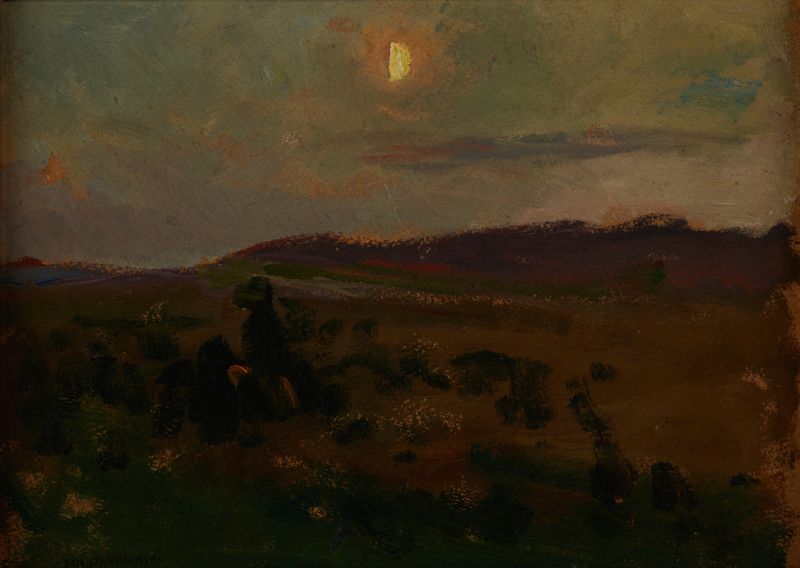
Moonrise
Jan Stanisławski
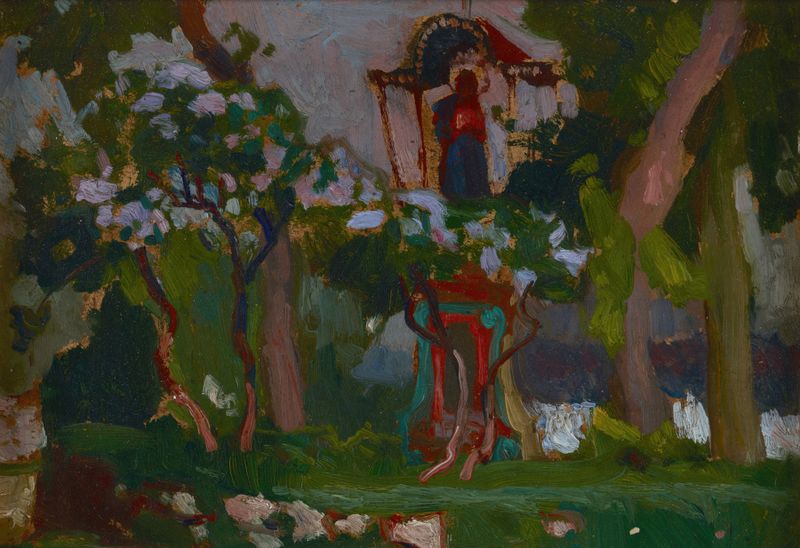
May
Jan Stanisławski
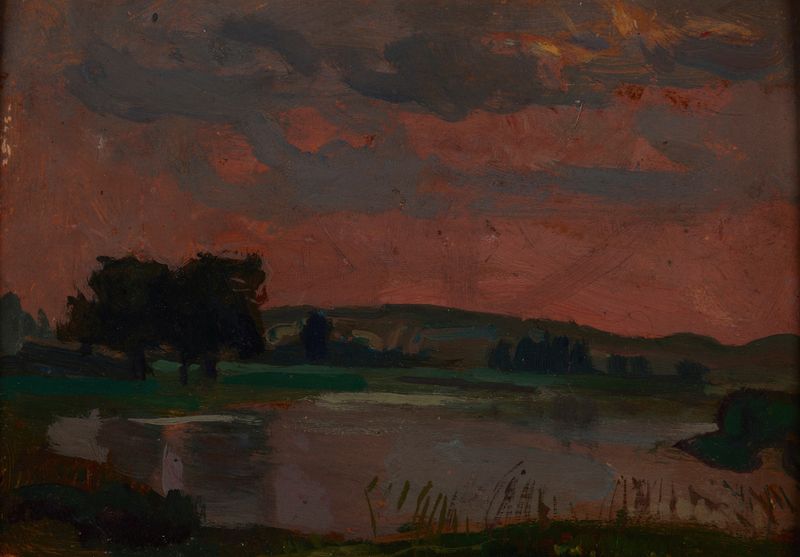
The Vistula in the Twilight
Jan Stanisławski
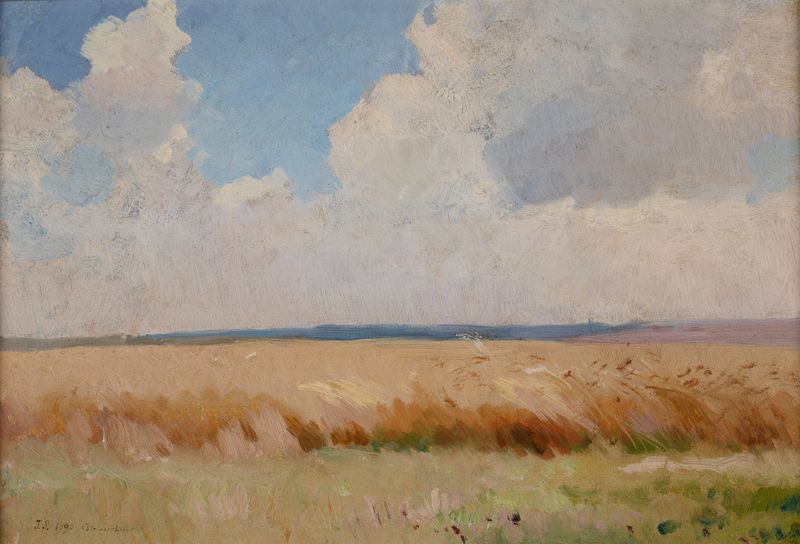
Field at Białocerkiew (Bila Tserkva)
Jan Stanisławski
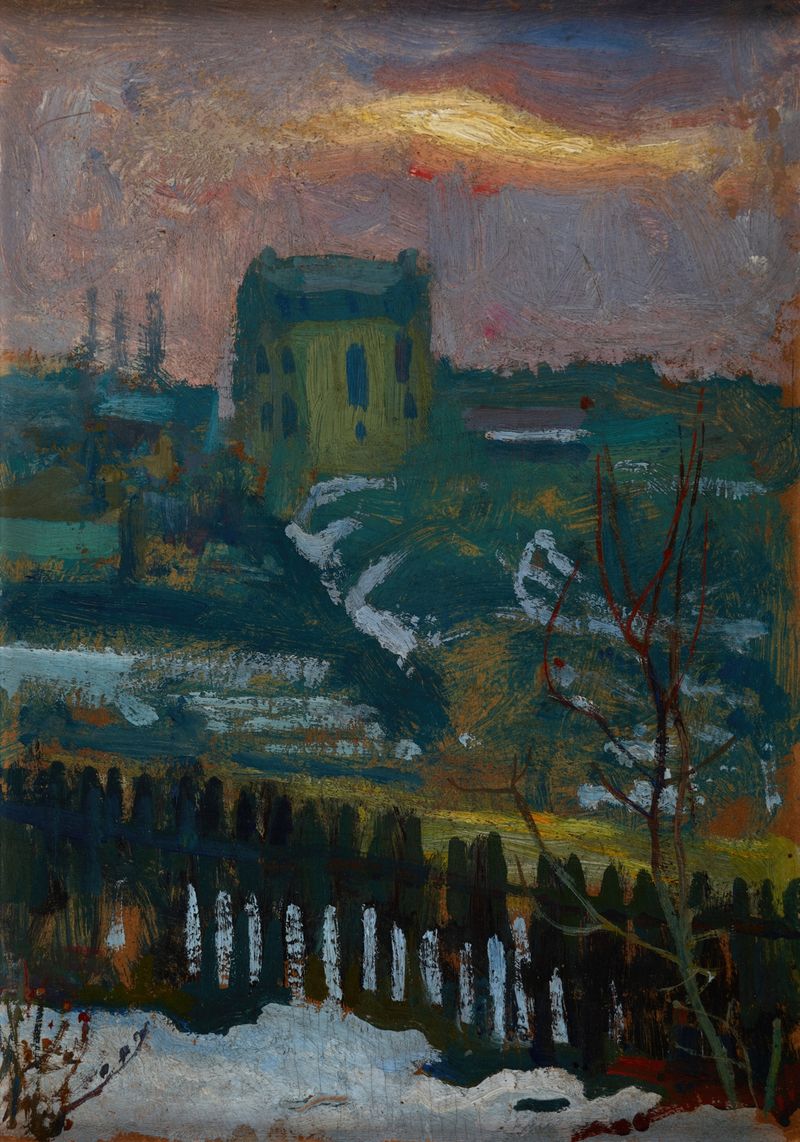
House in Winter
Jan Stanisławski
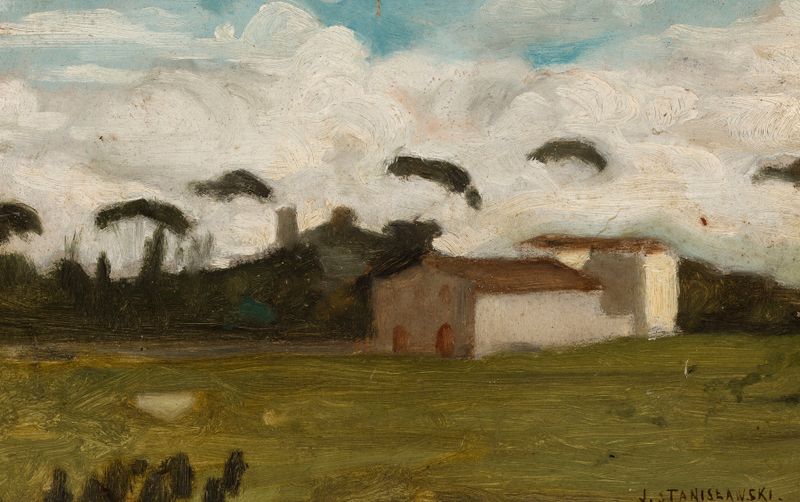
Landscape
Jan Stanisławski
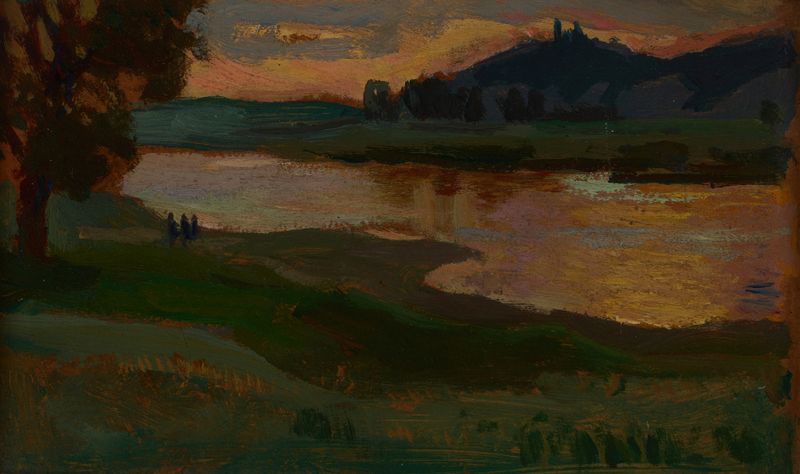
Bielany at Dusk
Jan Stanisławski
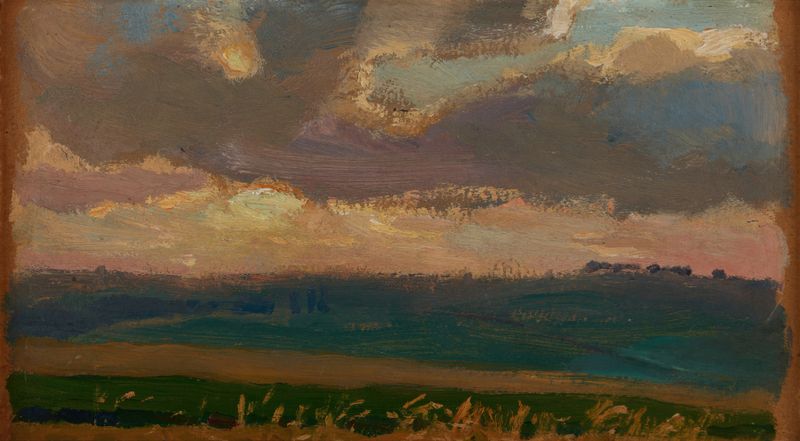
Fields at Proszowice
Jan Stanisławski





