
Landscape — History & Facts
In the midst of transience, hope quietly unfurls within every brushstroke, reminding us of nature’s enduring spirit. Look to the foreground, where a gentle stream weaves through the landscape, its surface shimmering with soft reflections of the surrounding vegetation. Notice how the light delicately bathes the lush greenery, creating a symphony of greens and browns that evoke a sense of serenity. The composition draws the eye into the distance, where a hazy horizon hints at the infinite possibilities beyond, inviting viewers to lose themselves in the tranquility of this natural world. Underneath the serene surface, there is a quiet tension between the vibrant colors and the soft, almost ethereal quality of the light.
The contrast of dark and light grounds the viewer, while the swirling forms suggest movement, as if the landscape itself breathes. Each element – from the delicate trees to the winding path – speaks to the transitory nature of life, yet they collectively embody a sense of hope and renewal that transcends the moment captured. In the years between 1890 and 1895, Twachtman painted this piece during a pivotal time in American art as the Impressionist movement gained momentum. Living in Connecticut, he found inspiration in the natural beauty surrounding him, grappling with both personal and artistic evolution.
This period marked a deepening connection to the outdoors, as Twachtman sought to capture the ephemeral light and color of his surroundings, positioning him as an important figure within the American Impressionist landscape.
More Artworks by John Henry Twachtman
Browse all →
Hemlock Pool
John Henry Twachtman

Waterfall
John Henry Twachtman
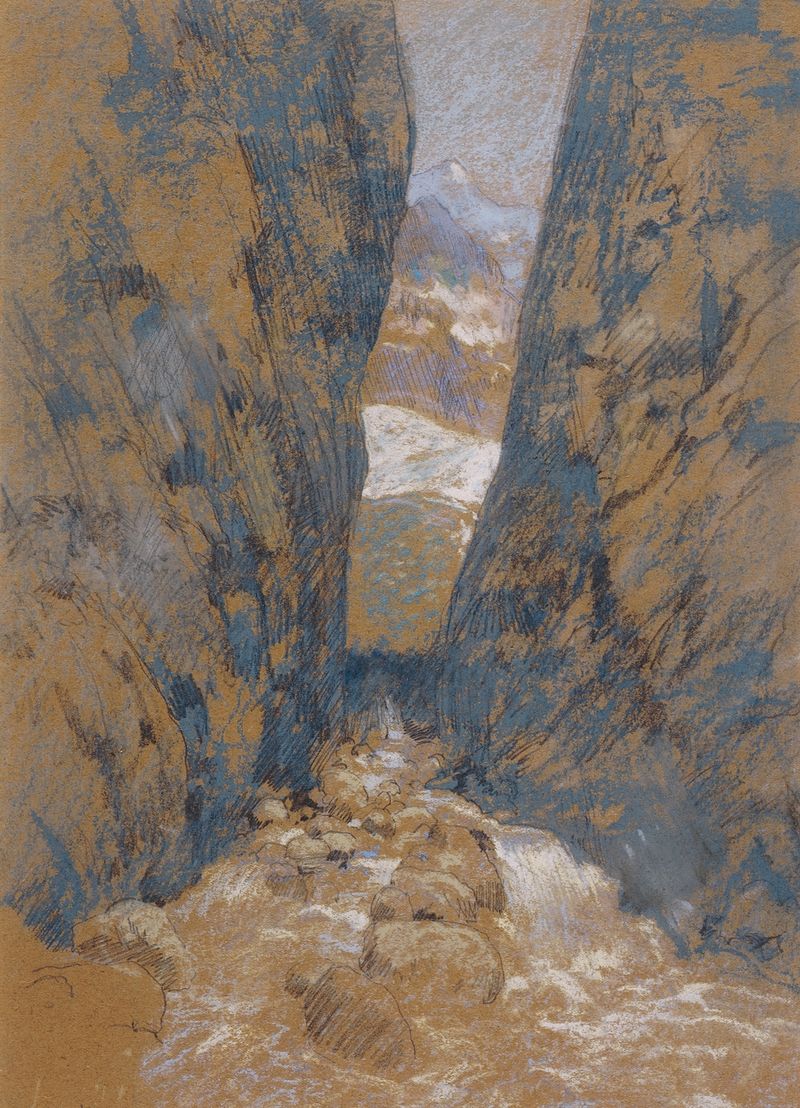
A Mountain Gorge
John Henry Twachtman

The White Bridge
John Henry Twachtman

Snow
John Henry Twachtman

Icebound
John Henry Twachtman
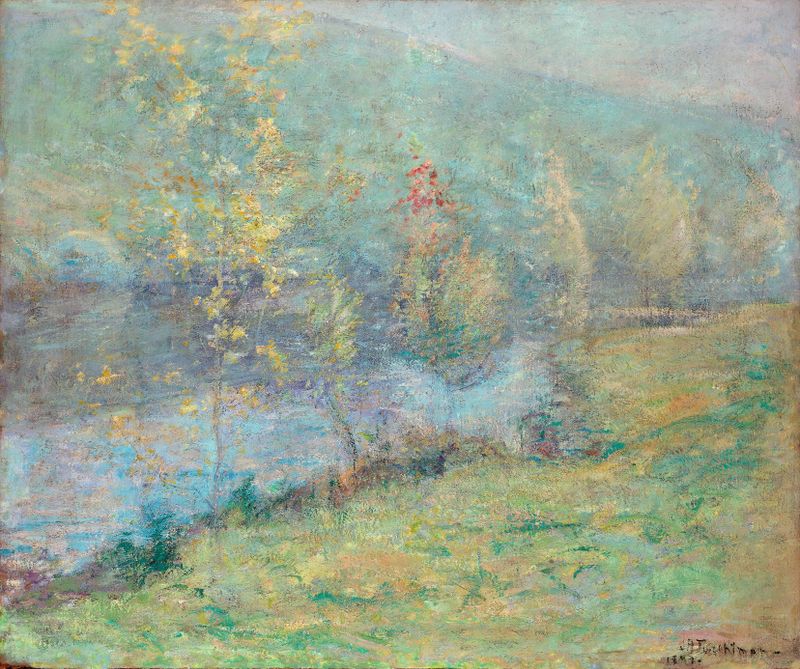
Misty May Morn
John Henry Twachtman
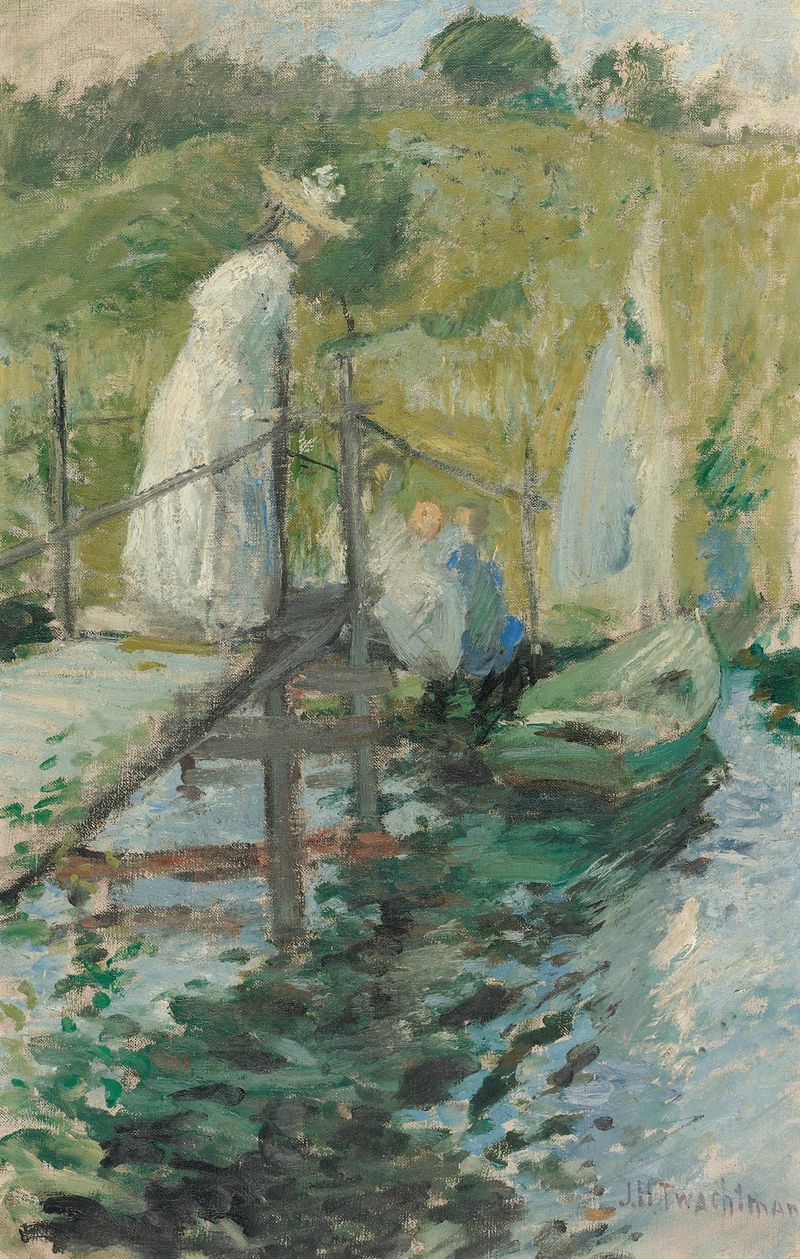
Summer Afternoon
John Henry Twachtman
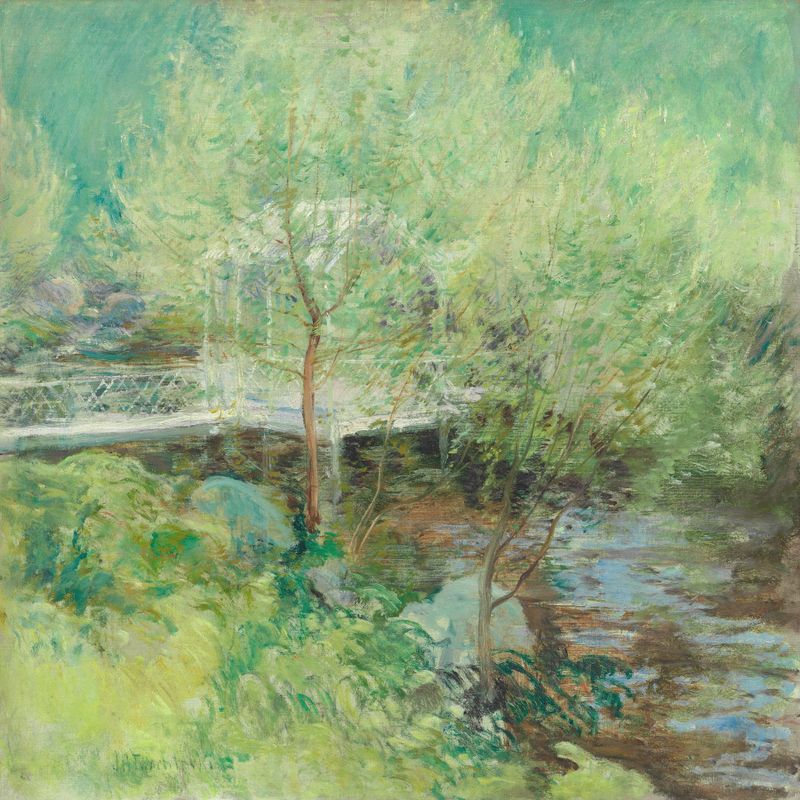
The White Bridge
John Henry Twachtman

Niagara Falls
John Henry Twachtman





