
Landscape — History & Facts
In the quiet realm of art, grief often resides in the spaces we overlook. It whispers through the brushstrokes and breathes in the textures, inviting contemplation. Look to the bottom of the canvas, where the gentle rise of a hill greets a tranquil sky painted in muted hues. The earthy greens and browns, layered with soft strokes, guide your gaze upward, where ethereal blues blend subtly into one another.
Notice how the light seems to pour softly over the landscape, bathing it in a serene glow that delicately captures a moment suspended in time, revealing the artist’s mastery of atmosphere. Here lies a profound contrast between the vibrant foreground and the distant, almost ethereal backdrop. The delicate interplay of light and shadow suggests the passage of time, while the layers of color evoke a sense of longing and bittersweet nostalgia. Each brushstroke carries the weight of unspoken emotions, reflecting not only the beauty of nature but also an underlying sense of loss that permeates the scene. Inness created this piece in 1888, during a period of personal reflection and profound change.
Living in the United States, his work began to embody the ideals of transcendentalism, reflecting a deep connection to nature and the human experience. This was also a time when the American art scene was evolving, moving toward a greater appreciation of landscape painting as a vehicle for emotional expression, capturing both the beauty and the fragility of existence.
More Artworks by George Inness
Browse all →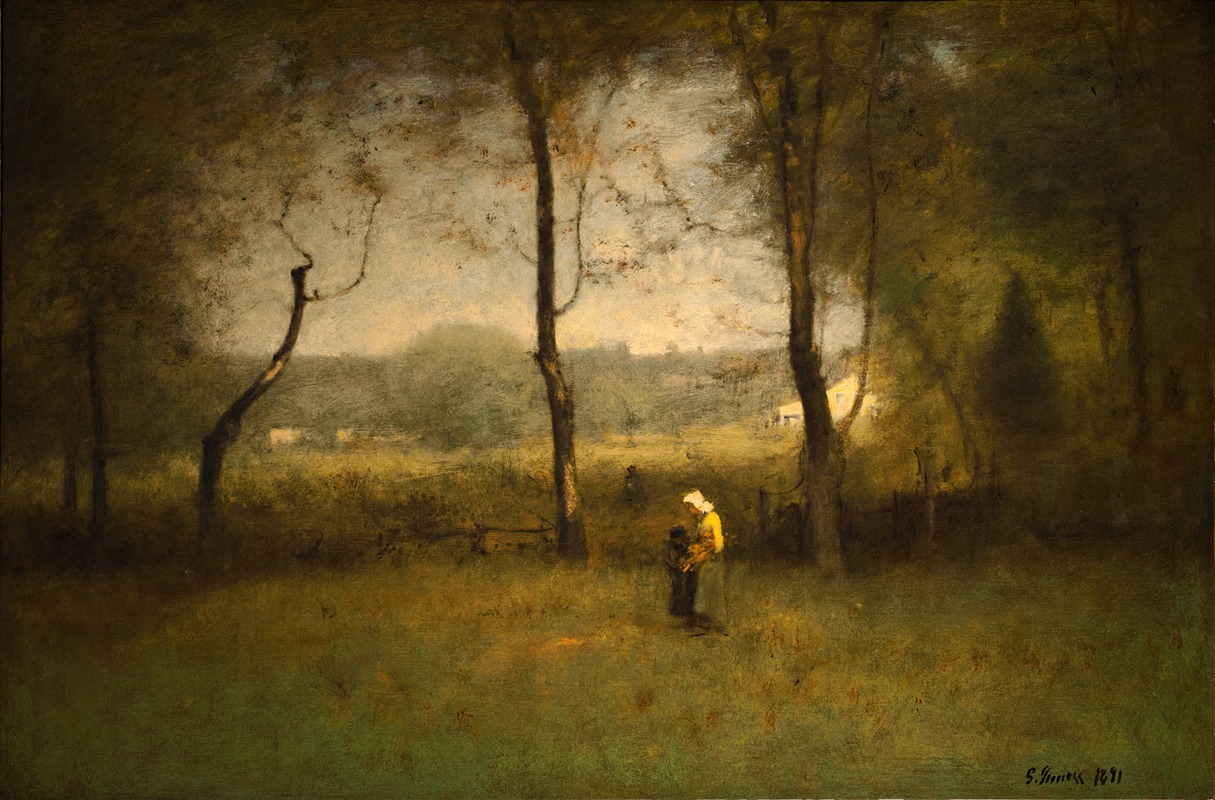
Autumn Woods
George Inness
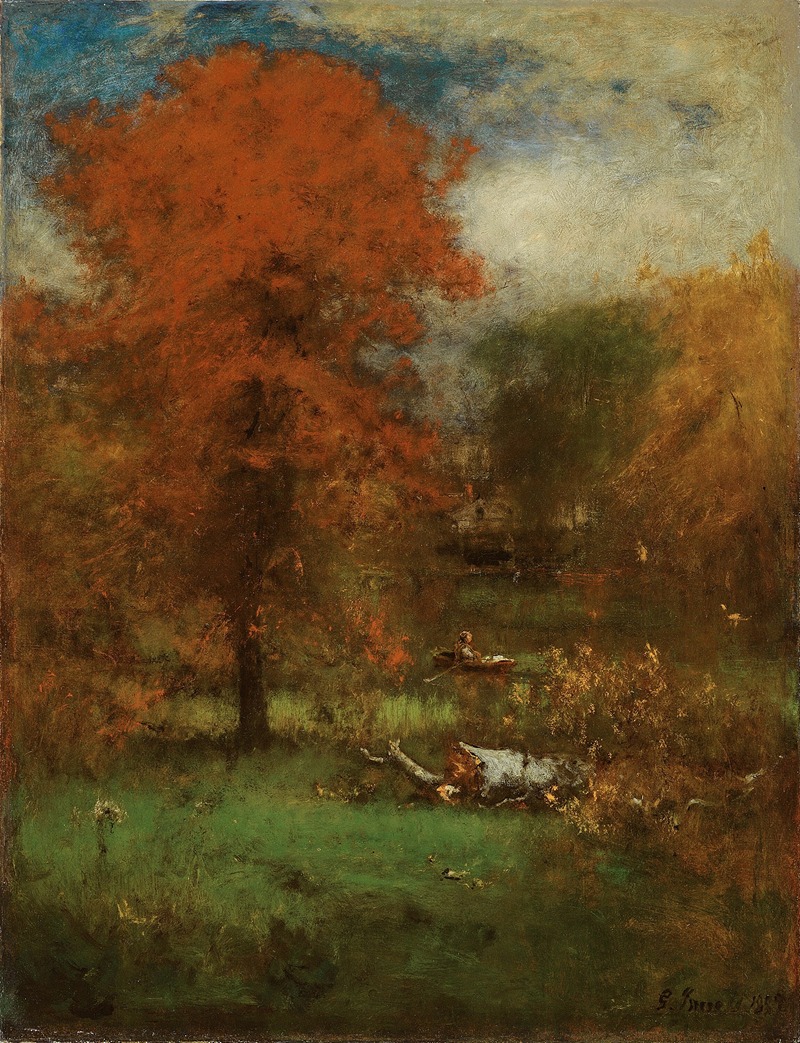
The Mill Pond
George Inness
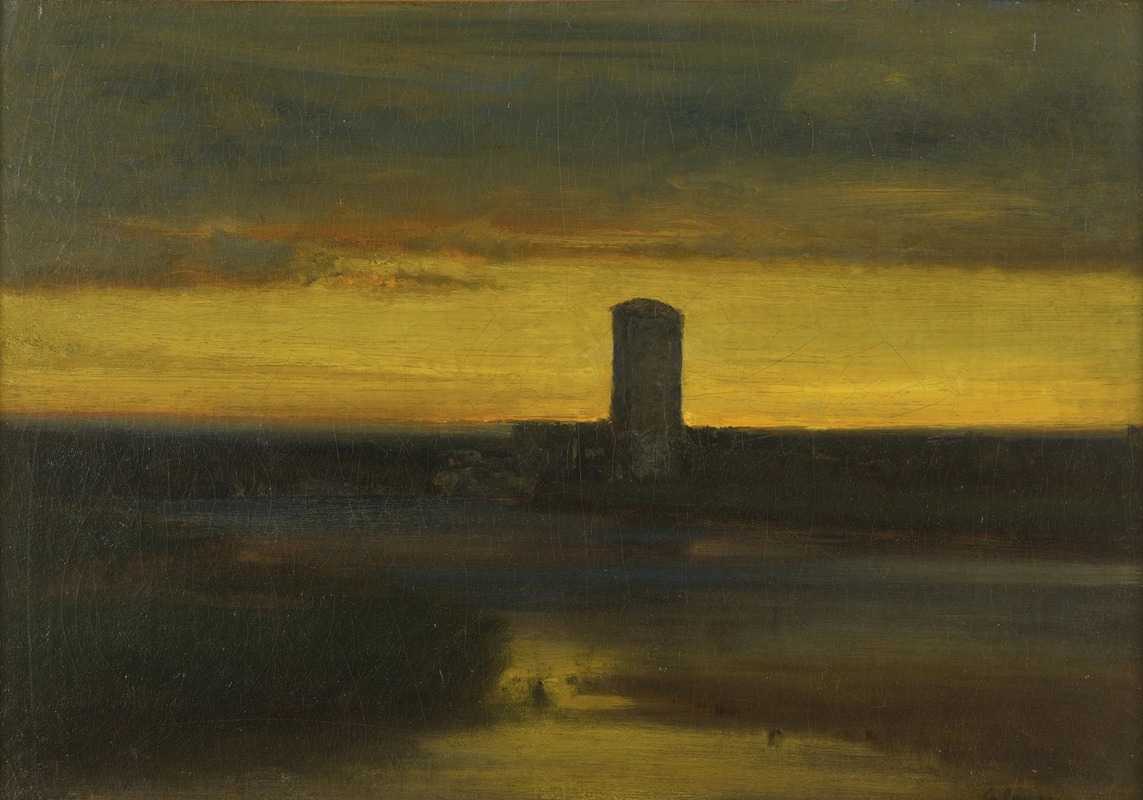
Afterglow
George Inness
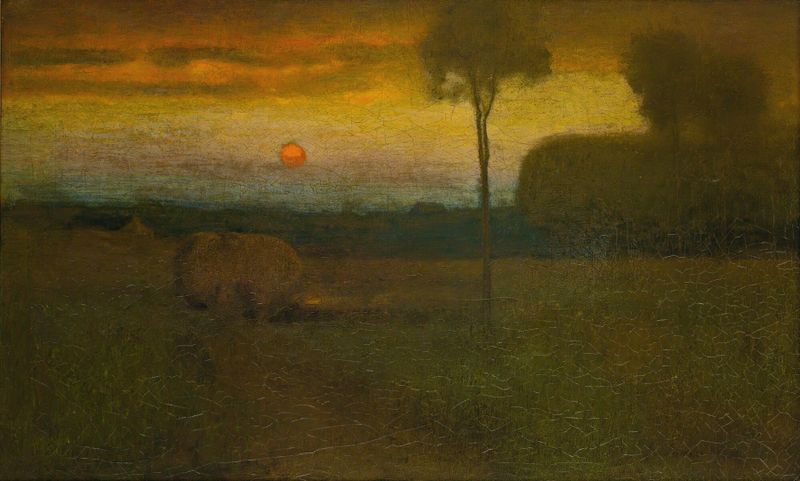
Landscape (Evening Landscape)
George Inness

Montclair
George Inness

View in Berkshire County, Massachusetts, Clearing Off after a September Storm
George Inness

October
George Inness
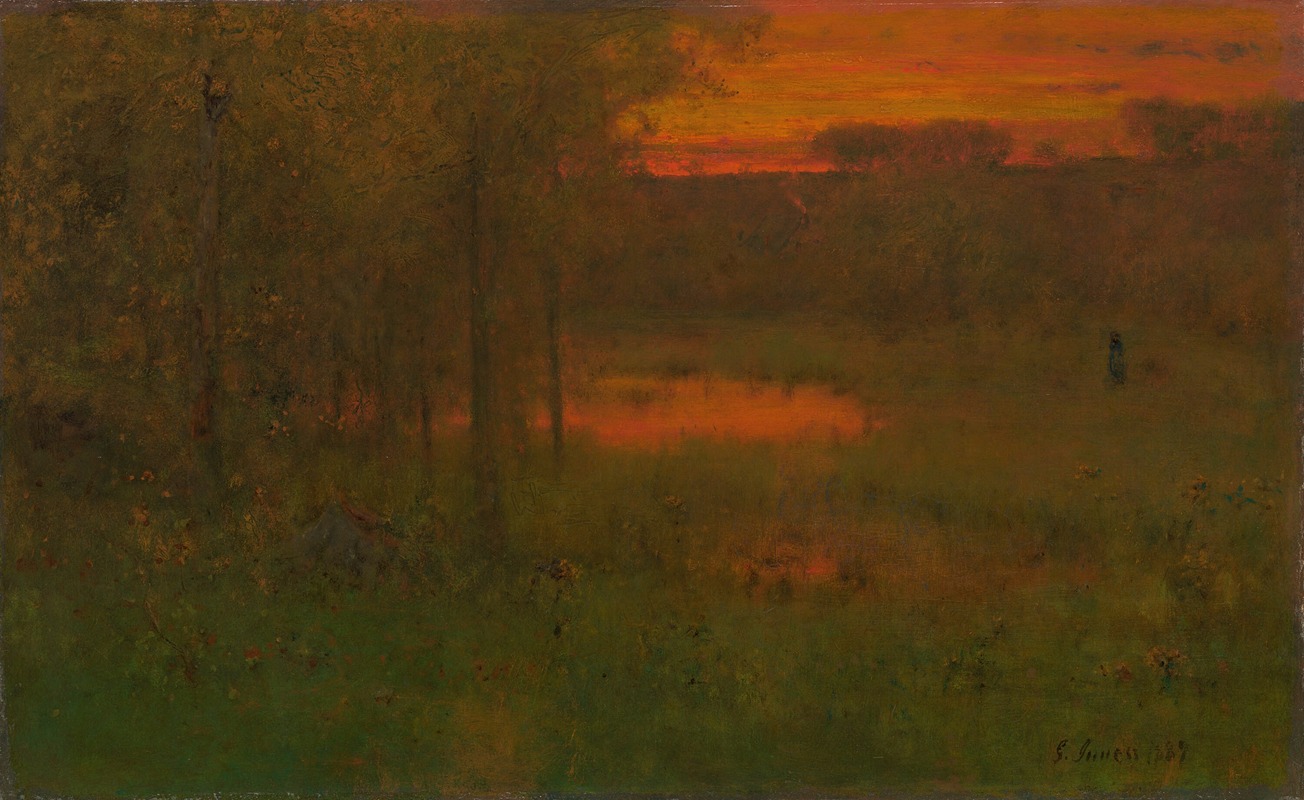
Landscape, Sunset
George Inness
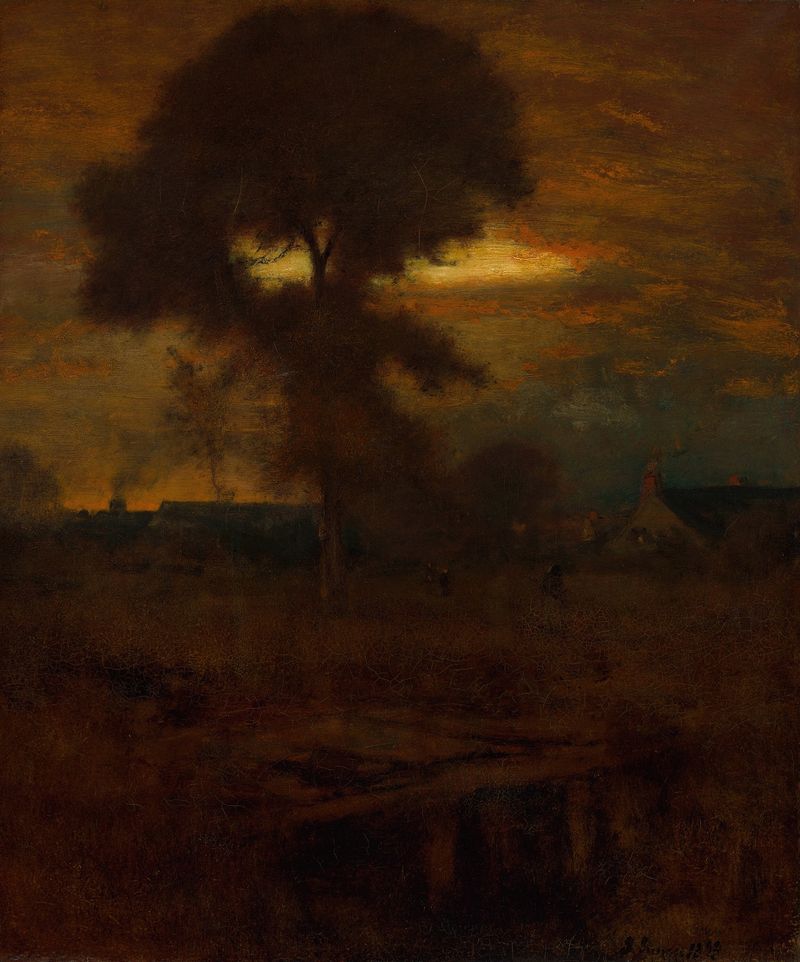
Afterglow
George Inness
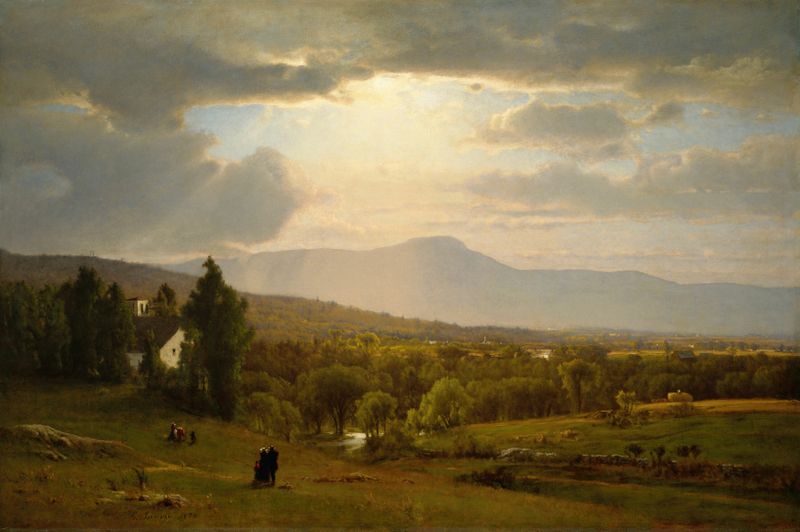
Catskill Mountains
George Inness





