
Landscape — History & Facts
A path draws you in, its muddy ruts leading the eye straight toward a pale, glowing horizon. The trees, rendered in thick, textured strokes, crowd in from either side, their forms dissolving into shadows and russet tones. Here, the drama is not in a grand event or a cast of figures, but in the hush before something—dusk, perhaps, or the promise of a clearing beyond the trees.
The light, an almost unnatural ochre, commands the center, pushing the foliage into darkness and setting the mood somewhere between anticipation and solitude. Every brushstroke feels urgent, as if Adolphe Joseph Thomas Monticelli wanted to trap the fading light before it vanished. Works like this emerged from a 19th-century France captivated by landscape, as painters turned away from classical vistas and toward the fleeting, personal experience of nature. Monticelli, though less widely known than some of his contemporaries, was part of a restless generation experimenting with color and texture—qualities that would later inspire the Impressionists.
The exact date and medium of this Landscape remain uncertain, and history has kept few traces of its early life. Today, it finds a home in the National Gallery of Greece, a quiet testament to the era’s fascination with mood and memory. Stand before it, and you may find yourself following that path into the unknown.
More Artworks by Adolphe Monticelli

Portrait of a Lady
Adolphe Monticelli
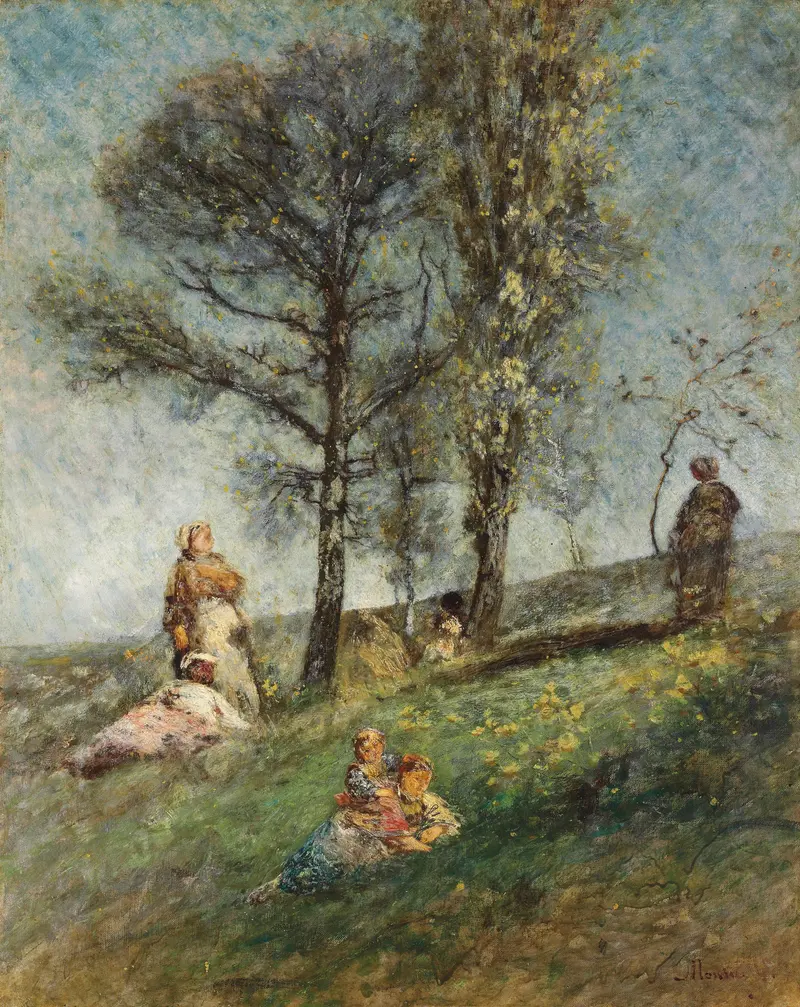
A Young Family Under Trees On A Hill
Adolphe Monticelli

Fête d'Après-Midi
Adolphe Monticelli
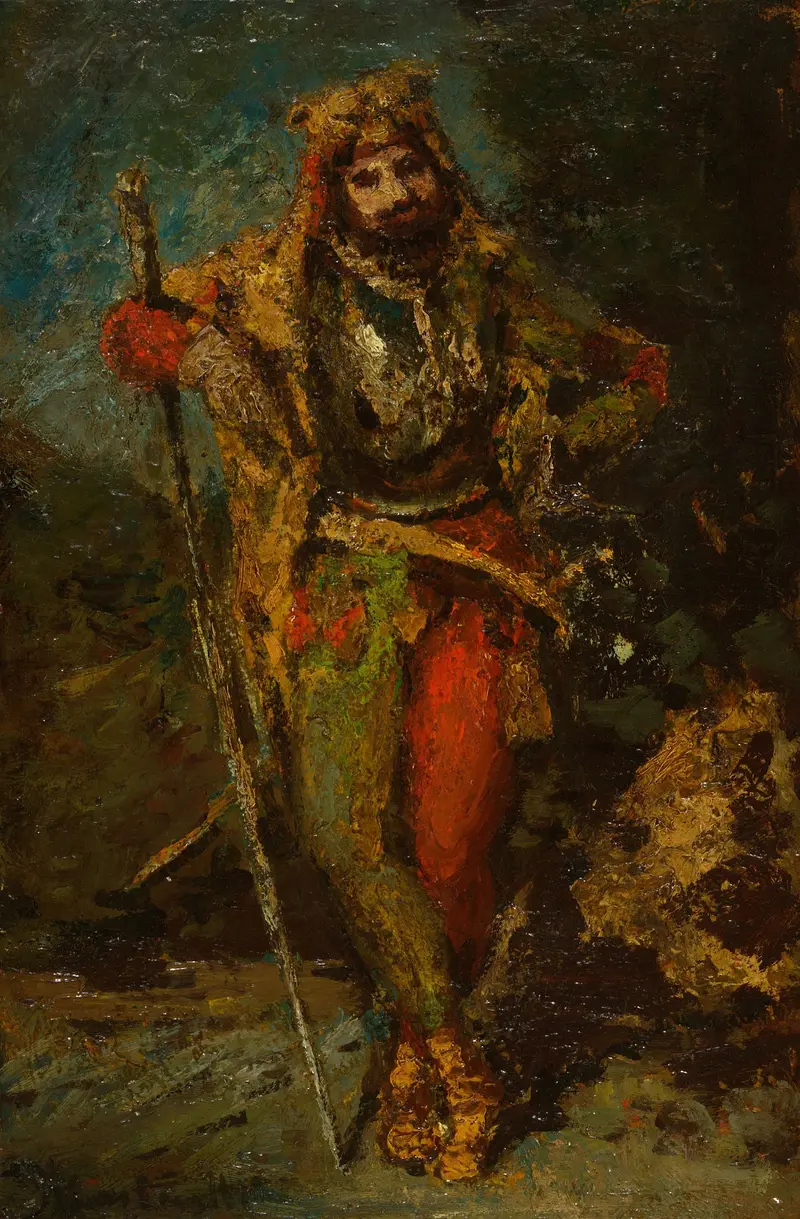
Mephisto from the Opera Faust
Adolphe Monticelli
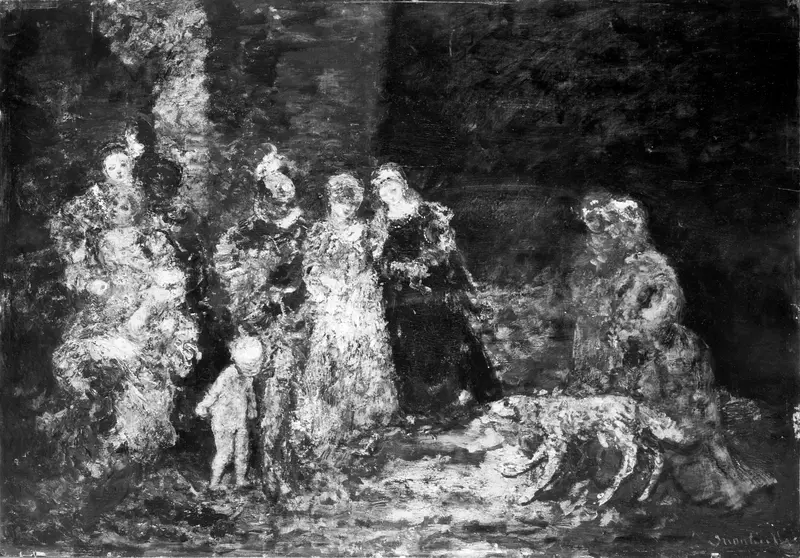
The Fairies
Adolphe Monticelli
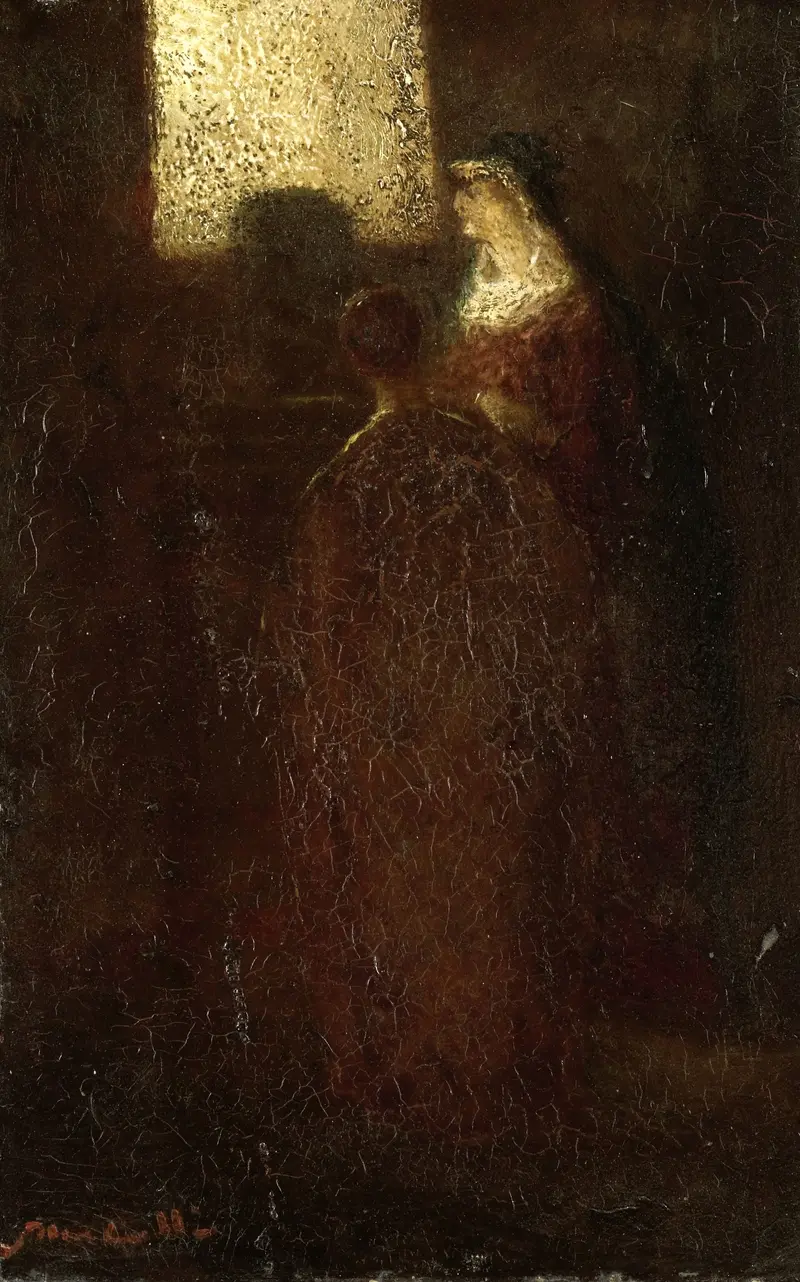
Aan het altaar
Adolphe Monticelli
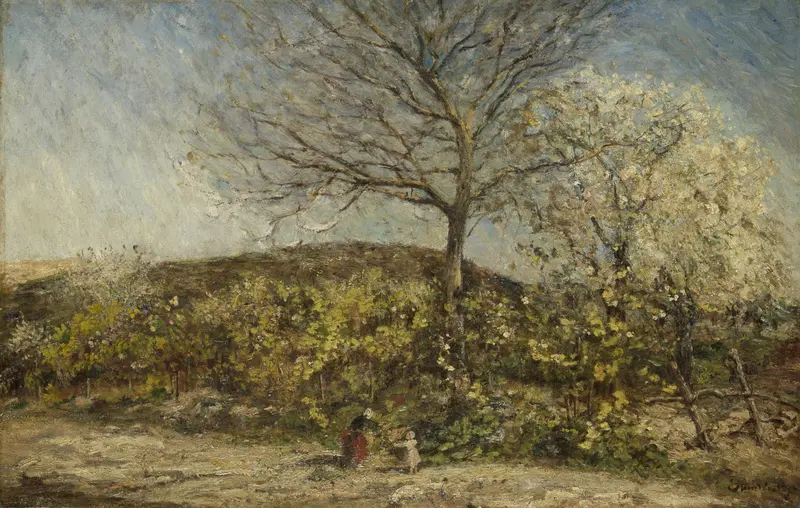
Landschap met bloeiende boomgaard
Adolphe Monticelli
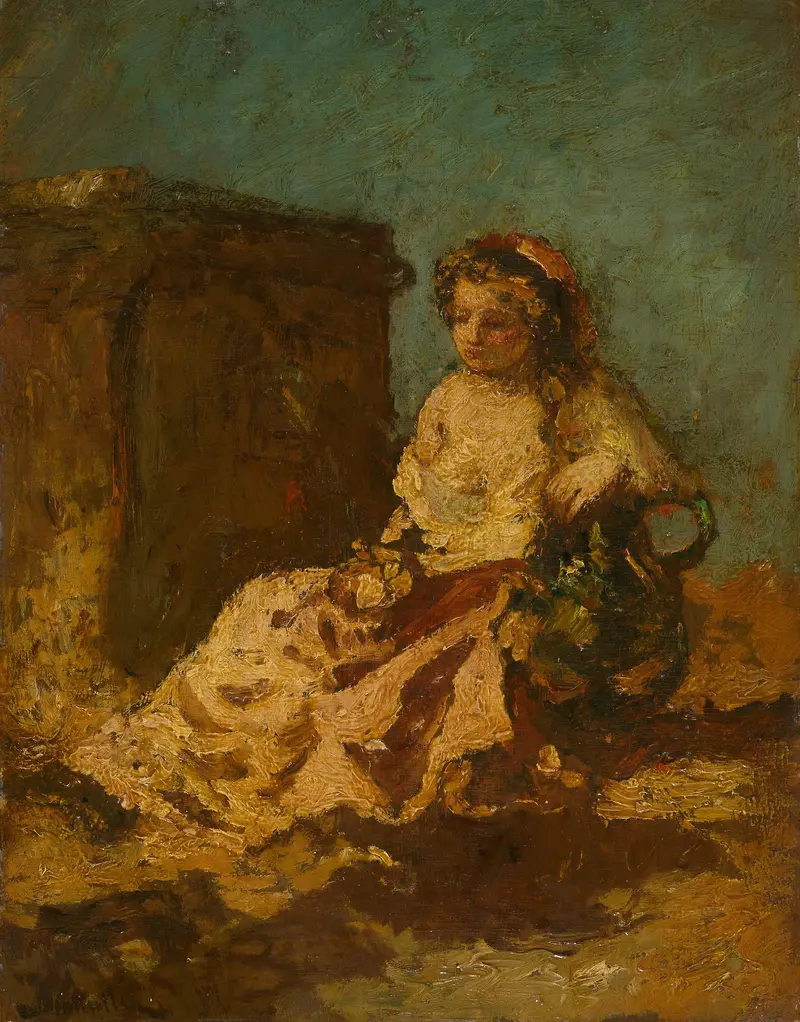
Meditation (Seated Woman)
Adolphe Monticelli
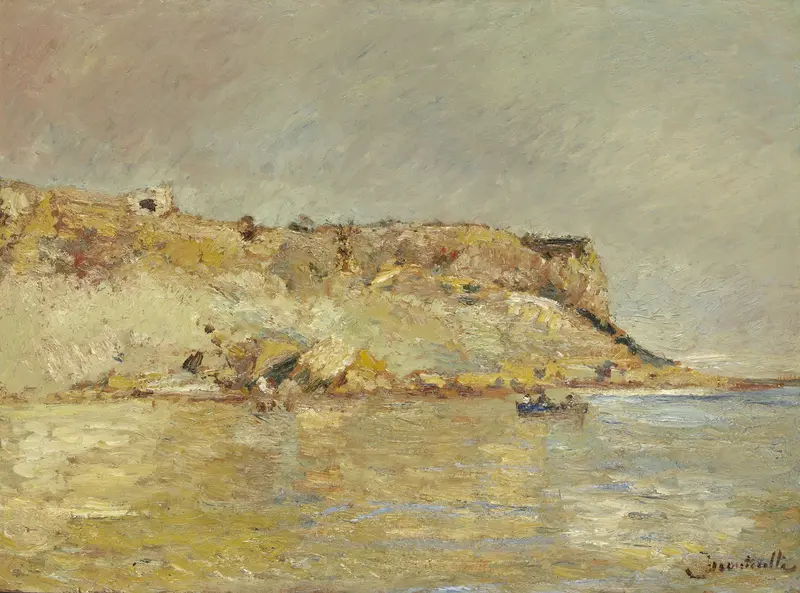
Coastal Mountains
Adolphe Monticelli
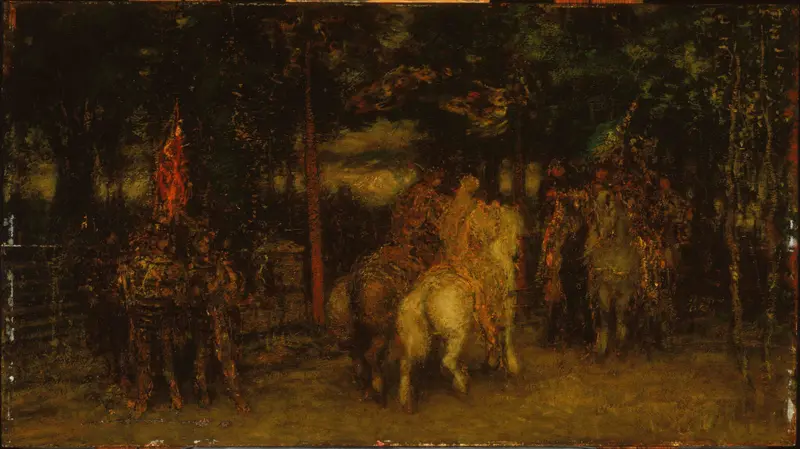
Landscape with Figures
Adolphe Monticelli
More Landscape Art

The Starry Night
Vincent van Gogh

View of Delft
Johannes Vermeer

Water Lilies
Claude Monet

The Grand Canal, Venice, looking north-west from the Ca' Corner to the Ca' Contarini degli Scrigni, with the campanile of Santa Maria della Carità
Canaletto

Windsor Castle
Canaletto

The Grand Canal looking North-East from the Palazzo Dolfin-Manin to the Rialto Bridge
Canaletto