
Landscape with a moon — History & Facts
In a world where fear and uncertainty reign, one may wonder how beauty can emerge from such turmoil. Look to the deep blues and purples of the night sky, where the moon hangs like a luminous pearl. Its serene glow contrasts sharply with the chaotic brushstrokes that define the landscape below, suggesting a hidden order beneath the apparent disarray. Notice how the contrasting colors amplify the emotional tension, as the earth seems to pulse with life yet remains shadowed by looming darkness.
Every stroke appears deliberate, guiding your gaze toward the horizon where the moonlight meets the undulating hills. Within this tranquil yet unsettling scene lies a complexity that speaks of duality. The moon, often a symbol of calm, here casts an eerie light that amplifies the fears lurking in the shadows of the landscape. The energetic brushwork suggests a sense of unrest, perhaps reflecting the artist's own turmoil or the societal anxieties of the time.
Each element of the painting, from the swirling clouds to the dark silhouettes of the trees, draws the viewer into a deeper contemplation of fear's omnipresence, even amidst beauty. In 1906, Tadeusz Makowski created this work while living in Paris, amidst a burgeoning art scene that was experimenting with abstraction and emotional expression. At this time, he grappled with his identity as a Polish artist in a foreign land while absorbing the influences of fauvism and post-impressionism. The tensions of his life and the evolving world of art fueled his exploration of themes like fear, where chaos and grace intertwined on the canvas.
More Artworks by Tadeusz Makowski
Browse all →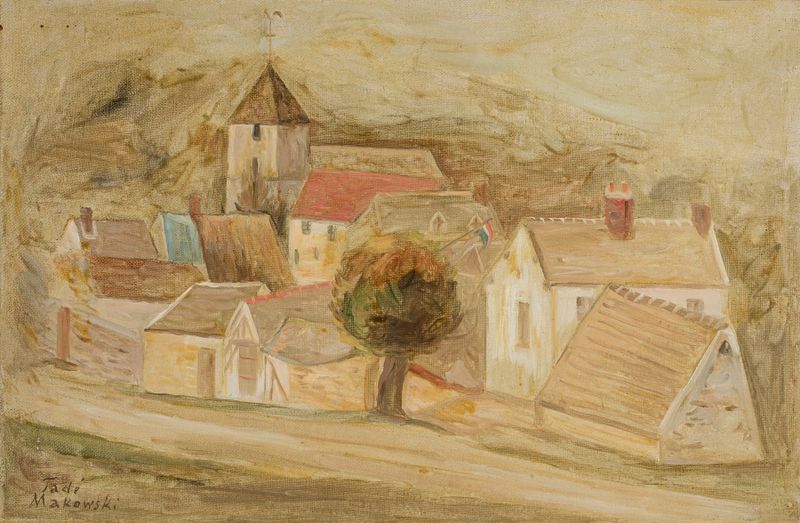
Miasteczko
Tadeusz Makowski

Pejzaż wiosenny
Tadeusz Makowski
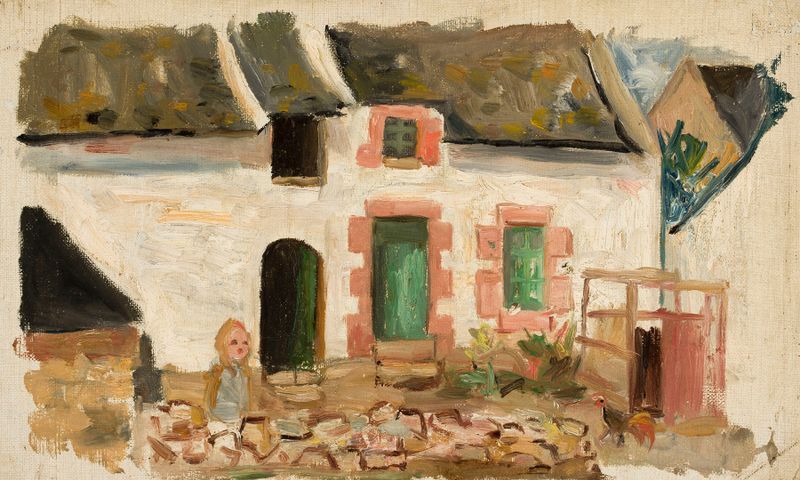
Dziecko przed domem
Tadeusz Makowski
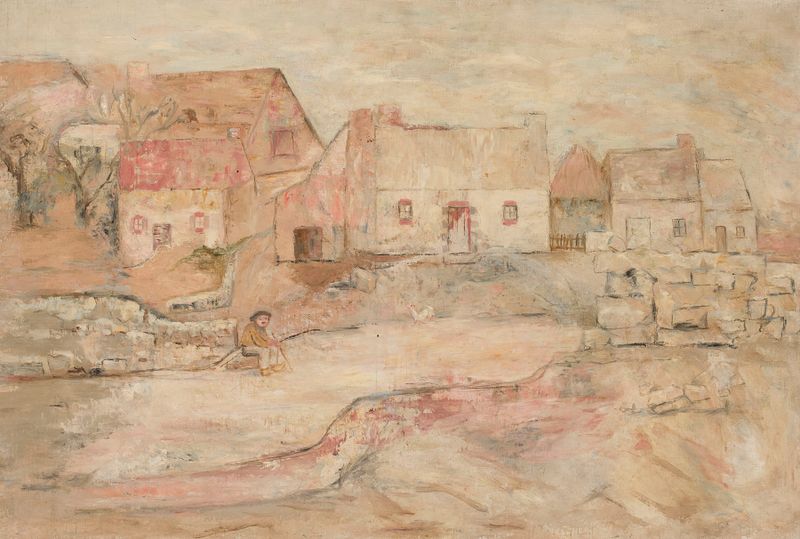
Pejzaż bretoński z siedzącym człowiekiem
Tadeusz Makowski
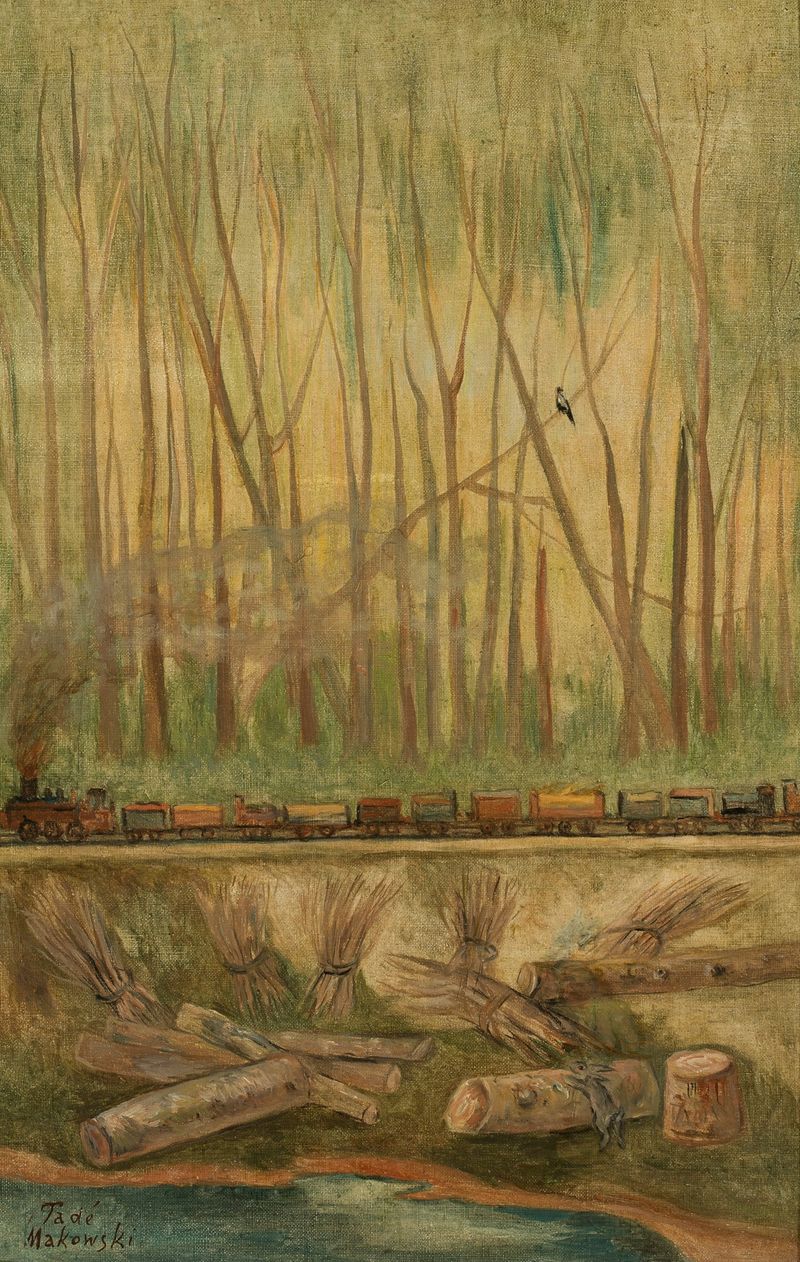
Pociąg
Tadeusz Makowski
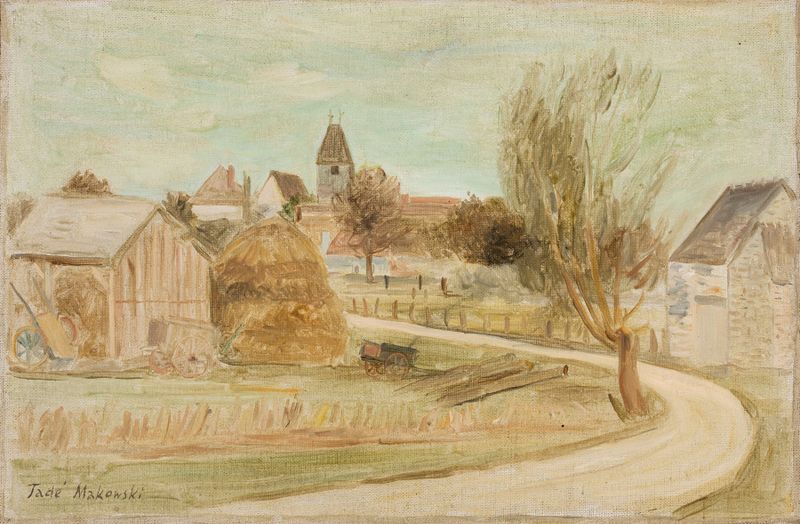
Na skraju wsi
Tadeusz Makowski

Pejzaż miejski (Esplanade des Invalides)
Tadeusz Makowski
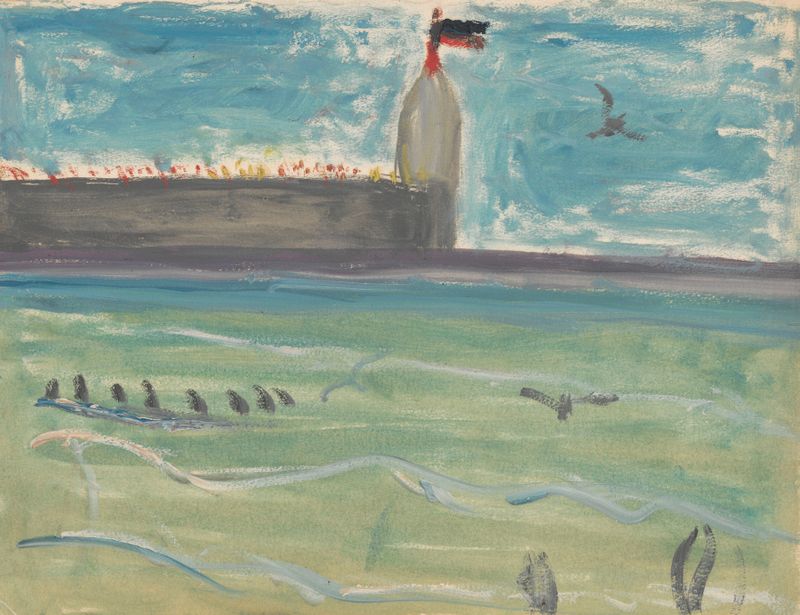
Latarnia morska w Tréport
Tadeusz Makowski
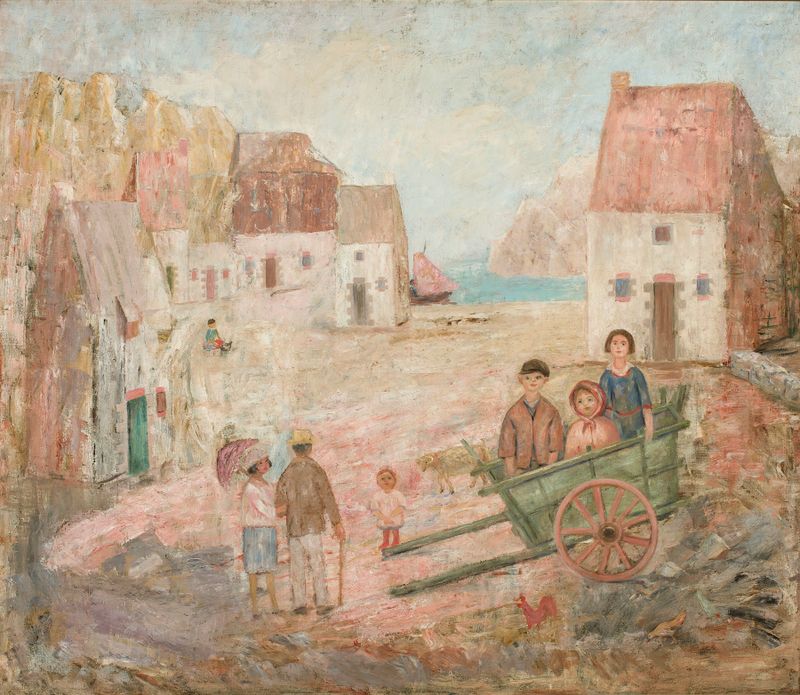
Landscape of a small town with children in a pram
Tadeusz Makowski
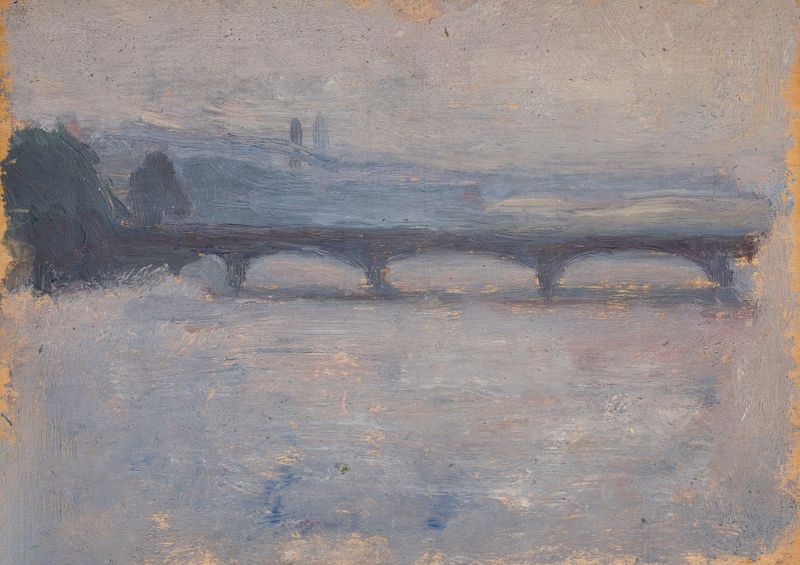
Bridge on the Seine
Tadeusz Makowski





