
Landscape with a View of the Valkhof, Nijmegen — History & Facts
A golden hush settles over the Valkhof at Nijmegen, where the ruins of ancient fortifications rise quietly against the vast Dutch sky. The painter, Aelbert Cuyp, draws the viewer’s attention first to the interplay of light and shadow: the sun, low and gentle, touches the stone towers and rooftops with warmth, while the foreground figures—riders, walkers, a dog—move through bands of light that seem almost tangible. The eye is led from the bustling life at the gate, through the calm water with its distant sails, and out to the endless horizon, where land and sky dissolve into one another.
Every gesture and posture is a clue: the mounted figure’s casual command, the purposeful stride of the man in red, the small gatherings at the gate, all suggesting a world at ease and in transition. Painted in 1657, this scene belongs to the Dutch Golden Age, when landscape painting flourished as a celebration of both national pride and everyday life. Such works were often commissioned by prosperous citizens eager to display their connection to place and history, or simply to bring the expansive Dutch countryside into their homes. The Valkhof itself, once a symbol of imperial power, here becomes part of the daily rhythm of the city, its ruins softened by time and sunlight.
Now in the collection of National Galleries Scotland, Landscape with a View of the Valkhof, Nijmegen stands as a quiet record of how the past and the present once met under a sky as changeable as history itself—inviting you to linger, and to look again.
More Artworks by Aelbert Cuyp

The Maas at Dordrecht
Aelbert Cuyp
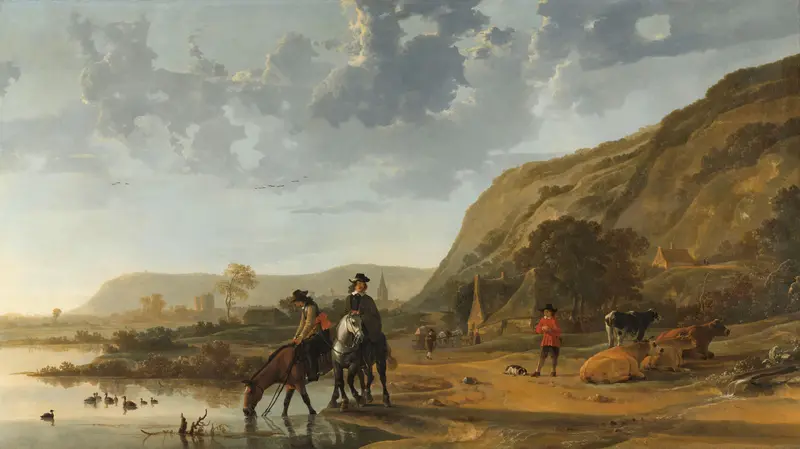
River Landscape with Riders
Aelbert Cuyp

The Maas at Dordrecht
Aelbert Cuyp
Gezicht op Dordrecht
Aelbert Cuyp
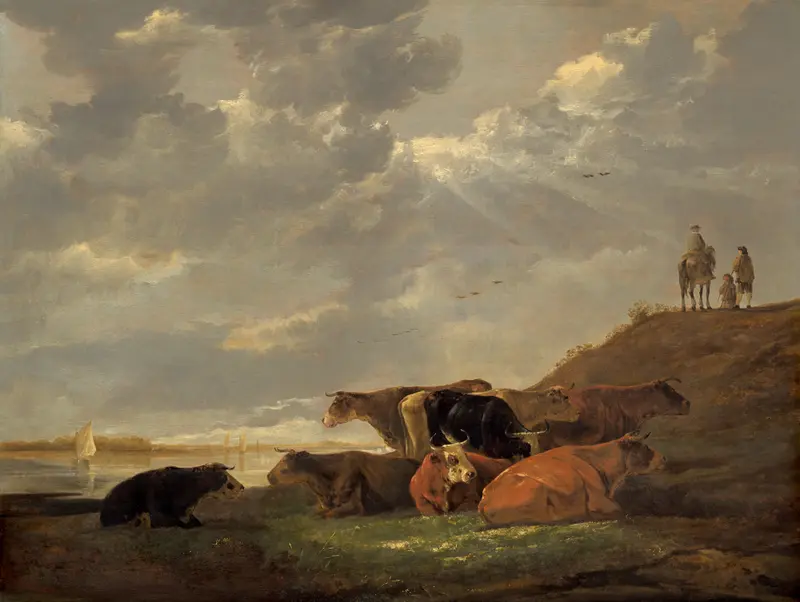
River Landscape with Cows
Aelbert Cuyp
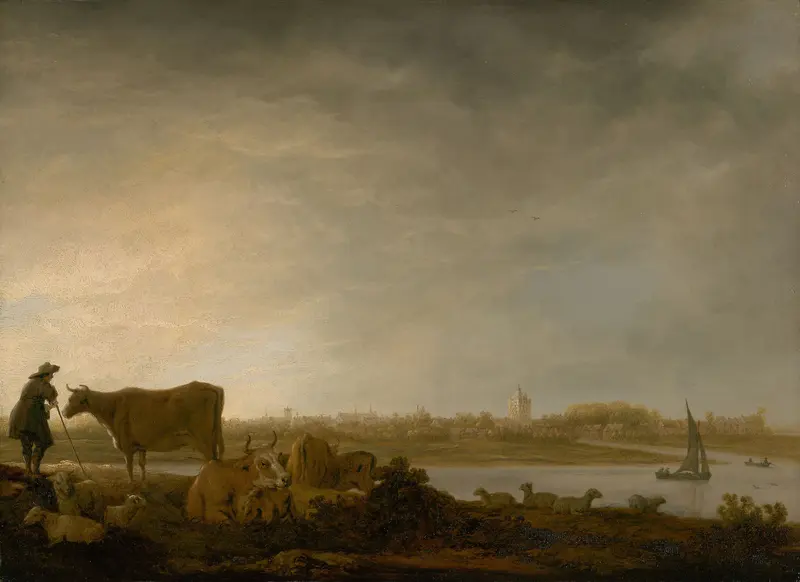
A View of Vianen with a Herdsman and Cattle by a River
Aelbert Cuyp
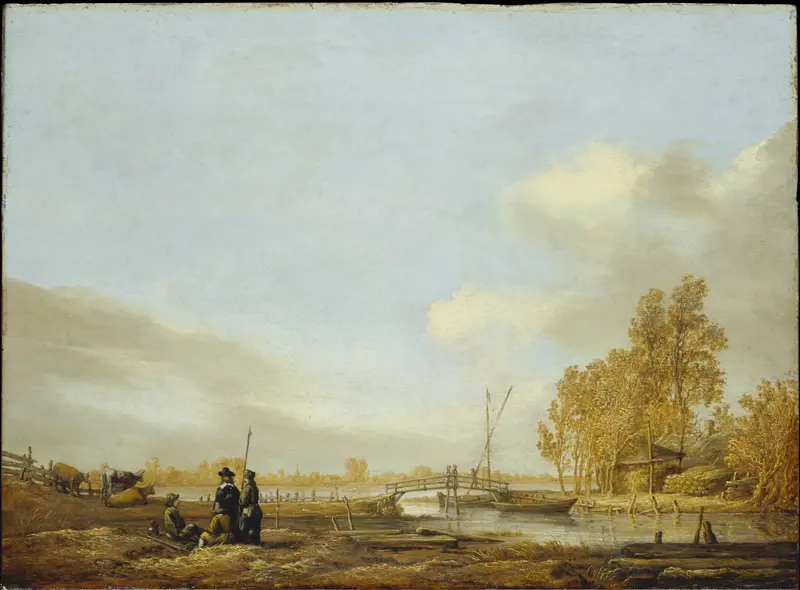
River Landscape with Footbridge
Aelbert Cuyp
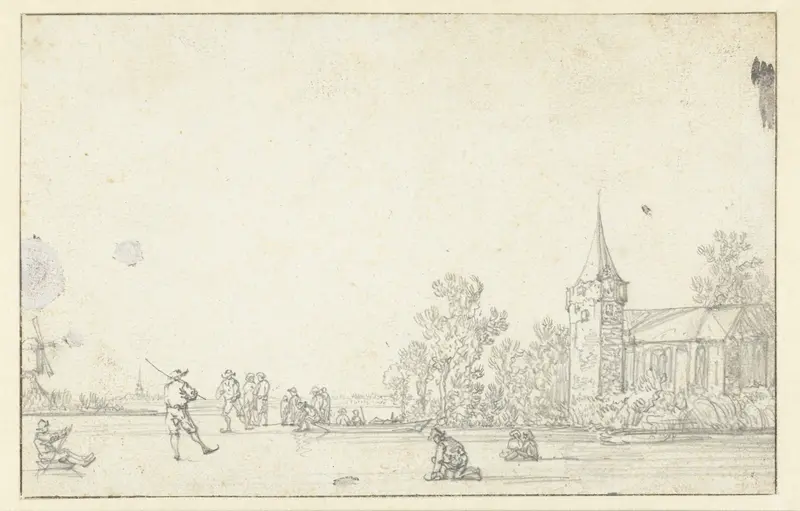
Bevroren rivier met schaatsers bij een kerk
Aelbert Cuyp

Cattle near a River
Aelbert Cuyp
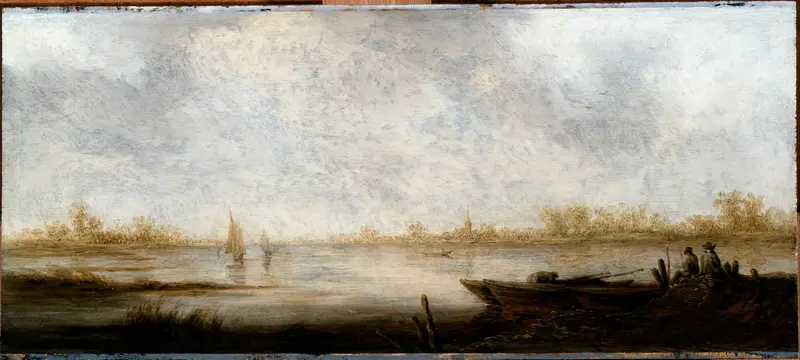
River Landscape
Aelbert Cuyp
More Landscape Art

The Starry Night
Vincent van Gogh

View of Delft
Johannes Vermeer

Water Lilies
Claude Monet

The Grand Canal, Venice, looking north-west from the Ca' Corner to the Ca' Contarini degli Scrigni, with the campanile of Santa Maria della Carità
Canaletto

Windsor Castle
Canaletto

The Grand Canal looking North-East from the Palazzo Dolfin-Manin to the Rialto Bridge
Canaletto