
Landscape with Alpheus and Arethusa — History & Facts
A single figure flees through a dense, tangled woodland, her gesture urgent, while another rises from the water behind her, arm outstretched in desperate pursuit. The eye is immediately caught by the contrast between the open clearing and the thick canopy above—a stage set for a mythic chase. Every leaf and branch is rendered with obsessive care, drawing the viewer into a world where nature is both shelter and labyrinth.
The figures, though small, are unmistakably alive: the fleeing woman’s hair streams behind her, and the water’s surface breaks around the swimmer’s reaching hand. Light filters down in patches, guiding the gaze from the drama at the water’s edge up into the restless architecture of trees, suggesting a world that is both intimate and vast. Works like this by Antonie Waterloo belong to a tradition of Northern European landscape art, where mythological stories are woven into the fabric of real, observed nature. In the seventeenth century, artists and collectors alike delighted in scenes that offered both narrative intrigue and a showcase for technical skill—prints and drawings circulated widely, prized for their ability to conjure entire worlds in black and white.
This particular print, now part of the National Gallery of Art’s collection and shared through their Open Access initiative, is a testament to the era’s fascination with both the grandeur of the forest and the fleeting drama of human lives within it. Look again at the way the trees seem to lean in, as if listening to the ancient story unfolding beneath their branches.
More Artworks by Antonie Waterloo
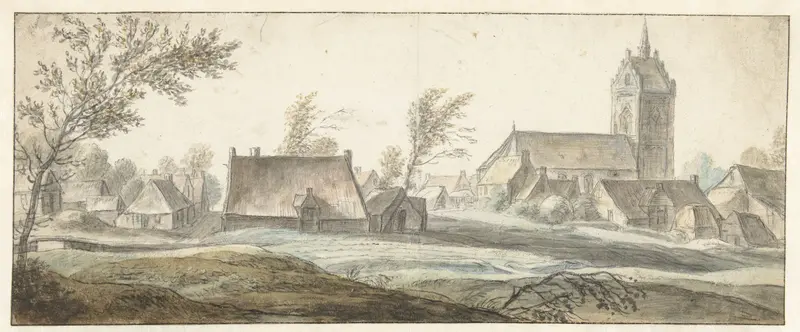
Gezicht op het dorp Soest
Antonie Waterloo
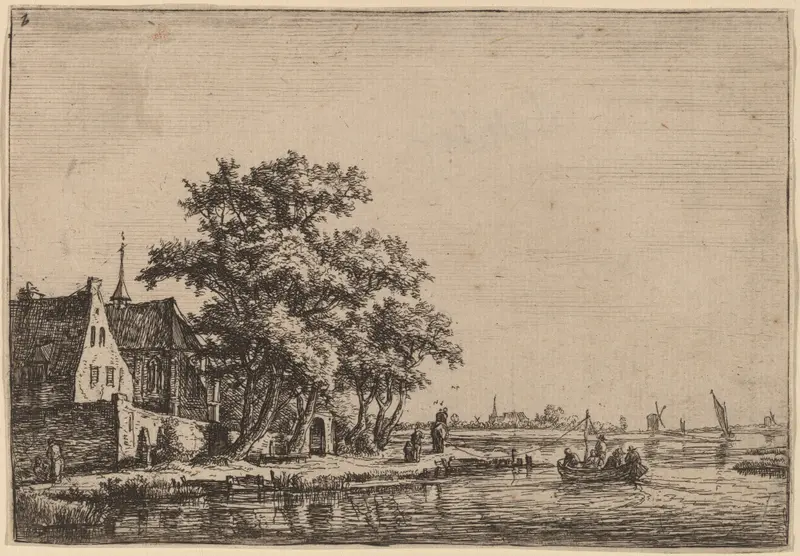
Churchyard at the Waterside
Antonie Waterloo
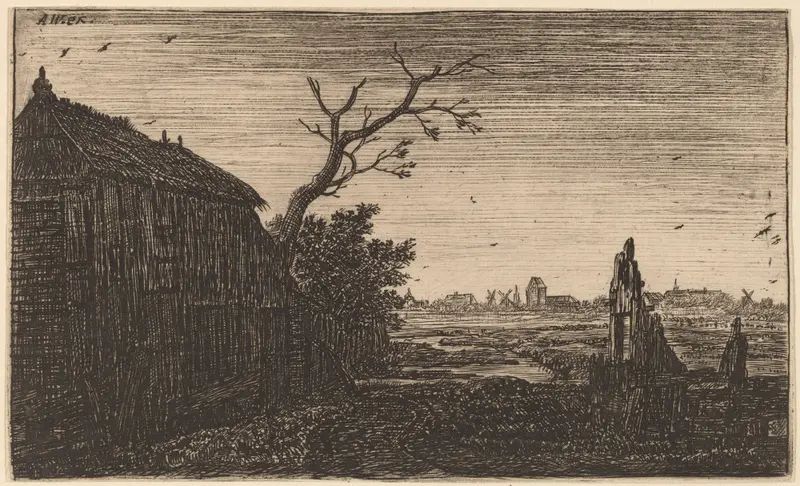
The Sluice
Antonie Waterloo
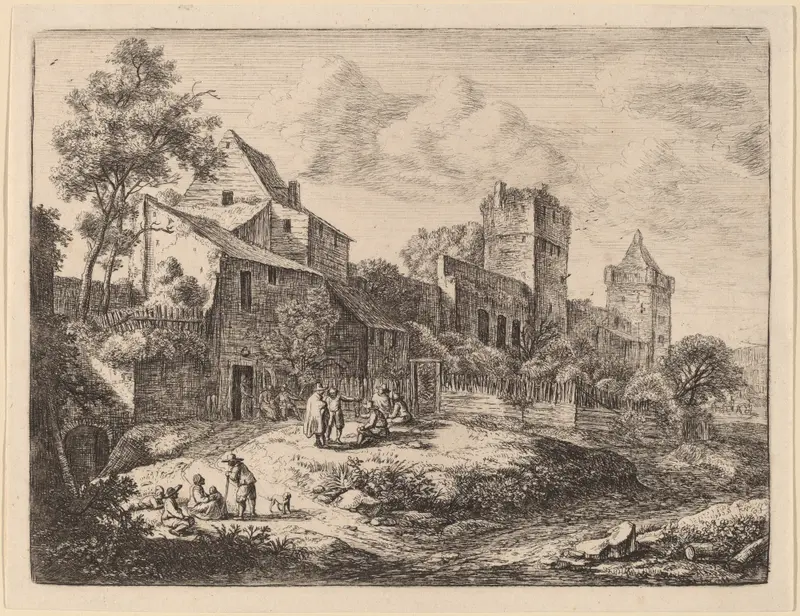
Square in Front of an Inn
Antonie Waterloo
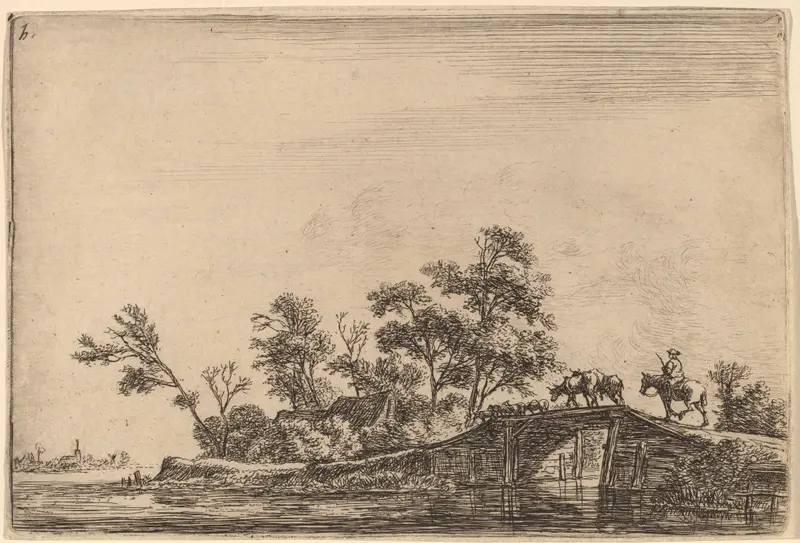
Rider and Flock on a Bridge
Antonie Waterloo
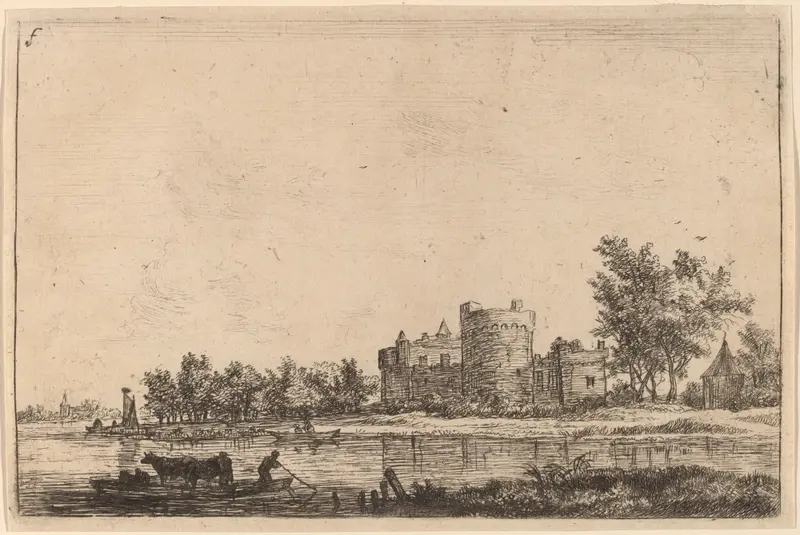
Two Cows on a Ferry
Antonie Waterloo
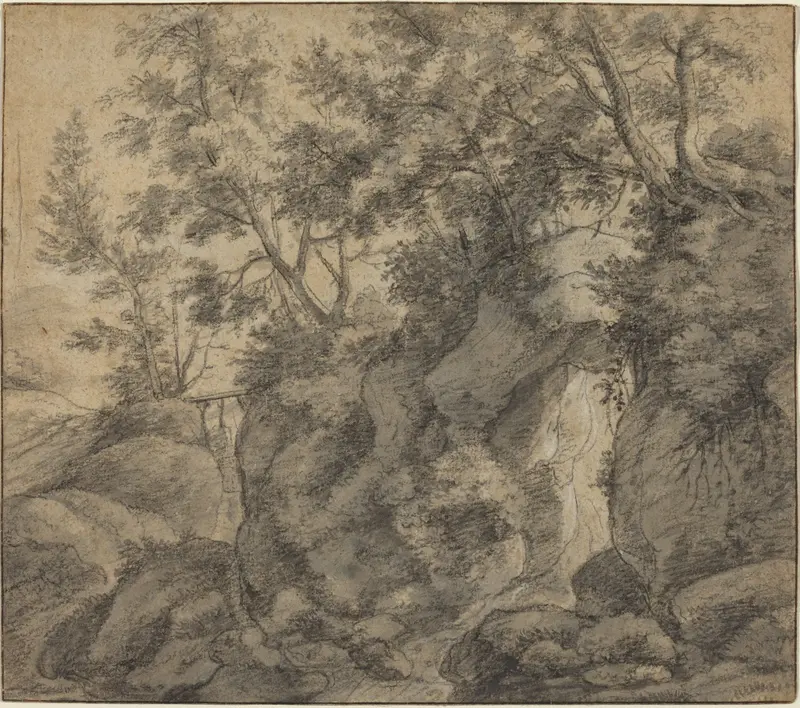
Landscape with a Wooded Ravine
Antonie Waterloo
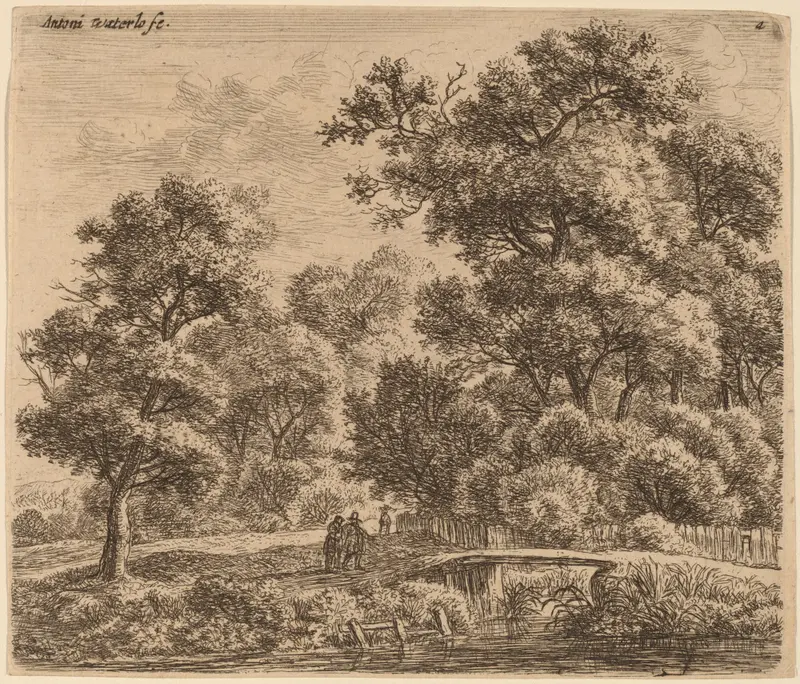
Wooded Landscape with a Bridge
Antonie Waterloo
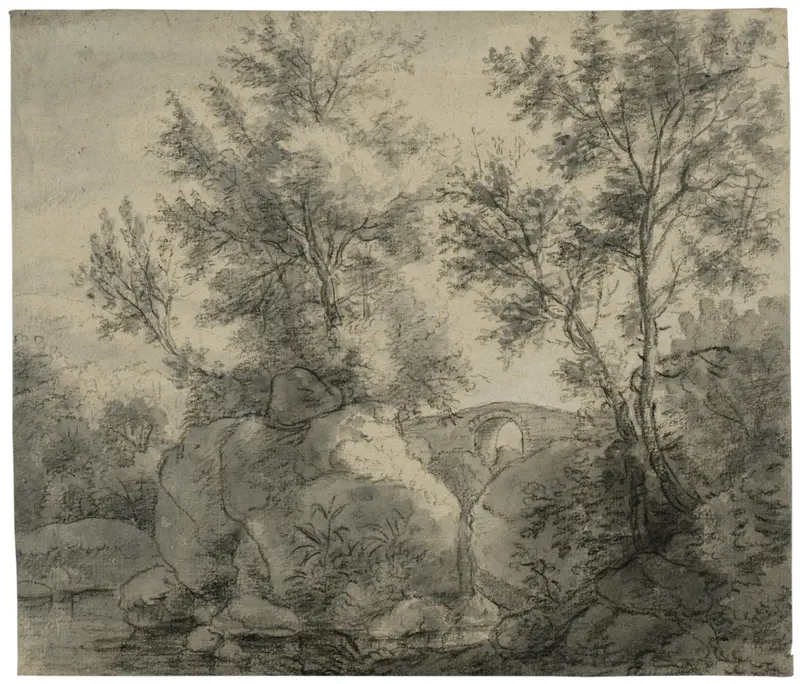
Rocky Landscape with a Stone Bridge
Antonie Waterloo
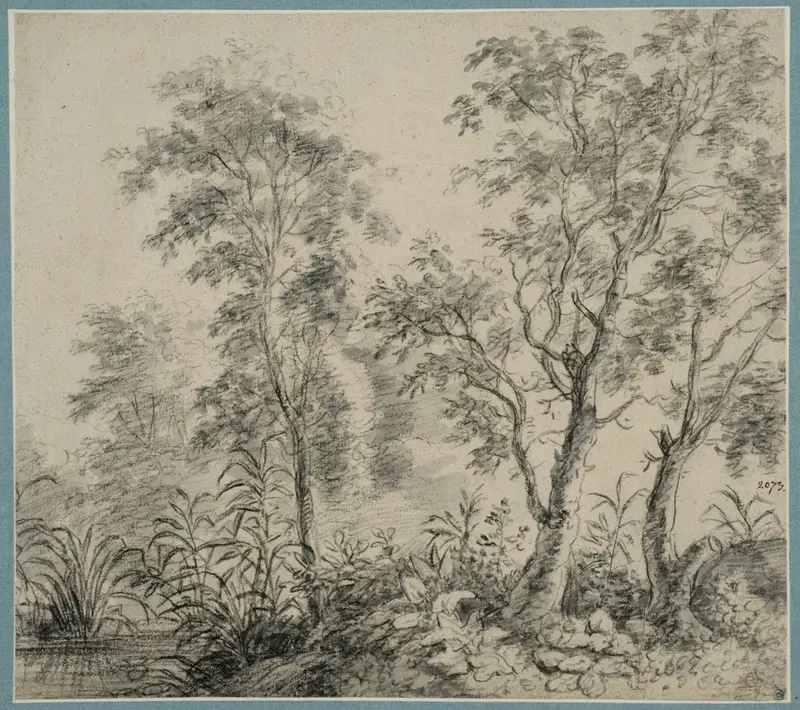
River Bank with a Row of Trees
Antonie Waterloo
More Landscape Art

The Starry Night
Vincent van Gogh

View of Delft
Johannes Vermeer

Water Lilies
Claude Monet

The Grand Canal, Venice, looking north-west from the Ca' Corner to the Ca' Contarini degli Scrigni, with the campanile of Santa Maria della Carità
Canaletto

Windsor Castle
Canaletto

The Grand Canal looking North-East from the Palazzo Dolfin-Manin to the Rialto Bridge
Canaletto