
Landscape with Cattle — History & Facts
Is this a mirror — or a memory? This question resonates deeply within the tranquil yet charged atmosphere of a pastoral scene, inviting the viewer to ponder the delicate balance between nature's beauty and the tumult of human existence. Look to the left at the grazing cattle, their forms softened by the golden light that bathes the landscape. The brushstrokes are fluid yet deliberate, creating an illusion of depth that draws the eye toward the undulating hills in the background. Notice how the warm earth tones contrast with the cool blues of the sky, a harmonious interplay that suggests both serenity and an underlying tension.
The distant horizon appears almost dreamlike, a reminder of what lies beyond the immediate tranquility. In this serene pastoral, the cattle symbolize both abundance and the impending transformation of agrarian life in the face of sweeping change. The lush green fields may evoke nostalgia for simpler times, yet they stand on the brink of an industrial revolution, marking a shift that would forever alter the landscape of rural life. Each detail, from the grazing animals to the gentle ripples of the water, echoes the tension between tranquility and the disruptions lurking just out of sight. Created during an uncertain period of innovation and upheaval, the artist painted this work in the late 18th century, a time when the world was grappling with the changes brought on by the Industrial Revolution.
Living in England, he was influenced by both the picturesque and the sublime, capturing the complexities of nature in an era defined by dramatic shifts in society and art. The work serves as a poignant commentary on the dichotomy of peace and progress, inviting reflection on what is lost and what endures.
More Artworks by Philip James de Loutherbourg
Browse all →
Iron Works, Colebrook Dale
Philip James de Loutherbourg
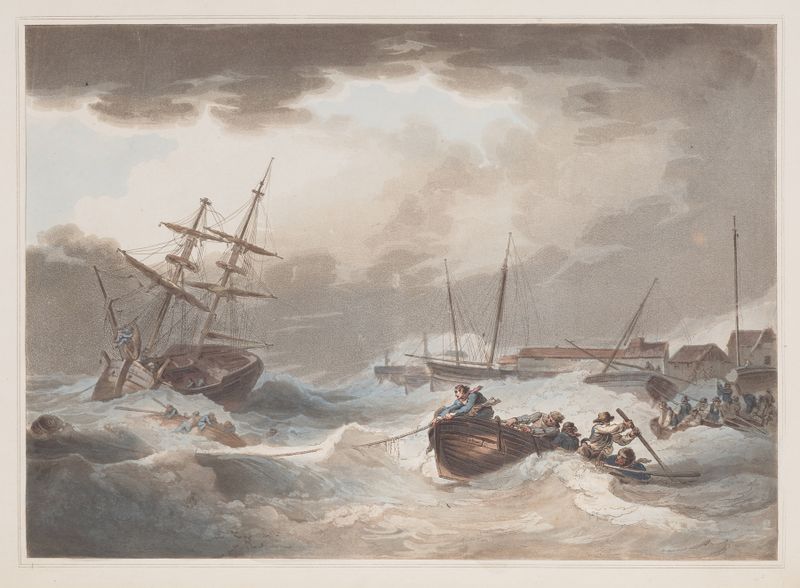
Storm off Margate
Philip James de Loutherbourg
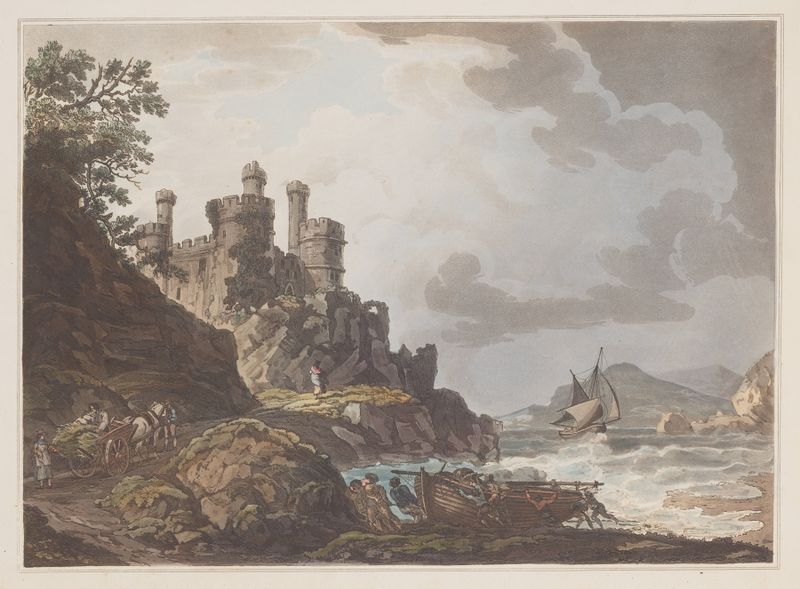
Conway Castle
Philip James de Loutherbourg
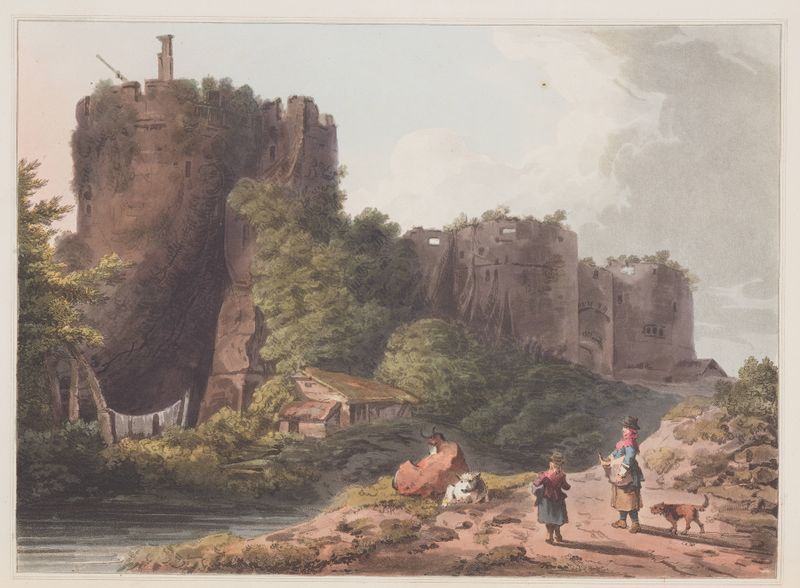
Chepstow Castle in Monmouthshire
Philip James de Loutherbourg
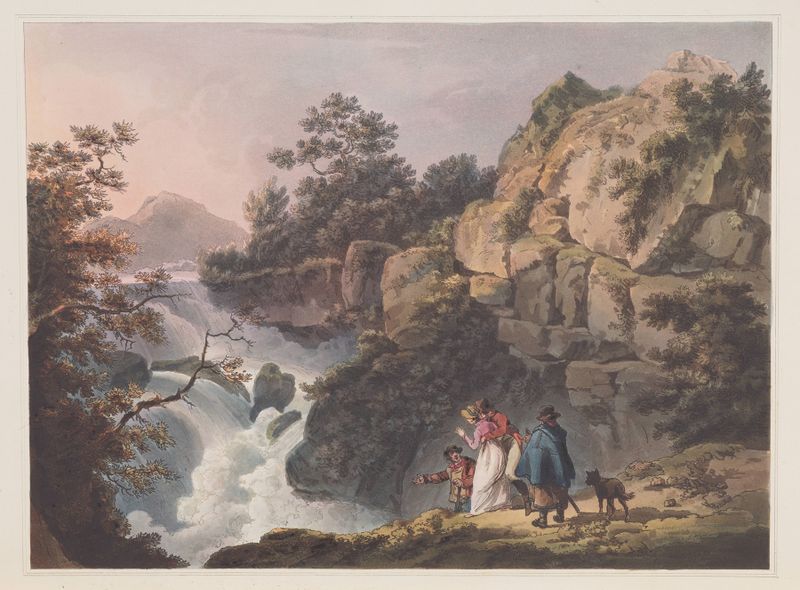
Cataract on the Llugwy
Philip James de Loutherbourg

Tintern Abbey
Philip James de Loutherbourg
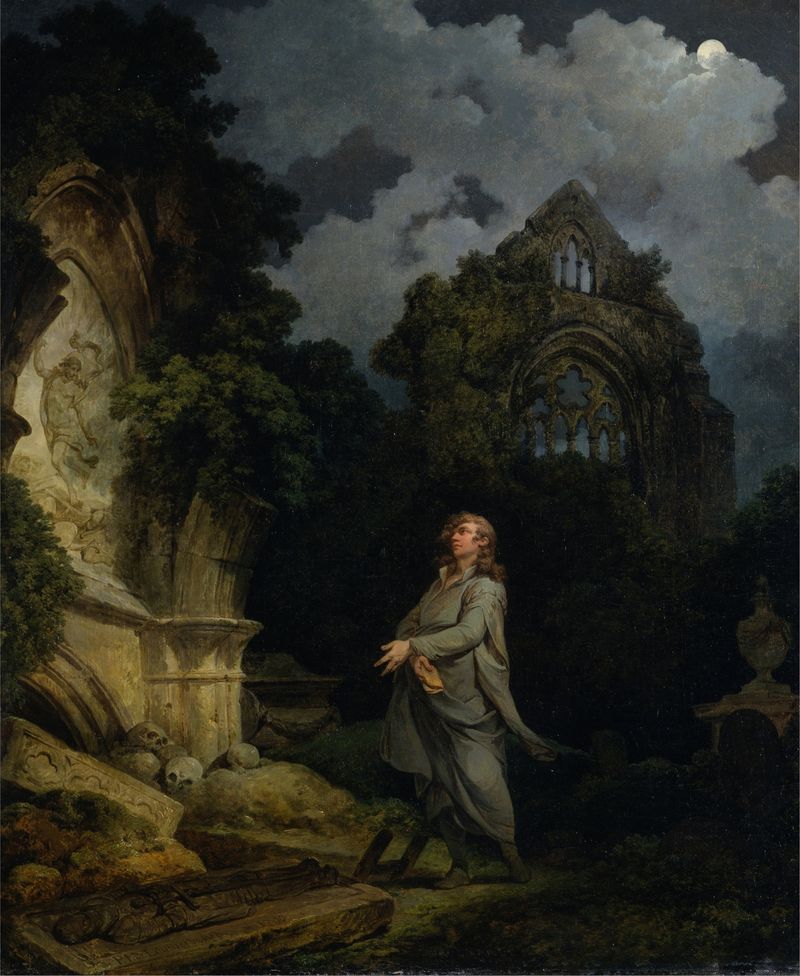
Visitor to a Moonlit Churchyard
Philip James de Loutherbourg

A Storm at the Entrance of a Mediterranean Port
Philip James de Loutherbourg
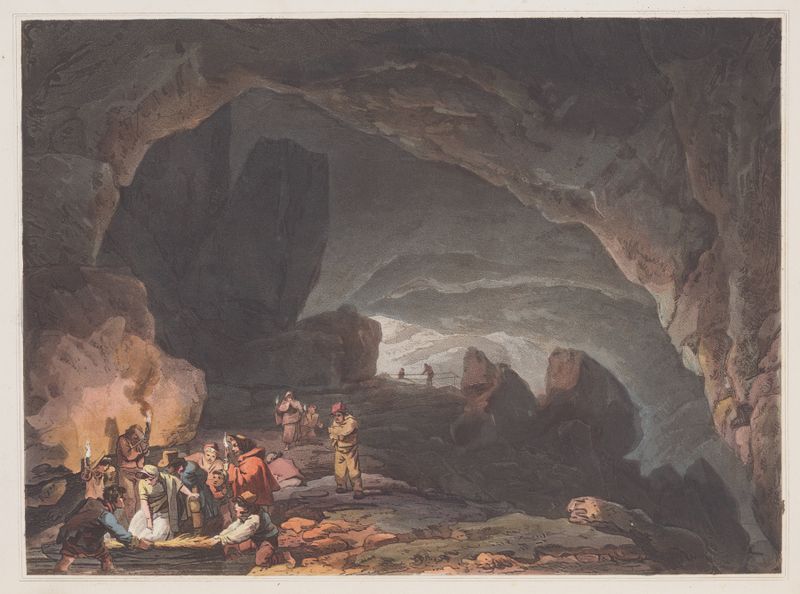
Peak’s Hole, Derbyshire
Philip James de Loutherbourg
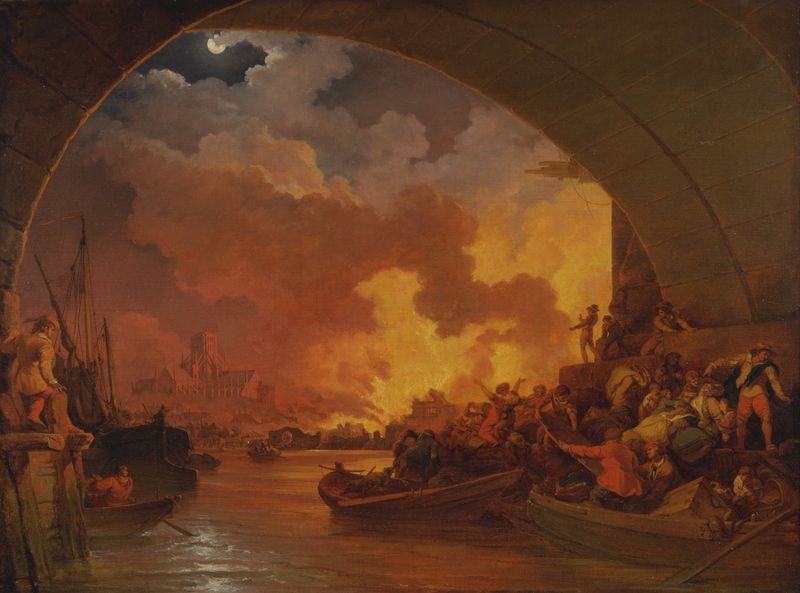
The Great Fire of London
Philip James de Loutherbourg





