
Landscape with the Circumcision of Moses' Son — History & Facts
A great tree dominates the scene, its branches arching high above a quiet stream and a rustic stone bridge. Your eye is drawn first to the drama unfolding in the lower right, where a group of figures gather in agitation—one gestures sharply, another bends protectively over a child. The landscape itself seems to pause for this moment: the bridge frames a distant view, guiding your gaze deeper into the countryside, while the old houses and tangled foliage press close, as if to witness the event.
Every line in Landscape with the Circumcision of Moses' Son by Antonie Waterloo is alive with purpose, from the restless textures of bark and thatch to the careful choreography of the figures, suggesting a narrative both urgent and hidden. Works like this, emerging from the Dutch Golden Age, often blend biblical stories with the familiar rhythms of rural life. Artists such as Waterloo were celebrated for their ability to transform everyday settings into stages for ancient tales, appealing to collectors who prized both technical skill and moral reflection. The precise date and medium of this print remain uncertain, and history has kept few traces of its journey before it entered the collection of the National Gallery of Art, where it now lives as part of their open access project.
What endures is the way it invites you to linger—wondering what has just happened, and what the landscape itself remembers.
More Artworks by Antonie Waterloo
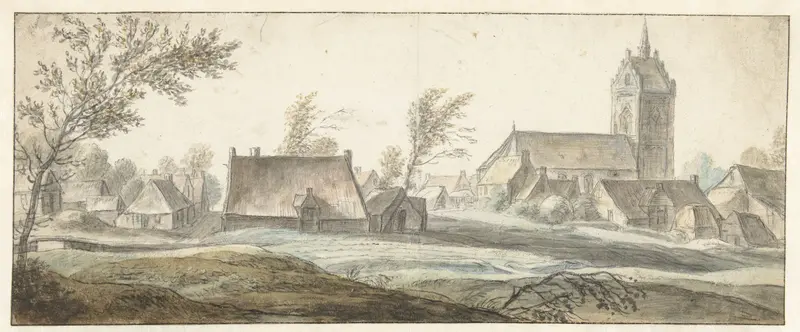
Gezicht op het dorp Soest
Antonie Waterloo
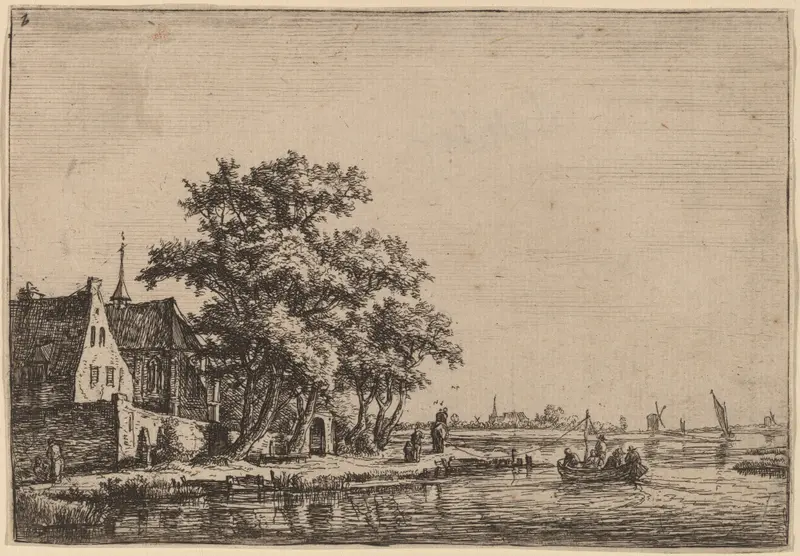
Churchyard at the Waterside
Antonie Waterloo
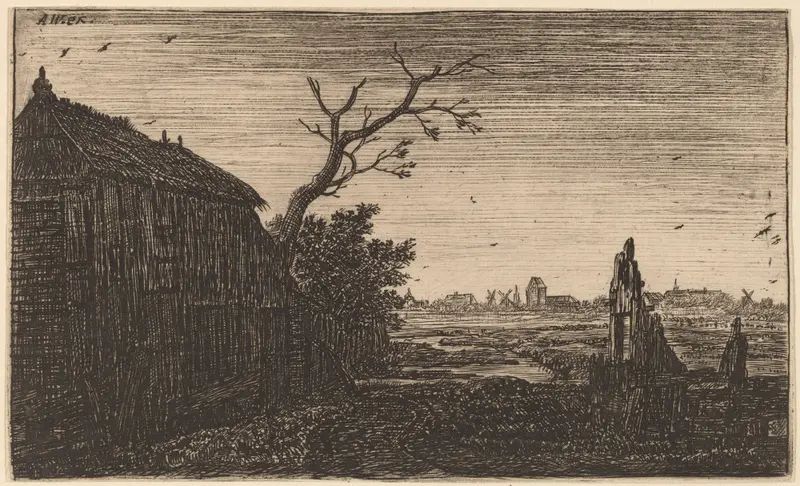
The Sluice
Antonie Waterloo
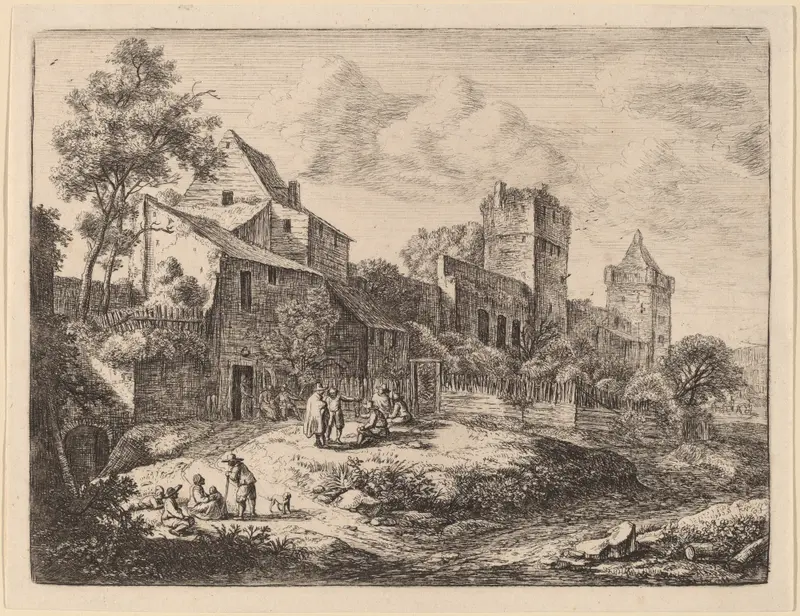
Square in Front of an Inn
Antonie Waterloo
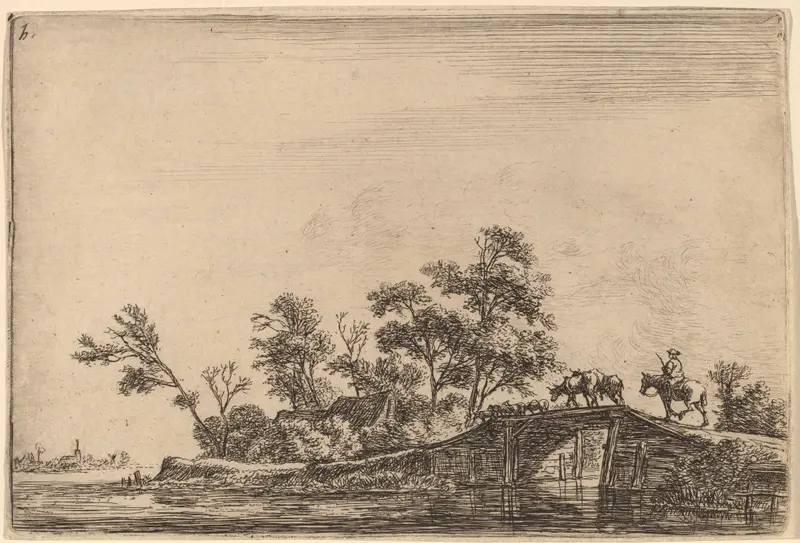
Rider and Flock on a Bridge
Antonie Waterloo
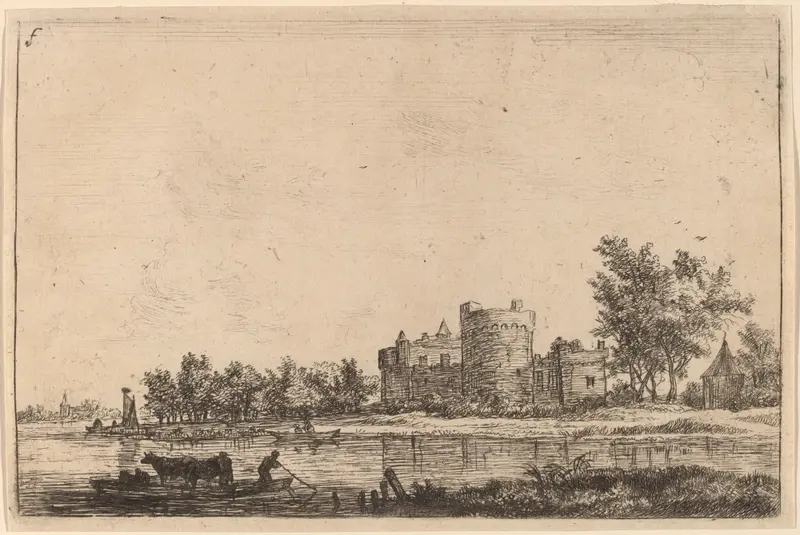
Two Cows on a Ferry
Antonie Waterloo
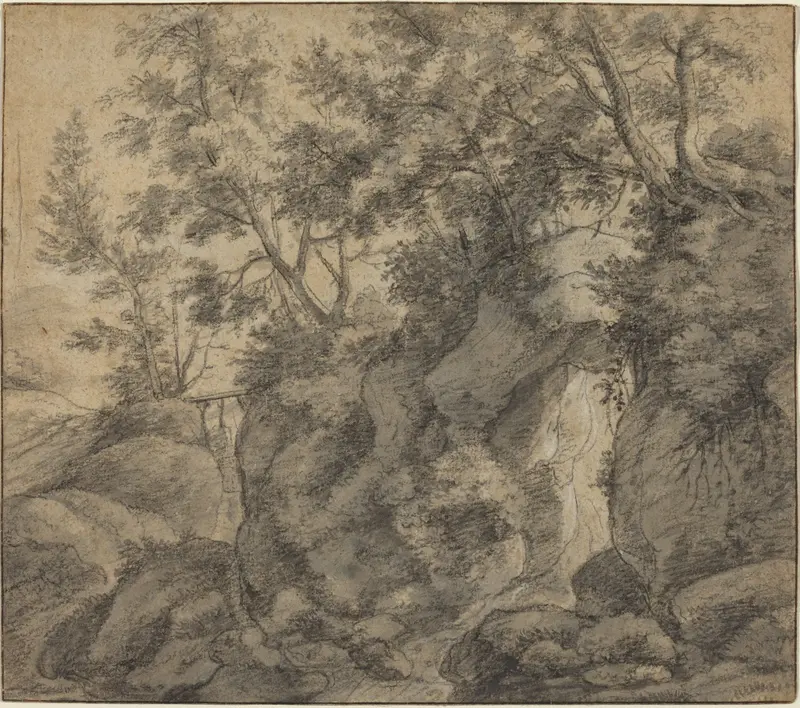
Landscape with a Wooded Ravine
Antonie Waterloo
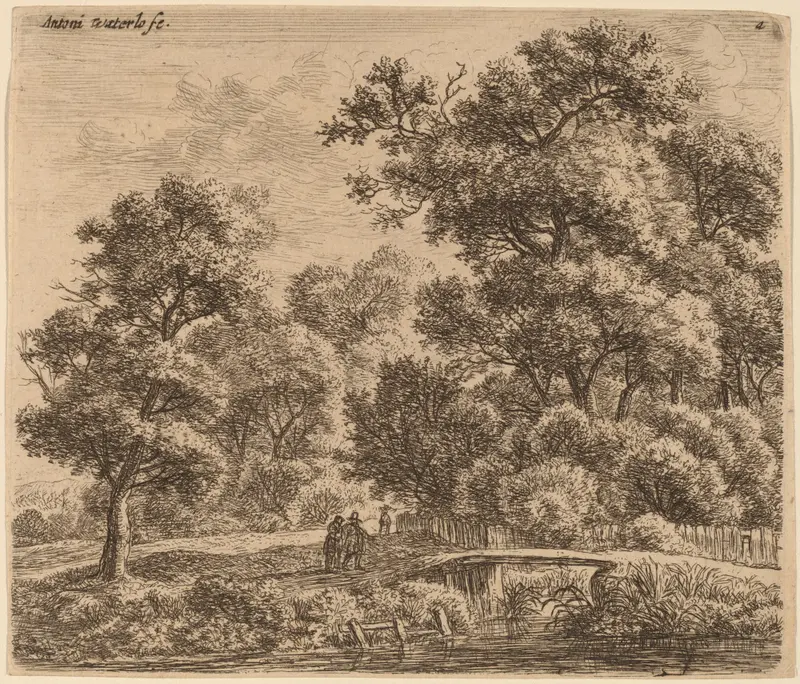
Wooded Landscape with a Bridge
Antonie Waterloo
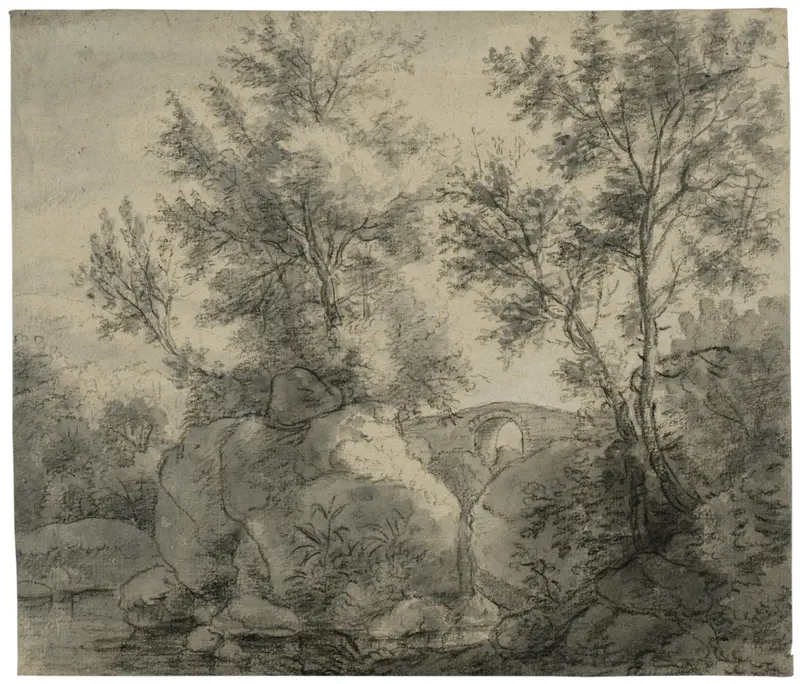
Rocky Landscape with a Stone Bridge
Antonie Waterloo
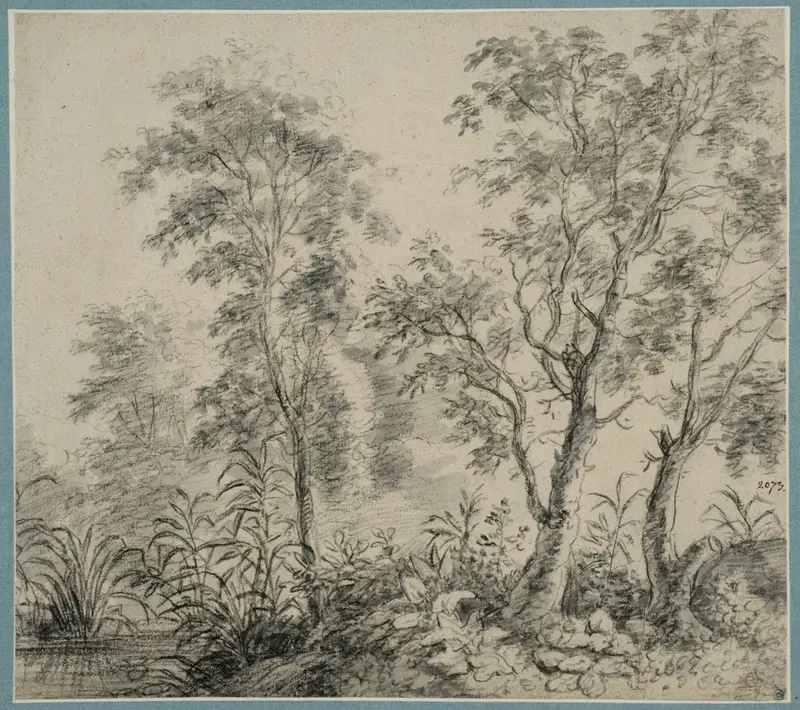
River Bank with a Row of Trees
Antonie Waterloo
More Landscape Art

The Starry Night
Vincent van Gogh

View of Delft
Johannes Vermeer

Water Lilies
Claude Monet

The Grand Canal, Venice, looking north-west from the Ca' Corner to the Ca' Contarini degli Scrigni, with the campanile of Santa Maria della Carità
Canaletto

Windsor Castle
Canaletto

The Grand Canal looking North-East from the Palazzo Dolfin-Manin to the Rialto Bridge
Canaletto