
Landscape with the Ruins of Rijnsburg Abbey — History & Facts
In Landscape with the Ruins of Rijnsburg Abbey, Aelbert Cuyp reveals the tender dance between nature and the remnants of human endeavor, capturing a fleeting moment in time where movement and stillness coexist. Look to the left at the crumbling arches of the abbey, their weathered stones softened by a blanket of lush green. The eye is drawn along the gentle curves of the horizon, where a radiant sky bathes the landscape in warm golden hues, creating an ethereal backdrop. Notice how the light dances upon the clouds, imbuing the scene with life while casting delicate shadows on the ground, suggesting the passage of time and the slow reclaiming of space by nature. Beneath the serene beauty lies a profound commentary on transience and resilience.
The juxtaposition of the ruins against the vibrant landscape hints at the impermanence of human achievement, while the flourishing vegetation symbolizes nature’s enduring spirit. The subtle movements within the clouds and the bending grasses evoke the passage of time, reminding us that all things are in constant flux, even in moments of peace. In 1645, Cuyp was painting during a period of artistic flourishing in the Dutch Republic. The country was enjoying economic prosperity and cultural growth, which influenced his focus on landscapes infused with light and atmosphere.
At this time, Cuyp was establishing his reputation, drawing inspiration from his surroundings and exploring the interplay between man-made structures and the natural world, ultimately shaping his legacy in landscape painting.
More Artworks by Aelbert Cuyp
Browse all →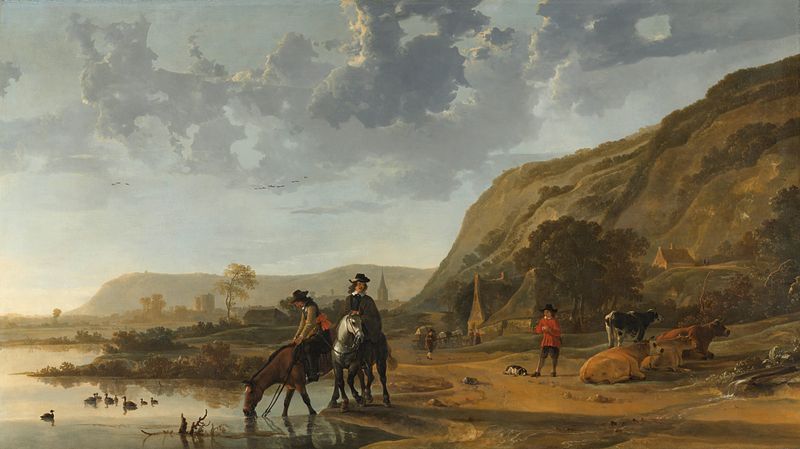
River Landscape with Riders
Aelbert Cuyp

Gezicht op Dordrecht
Aelbert Cuyp
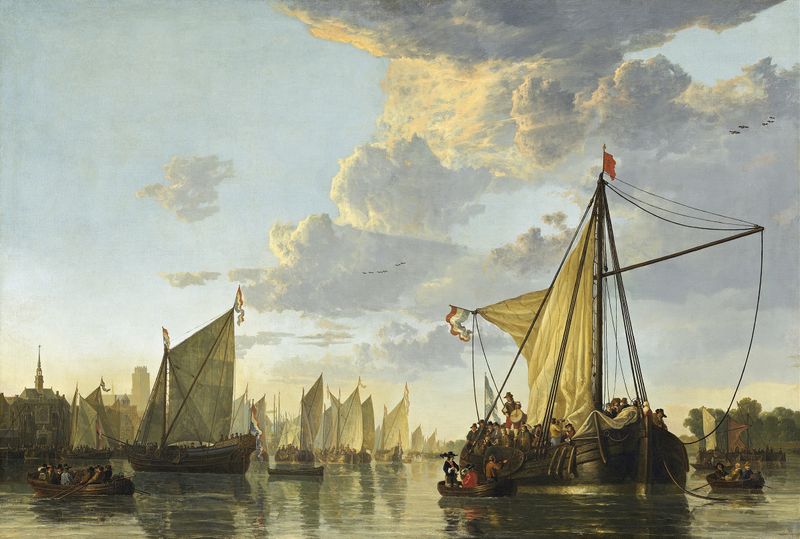
The Maas at Dordrecht
Aelbert Cuyp
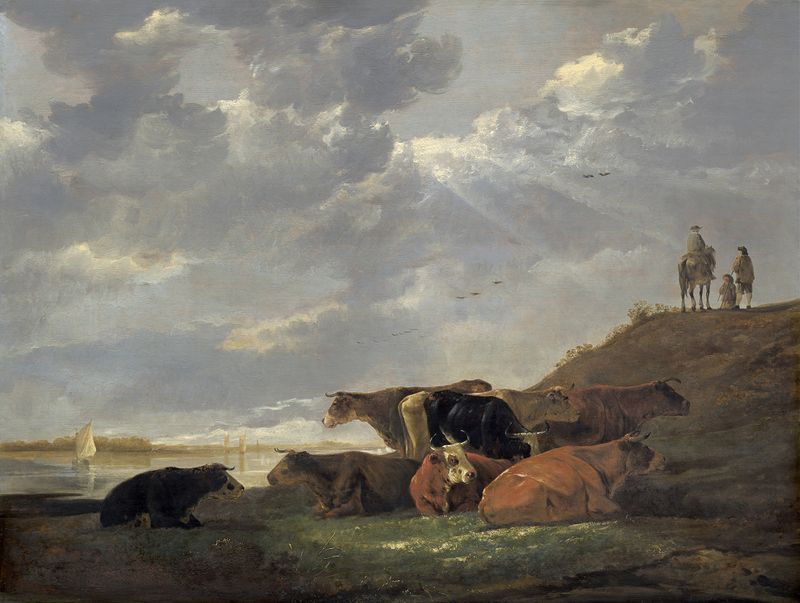
River Landscape with Cows
Aelbert Cuyp
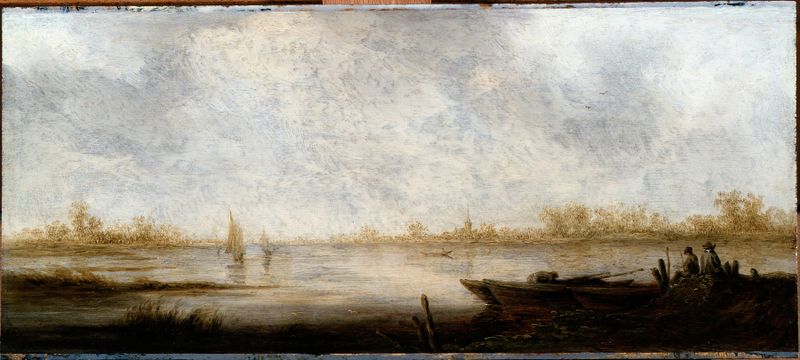
River Landscape
Aelbert Cuyp

Landscape near Dordrecht
Aelbert Cuyp
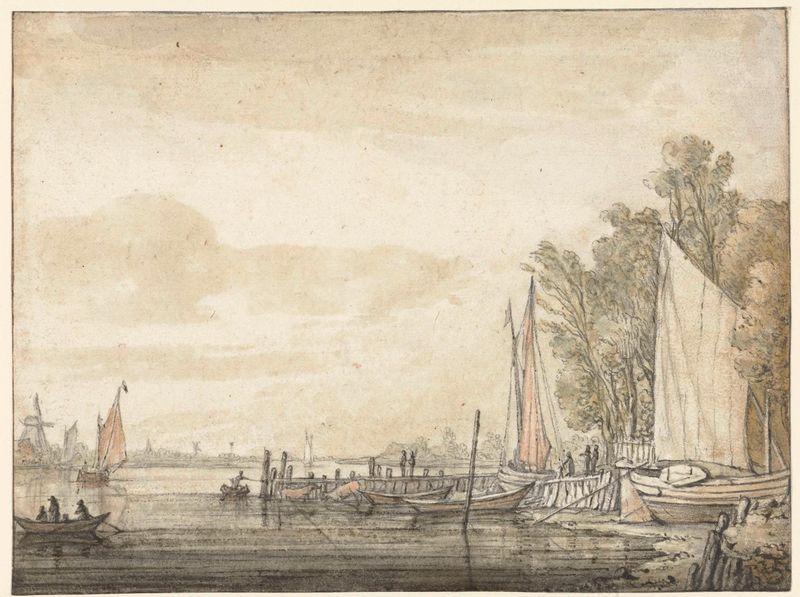
Boten bij een steiger in een rivier
Aelbert Cuyp

Bevroren rivier met schaatsers bij een kerk
Aelbert Cuyp
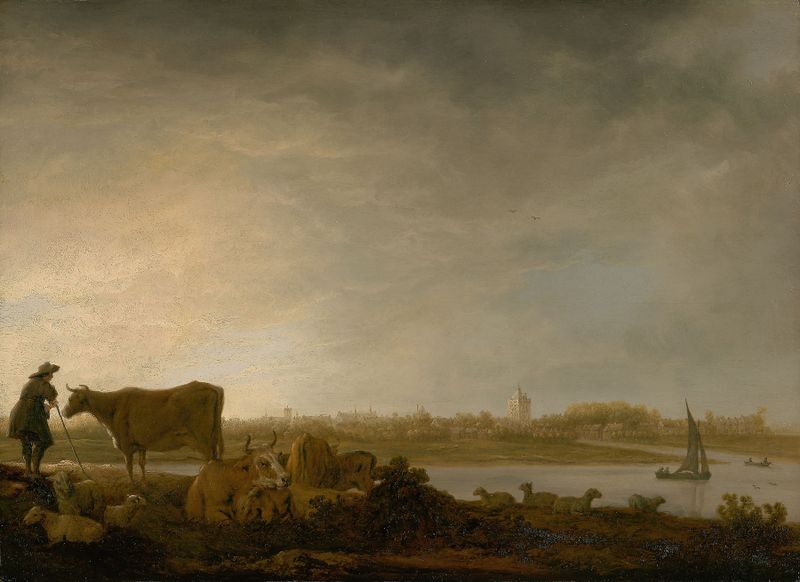
A View of Vianen with a Herdsman and Cattle by a River
Aelbert Cuyp

River Landscape with Cows
Aelbert Cuyp





